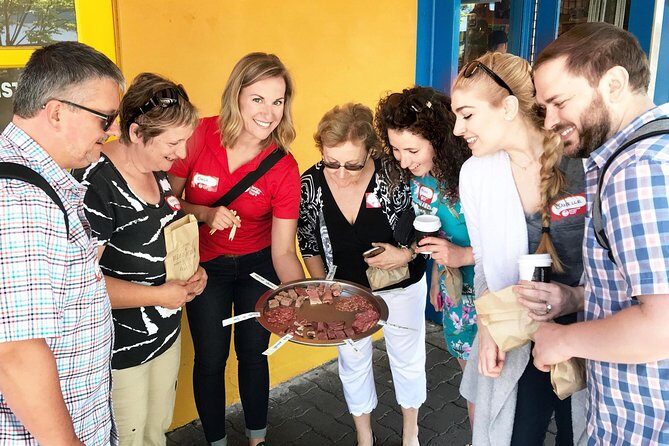
REVIEW · TORONTO
Old Town Toronto History Walking Tour
Book on Viator →Operated by Tour Guys · Bookable on Viator
Toronto has a lot of hidden corners. Old Town turns the city’s past into walkable stories. You’ll hear why Toronto began as a military outpost, then watch it grow into a major city—complete with the darker bits like murders, duels, plagues, and other events you don’t usually meet on a typical sightseeing loop.
I love the tips-based setup, because you control the final value at the end instead of paying a fixed “performance fee.” I also like the pace: about 1 hour 30 minutes with free entry stops, so you can get your bearings without spending the whole afternoon on your feet.
One thing to keep in mind: this walk leaves on time, and the guide can’t wait if you’re late. Also, it ends at St. Lawrence Market, which is closed on Mondays and civic holidays, so plan your lunch day carefully.
In This Review
- Key Highlights Worth Your Time
- Why This Walk Works as an Old Town Toronto Starter
- Old City Hall Meeting Point: Where the Story Gets Political (Fast)
- Stop 2: Holy Trinity Church and the Vanishing of St. John’s Ward
- The “Times Square” Moment: LED Screens, Buskers, and Street Noise
- Mackenzie House: Old Home, First Mayor, and a Ghost Story Bonus
- St. James Cathedral: Anglican Power and Rebuild After Fire
- St. Lawrence Market Finish: Lunch Plan Built Into the Tour
- Price and Tips: What $4.45 Really Means for Value
- Itinerary Flow: How the Stops Build a Complete Picture
- Guides, Tone, and What You Should Expect from the Experience
- Who Should Book This Tour (and Who Might Skip It)
- Should You Book This Old Town Toronto History Walking Tour?
- FAQ
- How long is the Old Town Toronto History Walking Tour?
- Where do I meet, and where does the tour end?
- Is this a tips-based tour?
- Do I need to print a ticket?
- Will St. Lawrence Market be open when the tour ends?
- What happens if I’m late to the meeting point?
- Can I get a full refund if I cancel?
Key Highlights Worth Your Time
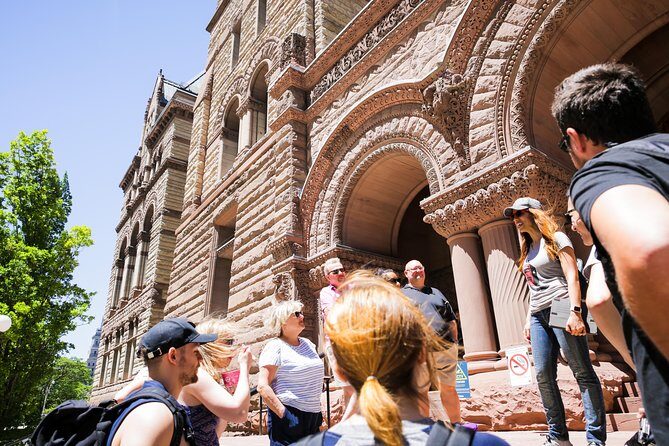
- Tips-based format: pay what you feel it was worth at the end
- Old City Hall to St. Lawrence Market route: a clean, logical afternoon loop
- Free admission stops: you’re paying for stories and context, not tickets
- Victorian-era architecture on full display: churches and civic buildings with real stories attached
- Small group feel (max 30): easier to keep track and ask questions
- Guide interaction: many guides are praised for answering questions and staying upbeat
Why This Walk Works as an Old Town Toronto Starter
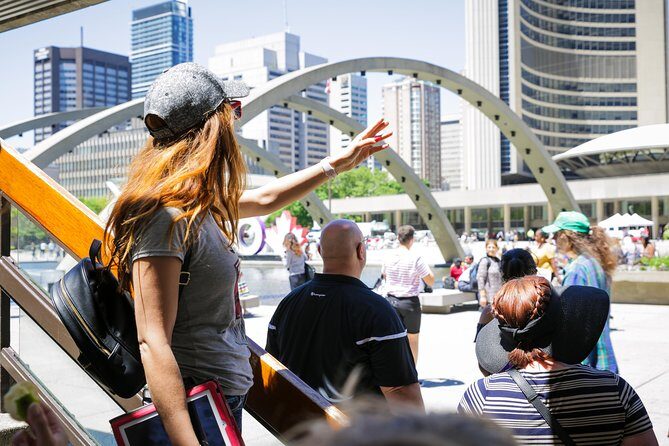
This is the kind of tour that helps you place Toronto in your head. Instead of treating the downtown core like a random cluster of streets, you learn how the city formed, shifted, and rebuilt itself as new needs and power centers took over.
And because it’s on foot, you notice details you’d normally miss—brickwork styles, church silhouettes, and the way civic buildings signal ambition. The route also threads together a big theme: Toronto went from a small military town (linked to Fort York) to a bustling metropolis, and the guide explains how that shift shaped neighborhoods, institutions, and even the city’s “public face.”
You’ll also get the darker storytelling angle. The tour’s not all “pretty building, nice view.” Expect stories that range from violent incidents to public health scares like plagues—presented in a way that feels like history, not a horror show.
You can also read our reviews of more walking tours in Toronto


Old City Hall Meeting Point: Where the Story Gets Political (Fast)
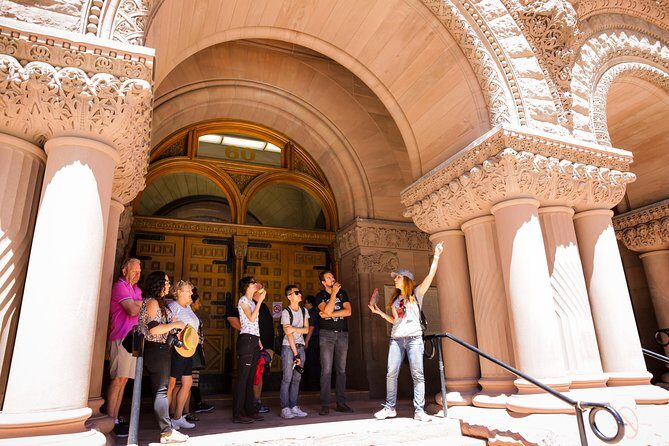
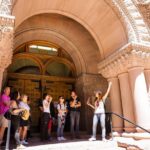
You meet at Old City Hall (60 Queen St W) and that’s a smart starting move. Old City Hall is one of those places that looks official before you even hear a word from the guide. The tour uses it as a baseline for Toronto’s Victorian-era civic ambitions—why the city needed a larger administration building and what that meant for its identity as it grew.
If you’re visiting for the first time, this stop helps you understand what you’re seeing as you walk. You start to notice the “power institutions” behind the architecture: government, churches, and markets, all shaping everyday life.
There’s also a practical angle. Meeting at Old City Hall puts you right in the middle of transit-friendly downtown, so it’s easier to combine this with other plans afterward. One guide-focused detail you’ll probably appreciate: guides are praised for making connections between spots, including linking Old City Hall with other famous Toronto landmarks like Casa Loma.
Stop 2: Holy Trinity Church and the Vanishing of St. John’s Ward
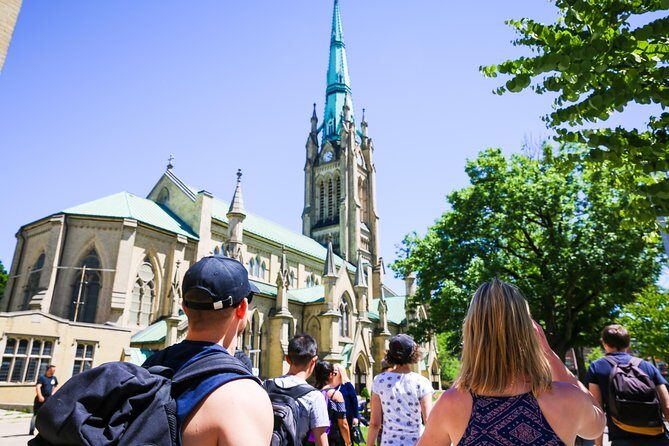
From Old City Hall, the tour heads toward Holy Trinity Church (completed in 1847). This church was built to serve poor residents of St John’s Ward, a slum that grew around the city of Toronto. Later, the area was demolished piece by piece, and that’s where the story gets real.
What I like about this stop is the contrast. The building is old and physically “present,” but the neighborhood it served is mostly gone. The guide uses that to explain how cities can erase parts of their own social fabric while claiming progress.
It also gives you a better read on downtown now. Toronto’s core looks polished, but this stop reminds you that the ground level used to include severe poverty and cramped living conditions. The tour frames it in human terms, not just dates and architecture.
The “Times Square” Moment: LED Screens, Buskers, and Street Noise
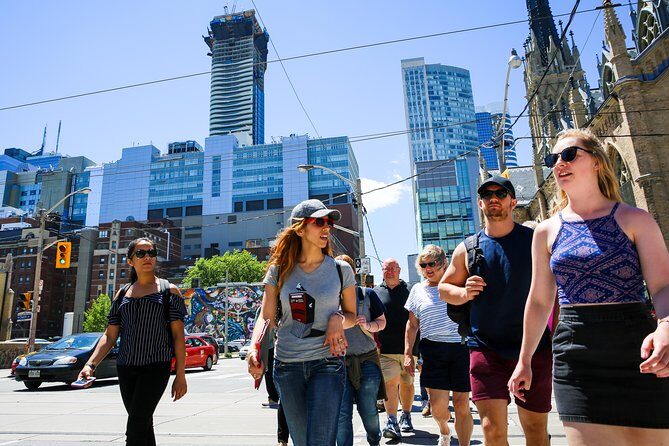
Next, you’ll hit the commercial core—the part that feels like the Times Square of Toronto, with big LED screens and billboards. It’s also a high-activity zone with buskers and hawkers moving through the space.
This stop can be the most “different” on the route, because it changes the tone. You go from old brick and church walls to a street scene that’s loud, modern, and moving. That contrast is useful. You’re not just learning the past; you’re watching the present sit on top of older layers.
One practical note: downtown construction and city noise can make listening harder. At least one guide was specifically praised for handling serious noise challenges while still keeping the group together and making the talk audible. So if you tend to struggle in loud spaces, consider bringing a bit of patience—and maybe headphones aren’t a bad idea, depending on your personal comfort.
Mackenzie House: Old Home, First Mayor, and a Ghost Story Bonus
The tour includes Mackenzie House, home of Toronto’s first mayor. It’s also described as one of the oldest standing houses in the area. The story here isn’t just architectural; it’s about how the city’s early political leadership connects to the neighborhoods that formed around the municipal center.
There’s also a fun angle. The home has a reputation, with some people believing it’s haunted. Whether you go full spooky or just enjoy it as local lore, that kind of detail is what makes history memorable instead of forgettable.
One additional detail that’s come up in tour descriptions is the chance to see a printing press at work during the walk. Since that type of stop detail can vary by guide and timing, treat it as a bonus if it’s part of your specific route.
You can also read our reviews of more historical tours in Toronto




St. James Cathedral: Anglican Power and Rebuild After Fire
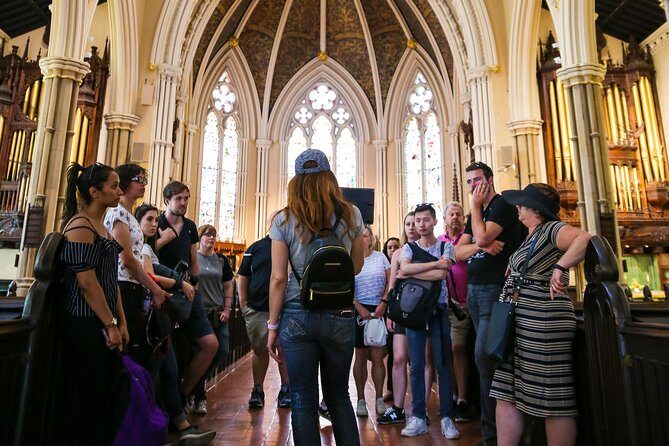
Another major architectural stop is The Cathedral Church of St. James. This is tied to spiritual life for the rich and powerful in Toronto 100+ years ago. The current building was completed in 1853, after a massive fire.
This is a great stop for two reasons. First, it shows you how religious institutions were intertwined with social status and power. Second, the rebuild-after-fire angle turns the cathedral into a story of survival and change, not just a static photo-op.
If you like architecture but hate only-looking-at-facades, this stop gives you something to chew on. You’re learning why the building matters in Toronto’s power structure—and how disasters and rebuilding shaped what people built next.
St. Lawrence Market Finish: Lunch Plan Built Into the Tour
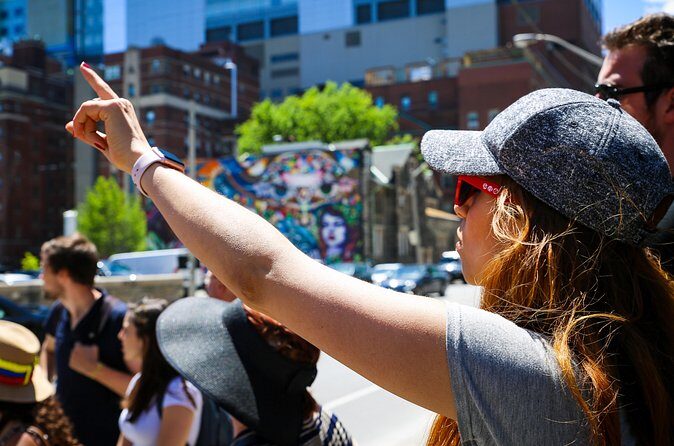
The walk ends at St. Lawrence Market, and that’s a smart finish because it turns history into a practical next step: lunch. The market is often described as one of the best in the world, and the tour frames it as a must-visit when you’re in Old Town.
Timing matters here. St. Lawrence Market is open Tuesdays to Saturdays and closed on Mondays and civic holidays. So if you’re planning a Monday trip, don’t count on the market as your immediate reward—pick another food plan.
Also, your guide typically shares recommendations of where to eat once you arrive. That helps a lot, because markets can overwhelm you if you’re hungry and unsure where to start. I like finishing at a place that’s already designed for variety—so you can choose what fits your appetite and budget.
Price and Tips: What $4.45 Really Means for Value
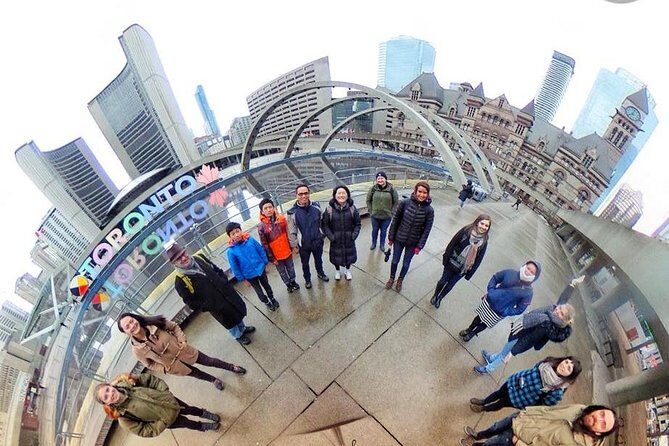
On paper, the price—$4.45 per person—looks almost too low for a 90-minute walking tour. Here’s how I’d think about value.
You’re paying a small upfront amount for the structure: a guide, the route, and the planned stops. The tour being tips-based is the real indicator of how it works in practice. You decide the final worth at the end, so if the guide gives you strong storytelling and you enjoy the pace, you can tip accordingly.
What makes this especially good value is that most stops have free admission. You’re not paying for entry fees at churches, houses, or civic buildings. You’re paying for interpretation—turning those places into a story about Toronto’s transformation.
If you’re trying to see Old Town without burning your budget, this is one of those “pay little, learn a lot” setups. If you hate walking or you dislike history that includes darker events like murders or plagues, you might feel less satisfied—because the tour leans into the full slice of Toronto’s past.
Itinerary Flow: How the Stops Build a Complete Picture
The route is basically a chain of “Toronto roles” over time:
- Civic power (Old City Hall) sets up the city’s growth mindset.
- Social hardship and erasure (Holy Trinity / St John’s Ward) adds the human cost side.
- Commercial present (the LED crossroads) shows how the downtown core now operates.
- Political beginnings (Mackenzie House) anchors leadership in place and time.
- Religious institution and rebuild (St. James Cathedral) explains status and resilience.
- Food reward (St. Lawrence Market) lets you cap it with something practical.
That structure is why the tour feels like more than random photo stops. It builds context step by step, so by the time you reach the market, you’re not just hungry—you also understand how the city’s institutions evolved into what you’re walking through now.
Guides, Tone, and What You Should Expect from the Experience
Guides vary, but the consistent praise points are clear: people describe guides like Mike, Michael, David, Kieran, Michelle, Winnie, and Jennifer as engaging and willing to answer questions. Several comments also mention humor and a positive outlook on Toronto.
So what should you expect in the moment?
You should expect the guide to connect sites with stories instead of reading a script. You’ll likely hear lots of quick facts and then a few bigger threads, like how the city developed around key institutions and how public life changed as Toronto grew.
You should also expect an easy walking pace. One review called it an easy stroll and noted that the time flew by. In other words, it’s built for most people who can handle a city walk of around 90 minutes.
Who Should Book This Tour (and Who Might Skip It)
This tour is ideal if you want:
- A first-visit primer on Old Town Toronto
- A good mix of architecture + story
- A short, practical plan that ends with lunch at St. Lawrence Market
- A tips-based format that lets you match your payment to your satisfaction
You might want to skip or adjust your expectations if:
- You’re expecting only light, surface-level sightseeing. The tour includes darker historical topics like murders and plagues.
- You’re sensitive to loud street conditions. The commercial LED area can be chaotic, and downtown construction can add noise.
- You need a very flexible schedule. The tour leaves on time, and the guide can’t wait.
Should You Book This Old Town Toronto History Walking Tour?
I’d book it if you’re arriving in Toronto and want a fast way to understand the city beyond the skyline shots. The route is short, the stops are free to visit, and finishing at St. Lawrence Market turns the walk into a real afternoon plan.
I’d think twice if your day includes a Monday (because the market is closed) or if punctuality is hard for you. Since it leaves on time and the guide cannot wait, build in extra buffer time to find 60 Queen St W and get lined up before departure.
If you’re the type who likes history with a little bite—stories about how Toronto formed, misbehaved, survived, and rebuilt—this tour is a strong value.
FAQ
How long is the Old Town Toronto History Walking Tour?
It runs for about 1 hour 30 minutes.
Where do I meet, and where does the tour end?
You meet at Toronto Old City Hall, 60 Queen St W, Toronto, ON M5H 2M3. The tour ends at St. Lawrence Market in Toronto, ON M5E 1C3.
Is this a tips-based tour?
Yes. It’s a tips-based format, so you decide at the end how much the experience is worth.
Do I need to print a ticket?
No. You’ll have a mobile ticket.
Will St. Lawrence Market be open when the tour ends?
St. Lawrence Market is open Tuesdays to Saturdays. It’s closed on Mondays and civic holidays, so check your tour day before counting on lunch there.
What happens if I’m late to the meeting point?
The tour leaves on time, and the guide cannot wait if you’re late.
Can I get a full refund if I cancel?
Yes. You can cancel for a full refund if you cancel at least 24 hours before the experience’s start time.