REVIEW · VANCOUVER ISLAND
Then & Now Walking Tour
Book on Viator →Operated by Victoria Tours · Bookable on Viator
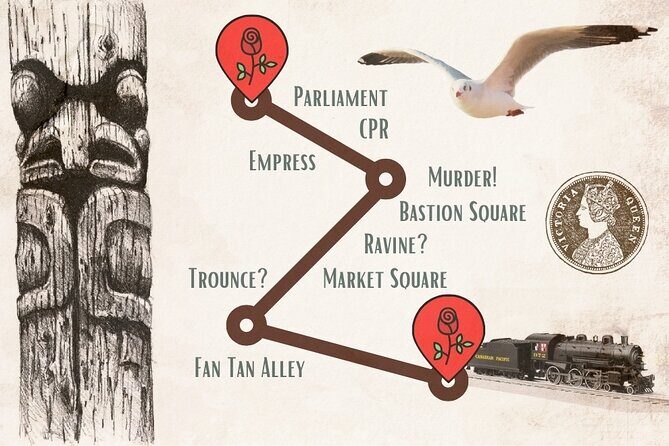
Victoria makes more sense on foot. The Then & Now Walking Tour threads together six downtown stops so you get the story behind the buildings, alleys, and street layout, not just a photo op. I especially like the story-first guidance and the fact that the key stops use free admission tickets, which keeps the whole outing feeling like real value. One caution: it’s a weather-dependent walk, so plan for the West Coast and bring hydration.
You start at 698 Government St at 9:30 am and finish around Chinatown near the Gate of Harmonious Interest (or wherever you prefer to end). It’s a small-group experience (max 20), and it’s paced for most visitors, with pickup offered. If you hate guessing what to do next in a new city, this kind of guided route can save you hours.
In This Review
- Key Things To Know Before You Go
- Why This Then & Now Route Works for First-Time Victoria
- Stop 1: IMAX Victoria at the Royal BC Museum Grounds
- Stop 2: The Empress Hotel and Architect-Led Storytelling
- Stop 3: Trounce Alley, Morse Code, Shops, and an Old-School Arcade
- Stop 4: Market Square Ravine and the European-Chinese Divide
- Stop 5: Bastion Square—Courthouse, Jailhouse, Law Offices, and Hangings
- Stop 6: Fan Tan Alley—Opium, Gambling, and Chinatown’s Long Shadow
- Group Size, Guide Style, and What You Can Ask
- Price and Value: What $220.32 Buys You
- Timing, Meeting Points, and How the Route Ends
- What to Bring for West Coast Walking Comfort
- Should You Book the Then & Now Walking Tour?
- FAQ
- How long is the Then & Now Walking Tour in Victoria?
- What is the price per person?
- What time does the tour start?
- Where does the tour start and end?
- Is pickup available?
- What language is the tour conducted in?
- Are admission tickets included for the stops?
- Is there a limit on group size?
- Are minors included for free?
- Do I need to bring anything?
- Can I cancel if the weather is bad?
Key Things To Know Before You Go
- Six stops, mostly free-entry highlights that keep your time focused on interpretation, not ticket lines
- A tight downtown route that ends in Chinatown, where Victoria’s older layers really show
- Alley stories with real consequences, from Morse code to opium and gambling
- Small group size up to 20 people, which helps the guide keep track of questions
- A guide-led orientation for first-timers, including practical recommendations after the walk
- Bring hydration and dress for weather, because the tour runs as a walk
Why This Then & Now Route Works for First-Time Victoria
This isn’t a tour where the guide rattles off facts from a distance. It’s a walk designed to help you build a mental map of Victoria. Each stop answers a simple question: what did this place do, who used it, and why does it matter now?
You’ll also notice the tour’s clever theme: then and now means you’re not only seeing architecture. You’re connecting old land divisions, laws, and backstreet economies to how the area functions today. That’s why the route starts with museum grounds and classic landmark grandeur, then gradually shifts toward the darker, messier alley history.
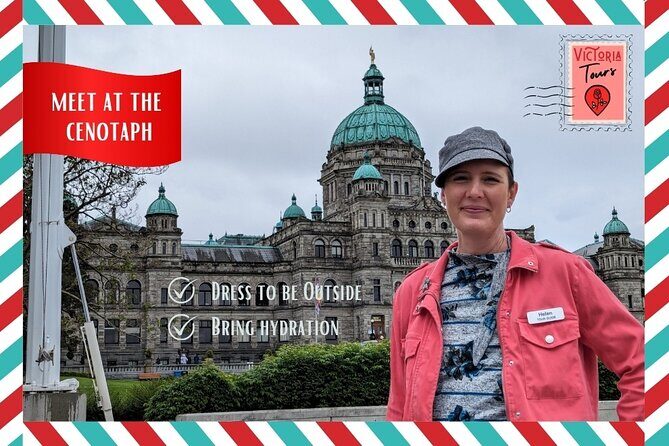
If you like tours that feel like a local conversation—where you can ask what to do next—this one fits. Guides such as Helen and Claire are known for storytelling that lands, including playful improv and practical suggestions afterward (food, shopping, entertainment). Even if you only have a day or two in town, you’ll leave with a direction.
You can also read our reviews of more walking tours in Vancouver Island

Stop 1: IMAX Victoria at the Royal BC Museum Grounds
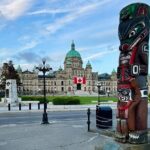
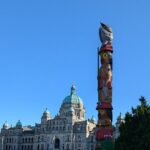
Your first stop is IMAX Victoria in the Royal BC Museum, with time set aside for the nearby Totem poles, Thunderbird Park, and the Ceremonial House. This is a smart opener because you’re grounded immediately in place and symbolism, not just colonial-era dates.
What to pay attention to:
- The totem poles and surrounding areas aren’t just decoration. They’re part of how meaning is communicated in Indigenous art and space.
- The Thunderbird Park area helps you see how curated outdoor spaces around the museum support a first impression of the city’s character.
- The Ceremonial House gives you a sense of how museum spaces can frame cultural storytelling.
The practical win here is the timing. You start with an easy-to-understand site (museum complex) before the route gets more specific and story-heavy. And because the admission ticket for this stop is free, you can focus on the guide’s interpretation rather than worrying about additional costs.
Possible drawback: museum grounds can feel more exposed depending on weather, so this is where your clothing choice matters most.
Stop 2: The Empress Hotel and Architect-Led Storytelling
Next you’ll reach The Empress Hotel National Historic Site of Canada. Here the tour leans into the big-picture story: the hotel’s history and the architect behind it.
This stop works well even if you’re not a luxury-hotel person. Why? Because Victoria’s identity is partly built from its showpiece buildings—structures meant to signal status, stability, and arrival. The Empress is one of the city’s strongest signals, and the guide helps you read it like a historical document.
What you’ll get from this portion:
- A clear sense of why the Empress became such a defining landmark
- A better understanding of how architecture can reflect the values of the period it was built in
Because the admission ticket here is also free, this portion stays low-stress. You’re paying for the interpretive walk, not for stacking more tickets on top.
Stop 3: Trounce Alley, Morse Code, Shops, and an Old-School Arcade
Then the tour shifts into something much more playful: Trounce Alley. The guide gives you the reason behind the name—linked to Morse code—and then you’ll explore what makes the alley feel different from the main streets.
This stop is where Victoria’s small-scale character shows. You’ll see:
- Unique shops tucked into the alley fabric
- An old-school arcade vibe that adds contrast to the more formal stops you’ve already seen
Why it matters: Trounce Alley helps you understand how entertainment and commerce developed in close quarters. It’s not just cute branding—it’s part of the city’s pattern of using tight spaces for businesses and culture.
Tip for your photo brain: don’t just shoot the doorway. Look for the signage and small details the guide points out, because that’s usually where the story lives.
Stop 4: Market Square Ravine and the European-Chinese Divide
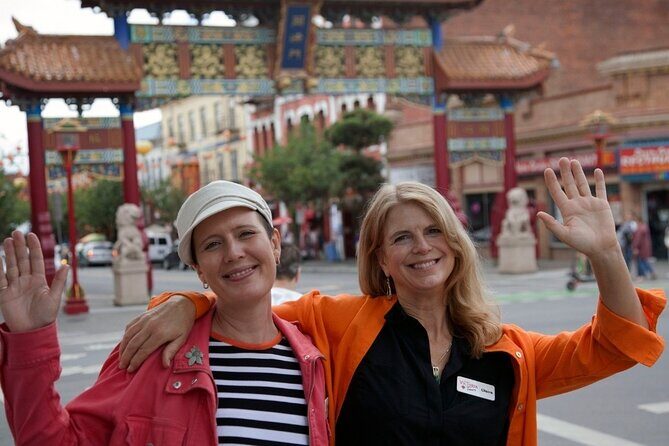
At Market Square, you’ll hear about the ravine—and how it acted as a dividing line between European and Chinese colonists. This is one of those stops that changes how you read the city. Suddenly, streets and blocks aren’t random; they reflect a history of separation, access, and social power.
This is also where the tour earns its then-and-now label. Even today, downtown city edges can carry history in their shape and layout. The guide helps you connect:
- The physical geography (that ravine)
- The social geography (who lived where and why)
What to consider: this portion is more reflective than the alley stops. If you prefer very light storytelling, you may want to pace yourself here and take a breath before moving on.





Stop 5: Bastion Square—Courthouse, Jailhouse, Law Offices, and Hangings
From Market Square you head to Bastion Square, where the tour centers on the legal and penal side of the city. You’ll cover places like the courthouse, jailhouse, law offices, and even stories connected to hangings.
This stop works best if you can handle a bit of intensity. The upside is clarity: you start to see how order, punishment, and authority played out in real locations. The guide ties it together so it isn’t just names of buildings—it’s the lived reality of enforcement.
What you’ll get:
- A sense of how law was physically represented in downtown Victoria
- Stories of scandal and intrigue that help explain why these buildings still matter
Practical consideration: since you’re moving through historic sites, keep an eye on your footing and be mindful of where sidewalks narrow.
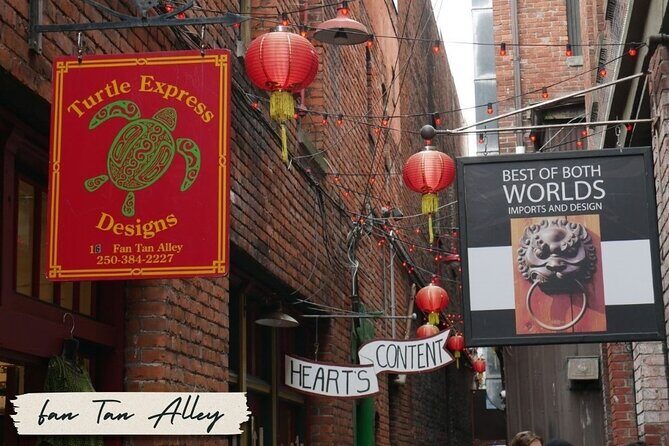
Stop 6: Fan Tan Alley—Opium, Gambling, and Chinatown’s Long Shadow
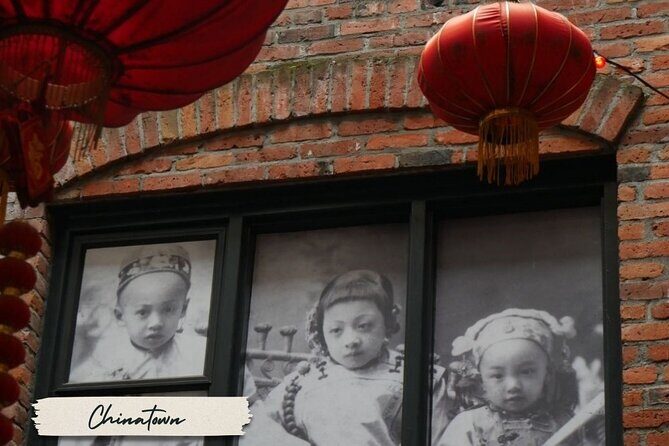
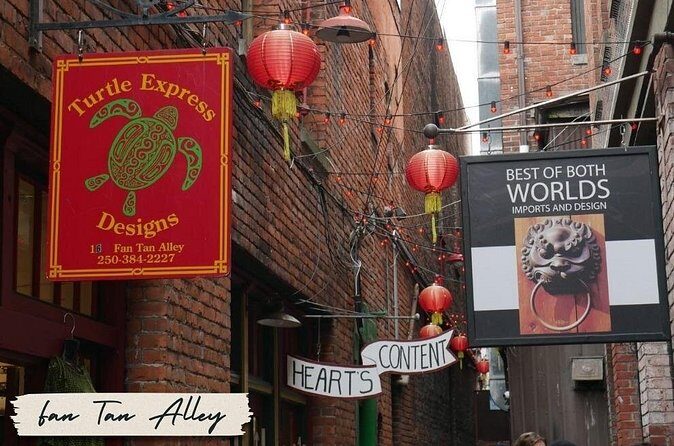
The final stop is Fan Tan Alley, and this is the one that hits hardest thematically. The tour talks about opium and gambling, tied to the fact that Chinatown here has history described as North America’s second oldest.
Why this stop is so important: it expands the idea of Victoria beyond the postcard. You’re seeing how immigration communities, vice economies, and exclusionary realities shaped the city’s underbelly.
Fan Tan Alley also functions as a closing act because it blends story with atmosphere. You’re finishing in Chinatown, which means the tour’s theme lands where Victoria’s oldest layers still feel active.
If you’re worried about being overly uncomfortable, it’s still a guided walk with context, and the guide usually helps you place what you’re hearing into the broader setting of the city.
Group Size, Guide Style, and What You Can Ask
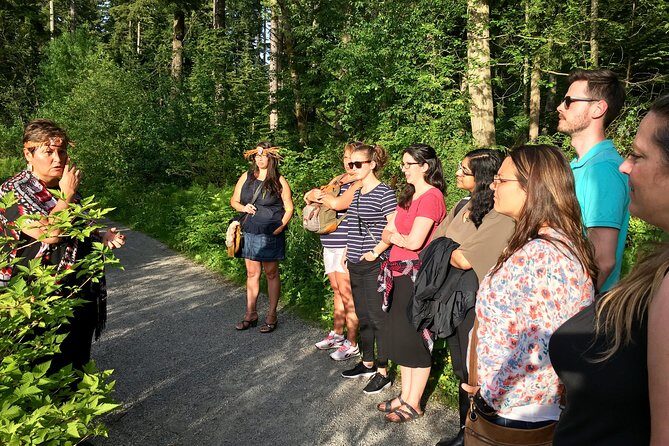
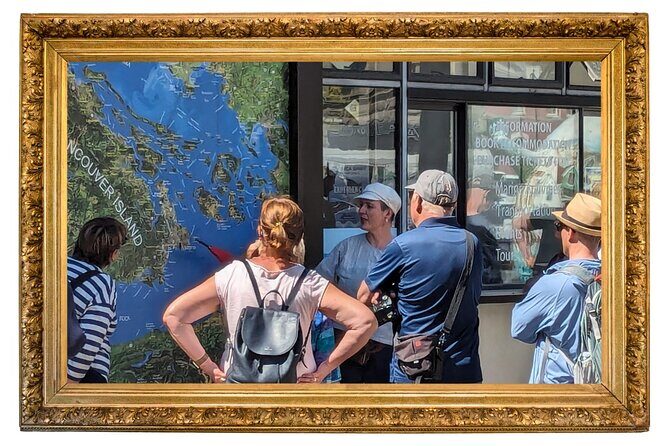
The tour caps at 20 travelers, which matters more than it sounds. With a smaller group, you’re more likely to get direct answers. You can also hear the story without having to crane your neck through a crowd.
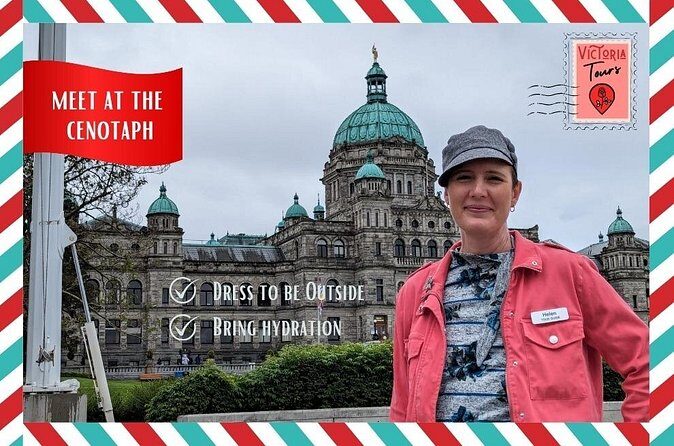
Guide style is a major part of the value here. Names like Helen show up for a reason: she’s described as friendly, funny, and a strong storyteller, with the ability to use light improv to make a point land. Another guide mentioned, Claire, is praised for sharing fun facts that don’t show up in the typical guidebook version of Victoria.
Here’s a simple way to use the tour beyond the tour:
- Ask where to eat after you leave the walk. A good guide can narrow you to a couple great options quickly.
- Ask what to shop for, if that’s your thing, because Chinatown and downtown have different strengths.
- If you’re short on time, ask what area to explore next—your walk ends near Chinatown, so you’ll likely want a plan for after.
Also, you’re not left out if you travel with a dog. One guide-led outing included a dog, and the broader policy includes service animals allowed.
Price and Value: What $220.32 Buys You
At $220.32 per person, this isn’t a budget walking tour. So the real question is value.
The good news: the structure is built to justify that price.
- You get a guided walk experience in Victoria that covers multiple major downtown zones.
- The stops are supported by free admission tickets, so you’re not paying additional entry fees at each landmark.
- The outing runs about 2 to 2.5 hours, which is long enough for real storytelling but short enough to still enjoy the rest of your day.
Also, kids 16 and under are free of charge, which can significantly improve the math for families.
Where the price might not fit:
- If you mainly want a self-guided stroll with no interpretation, you could replicate much of this route on your own.
- If you don’t enjoy darker historical topics (laws, punishments, opium/gambling), you might feel the tour is steering where you wouldn’t go on your own.
But if you want someone to connect the dots between architecture, street layout, and the human stories that shaped downtown Victoria, this is the kind of experience where paying for a guide often makes the day feel sharper.
Timing, Meeting Points, and How the Route Ends
The tour starts at 9:30 am. Your meeting point is 698 Government St, Victoria, BC V8V 2L8, Canada. The end point is 568 Fisgard St, Victoria, BC V8W 1R4, Canada, which places you in/near Chinatown, close to the Gate of Harmonious Interest.
Pickup is offered, which can be a big help if you’re staying outside downtown. The tour is also listed as near public transportation, so you’re not locked into one arrival method.
Most travelers can participate, but remember: it’s still a walk. You’ll want comfortable shoes and an attitude toward weather.
What to Bring for West Coast Walking Comfort
This outing requires good weather, and it’s a walk that includes outdoor parts and historic stops. The operator asks you to:
- Bring your own hydration
- Dress for the weather
That’s not just small talk. If the wind kicks up or rain starts, your ability to enjoy the stories without rushing through them depends on being comfortable. I’d think about a light rain layer even when the forecast looks kind.
If you’re prone to getting cold, start the tour prepared—because the museum-area start can feel a bit cooler, and then you’ll move along streets and alleyways.
Should You Book the Then & Now Walking Tour?
Book it if you:
- Want a strong orientation for downtown Victoria that helps you keep exploring after the tour ends
- Like guides who tell stories with personality and can connect past to present
- Don’t mind learning about the harder edges of history, including law, punishment, opium, and gambling
- Have a first visit and want your time to feel purposeful
Skip it or consider another option if you:
- Want only light, scenic sightseeing with minimal historical context
- Get uncomfortable in rain or wind and don’t plan accordingly
- Prefer fully self-guided travel where you control every stop without a timed route
If you do book it, treat it like the spine of your day: arrive ready for walking, ask your guide for what to do next, and use Chinatown as your natural finish line.
FAQ
How long is the Then & Now Walking Tour in Victoria?
The tour runs about 2 hours to 2 hours 30 minutes.
What is the price per person?
The price is $220.32 per person.
What time does the tour start?
The start time is 9:30 am.
Where does the tour start and end?
It starts at 698 Government St, Victoria, BC V8V 2L8, Canada and ends at 568 Fisgard St, Victoria, BC V8W 1R4, Canada near the Gate of Harmonious Interest.
Is pickup available?
Pickup is offered.
What language is the tour conducted in?
The tour is offered in English.
Are admission tickets included for the stops?
The listed stops include free admission tickets (the tour indicates admission tickets are free for the stops shown).
Is there a limit on group size?
Yes. The tour has a maximum of 20 travelers.
Are minors included for free?
Minors 16 years old and under are free of charge.
Do I need to bring anything?
You should bring your own hydration and dress for the weather.
Can I cancel if the weather is bad?
The experience requires good weather, and if it’s canceled due to poor weather you’ll be offered a different date or a full refund.