REVIEW · VANCOUVER ISLAND
Victoria Sunset Whale-Watching Cruise
Book on Viator →Operated by Eagle Wing Whale Watching Tours · Bookable on Viator
Victoria’s sunset whale cruise is one of those plans that sounds simple until you’re out there. You’re watching the sun drop over the Salish Sea, then rolling back into Victoria’s harbor lights while a naturalist points out what’s happening beneath the surface.
What I like most is the combo of comfort and speed: you get a smooth ride on fast boats, plus a whole stack of cold-weather protection so you’re not miserable before the whales show up. I also appreciate the guarantee-style promise in how they run the experience—if you don’t find whales on your trip, you can come back for free.
The main thing to consider is that this is a 3-hour outing on open water, so wind chill is real (even in summer), and motion can bother some people. Dress for cold, and if you’re prone to seasickness, plan ahead.
In This Review
- Key Highlights Worth Prioritizing
- Where the Cruise Starts: Dallas Road and the Sunset Setup
- Boat Reality Check: Open Scarabs vs Semi-Covered Catamarans
- Dressing Like You Actually Mean It: Included Cold-Weather Gear
- Wildlife Viewing with a Certified Naturalist: What You’ll Learn While You Look
- How the 3-Hour Timeline Feels: From Open Water to Harbor Lights
- Price and Value: Why $138 Can Make Sense (and When It Might Not)
- Who This Tour Fits Best (and Who Should Pick the Semi-Covered Vessel)
- Should You Book This Victoria Sunset Whale Cruise?
- FAQ
- How long is the Victoria Sunset Whale-Watching Cruise?
- Where does the tour start?
- What language is the tour offered in?
- What’s included in the ticket price?
- Are food and drinks included?
- Do you provide cold-weather gear?
- Is there a restroom on board?
- What types of boats do they use?
- What if whales aren’t seen on the trip?
- Is there a limit on group size?
Key Highlights Worth Prioritizing
- Cold-weather gear included (jacket, blanket, gloves, toque) so you can focus on spotting wildlife
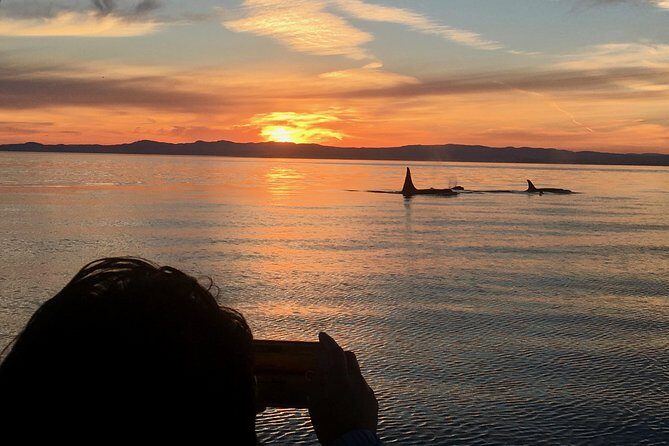
- Sunset timing: whales out on the water, then Victoria’s harbor lights during the return
- Certified naturalist + live commentary that turns sightings into real context
- High-performance boats with onboard restrooms for a faster search and easier comfort
- Guaranteed whales feel: if you don’t see whales, you come back for free
- Smaller group size with a maximum of 50 travelers
Where the Cruise Starts: Dallas Road and the Sunset Setup
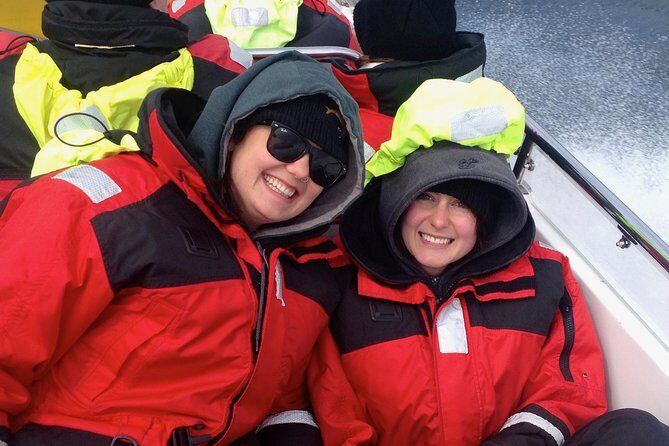
The experience begins at 1 Dallas Rd in Victoria. That matters more than you might think, because Dallas Road is right in the action: you’re close to the waterfront and you’re not burning time on long transfers before you even reach open water.
The tour is built around a short window of perfect conditions—late-day light and the cooler Pacific air that often makes people bundle up and start scanning the horizon. Expect the cruise to run about 3 hours (approx.), with the ride structured around getting you out for wildlife viewing and then back in time for the sunset vibe.
You’ll also want to keep your expectations honest: no operator can manufacture whales. What they can do—and this tour is strong at it—is keep the search moving, put you in good viewing positions, and use onboard interpretation to help you understand what you’re seeing.
You can also read our reviews of more boat tours in Vancouver Island
Boat Reality Check: Open Scarabs vs Semi-Covered Catamarans
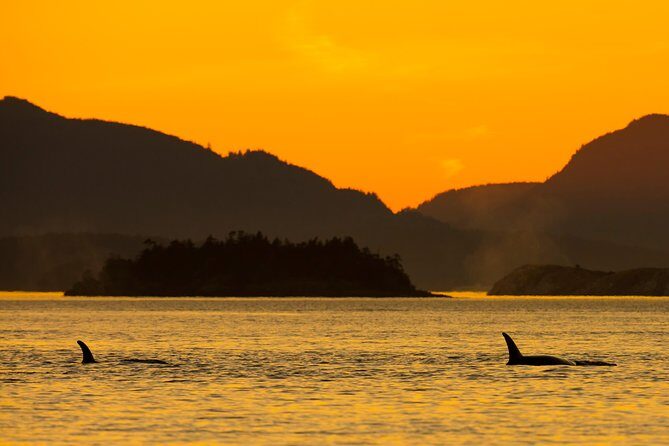
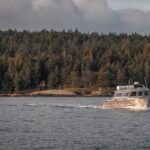
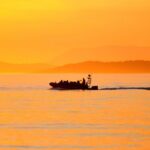
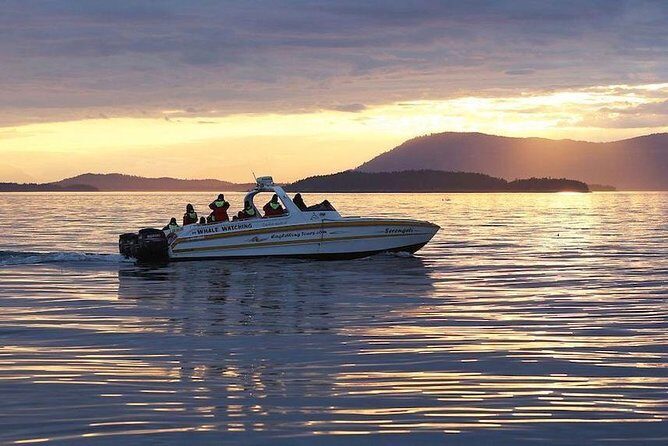
This is not a “stare at the water slowly” kind of whale watch. The tour runs on custom, high-performance vessels—either open “Scarab style” boats or a semi-covered catamaran option.
Here’s why that’s a big deal for you:
- If you’re on the Open Scarab-style boat, you should get a fast, smooth ride that helps maximize your time on the water. A few people specifically mention how smooth and speedy it feels, and how the boat can reach whale areas efficiently.
- If you choose the semi-covered catamaran, you’ll likely feel more protected from wind. This option is also recommended for expectant mothers and people with pre-existing health or medical conditions, which tells you the operator is thinking about comfort and safety—not just speed.
All vessels in the fleet have onboard restrooms. That’s one of those details that sounds minor until you’re out for a couple hours and you’re grateful you don’t have to time your photos around bladder math.
If you’re easily chilled, the open-deck option can still be very doable because they supply warm gear—but you should still respect that ocean air cools fast once the sun drops.
Dressing Like You Actually Mean It: Included Cold-Weather Gear
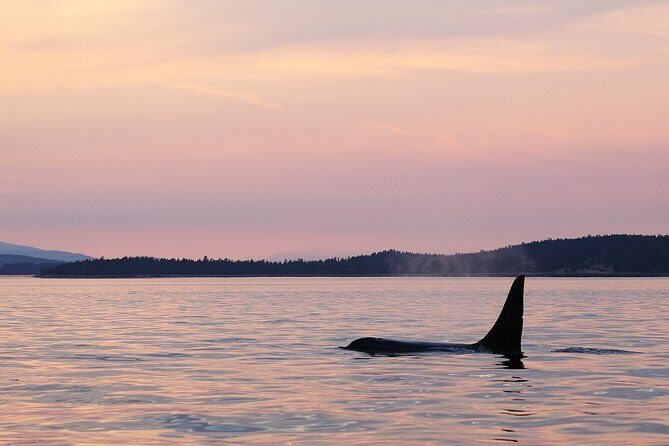
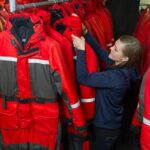
This tour does something smart: it removes guesswork. You’re provided with complimentary gear that directly matches the conditions you’ll face on a Pacific evening. That includes jackets, blankets, gloves, toques (beanies), sunglasses, and sunscreen.
Translation: you can show up without packing a full winter kit, and you can keep your hands warm enough for spotting and snapping photos. It also means you’ll enjoy the ride instead of spending the cruise fighting the cold.
One practical tip: bring a hat or layer if you tend to get cold, even with the provided toque—comfort is personal. And if you’ve ever felt queasy on boats, consider bringing seasickness help. Some people on similar outings recommend planning for it even if it’s never been a big issue before.
Wildlife Viewing with a Certified Naturalist: What You’ll Learn While You Look
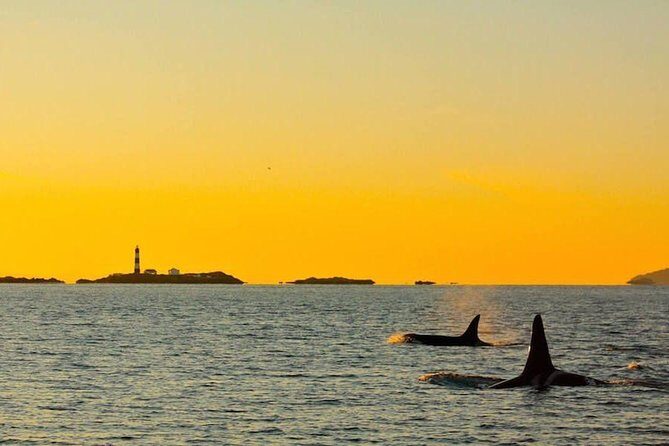
Your trip includes a live onboard talk from a local guide and a certified naturalist, plus real-time commentary. This turns whale watching from “look for spouts” into something more grounded: you learn what behavior likely means, what to watch for next, and how the animals fit into the region.
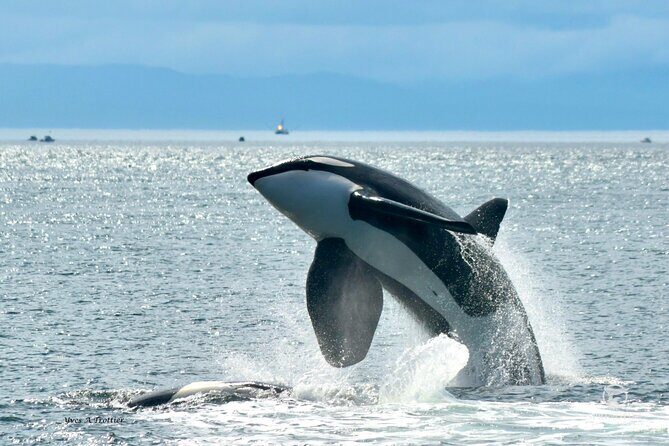
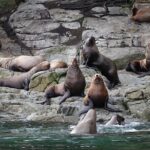
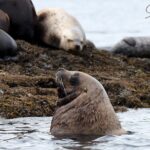
In the field, the big targets are often orcas and humpbacks, and you’re also likely to see other wildlife. Past outings include sightings such as sea lions, seals, an otter, birds, and even a bald eagle. That’s a big reason this tour appeals beyond pure whale fixation—you’re not just waiting for one animal.
Also pay attention to how the crew works the boat position. People describe captains adjusting gently to improve angles as whales surface. That’s not just nice customer service; it affects what you can actually see, especially with fast-moving groups like killer whales.
If you’re into conservation, you might appreciate that the operator is described as carbon neutral and connected to whale preservation efforts. Even if you’re not a policy person, it’s reassuring to see the business thinking about impact.
How the 3-Hour Timeline Feels: From Open Water to Harbor Lights
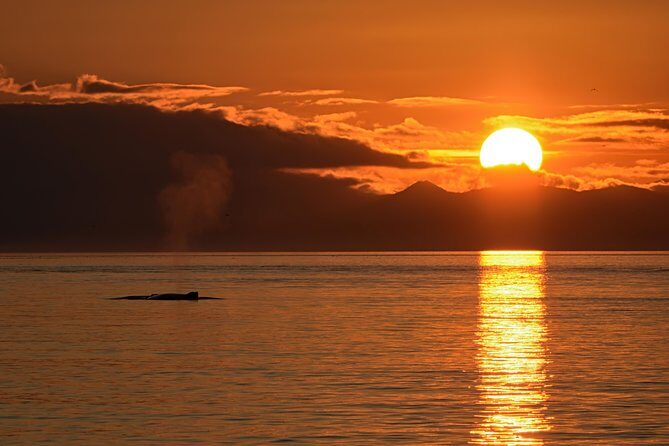
This cruise is built as a “sunset arc,” meaning the emotional payoff comes in stages.
First, you head out from Victoria and settle into search mode. Because the boats are high-performance, the crew can cover more water efficiently, which helps reduce the long stretches where everyone stares at nothing but waves.
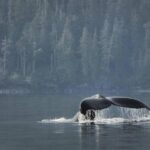
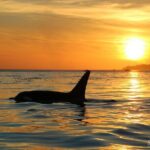
Next comes the wildlife viewing portion—when you’ll slow down mentally and start reading the ocean. Orcas often bring the most energy, because when they surface and swim close to the boat, everyone feels like the day just clicked into place. Humpbacks and other wildlife add variety, so it doesn’t feel like you’re only hunting one species.
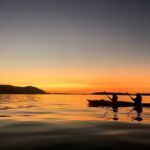
Then the return to harbor is where this tour becomes more than just a wildlife outing. The sun sets over the water first, and then you cruise back into Victoria’s harbor lights. It’s a change of scenery that gives your brain a rest: you go from scan-and-wait to enjoy-the-moment.
A fun extra detail: one group noted music (Phil Collins) on the way back. It’s not something you should count on every time, but it fits the general vibe—friendly crew, good atmosphere, and an easy ending to the trip.
You can also read our reviews of more evening experiences in Vancouver Island
Price and Value: Why $138 Can Make Sense (and When It Might Not)
The price is $138.00 per person for about 3 hours. For a sunset whale watch that includes a naturalist, live commentary, and provided cold-weather gear, that’s in line with what you’d expect for a premium local marine experience.
Here’s the value math that matters:
- You’re not paying separately for essential comfort items. The tour includes jackets, blankets, gloves, toque, sunglasses, and sunscreen. That’s real savings if you don’t want to buy or borrow gear.
- The wildlife fee, GST, and fuel surcharge are included in the listed price. That keeps the bill from getting padded with add-ons at the end.
- The boat has onboard restrooms, and the vessels are fast enough that the crew can focus on wildlife time rather than long dead stretches.
What’s not included is food and drinks. So if you get hungry, plan snacks beforehand. A sunset cruise is short, and many people come straight after sightseeing or dinner plans—so don’t assume you’ll find food onboard.
Is $138 a steal? It can feel like it when you have strong sightings and a well-run crew. Is it too much if you’re only chasing one specific animal? Maybe. If you’re the type who wants guaranteed entertainment regardless of wildlife, you may be happier with a more general scenic cruise. The good news here is that the experience includes a free return if you don’t find whales, which reduces the biggest “what if” risk.
Who This Tour Fits Best (and Who Should Pick the Semi-Covered Vessel)
This tour works for a wide range of travelers. It’s described as suitable for most travelers, with children welcome as long as they’re accompanied by an adult. Service animals are allowed, and the tour’s near public transportation, which helps if you don’t want to fuss with parking.
Here’s who I think will love it:
- Families: The combination of wildlife, sunset views, and provided gear makes it easier to handle kids who don’t love waiting.
- Couples: The sunset-to-harbor-light arc is romantic without trying too hard.
- Whale-watch first-timers: You get interpretation, not just a chance to look.
- People who like comfort: Restrooms onboard, warm gear, and a smooth ride go a long way.
Who should pay extra attention:
- If you’re pregnant or have pre-existing medical conditions, the operator recommends the larger semi-covered vessels. That’s a clear “make comfort a priority” signal.
- If motion bothers you, consider bringing seasickness support. Even though the rides described are smooth, the ocean is still the ocean.
Should You Book This Victoria Sunset Whale Cruise?
I’d book it if you want a short, high-impact outing with real interpretation and comfort built in. The included warm gear alone makes it a smart choice if you don’t want to plan a clothing strategy for cold Pacific winds. Add in the naturalist-led commentary, the fast boat search, and the sunset harbor-light finale, and you get an experience that feels like more than a standard “whale tour.”
I’d skip or rethink it if you’re extremely weather-sensitive, you don’t handle boats well, or you know you hate cold wind. This type of activity does require good conditions, and you’ll be happier if you’re dressed for the moment.
If you’re flexible, excited to learn, and you’d enjoy seeing more than just whales, this is a great match.
FAQ
How long is the Victoria Sunset Whale-Watching Cruise?
It runs for about 3 hours (approx.), and it ends back at the meeting point.
Where does the tour start?
The meeting point is 1 Dallas Rd, Victoria, BC V8V 0B2, Canada.
What language is the tour offered in?
The tour is offered in English.
What’s included in the ticket price?
Live commentary on board, a local guide, a $5 wildlife fee, GST, and a fuel surcharge are included.
Are food and drinks included?
No. Food and drinks are not included.
Do you provide cold-weather gear?
Yes. You get cold weather gear including jackets, blankets, sunglasses, toques, gloves, and sunscreen.
Is there a restroom on board?
Yes. Washrooms are available on board.
What types of boats do they use?
They use high-performance open Scarab-style boats or semi-covered catamarans.
What if whales aren’t seen on the trip?
If you don’t find whales, you come back for free.
Is there a limit on group size?
Yes. The maximum group size is 50 travelers.