REVIEW · TELEGRAPH COVE
Telegraph Cove: 2-Hour Day or Evening Kayaking Tour
Book on GetYourGuide →Operated by North Island Kayak · Bookable on GetYourGuide
A quiet morning becomes a living shoreline. This 2-hour sea kayaking tour around historic Telegraph Cove turns a simple paddle into a close-up lesson in coastal nature. I like that the focus stays on easy, guided kayaking (no experience needed) and that your guide brings real know-how about what’s living here. One thing to weigh: this is a weather-dependent ocean trip, so wind can change plans even when it looks calm on shore.
You’ll also like the sunset-style wildlife timing, when you have a better shot at seeing bald eagles, seals, bull kelp, fish, and sea stars along the intertidal zones. And yes, the water can feel still enough to make everything look extra sharp—like the coast turns into a wildlife TV screen. A possible drawback: you’ll want to be comfortable on the water for the full 2 hours, since it’s not a short, slow look from a dock.
In This Review
- Key things to know before your Telegraph Cove paddle
- Telegraph Cove by kayak: why this 2 hours feels like more
- Meeting the crew at 24 Boardwalk and getting outfitted
- The first minutes on the water: calm waters and real navigation skills
- Wildlife odds at sunset: what you might see and when
- Paddling through coves and channels: what’s special about the route
- The guide experience: information that actually helps you see more
- What’s included (and what you should add yourself)
- Rules on board: why they matter for safety and wildlife
- Who this tour suits best (and who should skip it)
- Price and value: is $83 worth two hours?
- Weather call: rain or shine, but wind can change things
- The return to shore: how to end with good energy
- Should you book Telegraph Cove 2-Hour Day or Evening Kayaking?
- FAQ
- Where do I meet for the Telegraph Cove kayaking tour?
- How long is the tour?
- Do I need prior kayaking experience?
- What wildlife might I see?
- Does the tour run in bad weather?
- What should I bring?
- What gear is included?
- Is food or drinks included?
- What is not allowed during the tour?
- Who is the tour not suitable for?
Key things to know before your Telegraph Cove paddle
- Beginner-friendly pacing and safety guidance so you get your bearings fast in calm waters
- Seated-on-a-mission wildlife searching, with eagles, seals, and sea life along sheltered channels
- Sunset opportunities that can put you in the right place at the right light for animals
- Quality gear included (kayak, paddles, spray skirts, dry bags) so you don’t show up unprepared
- Rules that protect wildlife, including no touching marine life and no feeding animals
Telegraph Cove by kayak: why this 2 hours feels like more
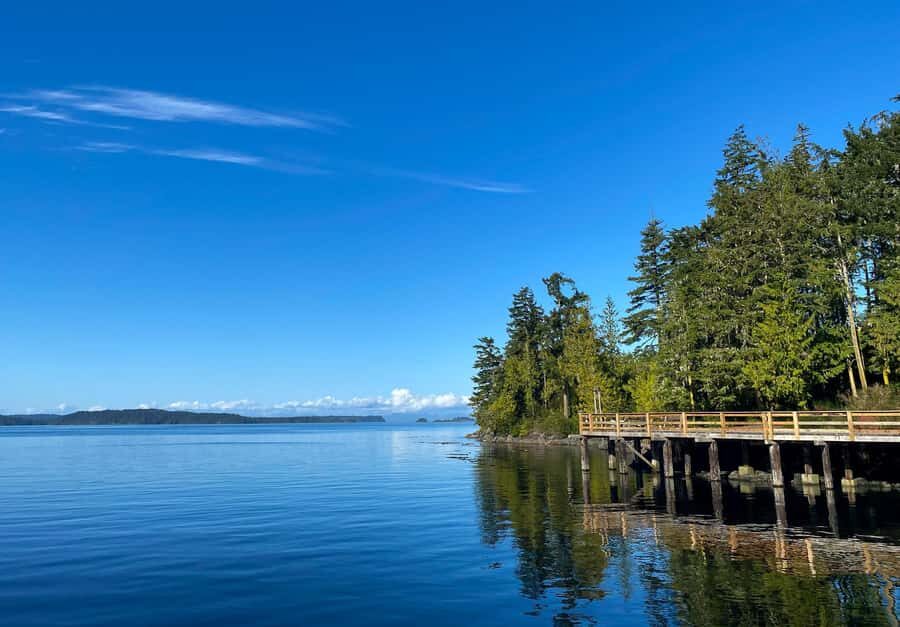
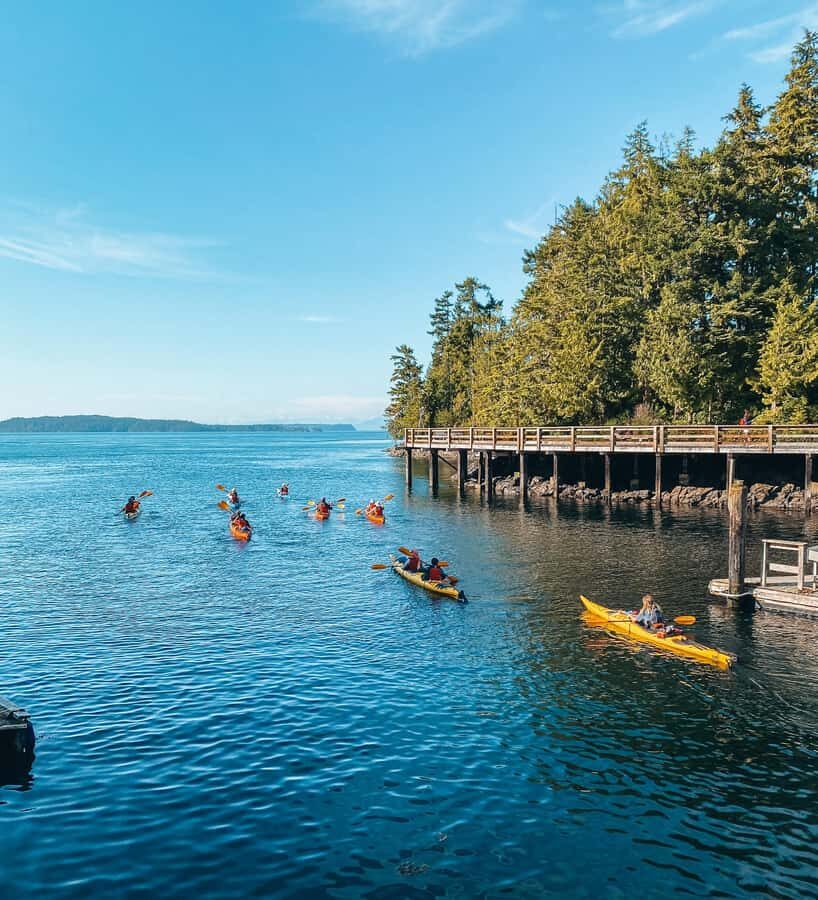
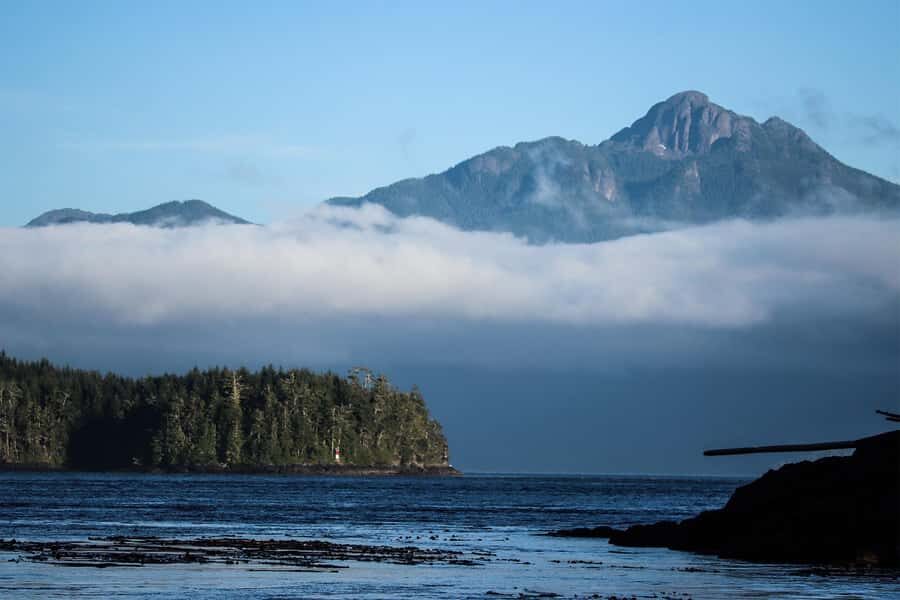
Telegraph Cove is a small coastal village on Vancouver Island’s north side, but it punches above its weight. The area is known for calm stretches of Johnstone Strait and protected waters where you can paddle without fighting waves the whole time. That matters, because it keeps the experience about wildlife and scenery instead of fatigue.
This tour is built around a simple promise: you’ll get on the water with experienced sea kayaking guides and spend time moving through coves and narrow channels. Even if you only paddle for two hours, that’s long enough to get comfortable with the rhythm of the kayak and long enough for animals to show up between your sightings.
You can also read our reviews of more tours and experiences in Telegraph Cove.
Meeting the crew at 24 Boardwalk and getting outfitted
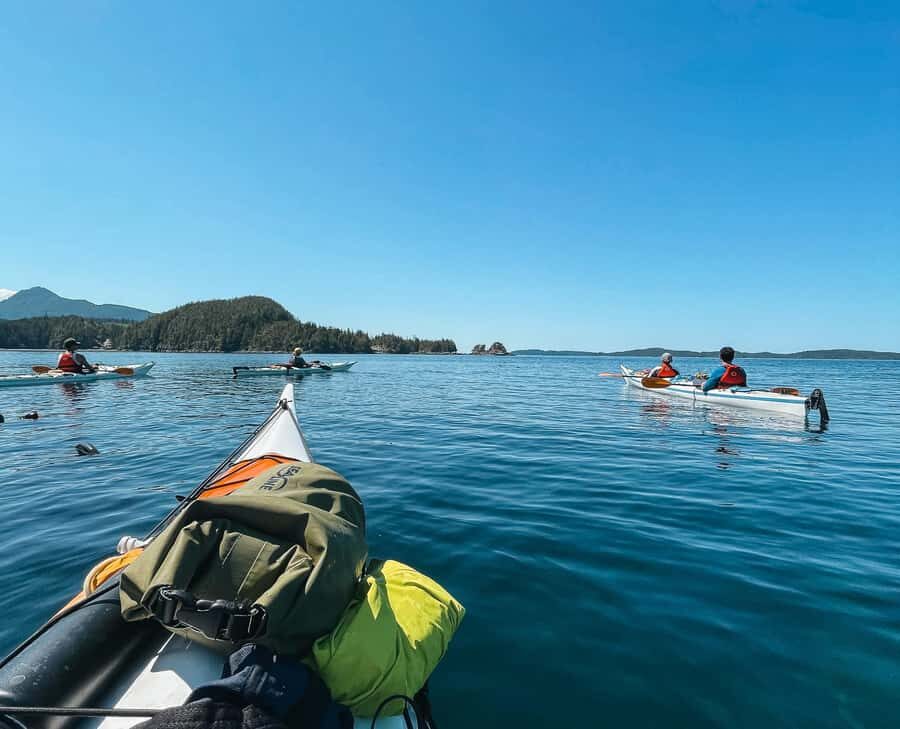
Your adventure starts right at the North Island Kayak base in Telegraph Cove. Plan to arrive about 30 minutes before departure so you can check in, get geared up, and get your safety briefing without rushing.
At the start, your guide will help you feel confident in the kayak. You’ll get the main equipment that makes a big difference outdoors: kayak, paddles, spray skirts, and dry bags. Those items are more than convenience. Spray skirts help manage spray if the water gets a little playful, and dry bags keep essentials safe so you can focus on paddling and spotting wildlife.
You’re also told what to bring. The only requirement listed is water, but I strongly suggest you also come with a snack and something to drink, since you’ll want energy after you work up an appetite on the water.
The first minutes on the water: calm waters and real navigation skills
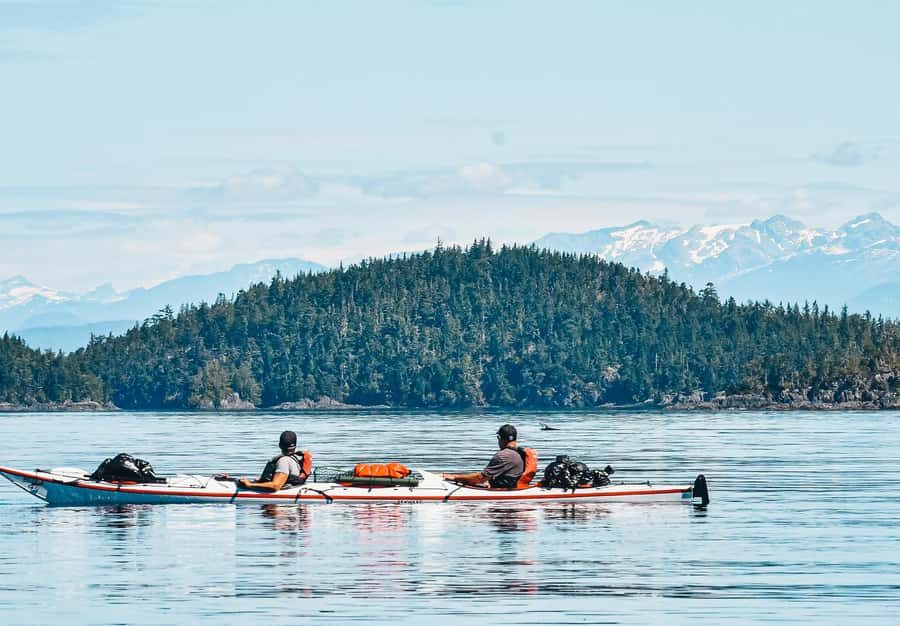
Once you slide away from shore, you’ll see why the guide matters. Even on an easy paddle, ocean timing and small channel differences can change what you feel and what you spot.
The route is described as relaxed and family-friendly, including sheltered coves, narrow channels, and calm stretches of Johnstone Strait. Practically, that means:
- You’re not just going in a straight line. You’ll follow a path where wildlife tends to use the edges of the action.
- You’re not stuck paddling in open water the whole time.
- You get a guided “read” on the shoreline—where to look, what you’re seeing, and what it means.
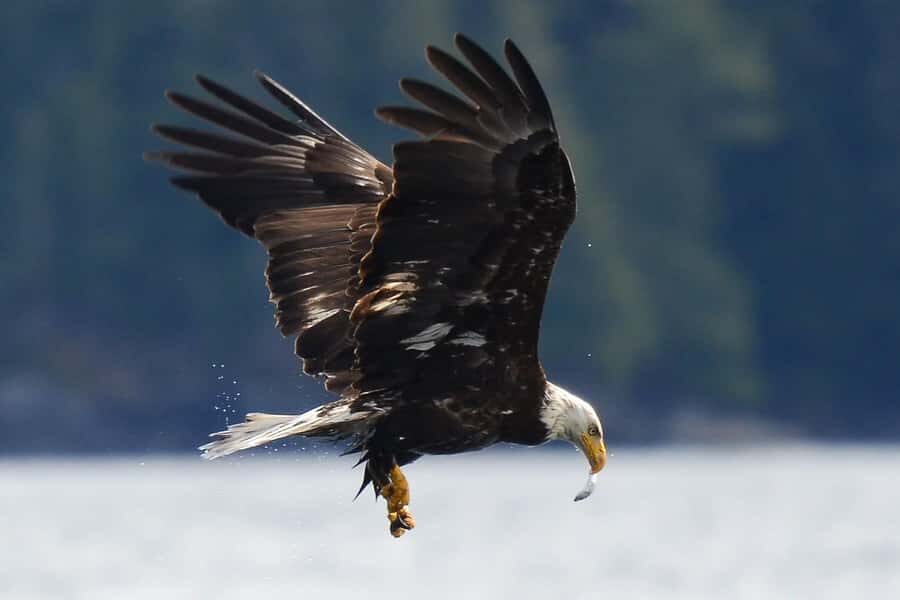
If you’re lucky, you’ll be in the kind of spot where an eagle sits high in the cedars and you can watch it while you paddle slowly enough to notice details. One review specifically thanked a guide named Bree, which is a nice sign you may get a guide who keeps the tone friendly and the info clear.
Wildlife odds at sunset: what you might see and when
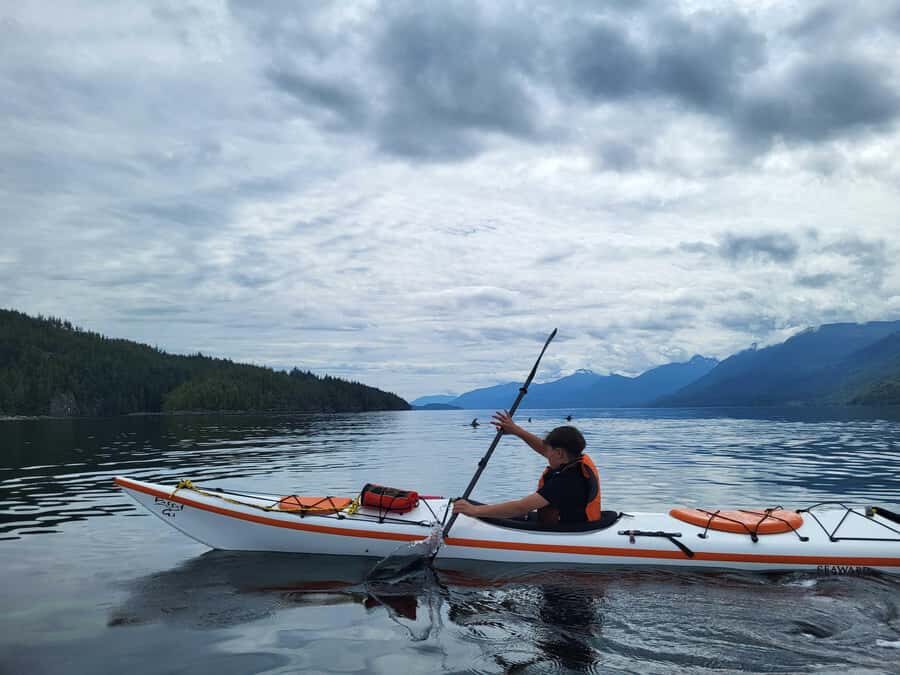
This is the part people remember. The tour is built for sunset encounters, and that timing can make wildlife viewing feel more natural. Animals often move or become easier to spot in gentler light, and the ocean can also look calmer in the last hours of the day.
Here’s what you may spot:
- Bald eagles perched in tall trees near the water
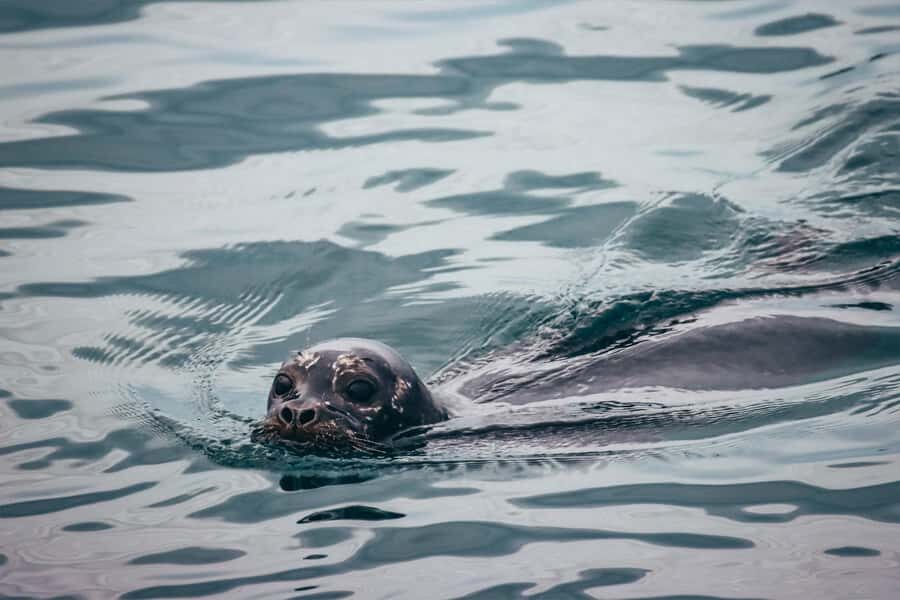
- Harbour seals lounging on sun-soaked rocks
- Bull kelp and other sea life along the shoreline zones
- Fish and sea stars visible in areas like intertidal zones
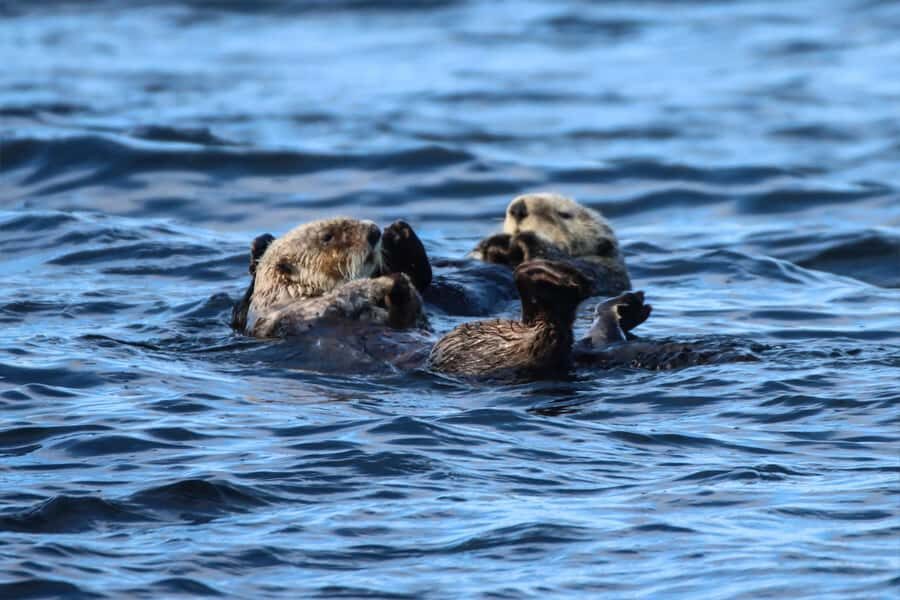
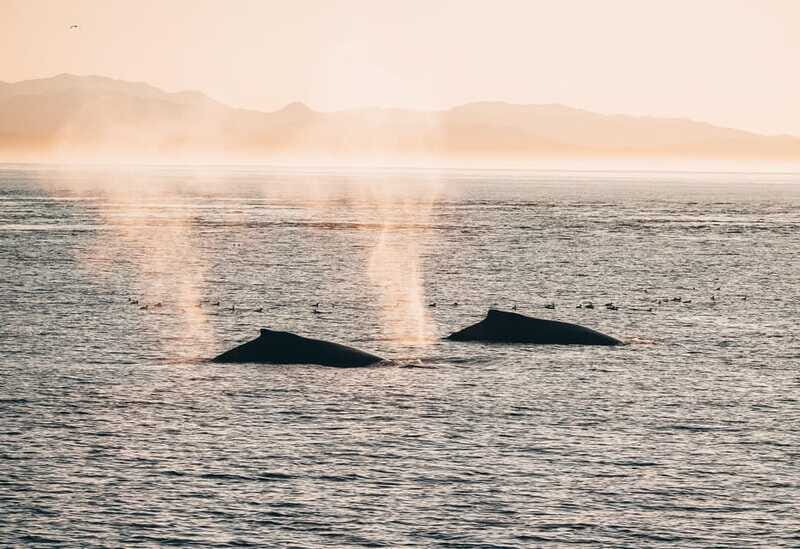
And if conditions line up, you might even find more: sea otters, porpoises, sea lions, or an orca in the distance. You’re not guaranteed any single species, but you are guided through the kinds of areas where spotting chances improve.
A couple of reviews highlight the kind of range you might get: one noted seeing an otter and multiple eagles, and another mentioned the guide’s wildlife spotting went beyond the expected basics. That’s the value of seasoned naturalists here—they help you translate what you’re seeing so it feels meaningful, not random.
Paddling through coves and channels: what’s special about the route
The real win on this trip is how it’s paced through multiple types of water. “Easy” doesn’t mean “boring,” and the geography helps.
You’ll typically move through:
- Sheltered coves where your kayak feels stable and the water stays calm
- Narrow channels where you can get close to rainforest edges and expect wildlife along the sides
- Calm stretches of Johnstone Strait where you can settle into a steady cadence and scan farther
Each type of water encourages different spotting. Coves can make animals feel close because you’re moving through smaller spaces. Channels funnel your view along the edges, and scan habits matter—look for movement on rock, dark shapes in water, and the stillness of perched birds.
Also, your route is described as fluid, meaning the day can adjust to what the ocean gives you. That’s not a gimmick. On coastal kayaking, small changes in wind and water feel can affect comfort and safety, so flexibility keeps the tour enjoyable.
The guide experience: information that actually helps you see more
Your guide isn’t there just to lead you in a line. You’re getting a naturalist-style explanation before and during the paddle—how to identify what you’re seeing, where to look, and why animals choose these spots.
This can be the difference between seeing a seal and understanding why it’s there. It can also help you stay calm in the moment. Paddling is physical, but the mind stays calmer when someone explains what you’re watching and what to do next.
That said, one review did mention the guide could have shared more during the tour. So if you’re the type who loves constant storytelling, come prepared to enjoy the visuals as the main show. You’ll still get plenty to work with; just don’t expect an endless lecture.
What’s included (and what you should add yourself)
The tour includes a lot that keeps the experience smooth:
- Experienced sea kayaking guides
- Quality equipment: kayak, paddles, spray skirts, dry bags
- Spectacular scenery and wildlife chances
- A guided flow through the area
Not included:
- Rain pants (worth packing if you don’t want wet clothes)
- Sunscreen and a hat/toque
- Food and drinks
It’s a good moment to plan like a coast person: even in cooler weather, you can get sun on the water. And if it’s raining or just misty, dry comfort matters. Dress in layers and bring what you need so wet doesn’t ruin your evening.
Rules on board: why they matter for safety and wildlife
There’s a clear list of what’s not allowed, and it’s there for practical reasons. Kayaking is close to living habitats, and wildlife viewing only works when people behave respectfully.
You won’t be allowed to:
- Touch marine life or feed animals
- Fish
- Smoke
- Bring pets
- Use alcohol or drugs, or show up intoxicated
- Use weapons or sharp objects
- Make fires or fireworks
- Do anything that risks safety or disruption
If you care about animals staying comfortable and present, these rules help. No feeding and no touching reduces stress. And skipping fishing keeps the focus on observation rather than altering how wildlife behaves.
Who this tour suits best (and who should skip it)
This is designed to be family-friendly and beginner-friendly. No prior kayaking experience is required, and the pace is meant to feel manageable.
It’s a strong fit if you:
- Want an outdoor wildlife experience without advanced kayaking skills
- Prefer a short tour that still feels substantial
- Enjoy rainforest shoreline scenery and animal spotting
It’s not suitable for:
- Children under 5
- People with back problems, heart problems, recent surgeries, or haemophilia
- People with a cold
- People prone to seasickness
- Visually impaired people
If any of the above affects you, it’s worth considering alternatives that keep you on stable ground. Two hours on a kayak can feel very physical, and the trip is meant for people who can comfortably handle that.
Price and value: is $83 worth two hours?
At $83 per person for a two-hour guided sea kayaking tour, the price will feel fair if you’re comparing against tours that include gear, trained guides, and a real wildlife-focused route. You’re not just paying for time on the water. You’re paying for:
- Expert guidance that helps you paddle well and spot wildlife
- Provided equipment that keeps you safer and drier
- A coastal setting that’s hard to recreate on your own
You’ll also save money and hassle if you don’t already own proper kayaking gear. The included spray skirts and dry bags are the kind of details that can make the difference between a fun evening and a miserable one.
Where the cost might feel high is if you’re the kind of traveler who wants a long, guided narrative or you’re very sensitive to weather changes. Ocean plans can shift. And if you’re unlucky on wildlife timing, you might leave with fewer dramatic sightings. Still, with the route through coves, channels, and Johnstone Strait, you’re set up for a satisfying experience even on a quieter day.
Weather call: rain or shine, but wind can change things
The tour runs rain or shine, so you’re expected to dress for wet conditions. That’s normal for this coast.
But wind is the wild card. One cancellation story included a weather-related decision where conditions at the time seemed calm. I can’t tell you why it happened, but here’s the practical takeaway: if you book an evening slot, keep expectations flexible and don’t treat sunset kayaking like a guaranteed show. On the coast, the ocean decides.
The return to shore: how to end with good energy
When the paddle ends, you’ll return to the same North Island Kayak base. Plan to treat this like an active nature outing. Bring water, bring layers, and keep a snack handy so you’re not trying to find food immediately afterward.
Even if you don’t see every possible animal, the rhythm of the trip—and the chance to watch eagles, seals, and sea life along sheltered water—tends to be the real payoff.
Should you book Telegraph Cove 2-Hour Day or Evening Kayaking?
Book it if you want a beginner-friendly coastal paddle with real naturalist guidance, a strong chance of wildlife sightings, and a setting that makes you slow down and look. It’s ideal for families (with kids old enough), couples, and solo travelers who like nature and want a guided experience that feels safe and well organized.
I’d hold off if you’re dealing with health limitations listed for the tour, you dislike being on the water for a full two hours, or you need a totally guaranteed outcome regardless of wind and conditions. If that’s you, consider a more time-stable plan.
If you do book, show up early, bring water and a snack, dress for wet weather, and take the rules seriously. That’s how you get the best version of Telegraph Cove.
FAQ
Where do I meet for the Telegraph Cove kayaking tour?
You meet at 24 Boardwalk, at the very end of the boardwalk on the left.
How long is the tour?
The tour lasts 2 hours.
Do I need prior kayaking experience?
No experience is required.
What wildlife might I see?
You might see bald eagles, harbour seals, bull kelp, fish, and sea stars. With luck, you may also spot sea otters, porpoises, sea lions, or an orca in the distance.
Does the tour run in bad weather?
Yes. This tour takes place rain or shine.
What should I bring?
At minimum, bring water. It’s also a good idea to bring a snack and something to drink.
What gear is included?
The tour includes kayak, paddles, spray skirts, and dry bags.
Is food or drinks included?
No. Food and drinks are not included.
What is not allowed during the tour?
Pets, smoking, intoxication, fishing, alcohol and drugs, feeding animals, and touching marine life are not allowed. Fireworks, explosives, and making fire are also not allowed.
Who is the tour not suitable for?
It’s not suitable for children under 5, people with back or heart problems, people with a cold, visually impaired people, people with haemophilia, people prone to seasickness, and people with recent surgeries.