REVIEW · JASPER
Sunwapta Challenge Whitewater Rafting in Jasper
Book on GetYourGuide →Operated by Maligne Adventures · Bookable on GetYourGuide
There’s something special about whitewater in the Canadian Rockies. On the Sunwapta River you get a real dose of Class 3 action, set inside Jasper National Park’s wilderness feel and wildlife country. It’s technical enough to feel like a challenge, but it’s guided in a way that keeps you moving and thinking.
I especially like how the trip runs with expert guidance and safety-first coaching, so you’re not guessing what to do when the river gets lively. I also love the way the scenery and wildlife habitat show up right from the bus ride and then again from the raft. The main drawback to plan for is simple: you will get wet, and if you show up underdressed, the cold splash can make the day less fun.
In This Review
- Key Points You Should Care About
- Sunwapta River Class 3 Thrills in Jasper National Park
- What the 4-Hour Day Really Feels Like (45-Minute Transfers, Then Action)
- Meeting Point and Getting Your Gear Without the Headache
- Wetsuit, Neoprene, and the Real-Life Packing List
- Safety Briefing: Quick, Serious, and Actually Useful
- On the Water: 13 Kilometres of Class 2 Flow with Class 3 Hits
- Breaks and Timing: Enough Down Time to Enjoy It
- Wildlife, Scenery, and Why the Timing Matters
- Who This Trip Is For (And Who Should Skip)
- Price and Value: Is $100 Worth It in Jasper?
- Small Details That Make a Big Difference
- Should You Book Sunwapta Challenge Whitewater Rafting?
- FAQ
- How long is the rafting time on the Sunwapta River?
- Do I need any prior rafting experience?
- What gear is provided?
- What should I bring for the day?
- Where do I meet in Jasper?
- What are the minimum age and weight requirements?
- Are photos included?
Key Points You Should Care About
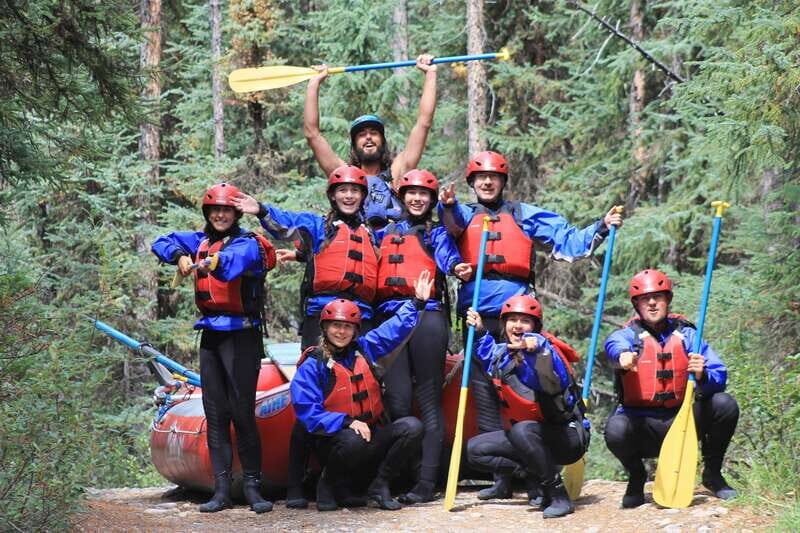
- Class 3 fun, guided and structured: You’ll handle the rapids with coaching and a safety briefing before hitting the water.
- All gear is included: wetsuit, neoprene layers, booties, paddle jacket, helmet, life jacket, paddle, and gloves if needed.
- 1.5 hours on the river: the water time is the big event, with breaks built in so you can warm up a bit.
- Pristine Jasper wilderness setting: this is low-volume, technical rafting in a protected area.
- Wildlife spotting is part of the deal: you’ve got chances from the raft and during the drive to the river.
Sunwapta River Class 3 Thrills in Jasper National Park
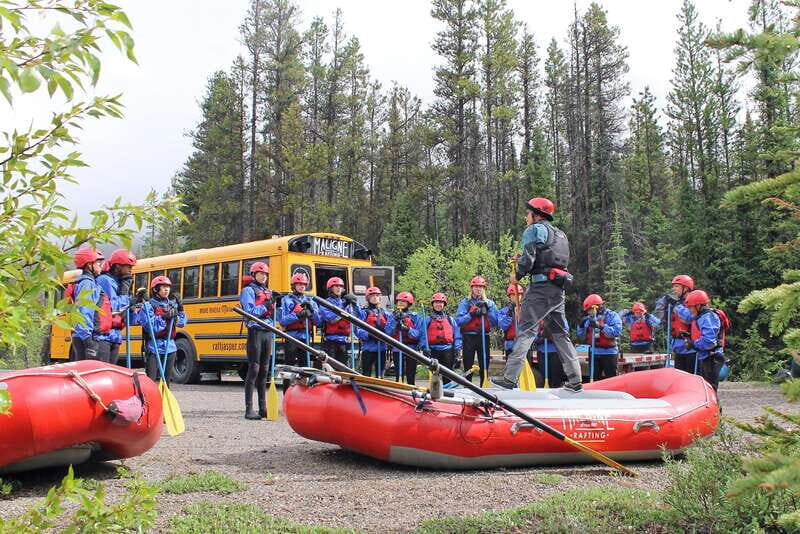
This rafting trip is built around one main idea: you want whitewater excitement without needing to be a pro. The Sunwapta is a technical, low-volume river, and that matters. On rivers with big, wide flows, the ride can feel like it’s happening to you. Here, the guide’s choices about lines and timing are a big part of the story, which makes the rapids feel more interactive.
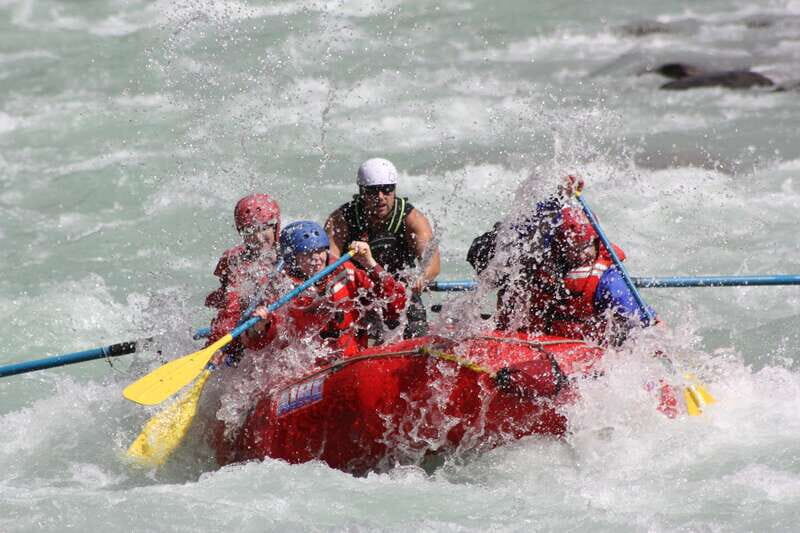
What you’re doing is rafting a 13-kilometre stretch where you’ll run a steady rhythm of Class 2 rapids, broken up by several Class 3 sections. In plain terms: expect plenty of action, not just one short burst. The Stoney Indian word for Sunwapta is turbulent river, and that fits the feel. This isn’t a lazy float. You’ll paddle, brace, and pay attention.
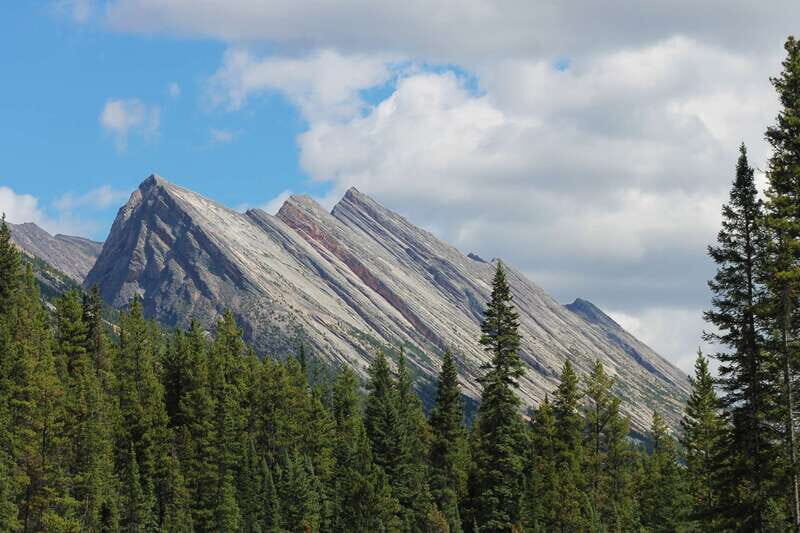
And yes, the setting is a major reason to book. This route follows the Endless Chain Mountain Range area from near the glacier toe, and you’re in a wildlife habitat. Even if you don’t spot an animal every minute, the surroundings do their job: you’re in the real Canadian Rockies vibe, not a theme-park river.
You can also read our reviews of more tours and experiences in Jasper.

What the 4-Hour Day Really Feels Like (45-Minute Transfers, Then Action)
The full experience is about 4 hours round trip. Most of that time is split into two 45-minute bus rides plus time on the river.
That structure is smart for two reasons:
- It gets you out of downtown Jasper quickly without you dealing with parking, complicated driving, or gear transfers.
- It keeps the adventure focused. When you’re on the water, you’re there for the main event.
You’ll start with a bus/coach ride of about 45 minutes, then a short break on arrival. After that comes the safety briefing, then the raft time. You’ll get another break on the river area, then it’s back on the bus for the ride home.
If you’re the type who hates long waits, the good news is that the trip doesn’t waste your time. The pacing feels like: travel, gear up, learn how to be safe, then go play.
Meeting Point and Getting Your Gear Without the Headache
You check in at 638 Connaught Dr in Jasper, looking for the Black Maligne Rafting Trailer beside the Public Washroom in the lot near the corner of Connaught Dr and Hazel Ave. Paid public parking is available in that same area, including limited RV parking.
Plan to arrive about 15 minutes early for check-in. You’ll sign a liability waiver on arrival, and you’ll want that time so you’re not rushed before wetsuits and splash jacket time.
Once you arrive, your day becomes pretty straightforward. You’ll change into your wetsuit and get outfitted with the technical equipment before you ever touch the water. This matters more than it sounds. The cold part of rafting is often the “getting ready” phase, not the rapids themselves.
Wetsuit, Neoprene, and the Real-Life Packing List
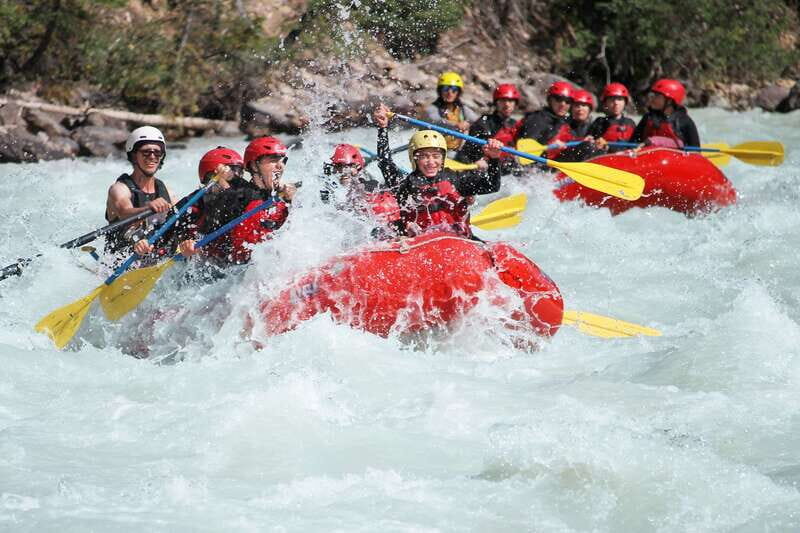
Here’s the thing: rafting gear is mostly handled for you. You’ll be given:
- self-bailing rafts
- paddles
- wetsuit
- long sleeve neoprene shirts
- neoprene booties
- paddle jackets (the splash layer)
- helmets and life jackets
- gloves if needed
That takes a lot of guesswork out of the planning.
What you need to bring is all about staying warm before and after. The best setup is:
- wear your swimsuit under your regular clothes at the start
- pack a towel and dry clothes for the ride back
- on cooler days, consider wool or polypropylene layers under the splash jacket (cotton stays wet and can make you cold)
- a warm jacket to put on afterward
- wool socks if you want extra comfort inside the booties
- bring snacks and water for the bus ride
You’re also going to want to dress like you’re expecting a splash, because you are. Even though you have neoprene and a spray jacket, you should assume you’ll be wet at some point. If you show up with only summer clothes, you’ll feel that cold after the water portion is done.
Safety Briefing: Quick, Serious, and Actually Useful
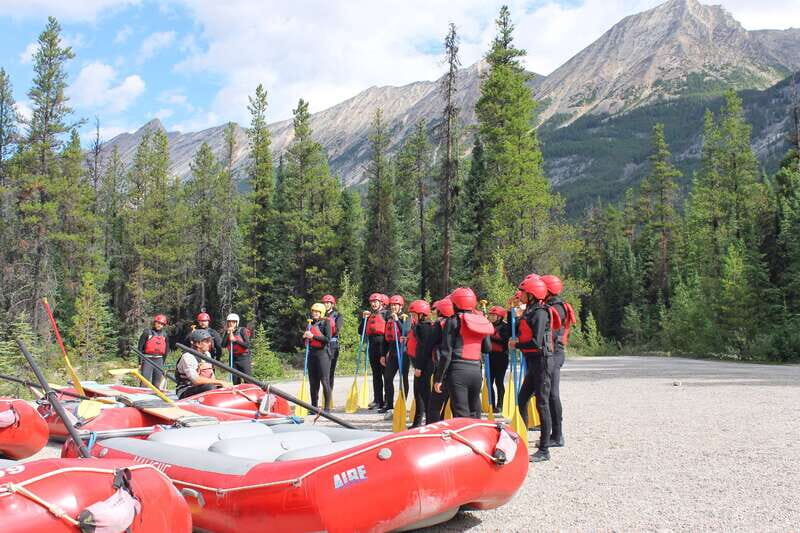
Before you get wet, you’ll get an in-depth briefing on procedures and safety precautions. This is where the trip earns its reputation for fun without feeling out of control.
Even if you’re new to rafting, you’ll be taught what to do when:
- the guide gives commands
- you need to brace
- you’re navigating through moving water
- you’re in a self-bailing raft where positioning matters
Guides also help with more than safety. In this area, they tend to share context about wildlife and local surroundings, which changes the vibe from just “survive the rapids” to “understand what’s happening.”
One review detail that stands out: guides can be informative and fun, with river coaching plus wildlife and local-area talk. So you’re likely to finish the trip feeling like you didn’t just do an activity. You learned how the river works and what to watch for as you move through the valley.



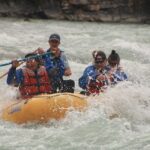
On the Water: 13 Kilometres of Class 2 Flow with Class 3 Hits
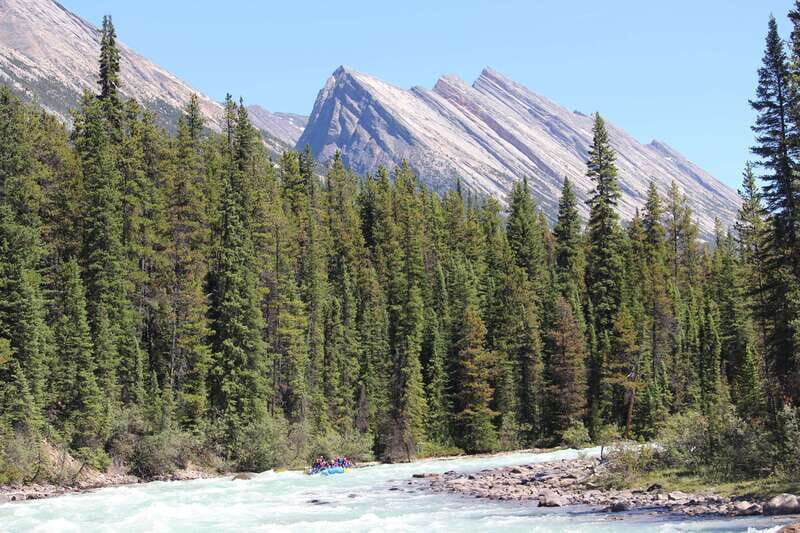
Your raft rides happen on a low-volume, technical river segment. That combination is important. Low volume often means the river features are closer together and more meaningful. Technical means the guide’s decisions about the right line are part of what keeps the ride exciting but controlled.
You’ll paddle through a consistent flow of Class 2 rapids, interspersed with multiple Class 3 sections. In practical terms:
- Class 2 is your ramp-up: expect active water, some hits, and frequent bracing moments.
- Class 3 is where you feel the thrill: bigger, more forceful rapids that demand attention.
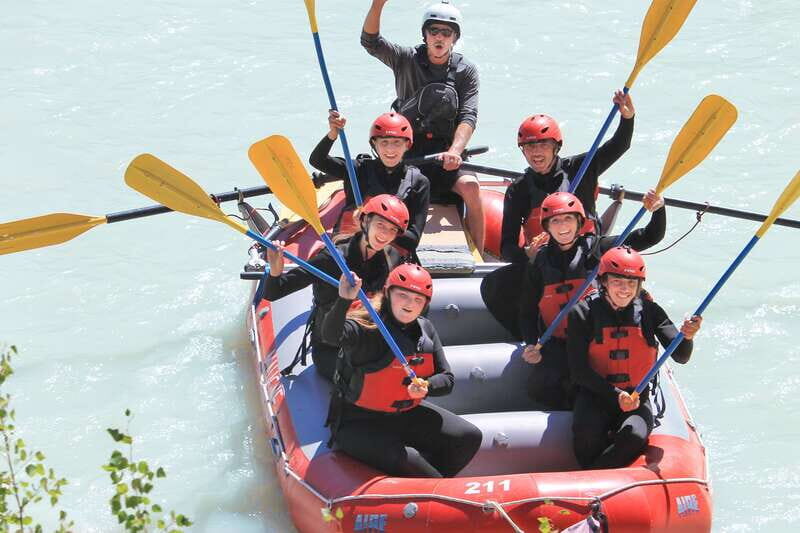
You’re in 6-passenger self-bailing rafts. Boat configuration is determined day-to-day based on group size, and while the team tries to keep people together, the final boat assignments depend on logistics. It’s still a small-raft experience, not a giant group floating down the river.
The raft time is about 1.5 hours on the water. That’s a meaningful chunk. It’s long enough for your body to settle into rafting rhythm, long enough to have multiple rapid moments, and not so long that you feel wrecked before you head home.
Breaks and Timing: Enough Down Time to Enjoy It
The trip includes two breaks of about 15 minutes each. That might sound small, but it works because rafting is physically and mentally tiring.
Those breaks are your chance to:
- warm up a bit
- catch your breath between rapid sections
- adjust your gear if you need it
- take in what you’re seeing—especially wildlife habitat surroundings
Then comes the bus back. Having dry clothes and a towel ready is the difference between “fun day” and “now I’m miserable on the ride home.”
Wildlife, Scenery, and Why the Timing Matters
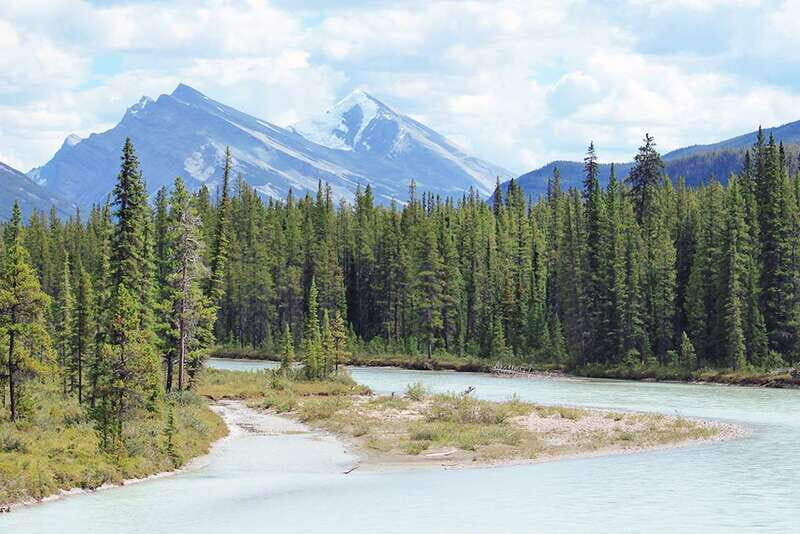
Even though your focus is the river, wildlife habitat is part of the package here. You’ll have viewing chances from both the raft and the scenic bus ride to and from the river.
The timing is also helpful. You’re not spending your day in one long fenced area. You’re moving through a protected region with a river corridor, and the guide can point out things you might otherwise miss. That’s one reason the experience feels more like a real day in Jasper than a repeatable activity.
Also, the environment changes your rafting mood. When the scenery is doing its job and you’re not just staring at the next rapid, the adrenaline feels more like adventure than stress.
Who This Trip Is For (And Who Should Skip)
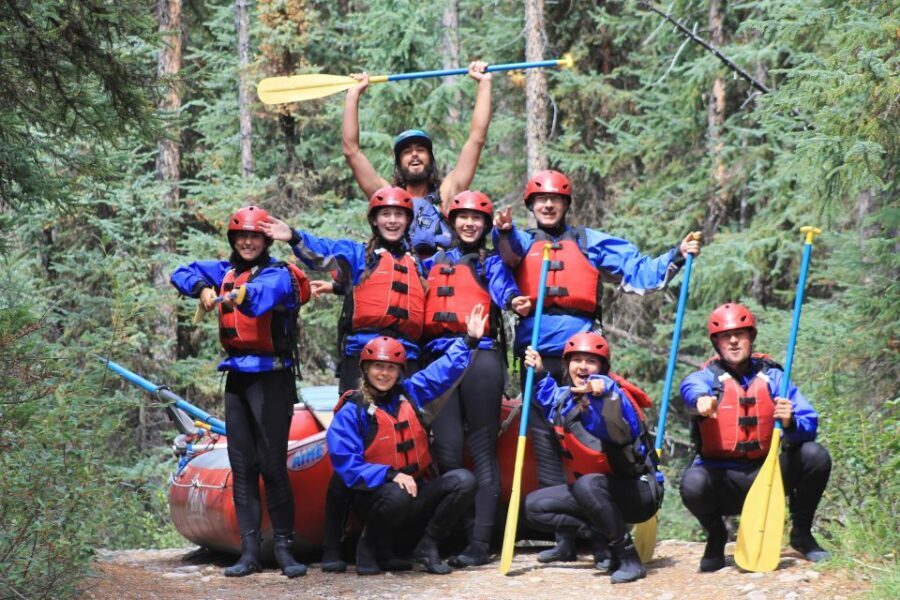
This is a great fit if you want:
- Class 3 whitewater but don’t have rafting experience
- an guided experience with proper instruction and gear
- a half-day adventure that still feels like it includes real wilderness time
You do need to meet the basic requirements:
- at least 12 years old
- minimum weight of 90 lbs (41 kg)
- under 18 must be accompanied by an adult
- pets are not allowed
- alcohol, drugs, and intoxication are not allowed
You should probably skip if:
- you hate getting wet (you will be splashed and soaked at some point)
- your tolerance for cold is low and you don’t pack extra warm layers for cooler days
- you’re looking for a calm, scenery-only float
Price and Value: Is $100 Worth It in Jasper?
At $100 per person for a total 4-hour experience, the value depends on what you’d otherwise have to cover and how much planning you want to do.
Here’s the value case:
- You’re not paying for rentals separately. You get the full technical set: wetsuit, booties, splash jacket, helmet, life jacket, paddles.
- You’re paying for certified, highly experienced river guidance plus a real safety briefing.
- You get transportation from downtown Jasper to the river and back, which saves your time and hassle.
For many people, the cost feels fair because it includes the pieces that usually add up: gear, instruction, and logistics. If you’ve ever tried to piece together rafting on your own, you’ll understand why packaged trips like this are worth it.
If you’re coming from outside Jasper and you’d still need to handle transfers and equipment, the value becomes even clearer.
Small Details That Make a Big Difference
These are the practical things that help your day go smoothly:
- Bring a towel and dry clothes. You’ll thank yourself on the ride home.
- Wear your swimsuit under your regular clothes before you leave the start point.
- On cooler days, prioritize warm wet-insulating layers. Wool or polypropylene does better than cotton.
- Bring snacks and water for the bus rides. It’s recommended, and it helps you stay comfortable before and after you’re on the water.
- Photos aren’t included, but they’re available for additional purchase online after the trip. If that matters to you, decide before you go.
Also, remember that rafts hold up to 6 passengers plus the guide. That small size keeps things interactive, and it means your instructions matter. When the guide calls something, follow it.
Should You Book Sunwapta Challenge Whitewater Rafting?
Book it if you want a guided, gear-included way to experience Class 3 whitewater in Jasper National Park. The biggest strengths are the mix of action and real instruction, plus a wilderness setting that adds meaning beyond the rapids. If you’re hoping to learn how rafting works and also get local wildlife and river context from your guide, this trip is designed for that.
Skip it if you’re not comfortable with getting wet or you’re coming without warm layers for cooler conditions. Rafting is an outdoor sport. When the water hits, it hits.
If you do book, go in with one mindset: listen during the briefing, follow the guide’s cues, and then relax into the ride. You’ll end the day tired in the best way.
FAQ
How long is the rafting time on the Sunwapta River?
You get about 1.5 hours on the water. The total trip duration is about 4 hours including the bus rides and breaks.
Do I need any prior rafting experience?
No experience is needed. You’ll get an in-depth briefing on rafting procedures and safety precautions before you go on the river.
What gear is provided?
All technical equipment is provided, including self-bailing rafts, paddles, wetsuits, long sleeve neoprene shirts, neoprene booties, paddle jackets, helmets, and life jackets. Gloves are provided if needed.
What should I bring for the day?
Bring warm clothing, your swimsuit (you’ll wear it under your clothes before you arrive), a towel, a water bottle, and snacks. On cooler days, consider wool or polypropylene layers for warmth when wet.
Where do I meet in Jasper?
Check in at 638 Connaught Dr. Look for the Black Maligne Rafting Trailer beside the Public Washroom in the parking lot near the corner of Connaught Dr & Hazel Ave.
What are the minimum age and weight requirements?
You must be at least 12 years old and weigh at least 90 lbs (41 kg).
Are photos included?
No. Photos are available for additional purchase online after the trip.