REVIEW · TORONTO
Toronto: Distillery & Old Town Private Walking Tour
Book on GetYourGuide →Operated by Guydeez Tours · Bookable on GetYourGuide
Toronto tells better stories on foot. This private 2-hour walk is built for small discoveries around downtown—landmarks plus the kind of local context that makes the city feel like more than postcards. I especially like the way the route pairs major sights like The Cathedral Church of St. James with darker, lesser-known stops like Mackenzie House.
I also like ending (or re-visiting) St. Lawrence Market, because it’s where you can taste the present after learning what the city looked like in earlier eras. One possible drawback: it’s a walking tour with photo stops, so if you want long inside time at museums or monuments, you’ll likely find the pace a bit tight since entry fees are not included.
In This Review
- Key things you’ll notice on this Toronto Old Town tour
- Toronto on a two-hour schedule: what this walk gets right
- Meeting at 209 Yonge St: start point, pacing, and how to prepare
- St. Lawrence Market: where you see the city’s everyday side
- The Cathedral Church of St. James: architecture plus identity
- Mackenzie House: a mayor’s home with a darker edge
- Church of the Holy Trinity: tracking how Toronto grew
- Old City Hall: duels, civic milestones, and a photo-friendly finale
- Private-guide value: language, ticket help, and consistency
- Who this tour suits best (and who might want something else)
- Should you book this Toronto Old Town private walking tour?
- FAQ
- How long is the Toronto Distillery & Old Town Private Walking Tour?
- Where does the tour start?
- Is this tour private?
- What languages is the live guide available in?
- What’s included in the price?
- Are entry tickets included for monuments or museums?
- Is the tour wheelchair accessible?
- What is the cancellation policy?
Key things you’ll notice on this Toronto Old Town tour
- A private, guide-led route that focuses on story, not just sightseeing
- St. Lawrence Market as a culture-and-food anchor for the whole walk
- Downtown landmarks with specific pasts, including Old City Hall and two major church sites
- Mackenzie House for a mayor-focused story with a haunting reputation
- Real guidance on what to see next, including help booking tickets when needed
- Language options (English, French, Italian, Spanish), with guide quality varying by person
Toronto on a two-hour schedule: what this walk gets right
This is the kind of tour that works when you want context fast. In about two hours, you cover several key anchors in Toronto’s downtown Old Town area—churches, civic buildings, and the market—without turning the day into a checklist marathon.
For your money, the value is the human part: a live guide who connects the dots. Instead of just pointing at buildings, you get “why it mattered” explanations while you’re still standing in the right spot. That matters in Toronto, where the layers of the past show up in architecture, street layout, and what people chose to build.
One thing to keep in mind: this tour is designed for walking and interpretation. It isn’t a slow museum day, and you shouldn’t expect to park inside every site for long stretches. If you’re good with short visits, great.
You can also read our reviews of more walking tours in Toronto


Meeting at 209 Yonge St: start point, pacing, and how to prepare
You meet at 209 Yonge St, in front of Yonge Suite. This is a practical start location because it puts you in the heart of the walking area right away, so you’re not spending your limited time transferring across town.
Plan on comfortable walking shoes. The itinerary includes multiple photo stops and short guided segments, plus time on foot between sights. You’ll be outside for most of the experience, so dress for Toronto weather—even in shoulder season, it can swing.
If you want to make the tour smoother, arrive a few minutes early and be ready with a couple of questions. A private guide can usually adjust their emphasis: more architecture, more political history, more food-market details—your call.
St. Lawrence Market: where you see the city’s everyday side

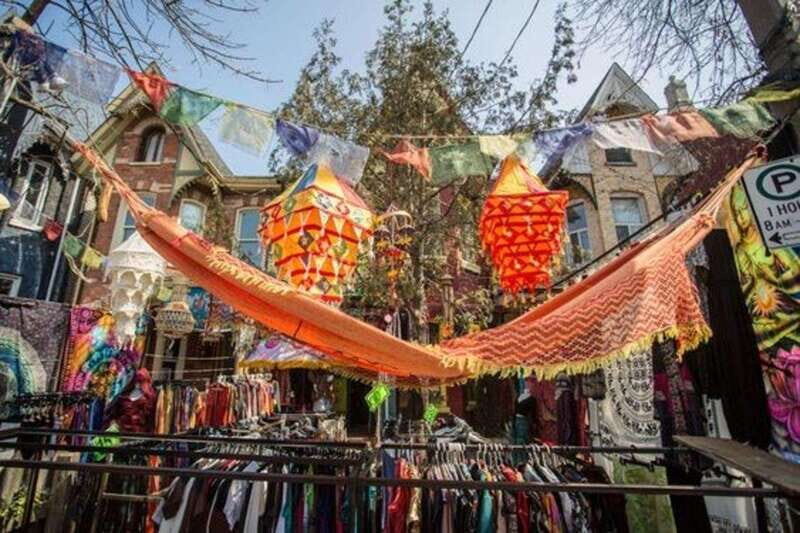
You’ll spend time at St. Lawrence Market, including a guided visit and photo opportunities. This stop is more than a convenient endpoint. It’s where Toronto’s “then and now” vibe becomes real.
Here’s why this works: you’re learning about the city’s development and civic life, and then you finish (or begin) by landing in a place built for commerce and community. Market life is a snapshot of how people actually lived—what they bought, what they talked about, and how the city handled day-to-day needs.
A practical tip: go with an open mind and a light appetite. You may not have time for a long meal, but even browsing the stalls is part of the point. And if you’re interested in local food culture, this is one of the best places on the route for it.
Also note a useful detail from guide experiences: one guide named Naomi was especially praised for connecting the market stop to specific culinary specialties, and even added small touches like gifts. That’s the kind of value you’ll feel when a guide uses the market as more than scenery.
The Cathedral Church of St. James: architecture plus identity
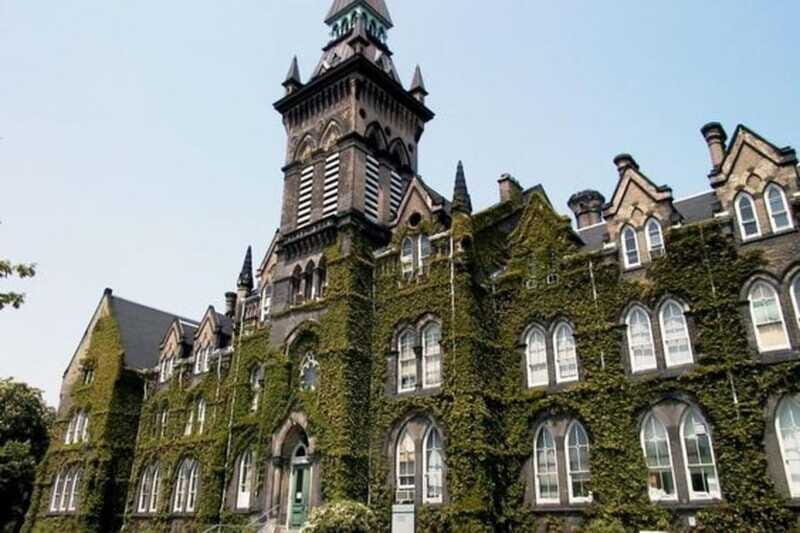
Next, you’ll visit The Cathedral Church of St. James, with photo stops and guided sightseeing time. This is a strong choice for a walking tour because the building’s scale and details do a lot of the storytelling for you—especially when your guide explains how it fits into Toronto’s religious heritage.
What I like about this stop is that it’s not taught as a random landmark. You’re given a reason to notice what you see: its role in the city’s development and why places of worship mattered in earlier Toronto.
Drawback to watch for: this is a short visit. If you’re the type who wants to linger and read every plaque, you’ll probably want to schedule a follow-up visit on your own. The tour is about direction and context, not full interior time.
Mackenzie House: a mayor’s home with a darker edge
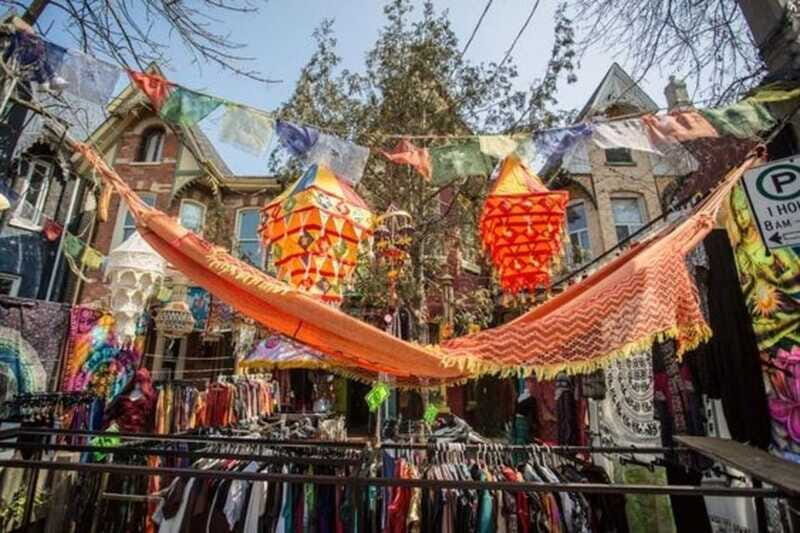
Mackenzie House is one of those stops where a guide’s storytelling can make all the difference. You’ll get a guided visit and some sightseeing time here, with photo opportunities along the way.
The key idea is the former mayor connection—and the fact that the place is known for a haunting legacy. Even without getting lost in every historical footnote, you come away with a better sense of how power and public life shaped homes, not just laws and buildings.
This stop is also a good fit if you like local history with characters. Toronto’s early story often feels abstract until someone puts a real human name to it, and Mackenzie House does that quickly.
You can also read our reviews of more private tours in Toronto






Church of the Holy Trinity: tracking how Toronto grew
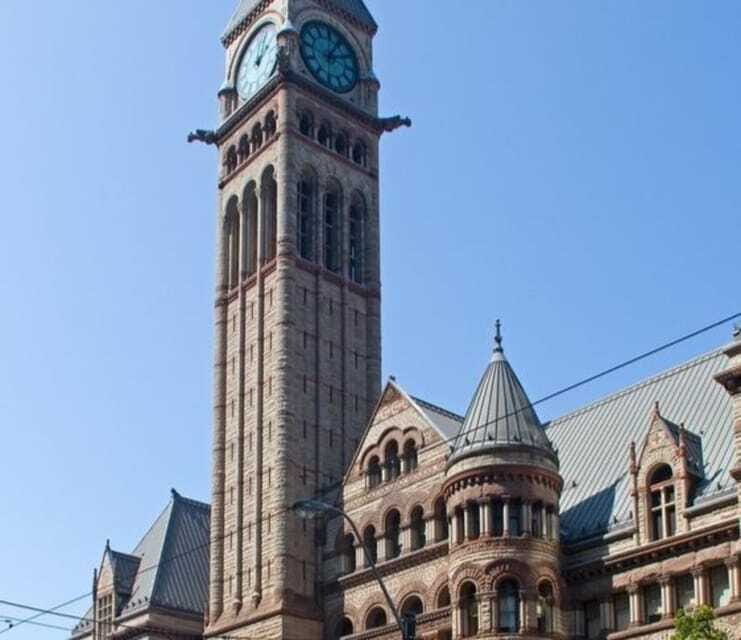
Then you’ll move to the Church of the Holy Trinity, again with photo stops and guided sightseeing time. This is one of the most “explain it where you stand” locations on the route.
The guide’s narrative focus here is Toronto’s early development—how the city shifted from a military outpost into a growing urban center. You’ll hear how religious and civic sites fit into that change, and why those early choices still echo in the city layout today.
If you’re the type who likes cause-and-effect in history, this stop delivers. You’re not just seeing a church; you’re using it like a timeline marker. That’s a big reason this tour works better than a generic downtown walk.
Potential consideration: churches can be quiet spaces, and some parts of the experience may feel more observational than talkative. If you want lots of indoor time or deep architectural analysis, ask your guide what areas are appropriate to visit within the time you have.
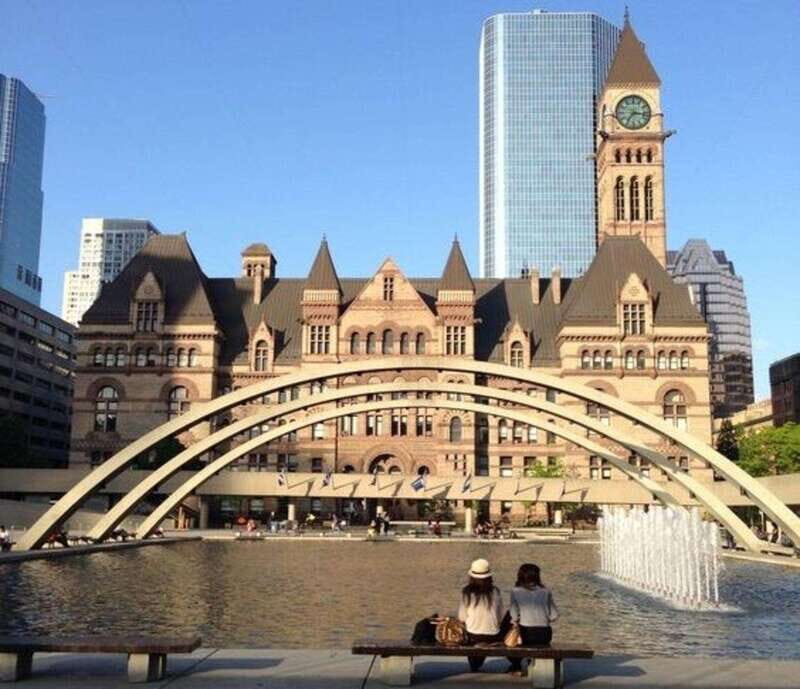
Old City Hall: duels, civic milestones, and a photo-friendly finale
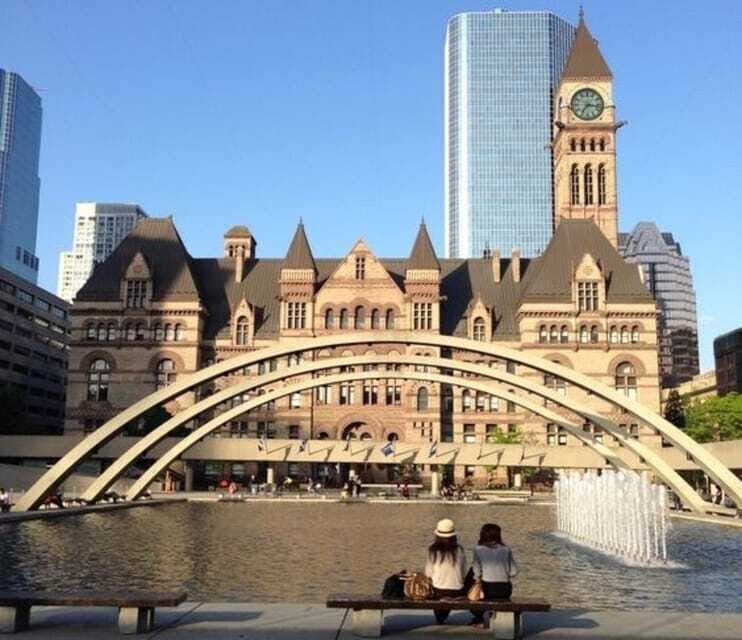
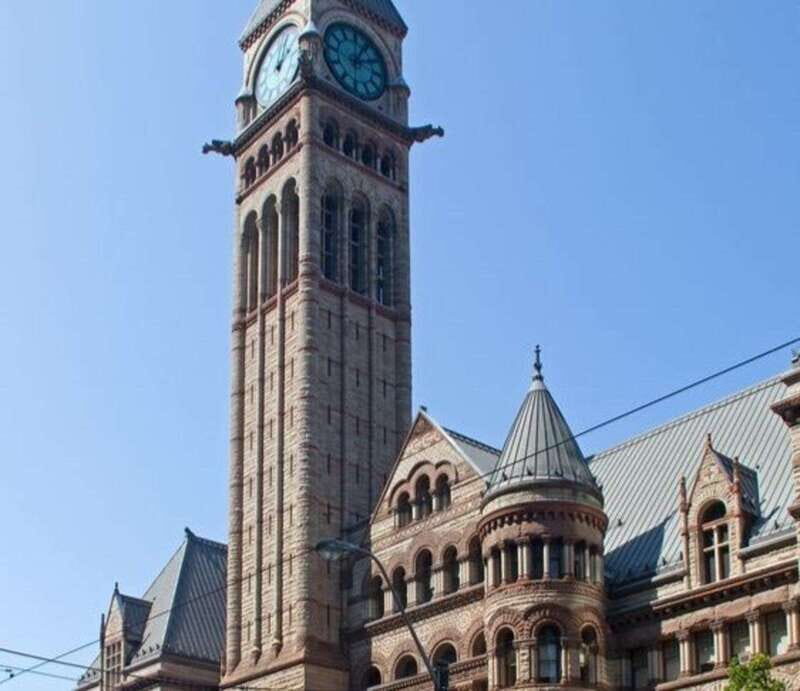
Finally, you’ll reach Toronto Old City Hall. This part of the experience includes photo opportunities, a guided visit, and sightseeing time, with your guide sharing stories tied to civic milestones and even notorious duels associated with the area.
This is the kind of stop that makes history feel street-level. Big cities often hide their drama behind official stonework, but Old City Hall has the kind of presence that invites a story. And when your guide ties the details to what people were dealing with back then—law, politics, public order—it all clicks faster.
Photo-wise, this is a good place to slow down a bit. Even if you’re not a professional photographer, you’ll want at least a couple of angles: wide shots for context, and closer frames to capture architectural features.
Private-guide value: language, ticket help, and consistency
A private walking tour is only as good as the guide you get. The good news here is you get live interpretation, in English, French, Italian, and Spanish.
One thing I’d take seriously: guide preparation and style can vary. In past bookings, one guide named Massoud was described as available but not especially prepared on Toronto history. Another guide named Noémie was described as friendly, but some felt the walk leaned more toward a casual stroll than dense history. On the other hand, Naomi was praised for a global, well-rounded take on the city and specific market food highlights.
So how do you use that for your benefit?
- If you care most about history accuracy, ask your guide right away what themes they’re focusing on.
- If you want a language-first experience, confirm your preferred language during booking and be aware that some French-language tours can mix languages in practice.
- If you want inside access, note that entry to monuments and museums is not included, but the guide can help you book tickets for visited attractions.
This matters because your experience may hinge on what you choose to do inside versus keep it exterior. The tour is designed so you can adapt, but you need to decide what kind of day you want.
Who this tour suits best (and who might want something else)
This tour is a great match if you:
- want a fast, walkable introduction to downtown Toronto landmarks
- enjoy history told through real places, not just facts in a worksheet
- like market culture and want that “city life” contrast alongside architecture and churches
- prefer a private setting where you can ask questions and steer the focus
You might want a different option if you:
- need long indoor time at museums or monuments
- hate walking or have limited mobility beyond what short outdoor segments require
- want a strictly detailed, academic timeline with no room for casual conversation
Wheelchair accessibility is listed, so it’s built with that consideration in mind, but you’ll still be outdoors for most of the tour.
Should you book this Toronto Old Town private walking tour?
If your goal is a high-impact Toronto orientation in about two hours, I’d say it’s worth considering. The combination of St. Lawrence Market, St. James Anglican Cathedral, Mackenzie House, the Church of the Holy Trinity, and Old City Hall gives you a mix of civic, religious, and everyday city life—exactly the kind of balance that helps a first-time visitor feel oriented fast.
Book it if you want a guide-driven experience where the city’s past explains what you’re seeing right now. Consider it less strongly if you’re hoping for lots of entry-ticket time, or if you’re very picky about how deep the historical content goes—because guide style can shift.
FAQ
How long is the Toronto Distillery & Old Town Private Walking Tour?
The tour lasts 2 hours.
Where does the tour start?
Meet your guide in front of Yonge Suite at 209 Yonge St.
Is this tour private?
Private group options are available.
What languages is the live guide available in?
The guide is available in English, French, Italian, and Spanish.
What’s included in the price?
A guide is included, along with help to book tickets for visited attractions.
Are entry tickets included for monuments or museums?
No. Entry to monuments and museums is not included.
Is the tour wheelchair accessible?
Yes, it’s listed as wheelchair accessible.
What is the cancellation policy?
Free cancellation is available up to 24 hours in advance for a full refund.