REVIEW · VANCOUVER ISLAND
Sunset Zodiac Tour
Book on Viator →Operated by SpringTide Whale Watching Tours · Bookable on Viator
Sunset on a Zodiac hits fast. This 3-hour whale cruise out of Victoria puts you on a fast inflatable boat and close to the Salish Sea as you scan for whales, seals, and sea lions near sunset.
I like the small max group size of 12, because it keeps everyone in the viewing mix, not stuck at the back. I also like the naturalist-led spotting, which turns random blows and splashes into real ID and habitat context. One possible drawback: this is a sporty ride, so it may not feel great if you have neck, back, hip, or knee issues, limited mobility, or if you’re pregnant.
In This Review
- Key things to know before you go
- Why this sunset whale cruise feels like the real Salish Sea
- Where you start in Victoria: 1119 Wharf St, and what that means
- The Zodiac experience: sporty fun, close spotting, and real safety habits
- Wildlife you can hope for: orcas, humpbacks, gray whales, and more
- The sunset ride: why timing makes the experience feel special
- Guides and captains: instruction that turns sightings into stories
- What to wear and bring for a 3-hour evening on the water
- Who this Zodiac tour is best for (and who should skip it)
- You’ll likely love it if you:
- You should think hard or choose another option if you:
- Price and value: $141.16 for a 3-hour whale chase
- Booking smart: making the sunset timing work for you
- Should you book the Sunset Zodiac Tour?
Key things to know before you go
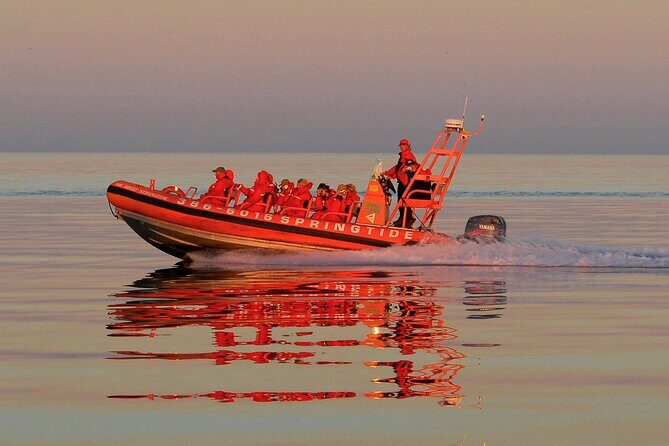
- A fast inflatable Zodiac gets you closer to the water than slow sightseeing boats, so spotting can feel more immediate
- Naturalist guidance helps you identify whales and other marine life as you pass them
- Max 12 people means easier boat-side viewpoints and more time for questions
- Sunset timing adds magic, but it also means cooler air and faster chill once the sun drops
- Captains like Cam, Ian, Jasper, and Heather have been praised for fun instruction and keeping both sides of the boat engaged
Why this sunset whale cruise feels like the real Salish Sea
If your idea of whale watching is tall decks, long distances, and “maybe we’ll see something,” the Zodiac approach changes the game. You’re riding on a fast-moving inflatable boat, so you get that energetic, close-to-the-water feeling that makes the whole experience feel like you’re actually in the habitat—not just visiting it.
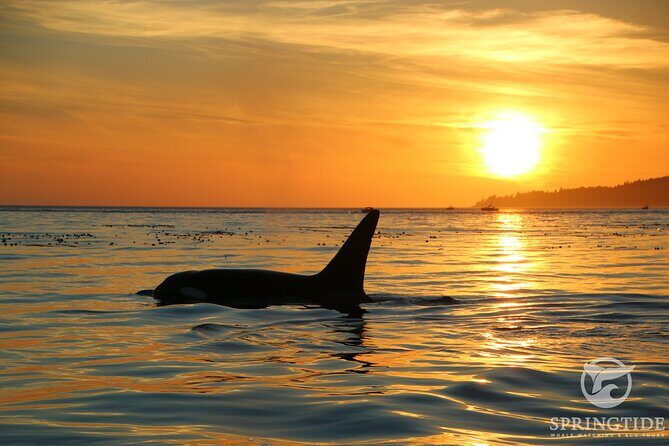
Sunset is the other ingredient. Watching marine life with softer light can make surface behavior easier to read: the direction a whale lifts its head, the timing of a blow, and how seabirds cluster around bait. Even when whales aren’t right there, the changing light and shoreline glow make the ride back to Victoria feel like part of the show.
The cruise is also built around identification. You’re not just hoping for sightings—you’re getting an expert naturalist’s guidance that helps you understand what you’re seeing and why it’s happening in the Pacific Northwest.
You can also read our reviews of more evening experiences in Vancouver Island
Where you start in Victoria: 1119 Wharf St, and what that means
You meet at 1119 Wharf St, Victoria, BC. That location is a practical choice because you’re already in the heart of the harbor area, and it’s marked as near public transportation, so you can keep your day simple if you’re not driving.
From there, the tour runs about 3 hours (approx.), and you’ll end back at the same meeting point. That round-trip timing is a sweet spot: long enough to chase wildlife and enjoy the sunset transition, but not so long that you’re exhausted by the time you’re done.
Because you’ll be on the water in cooler evening air, this is one of those plans where being prepared beats being lucky. Dress like you expect wind, not just like you expect warmth.
The Zodiac experience: sporty fun, close spotting, and real safety habits
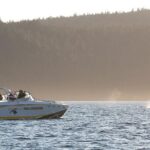
This isn’t a quiet “sit and glide” type of cruise. You’re on a Zodiac—built for speed and quick repositioning—so the ride can feel adventurous. That’s the appeal for many people: it makes the boat feel like an active platform for finding marine life.
At the same time, the tour is very clear about who should avoid the Zodiac setup. It’s not recommended for expectant mothers, and it’s also not recommended for people with health concerns, especially around the neck, back, hip, or knee areas. If you have limited mobility or frailty, or if getting on and off smaller boats is a hassle for you, you’ll want to think twice.
Here’s the practical mindset I’d use: if you’re comfortable with a bouncy, quick-moving ride and you can dress for cold weather, you’ll likely enjoy this. If you’re trying to protect a sore back or you’re worried about balance, you may prefer a more stable style of whale watching.
Wildlife you can hope for: orcas, humpbacks, gray whales, and more
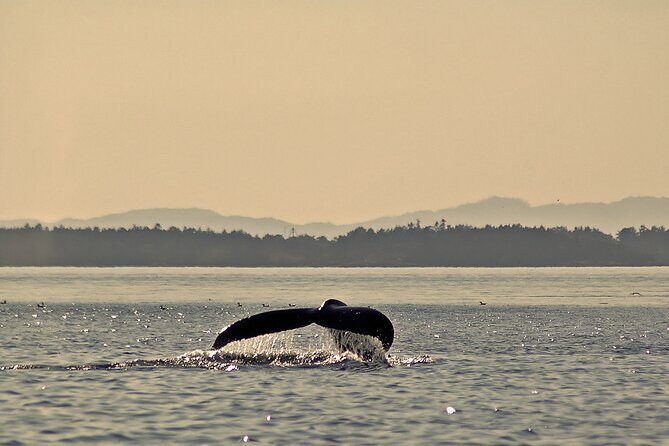
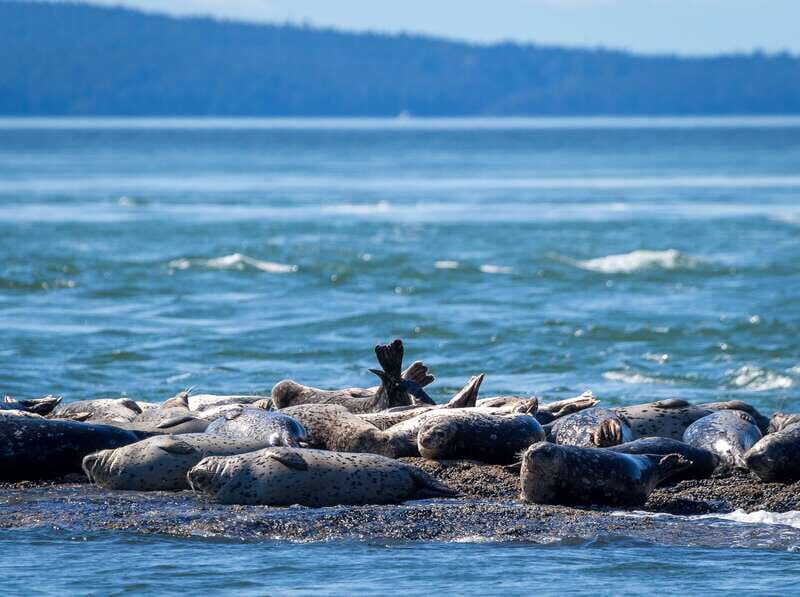
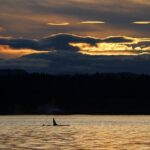
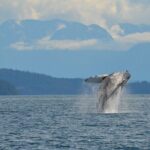
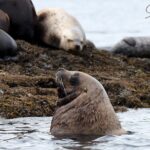
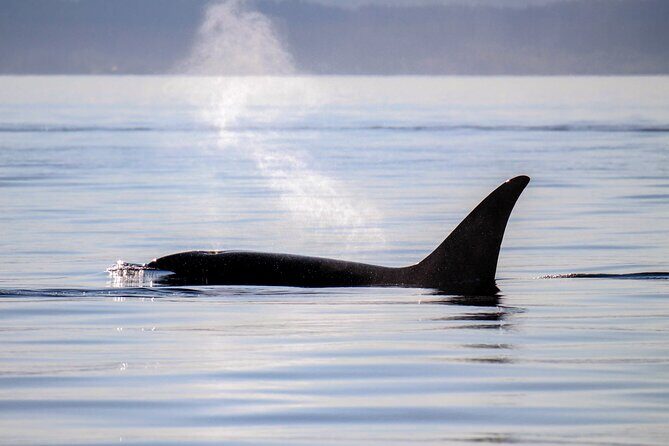
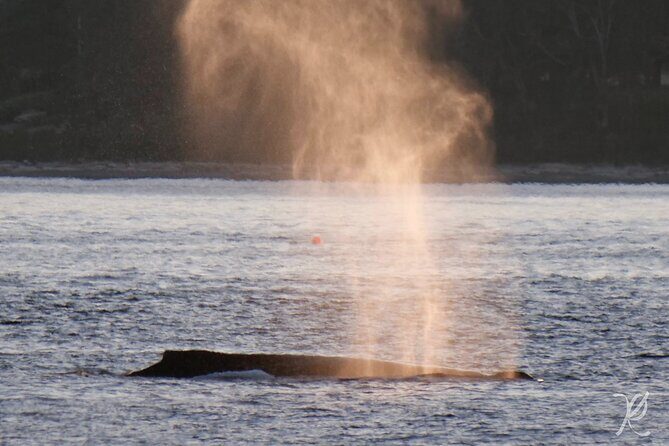
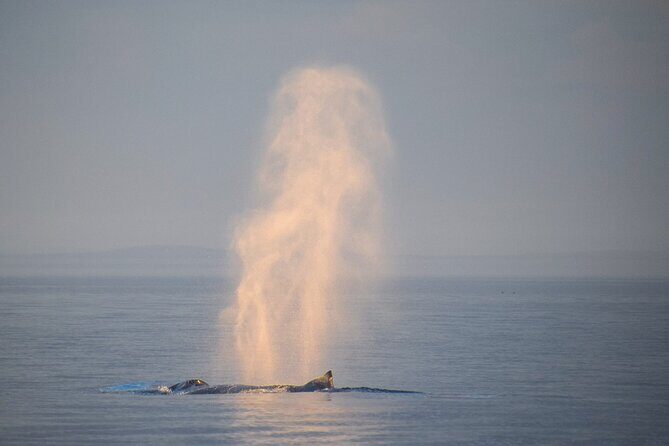
The whole point of the cruise is seeing native marine life in the Salish Sea. The tour targets sightings like Orcas, Humpbacks, and Gray whales, plus sea lions and harbor seals.
In plain terms, you’re watching for three things:
- Breathing behavior (the blow you spot first)
- Surface timing (how long the animal stays near the top)
- Supporting wildlife (seabirds and seals can hint that food is nearby)
On the water, this is where the naturalist guidance matters. When you get a guide who can explain what you’re looking at—why a whale is surfacing where it is, or what the smaller animals are telling you—you stop guessing and you start tracking.
And yes, the best-case scenarios can be pretty intense. Some captains have been credited with taking extra time to find the whales people dream about, and that’s a big deal on a short 3-hour window. Even if you don’t get every species, the payoff is the way the guide helps you interpret the sightings you do get.
The sunset ride: why timing makes the experience feel special
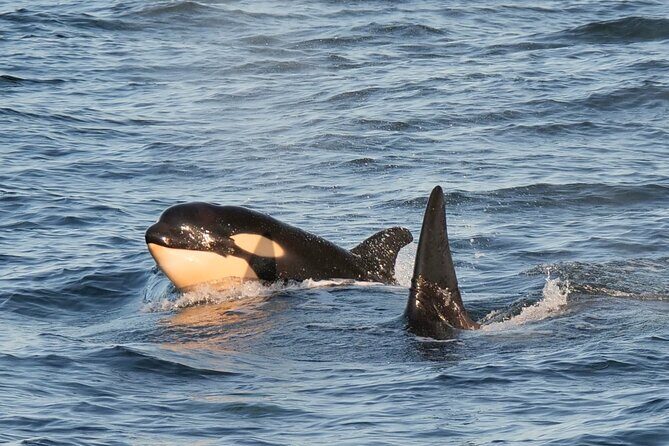
The tour’s named for sunset, and that’s not just marketing. Daylight changes how you spot and how the boat ride feels. Once the sun goes down, the water can look darker and more reflective, and your eyes start picking up silhouettes and movement that daytime light can wash out.
That said, sunset also brings temperature drop and wind. Bring warm layers and expect the chill to build as the ride continues. One very practical detail from past experiences: people have mentioned being provided with full-length life jacket suits that helped keep them warm, safe, and dry out on the water. That’s a huge comfort win if the evening is breezy.
Even with gear and suits, I still think closed-toe shoes and layers are non-negotiable. If you’re moving around to grab a viewpoint, chilly feet and damp clothes can ruin the last hour.


Guides and captains: instruction that turns sightings into stories
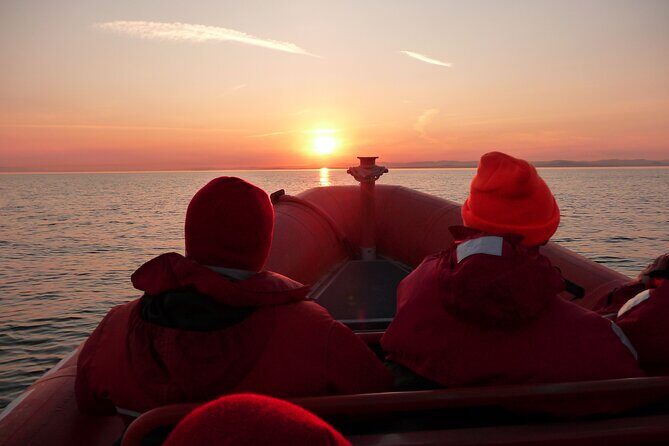
A big part of why this tour gets strong marks is the way the skipper and naturalist guide handle the group. Names that come up with consistent praise include Captain Cam, Captain Ian, Captain Jasper, and guide Heather. While you shouldn’t assume you’ll get a specific person, it’s a good sign that the operator puts effort into guiding style.
What you want from the person running the Zodiac is:
- Clear instructions so everyone can safely shift positions
- Patience when whales are around and you’re waiting for the next surface
- A teaching tone that helps you identify what you’re seeing
One recurring theme from strong experiences is how captains work to ensure both sides of the boat get good viewing time. That matters because on a small Zodiac, “front seat” can easily become uneven. When a captain actively manages sides, you don’t just ride—you watch.
If you love a particular animal—say orcas—pay attention to how your guide responds to interests. On some outings, captains have reportedly gone farther than usual to make the dream happen. That kind of extra effort can be the difference between a good whale watch and a trip you remember for years.
What to wear and bring for a 3-hour evening on the water
Even if you have a life jacket suit, dress like you’ll be cold at the end. The tour recommends warm layers and closed-toe shoes, and that guidance is spot on for a Zodiac ride.
Here’s a simple packing approach:
- Bring layered tops you can peel on if you get warm
- Add a hat because the wind can cut quickly once sunset hits
- Wear closed-toe shoes you won’t mind getting damp if conditions shift
The reason this matters is comfort and safety. When you’re warm, you move with more confidence and you’re less tempted to keep your eyes down trying to stay comfortable. Also, you’ll enjoy yourself more if you’re not thinking about your hands and feet the whole time.
Who this Zodiac tour is best for (and who should skip it)
This is a sporty, small-group whale watch—so it fits best with the right kind of traveler.
You’ll likely love it if you:
- Want close-to-the-water action rather than distant viewing
- Enjoy a fast-moving, hands-on experience
- Can handle a moderate amount of physical activity during boarding and shifting positions
- Dress for cold and don’t mind wind-chill at sunset
You should think hard or choose another option if you:
- Are pregnant (Zodiac boats are not for expectant mothers)
- Have health concerns involving neck, back, hip, or knee
- Have frail health or limited mobility
- Need a very stable, low-movement boat environment
Age and height rules also apply. The tour requires guests to be over age 7 and/or taller than 4.5 feet (130 cm). Kids who meet that requirement can go, but anyone under 19 must be accompanied by a parent or legal guardian who signs the waiver.
Price and value: $141.16 for a 3-hour whale chase
At $141.16 per person for about 3 hours, this isn’t a budget activity. The value comes from what you’re buying: a small max group Zodiac ride, guided wildlife spotting, and a sunset time slot that makes the experience feel like more than just animal-spotting.
What makes the price feel easier to swallow is the combination of:
- Close-up boat positioning on a fast inflatable
- An expert guide who helps you identify and track wildlife
- Maximum group size capped at 12, which can lead to better time at the rail and more engaged spotting
If you’re the type who doesn’t care about the difference between boats and just wants a chance to see whales, you might compare with other options. But if you want a more active, hands-on style of whale watching—especially at sunset—this price aligns with the experience quality.
Also note that it’s commonly booked about 59 days in advance on average. If you’re traveling in peak season or you want a specific evening, I’d plan ahead so you’re not stuck with only poor weather windows or limited availability.
Booking smart: making the sunset timing work for you
This tour is weather-dependent and is subject to passenger demand. That means you should treat it as a plan you’ll be flexible about. If conditions are rough, the operator may cancel or reschedule, and if cancellation happens due to poor weather you’ll typically be offered a different date or a full refund.
The best strategy: schedule this for a day where you have a bit of buffer. If you only have one day on the island with no backup, that’s when travel stress shows up.
A small but helpful detail: your ticket is mobile, and confirmation happens at booking. So you can keep your day straightforward and focus on getting to the wharf on time.
Should you book the Sunset Zodiac Tour?
Book it if you want an energetic, close-to-the-water whale watching experience from Victoria, you’re comfortable with a sportier boat ride, and you dress for cold evening conditions. This tour is also a strong fit if you enjoy learning while you watch—because the naturalist guidance changes the whole experience from “spotting” into real understanding.
Skip it if you’re sensitive to bouncy movement, have specific medical concerns around neck/back/hips/knees, have limited mobility, or you’re traveling with someone for whom a Zodiac setup is not appropriate. In those cases, there’s no point paying for comfort you won’t feel.
If you match the physical profile and you’re aiming for a memorable sunset on the water, this is one of the better ways to see the Salish Sea up close.