REVIEW · VANCOUVER ISLAND
Vancouver Island: 2-Hour Evening Kayak Tour from Telegraph Cove
Book on Viator →Operated by North Island Kayak · Bookable on Viator
Darkness makes wildlife easier to notice.
An evening paddle from Telegraph Cove puts you out on Johnstone Strait when the light shifts and the animals seem to get busier. I like that the trip is short and focused—about 2 hours—so you’re not committing your whole evening just to be on the water.
Two things I really like: you get the kayak and all equipment included, and you’re guided the whole time, which matters on moving water. One thing to consider: this experience is weather-dependent, and you should plan for possible last-minute changes.
In This Review
- Key takeaways before you go
- Johnstone Strait at 5:30 pm: why the evening timing matters
- Telegraph Cove start: what you’re signing up for
- The paddle itself: bull kelp, herring action, and intertidal surprises
- Wildlife you can hope to see at dusk
- What’s included (and what you’ll need to bring)
- Small group pacing: how it feels on the water
- Price and value: is $80.17 worth it?
- Weather reality in Telegraph Cove (and how to handle it)
- Who this tour is best for (and who should skip it)
- Should you book the Telegraph Cove evening kayak?
- FAQ
- What time does the kayak tour start?
- How long is the experience?
- Where is the meeting point?
- What’s included in the price?
- Do I need to bring snacks or water?
- How big is the group?
- What happens if weather is too poor to run the tour?
Key takeaways before you go
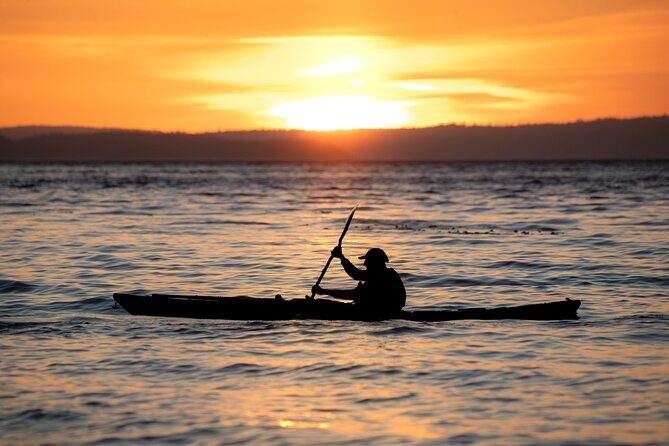
- Timed for evening conditions: you’re on the water when you may spot species that feel less common on daytime trips
- Gear included: you don’t have to source a kayak or worry about what “all necessary equipment” means
- Small group size (max 12): easier pacing, less crowding, and more attention from your guide
- Bull kelp and intertidal life: expect close-up natural details, not just distance views
- Wildlife possibilities: bald eagles, seals, sea stars, and other ocean life are part of the pitch
Johnstone Strait at 5:30 pm: why the evening timing matters
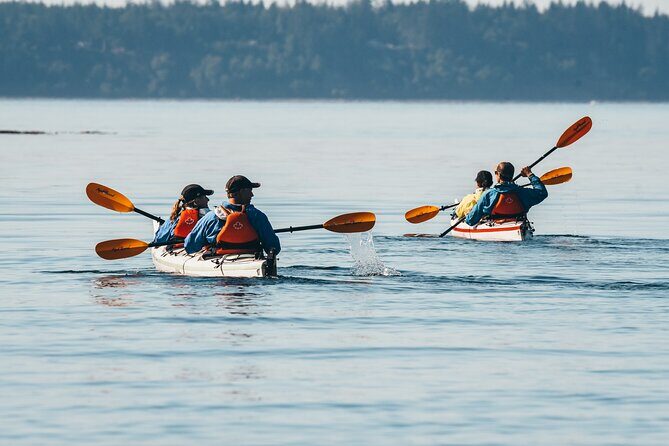
A kayak trip can be scenic at any hour. What makes this one different is the timing—starting at 5:30 pm—when visibility, animal behavior, and your overall pace on the water can change fast.
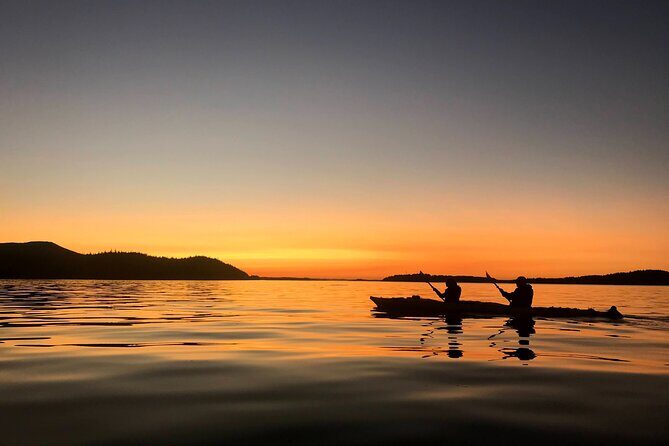
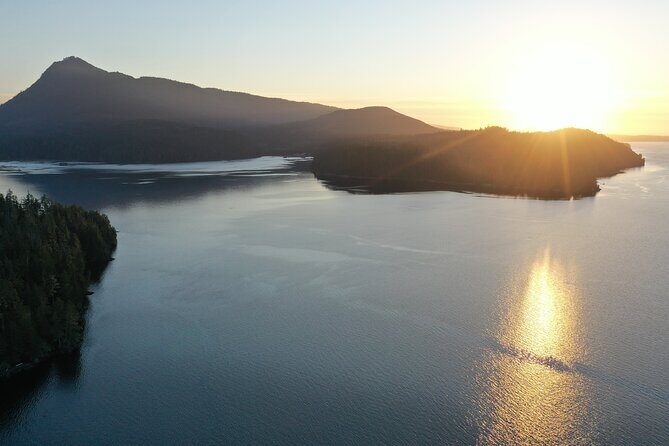
Late-day light often brings sharper contrast. That’s helpful for spotting wildlife along the coast, and it also makes the mountains near the mainland feel more dramatic as dusk builds. The overall vibe is calmer too: you’re not rushing to fit the tour into a full day plan, and you’re usually back before you have to think about late-night logistics.
You can also read our reviews of more evening experiences in Vancouver Island
Telegraph Cove start: what you’re signing up for
Your adventure begins in Telegraph Cove and ends back at the same meeting spot. That round-trip setup is a big practical win: you get to focus on paddling and wildlife watching instead of worrying about how you’ll get off the water at the far end.
The tour runs about 2 hours, and the group is kept small, with a maximum of 12 people. For a guided kayak, that size matters. It typically means you can move as a unit, your guide can keep an eye on spacing, and you’re more likely to get real-time help if you’re still finding your rhythm.
You’ll want a moderate physical fitness level. The good news: it’s short. The real test is usually staying comfortable for the full paddle and handling basic kayak control and balance.
The paddle itself: bull kelp, herring action, and intertidal surprises
The main “stop” you’re aiming for is the paddle area near Telegraph Cove. Expect your guide to steer you through places known for sea life and coastal texture—especially the bull kelp and what lives around it.
Bull kelp forms thick underwater forests. When you’re on a kayak, that matters because you can often see its structure and how it shapes the shoreline ecology. It’s not just scenery—you’re effectively gliding above a marine habitat where small movements can mean bigger activity below.
The tour also points to jumping herring and sea stars and other intertidal life. That’s a nice mix because it gives you more than one way to “read” what’s happening:
- some wildlife shows up as fast movement at the surface
- other life is more about what you notice close to shore and along rocky edges
You’ll be following along next to your guide, which is helpful when you want to spot things without turning your whole attention into a full-time navigation project.
Wildlife you can hope to see at dusk
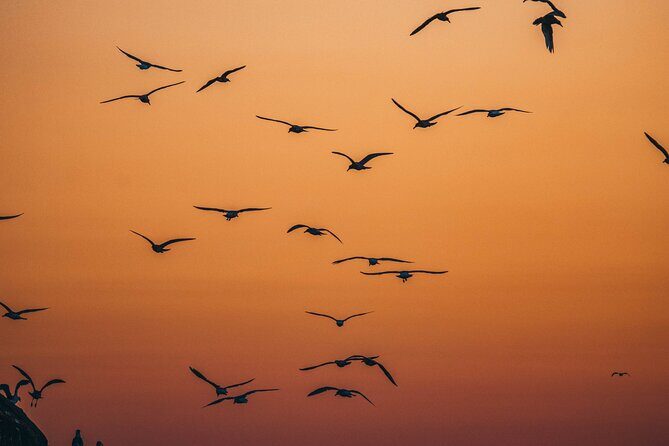
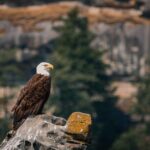
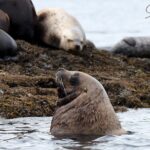
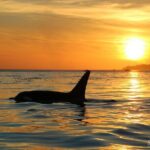
Evening tours can shift the odds. This one is set up with wildlife in mind, and the specific list is refreshingly concrete: bald eagles, seals, bull kelp groves, jumping herring, sea stars, plus other intertidal life.
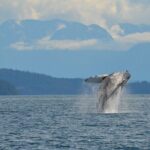
I’d also take seriously the extra wildlife possibilities that show up when the conditions line up—accounts include orcas, sea otter, and dolphins, along with the usual eagle-and-seal sightings. Nobody can promise what you’ll get on any single night, but the pattern here is clear: the guide is working an area where multiple species are possible.
A quick tip for making the most of wildlife chances: stay ready to shift your attention between the waterline and the shoreline. Eagles and seals can show up in different ways, and kelp areas can change the “look” of the water quickly, especially as the light fades.
What’s included (and what you’ll need to bring)
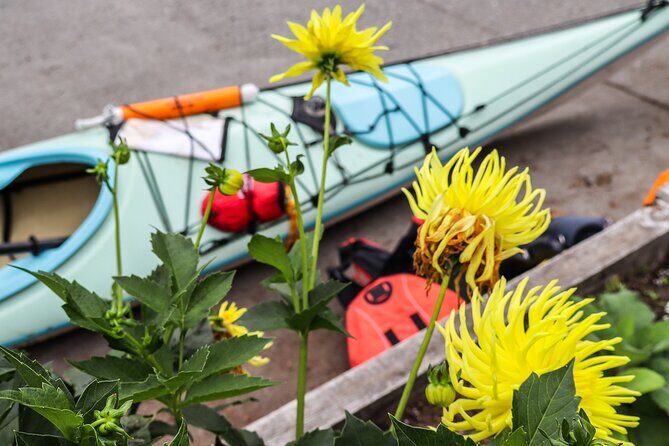
You’re covered for the big items: the kayak and all necessary equipment are included in the price. That’s a comfort factor, because it removes a common travel hassle—figuring out what gear you actually need, whether it fits, and how it gets managed during check-in.
What’s not included is more straightforward: snacks and bottled water. Since you’ll be out for about two hours, bring something simple if you’re likely to get hungry. If you tend to ride on adrenaline and then crash later, plan for it.
Also, you’ll want to dress for evening wind. Even if the day was mild, coastal evenings can feel cooler fast. Comfortable layers and a hat that handles breeze can make the difference between a fun paddle and an “I’m freezing” countdown.
A few more Vancouver Island tours and experiences worth a look
Small group pacing: how it feels on the water
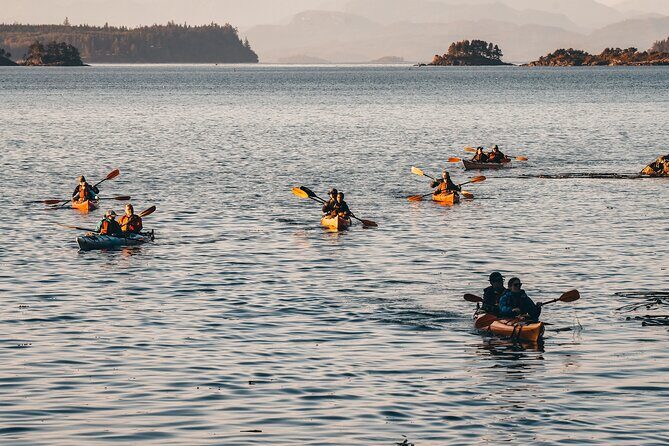
A max group size of 12 isn’t just trivia. On a guided kayak, it usually translates to smoother pacing and fewer bottlenecks when someone needs a moment.
It also helps for wildlife watching. If the group is too large, everyone spends time looking but few people actually get to see details. With a small group, your guide can time stops and repositioning better, so you’re not stuck behind someone taller or more distracted.
You’ll likely spend the experience in a guided flow: follow your guide, keep your kayak steady, and let the natural cues pull your attention. That’s the right approach for an evening outing where you want to enjoy the whole arc—from first views to the dimming coastline.
Price and value: is $80.17 worth it?
$80.17 per person can feel like a lot if you compare it to a rental. But kayaking with a guide is different: you’re paying for local routing knowledge, wildlife spotting skill, and the equipment setup.
The value case here is strongest because:
- the kayak and equipment are included
- the tour is short (about 2 hours), so you’re not buying a half-day block
- wildlife spotting is part of the plan, not an afterthought
- the group size is capped at 12, which keeps the experience more personal than mass tours
If you’re already the type who loves nature details—kelp, intertidal life, and animals with sharp seasonal timing—this price starts to make sense quickly. If you’re purely chasing a scenic sunset and don’t care much about wildlife or close-up coastal life, you may prefer a different activity with fewer variables.
Weather reality in Telegraph Cove (and how to handle it)
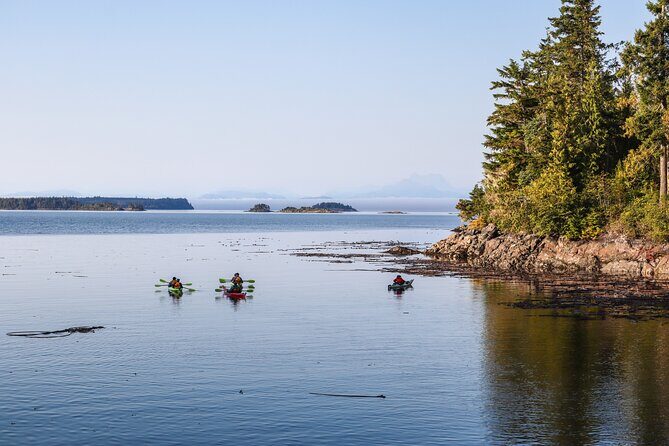
This is the part I’d plan around. The tour requires good weather, and winds can change rapidly in the area. One key takeaway: don’t assume you’re safe just because the day started fine. If the conditions are off, the trip may not go ahead.
The upside is that the operator builds safety around that reality. If weather cancels the experience, you’re offered either a different date or a full refund. That’s the practical safety net.
How to play it smart: if you have a flexible evening, this is a good pick. If your schedule is locked tight, try not to stake everything on a single 5:30 pm slot.
Who this tour is best for (and who should skip it)
This evening kayak fits best if you:
- want a guided water experience with wildlife potential
- enjoy close coastal nature—bull kelp, intertidal life, and surface action
- prefer a shorter commitment of about 2 hours
- are comfortable with moderate physical effort on the water
It may be less ideal if you:
- hate any chance of weather disruption (because this one depends on conditions)
- want food included as part of the package (you’ll bring your own snacks and water)
Should you book the Telegraph Cove evening kayak?
If your goal is an efficient, guided way to experience Vancouver Island’s coastal marine life, I think this is a strong booking candidate. The combo of included gear, a small group, and a dusk-timed route aimed at wildlife makes it feel like more than “just a paddle.”
Book it if you can handle a weather-based pivot and you’d actually notice the details—kelp forests, seals, sea stars, and the kind of animal activity that tends to show up at the waterline. Skip it if you’re only there for guaranteed views with zero uncertainty, because evening conditions are the rule here, not the exception.
If you do book, plan to dress warmly, bring a snack, and mentally switch from daytime sightseeing mode to “watch mode.” This tour rewards attention.
FAQ
What time does the kayak tour start?
It starts at 5:30 pm.
How long is the experience?
The tour is about 2 hours.
Where is the meeting point?
The meeting point is in Telegraph Cove (meeting point listed as G5W8+J8 Telegraph Cove, BC, Canada).
What’s included in the price?
The price includes the kayak and all necessary equipment.
Do I need to bring snacks or water?
Yes. Snacks and bottled water are not included.
How big is the group?
The tour has a maximum of 12 travelers.
What happens if weather is too poor to run the tour?
If it’s canceled due to poor weather, you’ll be offered a different date or a full refund.