REVIEW · VANCOUVER ISLAND
Sunset Whale and Wildlife Adventure in Cowichan Bay
Book on Viator →Operated by Ocean EcoVentures INC · Bookable on Viator
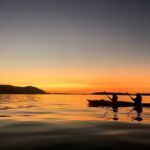
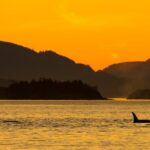
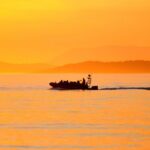
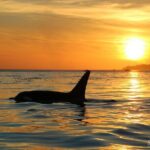
Cowichan Bay at sunset is pure movie magic, especially when whales show up. This 4-hour evening cruise in the Salish Sea mixes wildlife watching with golden-light views and real naturalist know-how.
I especially like the way the trip is set up for long sighting time—when the animals are close, you’re not rushed out of the moment. I also like the small-group size (a max of 12), which makes it feel calm and controlled on the water. One practical catch: you’ll need to wear the floatation/cruiser suit, and if it’s windy or cold out, you’ll feel that during the fast ride before the sun really warms things up.
In This Review
- Key points to know before you go
- Where this whale-watching trip fits in (Cowichan Bay, Salish Sea, sunset hours)
- Price and value: what you’re really paying for
- The boat setup: fast ride, warm gear, and why it matters
- What happens once you’re on the water (a practical walkthrough)
- 1) Leaving Cowichan Bay: the fast start
- 2) A reef-and-seal style stop (short break, good learning)
- 3) The main event: orcas, humpbacks, killer whales, and friends
- 4) The return toward shore under sunset light
- Wildlife odds: what you can count on vs what you can hope for
- The guides: what makes the spotting feel different
- Comfort tips for the real world (so you enjoy the full 4 hours)
- Who this is best for (and who might want a different option)
- Should you book the Sunset Whale and Wildlife Adventure?
Key points to know before you go
- Small group (12 max): More personal spotting and a calmer boat vibe.
- Sunset timing: Late-day light can make wildlife sightings and photos easier.
- Floatation suit included: Built for safety and warmth on a cool evening cruise.
- Fast boat, multiple stops: You cover ground quickly between wildlife areas.
- Naturalist-guided spotting: Guides help you read whale behavior, not just spot backs.
- Seasonal daily runs: Late June to early September, operated daily.
Where this whale-watching trip fits in (Cowichan Bay, Salish Sea, sunset hours)
If you’re aiming for a whale cruise that feels closer to nature than a checklist, this is the kind of trip I like: short enough to keep energy up, late enough to catch that Pacific dusk glow, and structured around wildlife behavior rather than constant scanning for a dot in the distance.
You meet at 1721 Cowichan Bay Rd, Cowichan Bay, BC V0R 0C2, and you return to the same place. The whole outing runs about 3.5 to 4 hours, with trips operating daily from late June to early September. The schedule also matters: evening cruises tend to deliver that mix of calmer water in breaks, warmer air when it hits, and wildlife activity that’s easier to observe in softer light.
One reason people book this far ahead (on average, about 23 days) is simple: summer is busy around Vancouver Island, and sunset tours are the first to fill. So if you’re traveling in July or August, I’d lock it in early.
You can also read our reviews of more evening experiences in Vancouver Island
Price and value: what you’re really paying for
At $159.09 per person, this isn’t the cheapest way to go see whales. But value on whale cruises isn’t just about distance and time—it’s about (1) getting you into the right areas, (2) staying there long enough to see real behavior, and (3) making the experience comfortable and safe.
Here, you get a few value boosters:
- Floatation suit included (safety plus warmth). That’s not a small add-on on a windy evening.
- Limited group size (max 12). You’re not packed in like you’re trying to win a seat on a bus.
- Guided wildlife focus. Captains and naturalists help you understand what you’re seeing—why animals move, what feeding or surfacing behavior can mean, and where to look next.
- Sunset timing. If the whales show up at the right moment, the light does half the work for your photos and memories.
A quick note for decision-making: if you’re the type of person who wants a higher chance at calm conditions, you should pick a day when the forecast looks good. This experience requires good weather, and if conditions are poor, you’ll be offered a different date or a full refund.
The boat setup: fast ride, warm gear, and why it matters
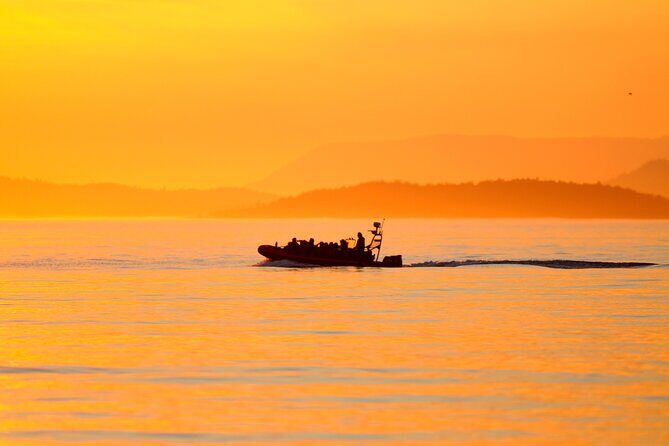
This tour is built around a boat ride that moves quickly between sightings. Several people specifically praised the speed and the way it gets you out to wildlife areas in time for sunset. That fast transit is part of the plan: it’s how you cover the water efficiently while you still have good light.
That also means you should expect some motion—especially at the beginning and during the open-water sections. One reviewer even pointed out that conversation on the go is hard, so bring patience for the first stretch. Kids in that case handled it fine after a bit, but the pacing is still something to keep in mind.
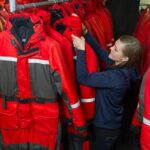
The floatation suit is central to your comfort. It’s included for safety and warmth, and one guest noted the suit really helped around 8:00 pm. Translation: it’s not just a formality. If you’re planning on layers, treat the suit as the main warmth tool, not a backup.
If you’re sensitive to cold or you hate wearing bulky gear, this is the only part that could sour the experience. Still, when the whales arrive and the light turns golden, most people feel the effort was worth it.
What happens once you’re on the water (a practical walkthrough)
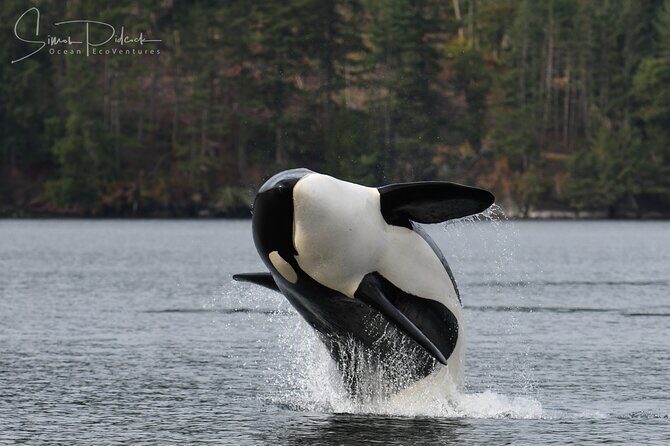
Because wildlife is wildlife, the exact sequence can vary from trip to trip. But the pattern is consistent: you head out from Cowichan Bay, move between wildlife zones quickly, slow down when you’ve got something worth watching, and return in time for that late-day glow.
1) Leaving Cowichan Bay: the fast start
You’ll motor out from the meeting point and work your way toward whale habitat. On some trips, the start includes wind and chop. One family described motoring at high speed into wind at first, then the wind easing after about twenty minutes once they were out in broader waters.
Why that matters: the first stretch is when you’ll feel the “boat ride” most. If you’re prone to motion sickness, consider prepping for it ahead of time. The upside is that once the boat finds the action, you usually get a more rewarding rhythm: transit, sighting, then more transit.
You can also read our reviews of more whale watching tours in Vancouver Island
2) A reef-and-seal style stop (short break, good learning)
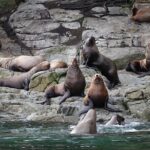
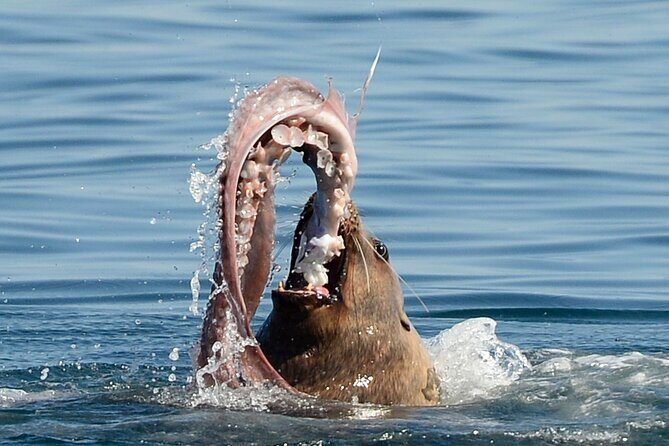
On at least one trip, the captain-naturalist made a short stop at a reef with kelp and seals. It’s not just for spotting. These stops often give you a break from the ride and a chance to learn the “who feeds on what” connections in the ecosystem.
This kind of stop is valuable because it changes the whole experience from random luck to something you can follow. Once you understand how seals use that habitat, whale presence starts to make more sense.
3) The main event: orcas, humpbacks, killer whales, and friends
This is where the evening earns its name. Depending on what’s moving in the area that day, you could see:
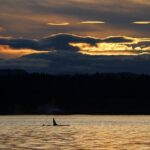
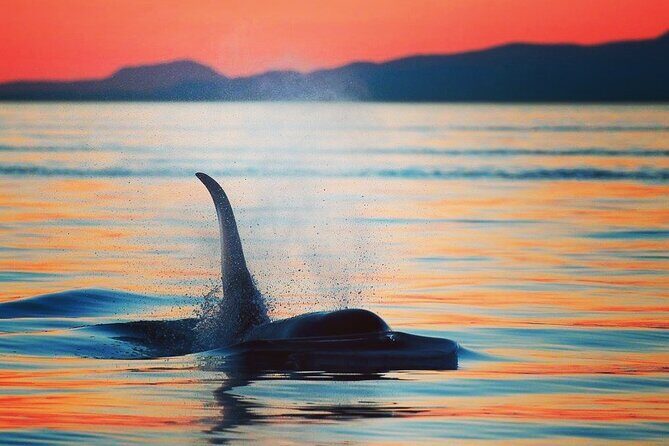
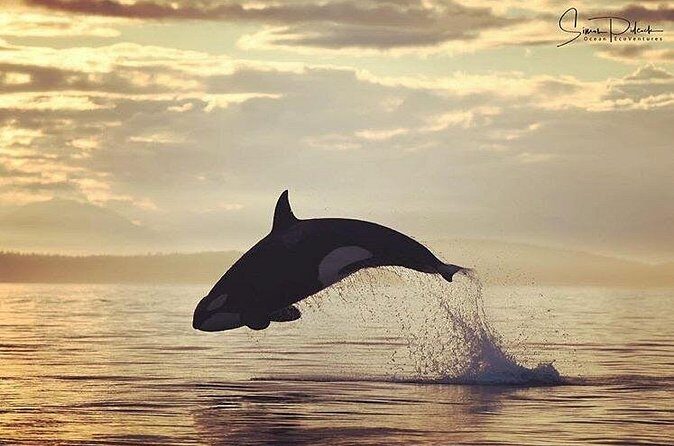
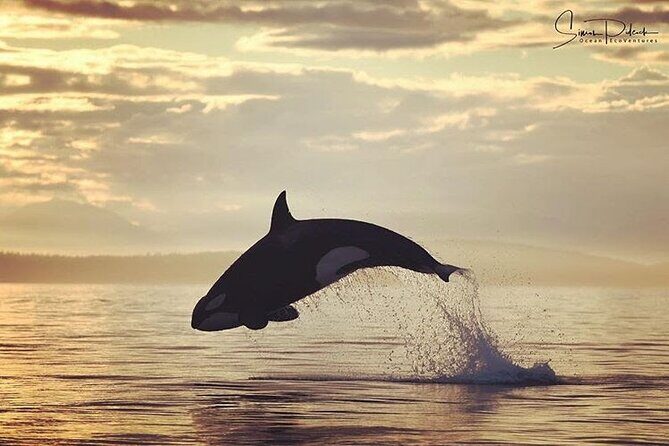
- Orcas (including reports of multiple families and long, steady observation time)
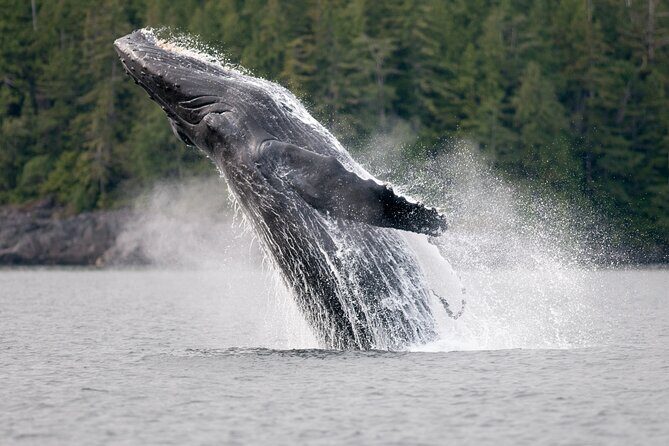
- Humpback whales (including a very memorable sunset moment for one group)
- Killer whales (another group described a long sighting and a show-like sequence)
- Possibly other wildlife like harbour seals, sea lions, porpoise, eagles, and even pelicans in some cases
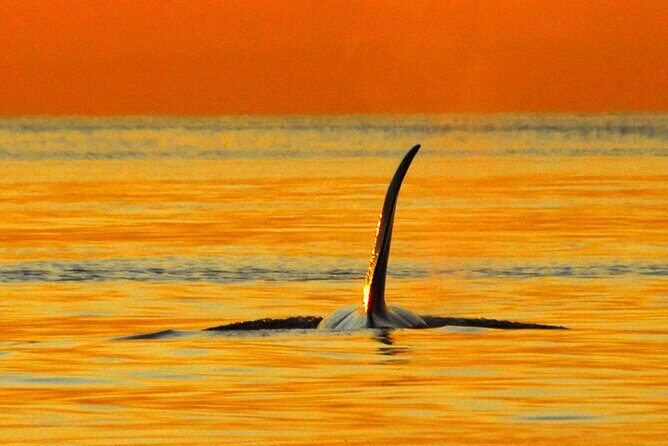
One guest described a trip that included three families of Orca and about 11 orca in total. Another mentioned staying with a group of orcas for around 45 minutes before breaking off. That’s an important detail: it’s not just a drive-by. When the whales are there, the boat can linger while you watch surfacing patterns and feeding or social behavior.
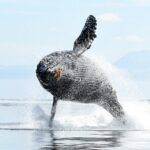
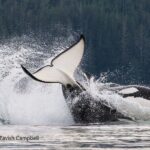
And yes, you can get major moments in the last light. One review mentioned a whale breach in front of the group. Another described whales feeding and diving behavior that looked dramatic under sunset lighting.
4) The return toward shore under sunset light
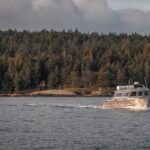
After you’ve had your whale time, the route turns back. The mood tends to shift from “find and focus” to “take it in.” You’re heading home with that late-day sky behind you—exactly when you’ll feel like the cruise earned its place on your trip.
A few people mentioned the final return leg in the suit and the setting sun as part of why the whole outing felt complete, not just “saw whales, done.”
Wildlife odds: what you can count on vs what you can hope for
Here’s the honest version. You’re booking a sunset wildlife adventure, not a guarantee of specific species. But you can count on this experience being tuned for whales and teaching you how to watch them.
What you can hope for (based on real trips):
- Humpback whales and orcas are clearly common targets, with multiple accounts of people getting those sightings.
- Seals and sea lions show up often enough to be part of the typical wildlife mix.
- Raptors like bald eagles can appear.
- Other birds, including brown pelicans, show up on some trips.
- On certain outings, you might even see porpoise and additional whale types.
So if your personal “bucket list” is orcas or humpbacks, you’re in the right area and the boat plan is built for exactly this.
If you’re a birder, you’ll probably enjoy the extras. And if you’re traveling with kids, whale cruises tend to be a big hit—but the motion on the fast ride is the one thing you’ll want to prepare them for.
The guides: what makes the spotting feel different
A big part of why people love this cruise is the people at the helm. Several reviews singled out captains and naturalists by name:
- Andi: praised for knowing what to look for and for delivering a trip where whales felt close and peaceful, including being one of the only boats around.
- Taz: noted for being friendly and knowledgeable, plus guiding a successful search for killer whales.
- Katie (and Kate): mentioned for leading long orca observations, making guests feel safe, and explaining the natural chain of life at the reef stop.
What I like about this kind of guide is that it turns whale watching into something you can follow. Instead of only scanning for a spout, you start watching patterns: where whales surface, how they move as a group, what feeding or social behavior might look like, and why the boat changes position.
Comfort tips for the real world (so you enjoy the full 4 hours)
You don’t need to overthink gear, but you do need to be practical. Evening water in summer can still feel cold when you’re moving fast. Here are the choices that help:
- Wear layers under the suit. The suit helps, but your clothes still matter.
- Bring something to protect your hands if you run cold. Even if the suit is warm, you may hold cameras or binoculars.
- Be ready for wind early. Several trips included wind or bumpiness on the way out, with better conditions after heading farther out.
- Plan for a short wait while the boat travels. You’re not sitting still for long, but there are transit periods where you’ll want patience.
- Have a camera plan. Sunset light can be beautiful, but whales can surface fast. Keep your settings simple and be ready to shoot quickly when you see action.
If you’re traveling as a group, know that the small size means you’ll all be paying attention. That’s great for shared moments, but it also means there’s less room to “wander off.”
Who this is best for (and who might want a different option)
This sunset cruise is a great fit if:
- You want whales plus sunset in one outing.
- You like a small group rather than a large cattle-car boat.
- You value learning what you’re seeing, not just checking a box.
- You’re comfortable with a bit of wind or movement in exchange for real sightings.
It may be less ideal if:
- You strongly dislike wearing a bulky safety suit.
- You’re extremely sensitive to motion or cold and don’t plan for it.
- You only want a super calm, sit-and-stare cruise. This one is built for speed between areas.
Should you book the Sunset Whale and Wildlife Adventure?
I think you should book it if your trip to Vancouver Island includes a “sunset moment” you want to remember—and if you’re okay with suiting up and riding fast between sightings. The combination of small group size, floatation suit comfort, and the repeated reports of long whale encounters in the last light make this a strong value for a summer evening.
Skip it only if you know you’ll hate the cruiser suit or you’re hoping for guaranteed orcas on a guaranteed schedule. Nature controls the sightings. But the trip is clearly set up to maximize the chances—and then make the time you spend with whales feel unhurried when they arrive.