REVIEW · SQUAMISH
Squamish Rock Climbing Taster
Book on Viator →Operated by Mountain Skills Academy & Adventures · Bookable on Viator
Want to try climbing without the long commitment? This half-day rock climbing taster in Squamish takes you to the Whistler or Squamish crags for guided single-pitch routes, so you’re learning and climbing in the same session.
What I like most is how tailored the experience feels. The guide adapts climbs to your ability and goals, so you’re not stuck doing something either too hard or too easy. I also love that the equipment is provided—shoes, harness, helmet, and ropes—plus the guide takes photos, which is a nice bonus after you’ve wrestled your way up a wall.
The one thing to watch is the outdoors-only reality: the activity requires good weather, and the exact climbing spot can depend on where your group goes. Plan your day with flexibility.
In This Review
- Quick hits before you climb
- Why Squamish (and nearby Whistler) is perfect for a first climb
- How the 4-hour taster usually unfolds (and what each phase gives you)
- 1) Meet, gear up, and get oriented
- 2) Learn the essentials that keep you safe
- 3) Head to the crag and climb single-pitch routes
- 4) Wrap-up with photos and a calm landing
- Belaying and safety: where good guides turn fear into focus
- Whistler vs. Squamish crags: why your exact location matters less than the style of climbing
- Price and value: what $104.01 covers (and what it doesn’t)
- Who this taster fits best (and who should look elsewhere)
- What to bring (since snacks, water, and transport aren’t included)
- Weather and the meeting point reality in Squamish
- Should you book the Squamish Rock Climbing Taster?
- FAQ
- What is the price and duration of the Squamish Rock Climbing Taster?
- What’s included in the experience?
- Are snacks, water, or transportation included?
- Can beginners participate?
- Where do we meet, and where does it end?
- How many people are in a group?
- What happens if the activity is cancelled due to poor weather?
Quick hits before you climb
- Certified guidance for a true beginner intro: you learn the fundamentals, not just a quick demo.
- Belaying and safe equipment use: instruction covers how to belay and work with the gear.
- Single-pitch routes that fit your level: you climb routes chosen for your ability and interests.
- All core climbing gear included: climbing shoes, harness, helmet, and ropes are part of the package.
- Small group size: up to 6 travelers means more attention and fewer bottlenecks.
- Guide photo coverage: you’ll get photos taken by the guide.
Why Squamish (and nearby Whistler) is perfect for a first climb
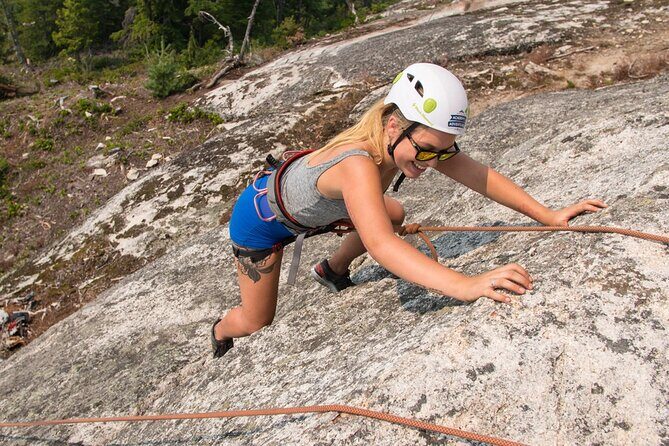
Squamish is one of those places where climbing feels practical, not just aspirational. The area’s known for accessible routes and great single-pitch climbing—perfect when you’re trying rock climbing for the first time or brushing up basics.
In this taster, you’re not sent off to wander. You’re guided to local crags around Whistler or Squamish, and the plan is built around giving you time on the wall. That’s the big difference between watching videos and actually learning how rock climbing works in motion—feet finding edges, the rhythm of belaying, and how the rope changes your whole mindset.
Also, you get to keep it real. This isn’t a fancy production. It’s a hands-on session with a guide who focuses on safety and skill, and then lets you climb.
You can also read our reviews of more tours and experiences in Squamish.

How the 4-hour taster usually unfolds (and what each phase gives you)
The session runs about 4 hours, and it’s structured to move fast without cutting corners. Here’s the flow you should expect.
1) Meet, gear up, and get oriented
You start at Squamish Adventure Centre, 38551 Loggers Ln, Squamish, BC V8B 0H2. Since the meeting location can vary based on where the group will be climbing, your guide will direct you from there with what’s needed for the day’s plan.
Then it’s straight to gear. You’ll be fitted with a harness and helmet, and you’ll get climbing shoes and ropes for the session. You’ll also get quick guidance on how everything should feel and work together—because if the harness is wrong or the shoe fit feels off, your confidence drops fast.
2) Learn the essentials that keep you safe
A taster only works if you actually understand the basics. This one includes instruction from a professional certified guide, with teaching on how to belay and how to use the equipment properly. That’s the core “I can do this” skill that turns climbing from scary to doable.
In practice, you’ll get time to understand:
- how the belay system works
- how the rope is managed
- what to watch for during the climb
A lot of first-timers think they’ll only need climbing strength. They don’t. The session teaches the systems side too.
3) Head to the crag and climb single-pitch routes
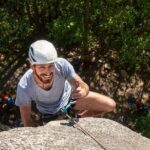
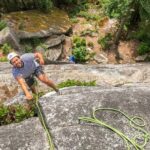
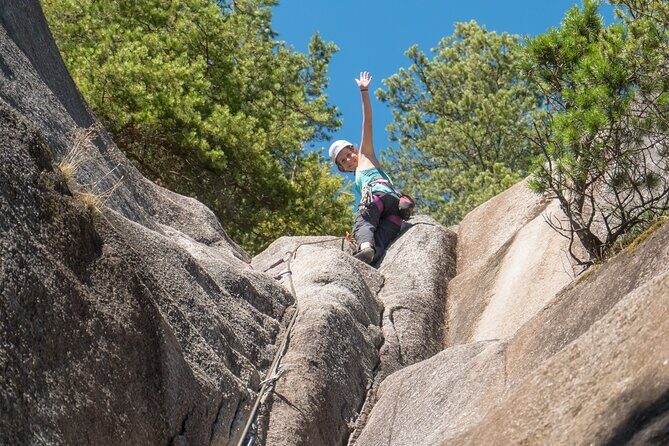
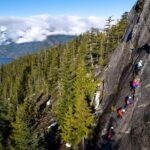
Once you’re set with safety basics, the guide introduces you to the local climbing areas and starts putting you on the wall. The goal is single-pitch routes, which is great for a first taste. You get a defined climbing effort, and you’re not committing to long multi-pitch days.
You’ll climb routes that match your ability and interests. That’s where this taster earns its reputation for being fun and challenging at the same time. Your guide can push you a bit, but they can also dial it back if your technique needs time.

4) Wrap-up with photos and a calm landing
Toward the end, you’re done climbing and you head back to the meeting point. The package includes photos taken by the guide, which means you’re not stuck with a friend holding a camera awkwardly at awkward angles—your proof of progress is handled.
Belaying and safety: where good guides turn fear into focus
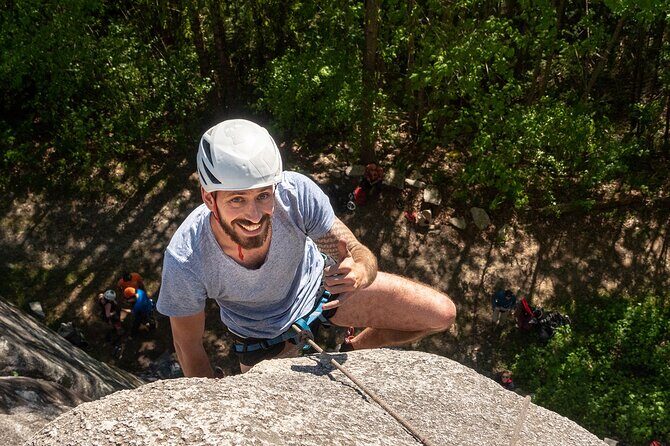
Rock climbing isn’t just about strength. It’s about communication, control, and good habits. This taster is designed around that reality.
The biggest practical win here is that you’ll be taught how to belay and how to use the gear correctly. Reviews back this up with real details: you learn belaying and equipment use with a guide who is responsible and professional, and you get a supportive push without chaos.
Two guide names come up in the feedback: Maya and Ivan. Maya is described as reading people’s capabilities and interests to shape the day. Ivan is praised for being knowledgeable and creating an environment where you can push yourself while still feeling supported. That combination matters. If a guide only keeps things safe, you won’t grow. If a guide only pushes, you won’t relax enough to learn.
So what you should take from this: you’re going to leave with more than a photo. You’ll have a basic understanding of the systems and the mindset required to climb safely with a partner later.
Whistler vs. Squamish crags: why your exact location matters less than the style of climbing
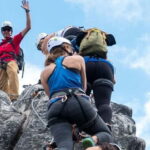
This taster uses local rock climbing crags of Whistler or Squamish. That means the exact rock setting can shift depending on where your group climbs, but the experience stays consistent in style: single-pitch routes, suited to your level, guided by a pro.
Why that’s a good thing for you:
- If the route choice adapts to your comfort, you get real success during a short session.
- If conditions make one spot better than another, the day stays active instead of getting wasted.
- You still get that “I’m on real rock” feeling, not just a training-only session.
One more practical detail: the meeting location depends on where the group will be climbing. That doesn’t mean it’s confusing—it means you should be ready for the guide to tell you what to do next. Keep your schedule flexible and stay responsive when they share the plan.
Price and value: what $104.01 covers (and what it doesn’t)
At $104.01 per person for about 4 hours, this can feel like a lot—until you see what’s included. You get:
- climbing shoes, harness, helmet, and ropes
- a professional certified guide
- photos taken by the guide
For first-timers, equipment costs add up quickly if you have to rent it all separately. Here, the gear is handled for you. You also pay for the guide’s judgment: route choices, safety checks, and teaching you how to belay. That’s the part that makes the difference between a risky day and a confident one.
What’s not included is also important:
- guide gratuity (suggested)
- snacks and water
- transportation
- accommodation
So the value equation looks like this: you’re paying for instruction + gear + guidance, not for a full-day travel package. If you’re local and can handle your own snacks and getting to the meeting point, this is a solid deal for a real climbing introduction.
Who this taster fits best (and who should look elsewhere)
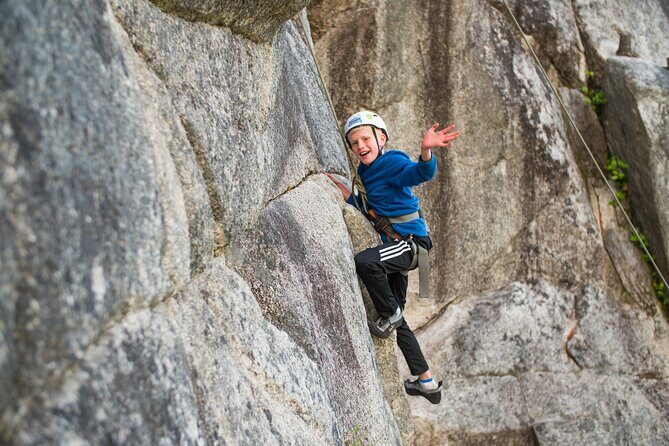
This works well for you if:
- you want to try rock climbing without buying a big kit
- you’re okay with learning belaying and basic gear use in one session
- you want a small-group day (max 6 travelers) with a guide who can adjust the climb
It’s also a good fit if you’re a newer climber who hasn’t been out in a while. The feedback includes people who felt strong but short on recent experience, and they got a guide (again, Maya is specifically mentioned) who calibrated the challenge to match.
You might want a different kind of course if:
- you’re looking for multi-day instruction or long routes
- you want transportation and a full day of logistics handled for you
- you need a strictly indoor climbing schedule (this one depends on weather)
What to bring (since snacks, water, and transport aren’t included)
The tour supplies key gear, but you still need to set yourself up for comfort. Since snacks and water aren’t included, I recommend you bring both—especially because you’ll burn energy climbing and then cool down while belaying and waiting for turns.
For clothing, think “climbable layers.” You’ll want something that moves easily on the rock and doesn’t restrict your legs when you’re searching for footholds. Sun protection matters too, since the day is outdoors and you’re likely standing around between climbs.
And don’t forget the simplest thing: arrive ready to climb. The session is short. If you’re late or scrambling at the last minute, you lose valuable time on the wall.
Weather and the meeting point reality in Squamish
This experience requires good weather. That matters because, unlike an indoor gym class, rock climbing is sensitive to conditions. If it gets cancelled due to poor weather, you’ll be offered a different date or a full refund.
Also, note that the meeting location depends on where the group will be climbing. Your session starts at Squamish Adventure Centre, and it ends back there. Plan your day around that base point, but stay ready for your guide to direct the group to the actual climbing area.
Timing-wise, it’s often booked around 6 days in advance, so if you want a specific day, don’t treat it like a last-minute gamble.
Should you book the Squamish Rock Climbing Taster?
If you want a short, guided introduction to outdoor climbing near Whistler/Squamish, I’d say yes—this is built for your first real session on rock.
Book it if:
- you want equipment included and a certified guide
- you like the idea of single-pitch routes instead of a big multi-day commitment
- you want teaching that includes belaying and equipment use, not just climbing
Skip it (or look at something else) if:
- you can’t be flexible with weather
- you expect snacks, water, or transportation to be handled for you
- you’re looking for long routes or advanced training depth in one half day
In short: this is a focused day—learn safety, climb real routes, get photos, and go home with skills you can build on.
FAQ
What is the price and duration of the Squamish Rock Climbing Taster?
The tour costs $104.01 per person and lasts about 4 hours.
What’s included in the experience?
You’ll get climbing equipment (climbing shoes, harness, helmet, ropes), a professional certified guide, and photos taken by the guide.
Are snacks, water, or transportation included?
No. Snacks and water are not included, and transportation is not included.
Can beginners participate?
Yes. The experience notes that most travelers can participate, and the outing can be tailored to your skill level.
Where do we meet, and where does it end?
The start meeting point is Squamish Adventure Centre, 38551 Loggers Ln, Squamish, BC V8B 0H2, Canada. The activity ends back at the meeting point.
How many people are in a group?
The group has a maximum of 6 travelers.
What happens if the activity is cancelled due to poor weather?
If it’s cancelled because of poor weather, you’ll be offered a different date or a full refund.