REVIEW · SQUAMISH
Squamish Discovery Eco-tour
Book on Viator →Operated by Blazing Saddles Adventures · Bookable on Viator
Tides and bikes meet here. The Squamish Discovery Eco-tour pairs electric e-bikes with hands-on nature learning at the Squamish Estuary, where you can actually see how freshwater and saltwater mix with the tides. It’s a short outing with big payoff if you like wildlife, conservation facts, and not having to pedal like you’re training for a race.
I also like that the tour runs in a small group (up to 4 people), so your guide can match the pace—especially if you’re new to e-bikes. The main consideration is that this experience needs good weather, so plan for possible rescheduling if conditions are poor.
In This Review
- Quick hits
- Squamish Estuary: tides, nutrients, and why this place is rare
- Salmon spawning habitat: conservation with a living timeline
- The 2–3 hour e-bike ride: how the trail mix keeps it fun
- Small-group logistics with Blazing Saddles Adventures
- Price and value: is $111.84 a fair deal?
- Who should book this eco-tour in Squamish?
- Should you book the Squamish Discovery Eco-tour?
- FAQ
- FAQ
- How long is the Squamish Discovery Eco-tour?
- Where does the tour start?
- Is the tour in English?
- How many people are in the group?
- Do I need to print anything or can I use a phone ticket?
- What happens if the weather is bad?
- What is the cancellation policy?
Quick hits
- Up to 4 riders means a calmer pace and easier questions along the way.
- Local guide energy: you may get humor plus real local detail from guides such as Brent or Christian.
- Tide science you can picture at the Squamish Estuary (flood/ebb and the mix of fresh and salt water).
- Salmon spawning habitat focus gives the outing a clear conservation purpose.
- Estuary admission is free for this stop, so you’re not paying extra once you’re there.
Squamish Estuary: tides, nutrients, and why this place is rare
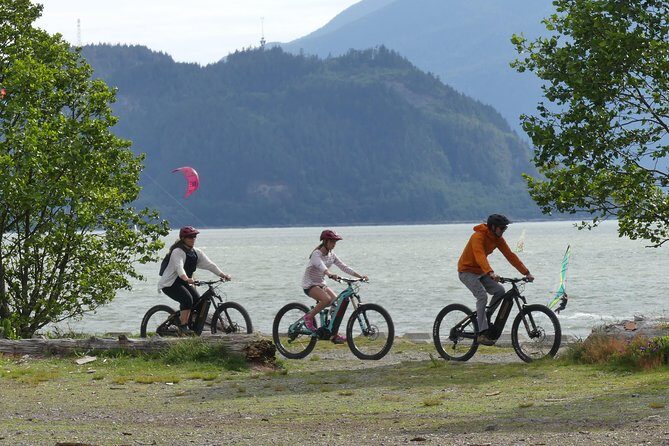
The tour’s first stop is the Squamish Estuary, and it’s a smart choice for a short eco-tour. An estuary is where a river meets the sea, creating a living “mixing zone” that changes every tide. During flood tide, ocean water pushes into the estuary and up the lower river reaches. During ebb, fresh water flows back toward the sea and pushes lighter fresh water and river sediment into the estuary basin.
Why does this matter to you, not just to biology? Estuaries are among the most productive coastal environments. The info you’ll hear makes the big point fast: their protected inner waters, loaded with sediments, create food conditions that can outdo both open ocean and even the best agricultural land. That’s the kind of fact that helps you look at a calm shoreline and think, Oh—this is a machine.
There’s also a conservation reality check baked into the explanation. The tour context includes stark numbers: about 80% of the Fraser Estuary has been lost or altered, and roughly 50% of the Squamish estuary has been lost or developed. It’s a lot to process at first, but it also explains why this stop feels more meaningful than a standard scenic pull-off.
On this ride, you’ll be learning while you move. That matters because estuary habitat can feel abstract when you only read about it. Seeing the shoreline and getting the flood/ebb story in plain language helps you connect the dots between what’s happening in the water and what life depends on it. You get to leave with a mental picture, not just a list of terms.
One practical perk: you’re not tied up for half a day. The tour is designed for a focused window of time—about 2 to 3 hours—so you can enjoy the learning without turning your day into “stand around and wait.” And since the estuary stop includes free admission, it’s a tidy value step-in while you’re out there.
You can also read our reviews of more tours and experiences in Squamish.

Salmon spawning habitat: conservation with a living timeline
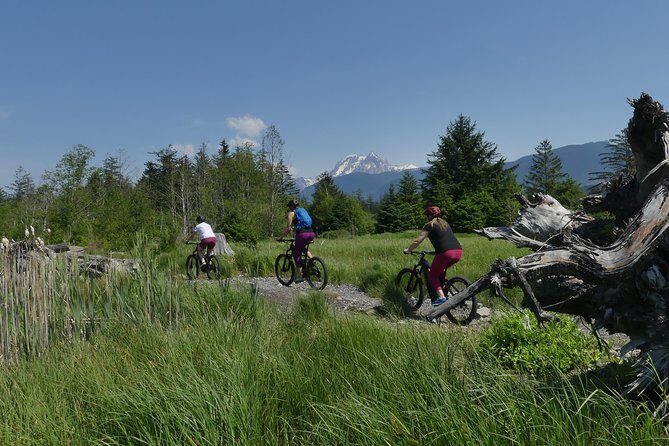
The second stop centers on salmon spawning habitat. Even if you’re not a hardcore fisheries person, this is the kind of natural history that makes sense in a single conversation: salmon need specific places to complete their life cycle, and habitat condition affects whether that cycle can keep going.
What you’ll get here is not just a “look at fish” moment. The payoff is understanding habitat importance. When a local guide points you toward salmon spawning habitat, the story usually connects the dots from the estuary ecosystem to the salmon’s needs—clean enough conditions, the right setting, and enough ecological balance to support spawning.
This is also why the stop pairs well with the estuary. Estuaries function like transition zones. They’re where fresh and saltwater meet, where sediments move, and where productivity ramps up. Salmon, meanwhile, rely on freshwater and downstream coastal connections during different parts of their life cycle. When you walk through these ideas at two nearby locations in one outing, it’s easier to grasp the larger picture without a long classroom lecture.
Seasonality is the only piece to keep in mind. The tour is clearly about habitat, and the timing for visible salmon activity can vary. The important point for your planning is that you’re signing up for habitat interpretation and learning. You’re not guaranteed a specific wildlife sighting in the way a whale-watch might promise.
That said, you’ll leave knowing why places like this are treated as scarce and worth protecting. When a guide explains why estuaries are limited on BC’s coastline (the info you’ll hear notes they’re less than 3% of the province’s coastline), salmon habitat becomes part of a bigger conservation story. This isn’t only about one species. It’s about the health of the whole system that supports it.
The 2–3 hour e-bike ride: how the trail mix keeps it fun
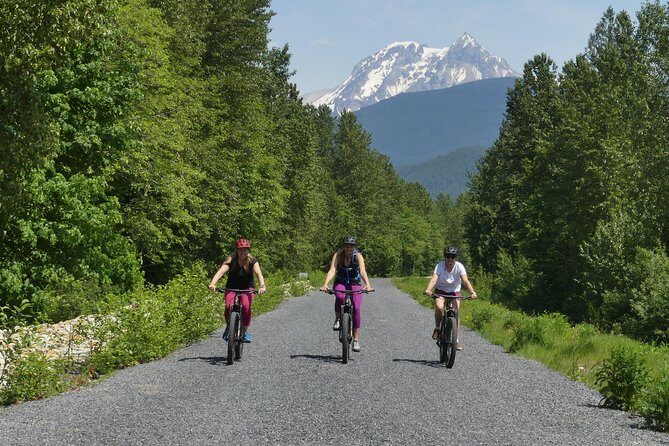
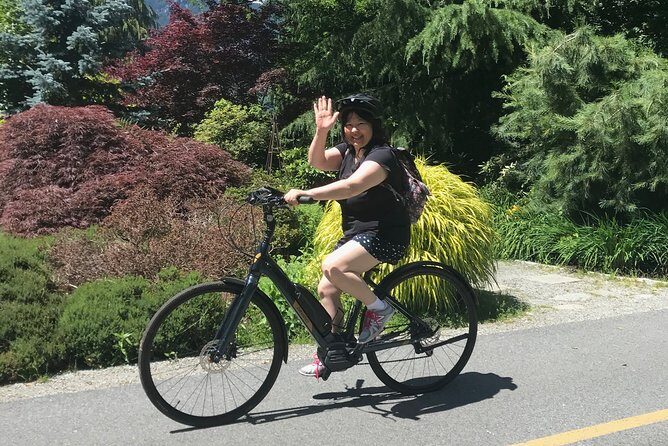
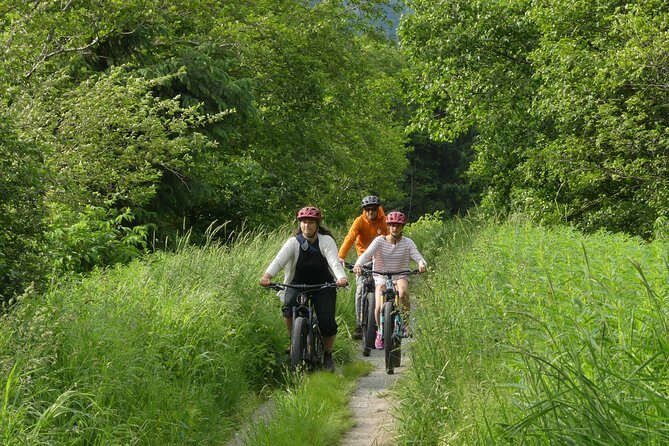
This tour is built around electric bikes, and the reviews give you a clear picture of the experience style. The ride can move across different trail surfaces—paved stretches, gravel paths, and routes that can feel more “mountain bike” in character. That mix keeps the outing interesting, and it also helps you understand why an e-bike is such a good match for learning-focused tours.
If you’ve never ridden an e-bike, you’ll likely appreciate the way the power levels reduce effort. One recurring theme in the feedback is that the bikes make the ride feel decently easy, even for beginners. Another theme: guides tailor the pace and can adjust challenge level based on riders’ comfort.
That “tailor the pace” detail is a big deal. In a group that tops out at 4 people, you’re less likely to get dragged along at someone else’s speed. You’re also more likely to have time for questions—whether you’re asking about the estuary, the trees, or the local history the guide weaves in while you roll.
Timing-wise, the 2–3 hours (approx.) is an ideal length for people who want nature without eating a whole day. It’s also a sweet spot for families and first-timers, especially when the guide is patient and good at keeping things encouraging. In the supplied experience notes, there are examples of guides supporting a 12-year-old rider and working with an adult who felt nervous at the start. That tells me the tour is mindful about comfort, not only speed.
Also pay attention to the “small group” reality when you plan your day. With only a few riders, the tour likely feels more like guided sightseeing than a conveyor belt. You may even end up remembering small, specific moments—like a guide pointing out features of the shoreline or the way roots or natural cover can create hiding places (including ones you’d expect wildlife to use).
The main practical consideration is weather. If conditions are poor, the experience can be canceled and you’ll need to choose another date or get a full refund. For you, that means: don’t treat this as a “must-do no matter what” appointment on a day when the forecast looks rough.
Small-group logistics with Blazing Saddles Adventures
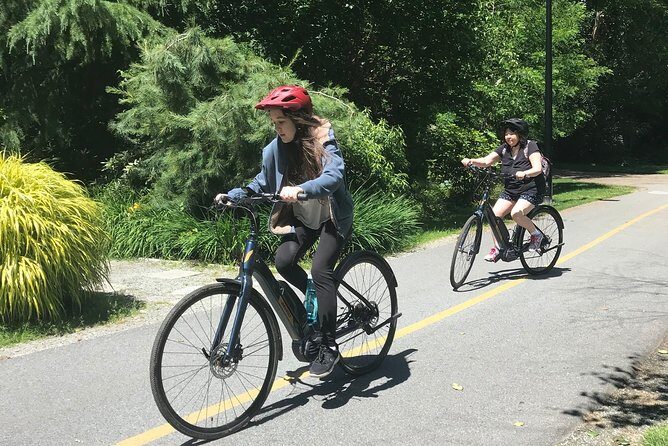
The tour is run by Blazing Saddles Adventures, and the meeting point is straightforward: 1861 Mamquam Rd, Squamish, BC V8B 0G2. The activity ends back at the meeting point, which simplifies your planning. You’re not stuck figuring out how to get across town or where to leave gear.
There’s also a gentle logistics advantage: it’s near public transportation. That won’t matter if you’re driving, but it can be comforting if you’re mixing your trip with other local plans.
Booking timing can matter here. The average booking window is about 37 days in advance, which signals that people plan this ride ahead—especially during nicer weather stretches. If you’re traveling in peak summer months, I’d treat it like a “book early” activity rather than a last-minute gamble.
The group size limit (up to 4 travelers) also affects the vibe. Smaller groups tend to feel less rushed. You’re more likely to get explanations that match your pace, and you’ll have time to absorb details about what you’re seeing instead of just moving along.
Language is English, and you’ll receive a confirmation at booking plus a mobile ticket. For planning, that’s helpful: you’re not scrambling to print anything or manage paper receipts.
One more value angle: this tour is priced at $111.84 per person, and the “what you’re paying for” isn’t just riding an e-bike. You’re paying for guided interpretation at two specific ecology-relevant stops: the estuary and salmon spawning habitat. In other words, the cost is tied to the experience’s purpose—understanding place and conservation—not only getting scenery.
And you do feel that guide-driven focus. Based on the guide names and style mentioned in the experience feedback, people remember the humor and personality as much as the facts. When a guide like Brent or Christian mixes entertaining moments with real local detail, you’re more likely to remember what you learned after you’re back in town.
Price and value: is $111.84 a fair deal?
At $111.84 per person for about 2–3 hours, this isn’t a budget “quick stroll.” But it also isn’t trying to be an all-day adventure with complicated transportation. The value question is: do you get enough of what you came for?
Here’s what you get that typically makes the price feel reasonable:
- Two ecology-focused stops instead of one viewpoint photo-op.
- Interpretation built around real habitat concepts, like how estuaries change with flood/ebb tides.
- Free admission at the estuary stop, which removes one extra cost snag once you’re there.
- Electric bikes that help most people ride farther with less fatigue.
- Small group size that supports a paced, personalized experience.
If your goal is to “see Squamish” in a way that sticks—something that turns nature into understanding—this style of guided e-bike outing can be a good use of time. If you’re hoping for a long, stand-alone wildlife-watching session with lots of waiting time, you might find the short duration limits what you can do independently. This is a ride-and-learn format, not a full-day field trip.
Also consider your comfort level with being outside for a couple of hours. The route includes gravel and can feel more technical than flat pavement at times. The e-bike support helps, but it’s still a biking activity. If you’re recovering from an injury or you know you struggle with uneven ground, it’s worth thinking about whether that trail variety is a good match.

Who should book this eco-tour in Squamish?
This tour fits best if you want a guided outing that mixes easy motion with real environmental context. I’d especially recommend it for:
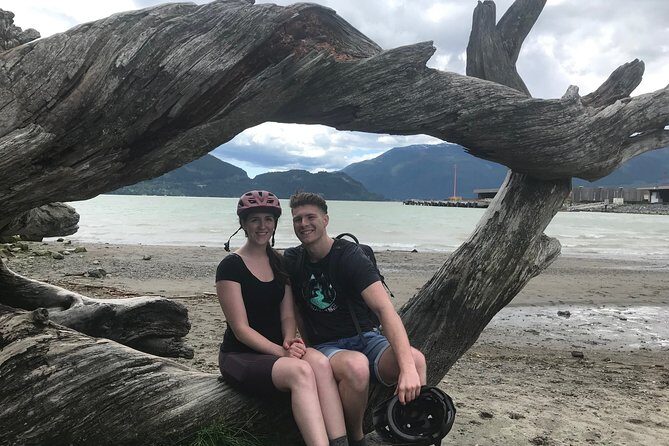
- Couples who want a shared activity without spending the whole day driving around.
- People new to e-bikes who like the idea of support, not a solo learning curve.
- Families with kids who can handle a couple of hours outdoors and benefit from an encouraging guide.
It may be less ideal if your trip day is tight and you hate anything weather-dependent. Since the experience requires good conditions, you’ll want backup options for the day you book.
Should you book the Squamish Discovery Eco-tour?
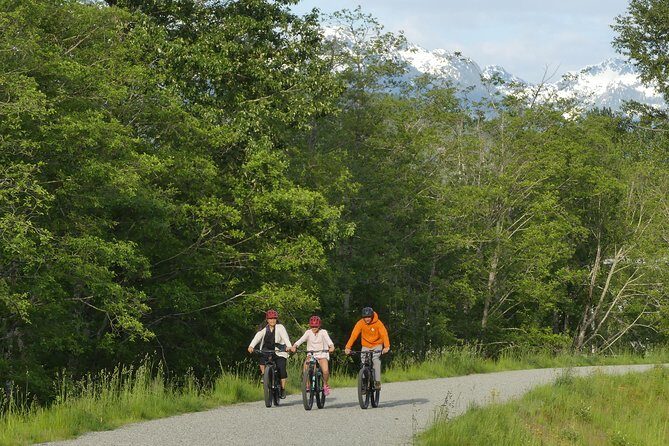
If you’re in Squamish (or rolling through from Vancouver) and you want one activity that blends tide-fed estuary science with a salmon habitat conservation story, I think this is a strong bet. The small group size, the e-bike help, and the guide-led explanations make it feel efficient: you cover ground, but you also leave with clearer understanding than you’d get from driving past pull-offs alone.
Book it if: you like guided nature moments, you’re okay with a short biking format, and you can be flexible with weather. Skip or look for an alternative if: you’re expecting a guaranteed wildlife sighting or you need something that runs no matter the forecast.
FAQ
FAQ
How long is the Squamish Discovery Eco-tour?
The tour lasts about 2 to 3 hours.
Where does the tour start?
It starts at 1861 Mamquam Rd, Squamish, BC V8B 0G2, Canada.
Is the tour in English?
Yes, the tour is offered in English.
How many people are in the group?
This activity has a maximum of 4 travelers.
Do I need to print anything or can I use a phone ticket?
You’ll have a mobile ticket.
What happens if the weather is bad?
This experience requires good weather. If it’s canceled due to poor weather, you’ll be offered a different date or a full refund.
What is the cancellation policy?
Free cancellation is available up to 24 hours in advance for a full refund. If you cancel less than 24 hours before the start time, the amount paid is not refunded.