REVIEW · VICTORIA
Grizzly Bear Expedition
Book on Viator →Operated by Big Animal Encounters · Bookable on Viator
A salmon buffet pulls you toward the bears fast. This 9-hour wildlife day near Campbell River pairs a scenic boat cruise with a grizzly bear viewing chance at the Orford River, plus Homalco First Nations storytelling before you see the action. I like that the day is built around real animal behavior (not staged viewing) and that the small group size keeps things calm. The one thing to factor in is the need for good weather, since the experience depends on being out on the water.
You’ll meet your crew at Big Animal Encounters and settle in for a morning plan that’s simple: find whales and other marine life first, then switch focus to bears as they come to feed on salmon. I also like the hands-on interpretation from the Homalco team and the way the guides help you understand what you’re seeing—how grizzlies fish, and what the salmon run means locally. A possible drawback: the experience can be affected by sea conditions, and you’ll want moderate mobility for moving around during the boat portion.
If you want one day that mixes wildlife, local culture, and serious time on the water (without feeling rushed), this is a strong pick. With a maximum of 12 travelers, you’re not stuck in a huge crowd, and that matters when you’re trying to spot bears through branches and distance. Just know that with wildlife watching, your exact sightings can vary—sometimes the bears are close, and sometimes binoculars do the heavy lifting.
In This Review
- Key highlights worth getting excited about
- Grizzlies at the Orford River: what the salmon run actually looks like
- Whales first: the Bute Inlet hunt before the bear feast
- Meeting at Big Animal Encounters in Campbell River (and why timing matters)
- Desolation Sound Marine Provincial Park: the cruise portion that sets the tone
- Homalco First Nations welcome: culture you’ll understand while you watch
- Guide teamwork: why the names matter (and how safety feels)
- What you’ll eat and when: a tour that actually feeds you
- Physical demands and what to wear for a bear + boat day
- Price and value: is $626.21 worth it?
- Who this tour is best for (and who should pass)
- The real odds: how close could the bears be?
- Should you book the Grizzly Bear Expedition?
- FAQ
- What time does the tour start?
- Where do I meet for the experience?
- How long is the tour?
- What’s included in the price?
- Is there a ticket type I need?
- What animals are you looking for during the trip?
- How many people are in a group?
- Is the tour suitable for everyone physically?
- What happens if weather is bad?
- What is the cancellation policy?
Key highlights worth getting excited about
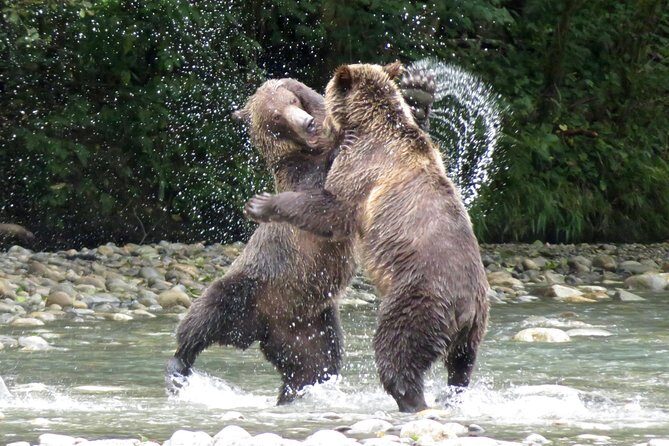
- Grizzlies at the Orford River as they descend to feed on salmon
- Homalco First Nations welcome and education about traditions and history
- Desolation Sound Marine Provincial Park boat cruise for big scenery and chances at whales
- Bute Inlet marine mammal spotting, including whales and other wildlife
- Small groups (max 12) that help guide attention and safety
- A full food package included (lunch, snacks, water, and coffee/tea)
Grizzlies at the Orford River: what the salmon run actually looks like
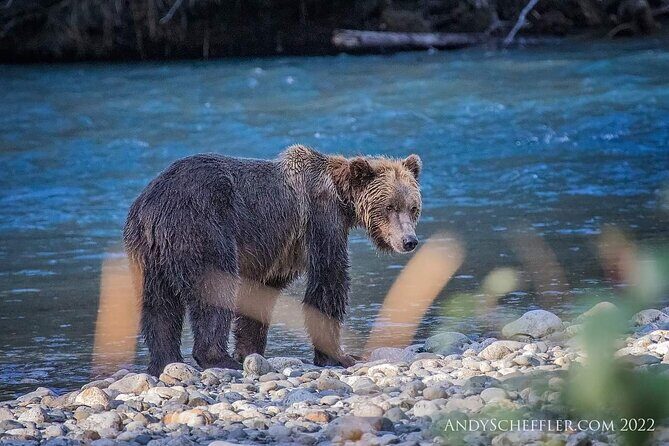
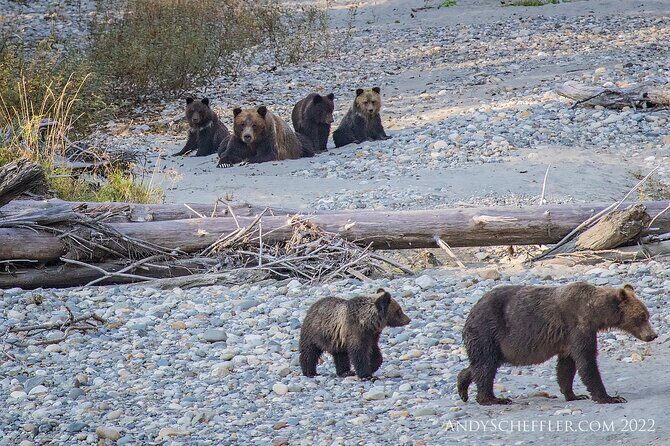
This is the main event, and it happens for a reason: grizzlies and salmon overlap in a very literal way. After your boat time, you’ll head to the Orford River area in Bute Inlet, where you’ll have a chance to watch grizzlies as they come in to feed on salmon.
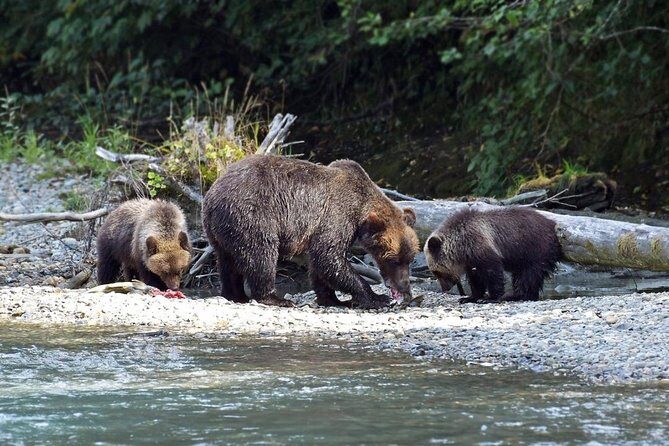
What you’re really watching isn’t just animals—it’s a system. Salmon moving through the river brings predators into a predictable pattern, and that’s why the viewing window can be so productive. I like that the experience focuses on behavior: you’re not only looking for a bear “sighting,” you’re learning how bears hunt and interact with the river current.
And you might get moments that feel close and personal. Some visitors have described seeing many bears, including cubs, with at least one bear walking up the river to within about 20 yards. Others have had a more typical “spot them through binoculars” day. Either way, you’ll be there long enough to notice patterns—like adults focusing on fishing while others roam nearby.
You can also read our reviews of more tours and experiences in Victoria.
Whales first: the Bute Inlet hunt before the bear feast
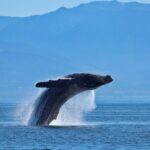
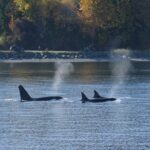
The day starts with a wildlife warm-up: you’ll keep your eyes open for whales and other marine mammals in the area. This matters because it sets expectations. You’re already outside, scanning the water, before you ever reach the grizzly viewing spot.
On a boat day, those early hours often decide your mood. If the whales show up, you’ll feel like the day is getting started in the best possible way. And even when you don’t get a whale sighting, you can still see marine life—just not at the “headline” level you might hope for.
One thing I’d keep in mind: marine mammal spotting is about patience. You’ll want to stay focused and follow the crew’s guidance. The better you look, the more likely you’ll catch the moment when wildlife surfaces and moves on.
Meeting at Big Animal Encounters in Campbell River (and why timing matters)
You’ll begin at Big Animal Encounters, located at 1340 Island Hwy #129 in Campbell River, with a start time of 10:00 am. The tour ends back at the same meeting point, so you’re not dealing with a complicated logistics shuffle after a long day.
Your total time is about 9 hours, which is a good length for a full wildlife outing without turning into an all-day grind. It also gives the guides enough flexibility to use sightings and conditions to plan the flow—especially important when you’re balancing both land wildlife (grizzlies) and water wildlife (whales).
Also: the group max is 12 travelers. That’s a sweet spot. You get enough people to create energy, but not so many that you’re fighting for viewing angles on a boat or near river edges. It makes instructions easier to follow, too—helpful when you’re watching animals at distance.
Desolation Sound Marine Provincial Park: the cruise portion that sets the tone
After that first wildlife scan, you’ll ride out through Desolation Sound Marine Provincial Park. This is more than a “transfer” between stops. It’s your scenery and wildlife window, and it affects the whole vibe of the day.
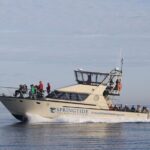
The boat ride is part of why this experience is memorable: you’re moving through the coast like a local guide would, with time to watch for spouts on the horizon and other marine activity along the route. A scenic cruise also helps you get oriented to the area before the bear portion, so the Orford River stop doesn’t feel like a sudden jump into an unfamiliar setting.
One practical note: you’ll be on the water, so weather and wind matter. This tour requires good weather, and if conditions are poor, you’ll be offered a different date or a full refund. That’s not something to ignore—on a day like this, being seasick or cold can take the edge off the whole experience.
Homalco First Nations welcome: culture you’ll understand while you watch
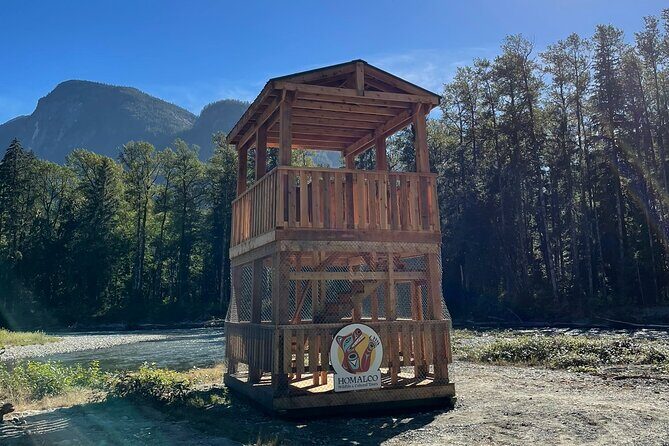
This tour includes an encounter with members of the Homalco First Nations at the Orford River area. It’s an important part of the experience because it connects what you’re seeing to place and meaning.
You’ll have a chance to learn about traditions and history, and—just as valuable—you’ll get cultural context that helps you interpret the moment. When a bear comes in to fish, you’re not just spotting an animal; you’re witnessing a relationship shaped by the salmon run and the river ecosystem.
In practice, guides on this day are reported to share Homalco knowledge alongside bear behavior tips, so the cultural portion doesn’t feel like a separate lecture. It threads into the viewing, which is how it sticks.

Guide teamwork: why the names matter (and how safety feels)
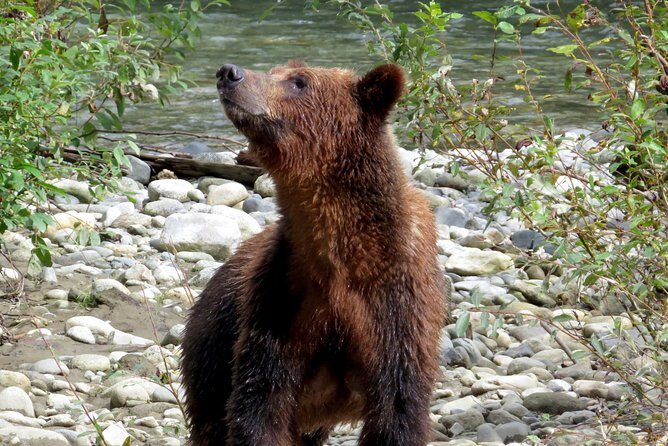
On wildlife tours, the difference is usually the guide. This one gets consistently strong feedback for both boat guidance and bear interpretation.
On the boat, the skipper and guide Jason is praised for keeping watch for whales and guiding the route. On the bear side, guides Stewart and Tony are noted for knowing their bears and helping people find them. One guest even joked that Stewart “speaks bear,” and the broader point is that they understand behavior well enough to translate it into something you can actually observe.
Safety also shows up in the feedback. People describe feeling safe throughout the day, which is exactly what you want when you’re watching large animals near a feeding area. If you’re the type who likes clear instructions and calm handling, this kind of guiding style tends to make the whole experience feel easier.
There’s one small caution from an individual account: a guest reported a negative interaction with a boat operator named Jack. That’s not the consensus, but it’s worth acknowledging if you’re very sensitive to customer service tone. The larger pattern remains strong for knowledgeable, attentive guiding and a well-run day.
What you’ll eat and when: a tour that actually feeds you
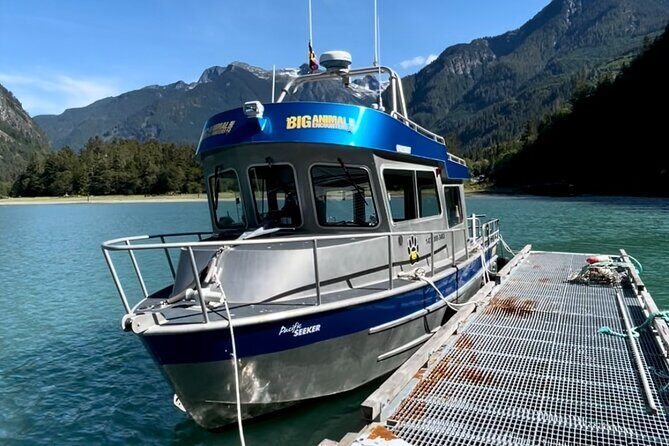
You get lunch, snacks, and bottled water, plus coffee and/or tea. That sounds basic until you realize how much wildlife days can stretch your patience—waiting for whales to surface or bears to move into view takes time, and hunger makes it harder.
A provided food plan also keeps the experience smoother. You don’t need to hunt for a meal halfway through, and you’re more likely to stay focused during the viewing windows instead of thinking about your next stop.
The day’s structure is also pretty sensible for timing: you start in the late morning, you get your water portion and wildlife scanning, and the bear viewing gets dedicated time (the bear stop is about 3 hours).
Physical demands and what to wear for a bear + boat day
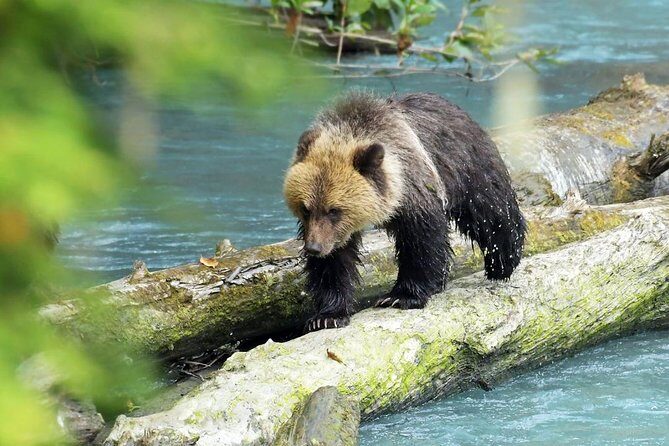
This experience is marked as moderate physical fitness. That usually means you’ll be doing some walking and standing, and you’ll want to be comfortable moving around on and off the boat, and near viewpoints tied to river activity.
What I’d suggest, in plain terms:
- Wear layers. It can be cooler on the water than you expect.
- Bring a rain layer, even if the forecast looks okay.
- Use shoes with grip for damp areas.
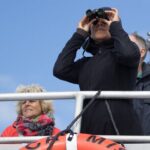
- If you have binoculars, bring them. Some sightings may be easier at distance, and binoculars can turn a “maybe I saw something” moment into a clear identification.
- Keep your phone/camera secure with a strap. Boat spray and quick movements happen.
If you’re planning this with family members or someone with limited mobility, make sure the moderate requirement fits your reality—not just your optimism.
Price and value: is $626.21 worth it?
At $626.21 per person, this isn’t a bargain. The question is what you’re paying for, and the answer is a mix of access, time, and expertise.
What makes it feel like more than a simple “see animals” outing:
- You’re getting a full day of guided wildlife watching (boat time plus a dedicated grizzly viewing window).
- The day includes food and drinks, which quietly saves money and keeps you comfortable.
- Conservation fees and a fuel surcharge are included, and GST is included too.
- You’re also paying for local partnership and interpretation through the Homalco welcome, not just a generic tour script.
The small group size (max 12) is another value marker. In wildlife watching, group size affects your odds of meaningful viewing and your ability to follow safety and spotting instructions.
So, is it worth it? If you care most about grizzlies and want the best chance of seeing them during a salmon run period, this price starts to make sense. If you’re purely budget-focused or you dislike boats, you might find the cost harder to justify.
Who this tour is best for (and who should pass)
This is a great fit if:
- You want both land and marine wildlife in one day (bears plus whale/marine mammal chances).
- You like learning how guides connect animal behavior with local knowledge.
- You prefer small groups and guided spotting over roaming on your own.
- You’re comfortable with moderate physical activity and being outdoors for hours.
It may not be your best choice if:
- You’re very sensitive to being on the water or get motion sickness easily.
- You’re looking for a guaranteed “close-up bear” experience. Wildlife doesn’t work that way.
- You want a super flexible plan with lots of free time. This is a guided, structured day.
Also, it helps to be honest with yourself: this tour is about patience. When it clicks—when bears move into view or whales show—those moments can be the kind you remember for a long time.
The real odds: how close could the bears be?
Here’s the honest expectation level. You can get a day with many bears. Some people have described seeing around seven bears, and others have reported seeing at least ten bears plus cubs. There are accounts of a mother fishing and catching salmon, including a dramatic moment when a cub got caught in the current and the mother had to move to retrieve it.
But the important part is that those are possible outcomes, not promises. The river, the bears’ movement, and your vantage points all shape the experience. Your best strategy is simple: stay attentive, follow guide instructions, and don’t fixate on one moment. Watch behavior patterns and give the animals time to do what they came to do.
Should you book the Grizzly Bear Expedition?
I think you should book it if you want a structured, guided wildlife day that mixes Homalco cultural interpretation with meaningful grizzly viewing time and a real boat cruise through Desolation Sound. The combination is the value: you’re not choosing between bears and the coast—you get both, in a group that’s small enough for good viewing.
Skip or reconsider if you know you’ll struggle with boat conditions, you’re not comfortable with moderate walking/standing, or you need guaranteed outcomes. Wildlife days are “best efforts,” not control panels.
If you’re making the decision today, my practical nudge is this: choose this tour for the chance to see bears during salmon feeding, and choose it because the guides have a track record of putting you in the right places at the right times—on water for whales and at the river for grizzlies.
FAQ
What time does the tour start?
The tour starts at 10:00 am.
Where do I meet for the experience?
You meet at Big Animal Encounters, 1340 Island Hwy #129, Campbell River, BC V9W 8C9, Canada.
How long is the tour?
The duration is approximately 9 hours.
What’s included in the price?
Lunch, snacks, bottled water, coffee and/or tea, conservation fees, fuel surcharge, and GST are included.
Is there a ticket type I need?
The tour uses a mobile ticket.
What animals are you looking for during the trip?
You’ll keep an eye out for whales and other marine mammals, and you’ll have the chance to view grizzly bears as they fish for salmon.
How many people are in a group?
The experience has a maximum of 12 travelers.
Is the tour suitable for everyone physically?
It’s recommended for travelers with a moderate physical fitness level.
What happens if weather is bad?
The experience requires good weather. If it’s canceled due to poor weather, you’ll be offered a different date or a full refund.
What is the cancellation policy?
This experience is non-refundable and cannot be changed for any reason.