REVIEW · ALBERTA
Smartphone Audio Driving Tour between Lake Louise and Calgary
Book on Viator →Operated by Tripvia Tours · Bookable on Viator
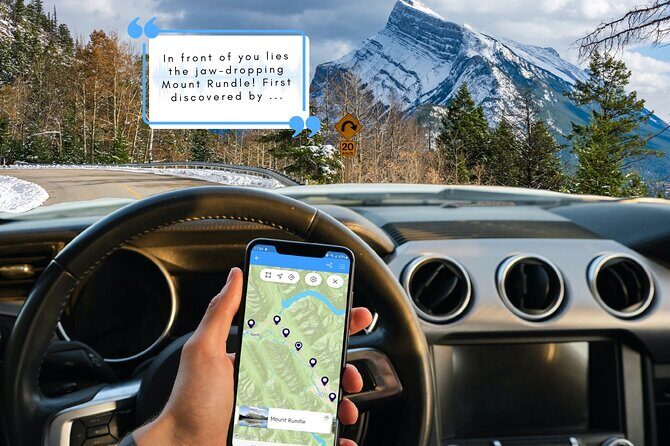
This drive sounds simple. Then it starts talking, and the whole route clicks. You can start anywhere and pause anytime, so you’re not stuck with a rigid schedule. You’ll pick up stories tied to the road itself, from Banff-area landmarks to regional history, all in your car.
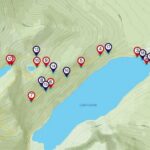
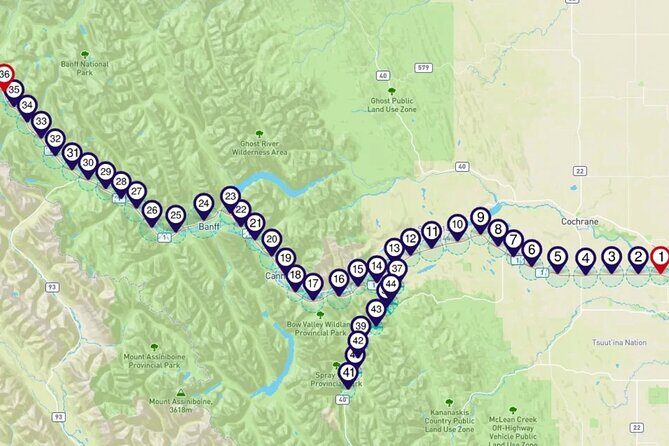
Two things I love: the 44 audio points of interest spread across the corridor, and the way the narration works like a friendly guide you can control. Second, the route adds multiple-choice trivia as you pass major sights, which turns highway time into something you’ll actually remember. One possible drawback: you need decent Wi-Fi or mobile signal to download first, and service can get spotty in the mountains.
If your phone is ready, it’s a fun, low-cost way to make sense of this famous drive without committing to a separate tour.
In This Review
- Key Things to Know Before You Press Play
- A Self-Guided Drive You Can Start and Pause Anywhere
- Price and Value: Why $8.22 Per Group Works for Families and Friends
- What the 44 Audio Stops Teach You Along the Road
- Banff National Park, Moraine Lake, and the Three Sisters Moment
- Town Names, Mountain Stories, and the Humor-Plus-Context Approach
- Tunnel Mountain Explained (Even If the Name Sounds Wrong)
- Lakes, Parks You Pass By, and the Area’s Different “Feel”
- Ski Resorts, Riverside Drives, and Campground Daydreams
- Hot Springs and History: Small Stops That Add Depth
- App Performance and the “Mountain Dead Zone” Reality
- What “Private Group” Means Here (and Why It Matters)
- How to Use This Tour Like a Pro (So You Don’t Miss the Best Bits)
- Should You Book This Audio Driving Tour?
Key Things to Know Before You Press Play
- Start and stop anywhere along the Calgary–Lake Louise route, in either direction
- Download once, use whenever later, without worrying about being online mid-drive
- 44 audio points of interest covering big names like Banff National Park and Moraine Lake
- Trivia-based storytelling with multiple-choice questions as you pass key sights
- Self-paced with real pull-offs so you can spend extra time at attractions you choose
- “Pick up where you left off” for longer stops (like a museum visit)
A Self-Guided Drive You Can Start and Pause Anywhere
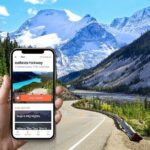
This is a smartphone audio driving tour, built around one big idea: control your time. You don’t need to meet at a depot with a group. You can begin from any direction and at any point on the route, then stop and restart whenever you like.
In real terms, that means you can do the classic thing—watch for parking, grab photos, and take short breaks—without feeling like you’re falling behind. It also helps if you’re traveling with different styles: one person wants to listen while rolling, another wants to hop out for a view. You can do both.
The tour runs for about 2 hours (approx.), but it’s not a strict timer. You’re not racing the clock. It’s more like a set of stories designed for a drive, with freedom to stretch it out.
A few more Alberta tours and experiences worth a look
Price and Value: Why $8.22 Per Group Works for Families and Friends
At $8.22 per group (up to 15 people), the math is pretty hard to argue with—especially because it’s one booking per vehicle, not per passenger. That makes it an unusually good deal if you’re splitting costs among a carload.
And since the tour is yours to keep on Tripvia Tours, you’re not paying for a one-time experience that vanishes after today. Once you have it downloaded, you can use it again later, whenever you’re back in the area or want a rerun.
One more value angle: you’re not buying attraction tickets inside the audio tour. So you can choose what to pay for in real life—if anything—based on your interests and the season.
What the 44 Audio Stops Teach You Along the Road

The tour includes 44 audio points of interest, covering major headliners and a bunch of smaller, name-meaning style stories that fill in the gaps. The best part is that it’s designed to explain why places matter, not just point at them.
As you drive through the corridor, you’ll hear about:
- Banff National Park and how the route connects you to it
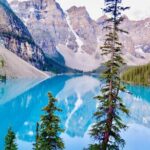
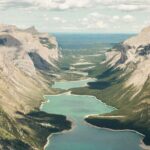
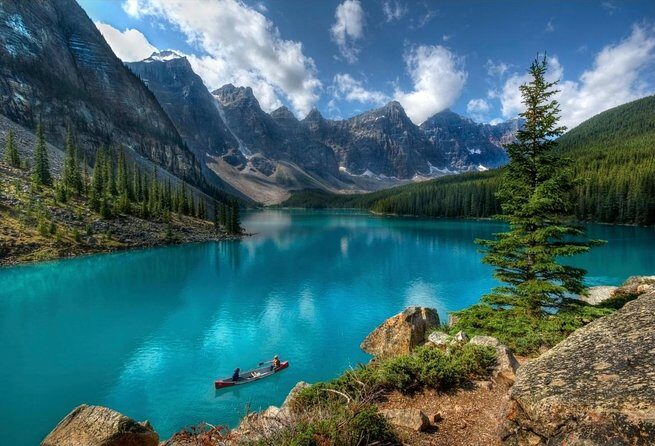
- Moraine Lake, one of the area’s most iconic names
- Three Sisters Mountain, with the tour pointing them out and covering their significance
- Kananaskis Country, which you’ll learn about while you’re already passing through the region
The narration also gives you practical context—like when you’re near town centers, scenic stops, or areas where history is hiding in plain sight.
Banff National Park, Moraine Lake, and the Three Sisters Moment
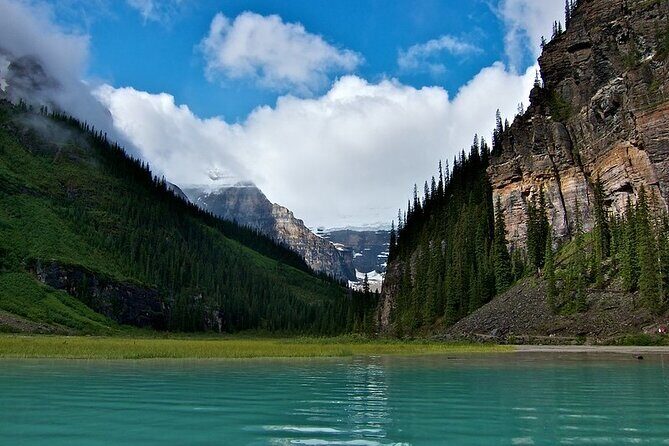
When a route like this includes big-name sights, you want more than awe—you want understanding. This tour leans into that.
You’ll be driving through a large portion of Banff National Park, and the audio guides you through what you’re seeing and why it’s special. If you don’t have time for multiple separate excursions, this is one way to make the drive itself educational.
The tour also highlights the Three Sisters. You’ll get help identifying them, plus background on their names (and yes, it’s the kind of trivia your brain actually keeps).
And with Moraine Lake called out as well, you’re not guessing where to focus your attention. The audio essentially helps you “read” the view as you’re driving, then nudges you to pull over if you want more time.
Town Names, Mountain Stories, and the Humor-Plus-Context Approach
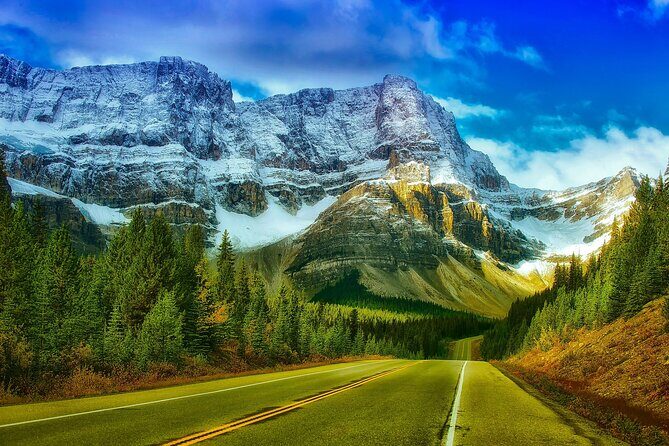
One reason this audio tour works better than a random podcast is structure. The stories are tied to what you’re approaching, and they include name origins and local lore that make the region feel less like a blur.
In the Canmore area, you’ll hear how Canmore got its name, plus stories tied to the surrounding terrain—mountains with distinctive shapes, and a few places where the name tells you something if you know how to listen for it. There’s also a stop where you’ll learn about a small mountain village, and another moment where the audio explains why a mountain’s name says it all.
And yes, it gets playful. One portion mentions the Stampede and links it to the inventor of sorts. It’s the kind of odd little historical detour that breaks up the usual “look at the mountain” rhythm.
A few more Alberta tours and experiences worth a look
Tunnel Mountain Explained (Even If the Name Sounds Wrong)

This tour takes on Tunnel Mountain in a way that’s oddly satisfying. You’ll learn about why a tunnel is associated with it—why, how, when, and what went wrong—but the story also corrects the obvious assumption.
You’ll hear the twist: Tunnel Mountain doesn’t have a tunnel going through it the way the name makes you think. That’s the kind of detail that makes you feel smarter the next time you drive past the sign and wonder what people are talking about.
It’s also one of those “you had to hear it” moments. The audio format makes it easier to follow than trying to piece it together from roadside text or a quick search.
Lakes, Parks You Pass By, and the Area’s Different “Feel”
This route includes multiple water-and-view moments. Some are big tourist anchors (like Moraine Lake). Others are explained with less hype but more meaning.
You’ll also get narration about:
- a lake on the foothills of the Rocky Mountains, described like it has its own kind of fun people energy
- another lake where the audio keeps pushing new angles as you approach it
- parts of the region where you won’t drive directly into a park, but you still hear what to look for and why it matters if you’re planning future visits
Even if you never step out, the audio gives you a mental map. And if you do step out, it helps you choose where to spend your limited daylight.
Ski Resorts, Riverside Drives, and Campground Daydreams

If you’re driving this corridor and you’ve seen the ski-area names on signs for years, this tour helps those names feel less random.
You’ll pass by and hear about:
- a major ski resort area just outside of Banff, including what makes it different from the others in the zone
- another ski resort outside of Banff
- a stretch where you drive alongside a famous mountain river multiple times during the tour (so you’re not just noticing it once)
There’s even a story tied to a campground you’ll pass—one that’s framed to make you think about sleeping under the stars. It’s not a booking for camping. It’s just that effect where the audio nudges you to imagine your own future stop.
Hot Springs and History: Small Stops That Add Depth
Some tours only talk when you’re at the most famous places. This one also points you toward the “in-between” stuff.
You’ll learn how the upper hot springs were discovered, and the narration suggests you can stop and visit during your tour. It’s also flagged as one of the 50+ points of interest—so there are more story moments than the headline 44 you’re planning around.
There’s also a segment about the last industrial building before entering (or leaving) Banff National Park. That’s a smart inclusion. It reminds you that these places aren’t frozen in postcard time—there’s human history right next to the wilderness scenes.
App Performance and the “Mountain Dead Zone” Reality
This is where you’ll want to be smart.
To start, you need a good mobile or Wi-Fi connection to download the tour. After that, the tour is designed so you don’t need signal and it uses no data during the tour. That’s a huge deal on a route where reception can be sketchy.
One thing to watch: there have been reports of glitchy audio behavior (like stopping mid-sentence). The provider notes they released an updated version with a fix. My practical advice: before you leave home, check that the app updates, and don’t assume last night’s setup will work perfectly at 9 a.m.
What “Private Group” Means Here (and Why It Matters)
This is listed as a private tour/activity. Only your group participates. That means no waiting for strangers, no awkward pauses while someone in another car argues about directions.
It also makes the “start anywhere” concept easier. You’re not trying to sync with a calendar-style schedule. If you’re the kind of group that likes to pause for photos, this format fits your style.
How to Use This Tour Like a Pro (So You Don’t Miss the Best Bits)
Here are a few habits I’d use if I were doing the drive again:
- Download first, in better signal at home or near your hotel. Don’t rely on mountain reception.
- Drive, listen, and plan short stops. The tour is meant for motion, with built-in story points when you’re in the right zone.
- If you stop for something longer—like a museum—the audio is built to pick up where you left off once you’re back on the road.
- Keep an eye out for the narrated “town name” and “mountain story” moments. Those are often quick but memorable, and they make later sights feel more personal.
Also, since it’s a driving tour, keep your phone setup safe. Use audio controls that don’t distract you. Treat it like a co-pilot, not a second screen.
Should You Book This Audio Driving Tour?
I’d book it if you want an easy, low-cost way to add meaning to the Calgary–Lake Louise drive. It’s especially strong when you’re:
- splitting costs in a car (because it’s per group, not per person)
- traveling with mixed interests (one listens while the other hunts for photos)
- short on time and want big-picture context without paying for multiple separate tours
Skip it—or at least be cautious—if you know you’ll struggle with phone downloads or you expect perfect app reliability. You can still do the drive, of course. But this experience is only as good as your setup before you roll.
If you want a smart way to turn a road trip into a story you’ll remember, this one makes that job surprisingly simple.