REVIEW · ALBERTA
Intro Survival Course Rockies
Book on Viator →Operated by Bow Valley Canyon Tours · Bookable on Viator
Two days, one very practical goal. This Alberta Rockies intro survival course is built around hands-on bushcraft in real outdoor conditions, and I really like that it’s private and customizable for your group. You get to do the stuff—survival fires, shelters, knots, and practical decision-making—while staying focused on confidence for backcountry travel.
One thing to think about first: transportation isn’t included. If you don’t already have your ride figured out to the meeting point near Nordegg, that can be the difference between a smooth start and an awkward scramble.
In This Review
- Key Highlights Worth Your Time
- Where You Train: Nordegg, Abraham Lake, and the Cline River
- Day One at Abraham Lake: Fires, Shelters, and Emergency Priorities
- Day Two Morning: Continuing Skills You Can Actually Repeat
- Day Two Afternoon Hike: Navigation, Medicinal Plants, and Food Options
- Instructor Style: Friendly, Hands-On, and Built for Real Questions
- What’s Included (and What You’ll Want to Pack)
- Cost and Value: Is $205.56 for Two Days Fair?
- Logistics That Matter: Timing, Weather, and Being Ready
- Who This Course Fits Best (and Who Might Want a Different Option)
- Should You Book This Intro Survival Course in the Rockies?
- FAQ
- How long is the Intro Survival Course in the Rockies?
- Where do you meet, and how does it end?
- What’s included in the price?
- Is transportation to and from the program included?
- Are dietary options available?
- What happens if weather is bad or I need to cancel?
Key Highlights Worth Your Time
- You sleep in the survival shelter you build, not just watch it happen
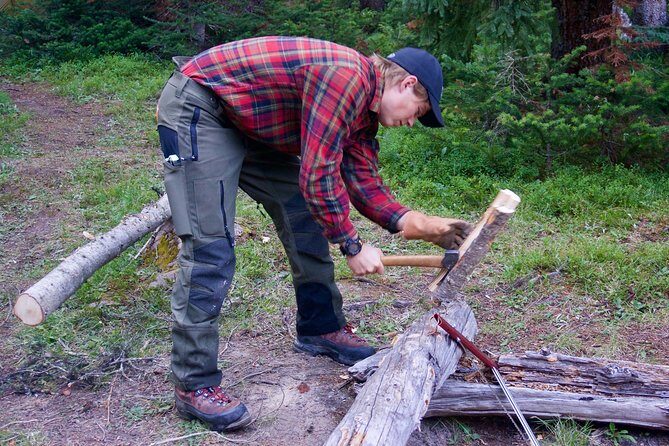
- Fire, shelter, and emergency priorities get taught in a practical, step-by-step way
- Outdoor navigation + medicinal plant ID happen during the hike on day two
- Equipment is supplied, so you’re not hunting for gear before you go
- Private, group-only format with instructors such as Mark, Joel, and Marc
Where You Train: Nordegg, Abraham Lake, and the Cline River
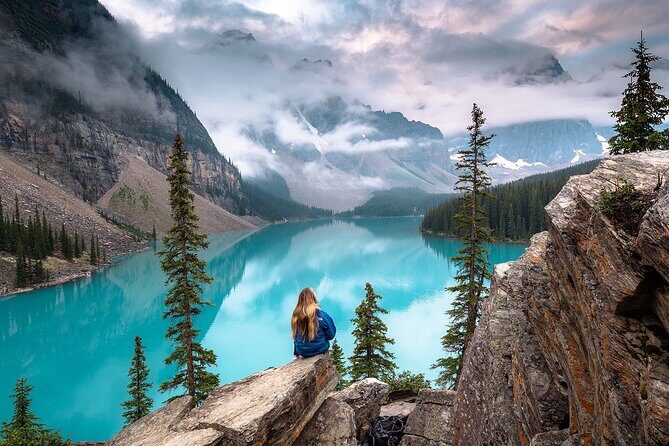
This course is centered on the Rocky Mountains area of Alberta, with the action starting in Nordegg. You meet at HI Nordegg Shunda Creek Wilderness Hostel at Shunda Creek Wilderness Hostel (321 Shunda Crk Rd, Nordegg, AB T0M 2H0), then the group drives about 40 km into the training area. Expect a real outdoor setting, not a classroom with props.
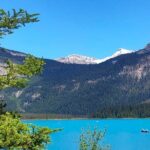
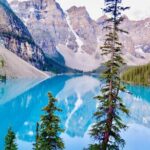
On day one, your base is set near Abraham Lake / Kootnay Plains, where you’ll build skills that connect directly to backcountry life. Day two shifts toward the Cline River for a hike that blends navigation with survival fundamentals like plant knowledge and smarter field choices. The routing matters because you don’t just learn in one “perfect” environment—you practice across varied terrain and outdoor conditions.
A good thing here: the course is small enough to feel personal. It’s also a private tour/activity, meaning only your group participates, which makes it easier to ask questions and slow down when something doesn’t click.
You can also read our reviews of more tours and experiences in Alberta.

Day One at Abraham Lake: Fires, Shelters, and Emergency Priorities
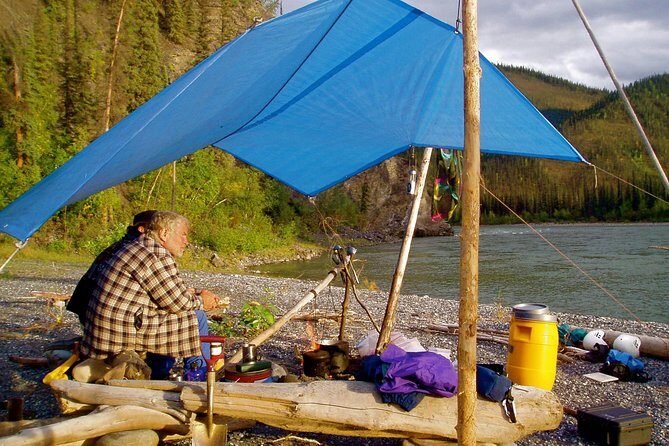
Day one is all about getting your foundation right. After you meet your instructor(s) at Nordegg, you head out to the training location and settle in near the Abraham Lake area. The teaching starts with precautions—what to watch for, the dangers to avoid, and how to think clearly when things go wrong.
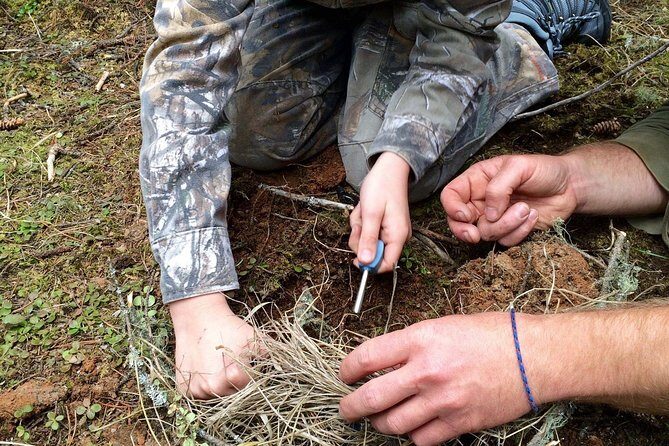
Then you move into skills you can actually use: making survival fires and shelters under adverse conditions. This is the part I like most because it takes the scary, vague idea of survival and turns it into repeatable actions. You also cover proper equipment and priorities during emergencies, which is where a lot of people freeze in real life.
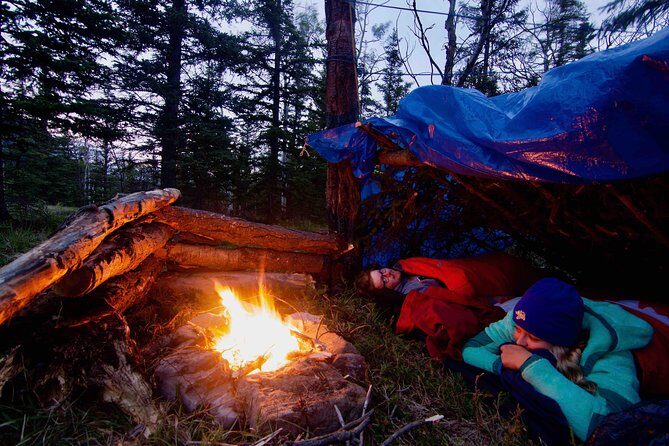
The course also includes useful bushcraft basics like knots, because knowing how to tie the right knot for the job is faster than improvising when you’re tired, cold, or stuck. By evening, you get the chance to sleep in your own survival shelter—so you’re not just learning theory. You’ll feel what works, what doesn’t, and what you’d do differently next time.
Day Two Morning: Continuing Skills You Can Actually Repeat
After your night outside, day two starts with morning continuation of the core topics. This structure is smart for beginners because it gives you time to reinforce what you did the day before while it’s still fresh. You’ll keep building on emergency thinking, bushcraft skills, and the hands-on elements that turn knowledge into confidence.
This is also where the private group format helps. When you’re outdoors learning survival skills, the question that matters most is usually simple: did it work for you, and did you understand why? With an instructor team that’s approachable (people have specifically praised teachers like Mark, Joel, and Marc), you’re more likely to get answers quickly.
The goal isn’t to make you feel like a superhero. It’s to help you leave with habits you can repeat. When you can picture the next step—fire plan, shelter plan, safety checks—that’s when survival skills stop being fear-based and start being practical.
Day Two Afternoon Hike: Navigation, Medicinal Plants, and Food Options
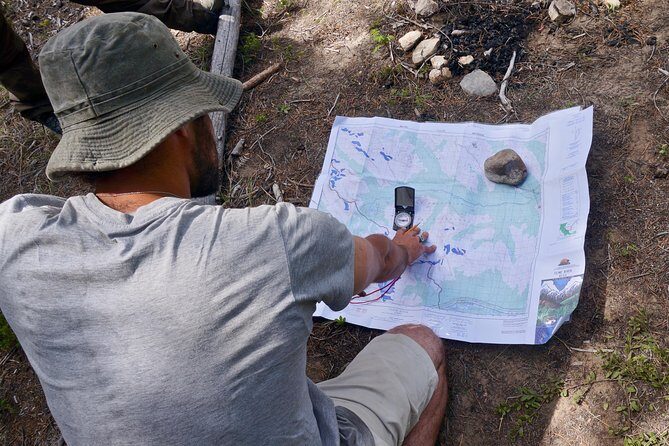
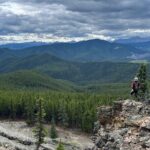
In the afternoon, you move into the Cline River area for a hike. This is where the survival course expands beyond fire and shelter into how you move and make decisions outdoors. You’ll cover how to navigate, using practical outdoor thinking so you can keep your bearings even when conditions get messy.
One of the standout add-ons is medicinal plant identification. Even if you don’t plan to use plants for medicine, learning what grows where—and what not to do—helps you become a more observant outdoors person. It’s also a change of pace from pure survival construction, and it makes the hike feel purposeful rather than just “getting exercise.”
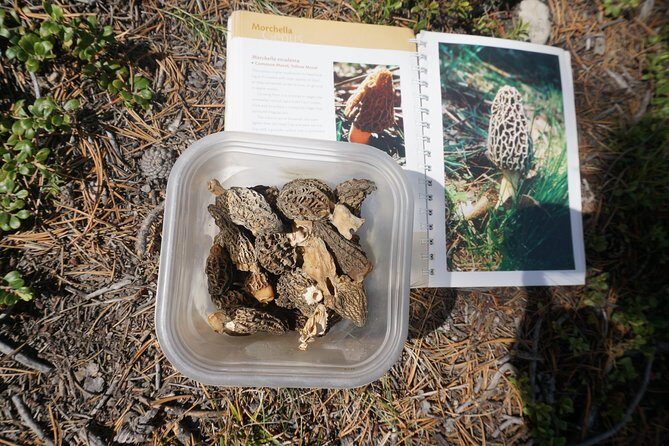
If there’s time, the course may add more advanced survival topics, including alternative food sources, basic traps and snares, improvised rope or cordage, and survival saws. The exact mix depends on timing, but the direction is clear: you’ll leave with a broader menu of skills to practice later.
Instructor Style: Friendly, Hands-On, and Built for Real Questions
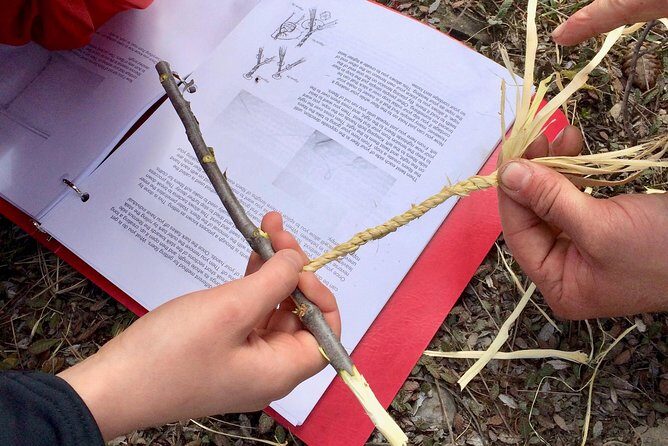
The instructors on this course are a big part of the experience. In the feedback connected to this program, multiple people pointed to teachers like Mark and Joel (and in other accounts, Marc) as being approachable and effective at teaching. What matters most for a survival course is not just knowing the material—it’s making it understandable fast while you’re standing in the field.
What I like about this teaching approach is that it matches the outdoors reality. Survival situations aren’t built for long lectures. They require short, clear decisions—so the course focuses on what to do, not just what survival is.
Because the course is private and your group is the only group participating, you’re more likely to get the kind of attention that makes beginners comfortable. That matters especially if you’re coming in with basic camping experience and want to level up without feeling lost.

What’s Included (and What You’ll Want to Pack)
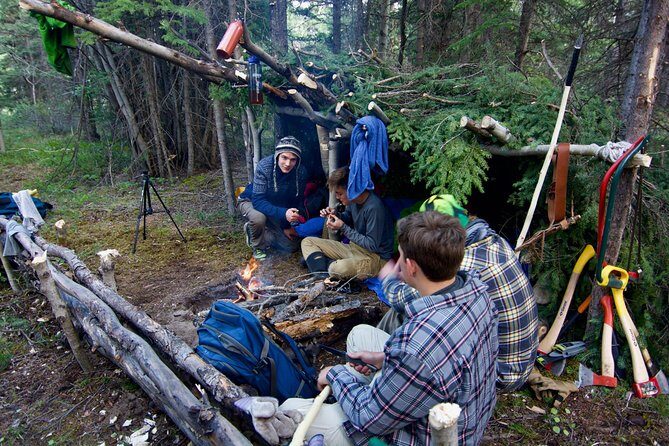
This program includes meals, gear, and an overnight outdoors setup, which is part of the value. You’ll have dinner and breakfast, plus lunch during the course duration. Vegetarian options are available if you advise when booking.
The real win is equipment. The course includes what you need to complete the training: tents, hatchets, knives, compasses, GPS, and more. That can save you from buying or borrowing gear you might use only once or twice. It also reduces stress, because you’re learning with the tools the instructor expects you to use.
You also get one night of accommodation (camping). And because there’s an opportunity to sleep in the survival shelter you make, the overnight feels like part of the lesson—not a separate camping trip.
What’s not included is transportation to and from the program. So you should plan on handling your own ride to Nordegg and back. If you’re flying in, you’ll likely need to rent a car or arrange local transport—because the course itself isn’t going to provide it.
Cost and Value: Is $205.56 for Two Days Fair?
At $205.56 per person for about two days, the cost can feel like a bargain or like a lot, depending on what you expect. Here’s how I’d judge value based on what’s included.
First, you’re getting two full training days with hands-on instruction and outdoor practice. Second, meals are included for the duration, which keeps your spending predictable. Third—and this is huge—you get equipment and an overnight camping setup, so you’re not paying extra to assemble a survival kit.
The course requires a minimum of 4 people per booking, and it’s private for your group once scheduled. That can affect availability, but it also helps explain why the price stays focused on instruction and field time instead of ballooning for gear rentals.
One small note for your expectations: in at least one account, camp food was described negatively (wet sandwiches and pasta). In other accounts, camp meals earned praise (including a specific call-out for honey garlic sausages). Translation: camp food can be hit or miss in the outdoors, but it’s built into the program either way. If you’re very particular about food texture, tell yourself that you’re eating in the field, not at a restaurant.
Logistics That Matter: Timing, Weather, and Being Ready
The course runs year-round in the sense that it has opening hours listed for the operating season, but it’s clearly dependent on real conditions because it requires good weather. If poor weather cancels the experience, you’ll be offered a different date or a full refund.
That’s where packing and mindset matter more than most people think. Survival skills are easier when the ground isn’t soaked and visibility isn’t terrible. You’ll still learn under the kind of conditions that make sense for an intro course, but “good weather” is part of the deal.
Timing-wise, you start at 9:30 am on day one and the day stretches long enough to cover base camp setup, instruction, and overnight shelter practice. Day two starts again in the morning and runs into the afternoon hike, with the course wrapping up late afternoon or early evening. Plan your trip around that rhythm, not around a casual late dinner plan afterward.
Who This Course Fits Best (and Who Might Want a Different Option)
This is an ideal fit if you’re an outdoor enthusiast who wants practical survival and bushcraft skills—not just general camping tips. It’s also a good match if you’re building confidence for backcountry traveling, because the course covers safety priorities, shelter and fire basics, and navigation thinking.
It also seems to work for families and beginners, including people attending with a young child. That doesn’t mean it’s a kids-only camp—it means the teaching appears to scale down well for first-timers.
If you’re expecting transportation included, this may not fit your needs. If you want a “luxury glamping” overnight, this is camping and survival shelter practice. And if you need very specific diets beyond vegetarian, you’ll want to flag it when booking, since vegetarian is the only stated option.
Should You Book This Intro Survival Course in the Rockies?
I think this course is worth considering if you want a hands-on weekend that teaches you the core survival blocks: fire, shelter, knots, emergency thinking, navigation, plant identification, and a realistic sense of what to do next. With equipment provided, meals included, and a private format, it’s a straightforward way to learn without spending weeks assembling gear.
Before you book, do two simple things: confirm you can get yourself to the Nordegg meeting point, and be realistic about camp-style meals and outdoor conditions. If you do those, you’ll likely come away with something most people don’t—repeatable skills that make you feel calmer the next time you head into the backcountry.
FAQ
How long is the Intro Survival Course in the Rockies?
The course runs for 2 days on average, with day-by-day programming starting in the morning and ending back at the meeting point.
Where do you meet, and how does it end?
You meet at HI Nordegg Shunda Creek Wilderness Hostel (321 Shunda Crk Rd, Nordegg, AB T0M 2H0). The experience ends back at the same meeting point.
What’s included in the price?
The package includes dinner, breakfast, and lunch during the course, plus one night of camping accommodation. It also includes a knowledgeable instructor and all necessary course equipment such as tents, hatchets, knives, compasses, GPS, and more.
Is transportation to and from the program included?
No. Transportation to and from the program is not included.
Are dietary options available?
Yes. A vegetarian option is available—just advise at the time of booking. If you have specific dietary requirements, let the provider know when you book.
What happens if weather is bad or I need to cancel?
The experience requires good weather. If it’s canceled due to poor weather, you’ll be offered a different date or a full refund. You can cancel up to 24 hours in advance for a full refund.