REVIEW · MONTREAL
Montreal: Private Customizable Walking Tour of Old Montreal
Book on GetYourGuide →Operated by Guidatour · Bookable on GetYourGuide
Old Montreal tells its story on foot. This private walking tour threads Montreal’s past to present through a tight, walkable route and a guide who adjusts to what you care about. You’ll spend two hours moving at a human pace, seeing classic landmarks without the usual crowd shuffle.
I really like the customizable nature of the experience. You can shape the route, route timing, and the focus so the walk feels personal rather than rehearsed. The one thing to keep in mind: it’s a rain-or-shine walking tour, and it’s not designed for people with mobility impairments or wheelchair users.
In This Review
- Key Points You’ll Care About
- Old Montreal Makes Sense at Walking Speed
- Customization Is the Real Luxury Here
- Place d’Armes, Place Royale, and Jacques-Cartier: The Squares That Explain the City
- Notre-Dame Basilica and City Hall Exteriors: Big Landmarks Without the Detour
- St-Jacques Street and the “Wall Street of Canada” Idea
- Hôtel-Dieu Site at Cours Le Royer: History You Can Almost Feel
- Sulpician Seminary and Bon-Secours Chapel: Continuity in Stone and Purpose
- Old Port: Where Montreal’s Trading Story Fits In
- The 1642 to Today Timeline: How the Guide Makes It Click
- Private Guide Energy: What the Best Guides Actually Do
- Price and Value: When $164 Per Group Feels Worth It
- Who This Old Montreal Walk Is Best For
- Quick Practical Tips Before You Go
- Should You Book This Private Old Montreal Walking Tour?
- FAQ
- How long is the tour?
- Is this a private tour?
- Can the route and content be customized?
- What languages are available for the guide?
- Is the tour outdoors?
- What should I bring?
- Is it suitable for wheelchair users or people with mobility impairments?
Key Points You’ll Care About
- Private guide, small group feel: Up to 15 people max, so questions and pacing stay manageable.
- Customizable route and content: You can steer the tour toward squares, architecture, street life, or the Old Port.
- Landmarks from the outside only: You’ll admire major buildings like Notre-Dame Basilica and City Hall from the street.
- A timeline that starts in 1642: The story runs from Fort Ville-Marie all the way to modern Montreal.
- Rain or shine: Plan for comfortable shoes and layers.
Old Montreal Makes Sense at Walking Speed
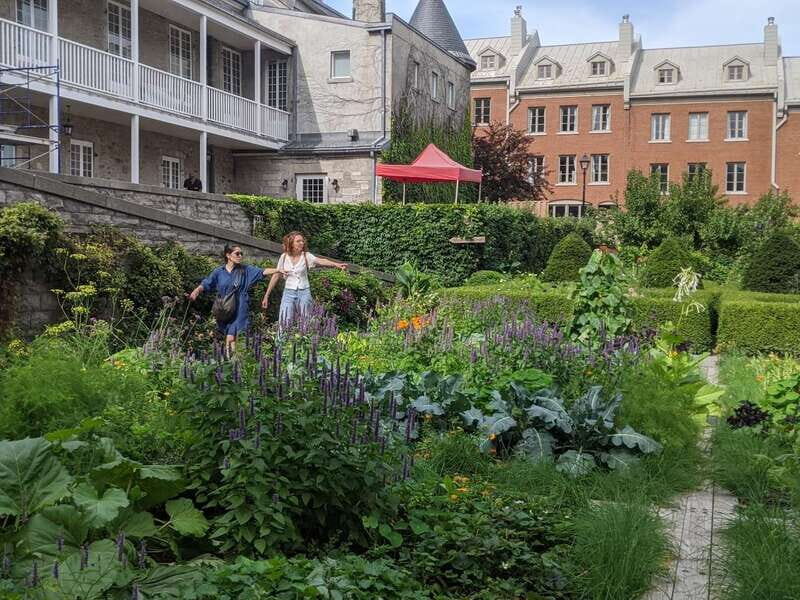
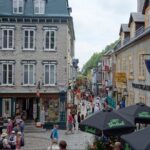
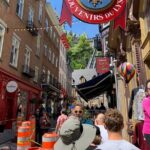
Old Montreal is one of those places where the layout matters. Streets twist, squares pop up unexpectedly, and historic buildings sit close enough that you can actually see details instead of only snapping quick photos. A guided walk works because it gives you an order to the maze—what you’re looking at, why it mattered, and how it connects to what came before.
This tour is two hours, which is a sweet spot. Long enough for context and a real rhythm, short enough that you won’t feel wrecked afterward. And because it’s fully private, you’re not competing for attention with a large group. You get the feeling that your questions count, not just the guide’s script.
The practical side is simple. Bring comfortable shoes—Old Montreal is mostly stone and uneven spots. And go in knowing it runs rain or shine, so you’ll want weather-ready layers and a small umbrella if you use one.
You can also read our reviews of more walking tours in Montreal



Customization Is the Real Luxury Here
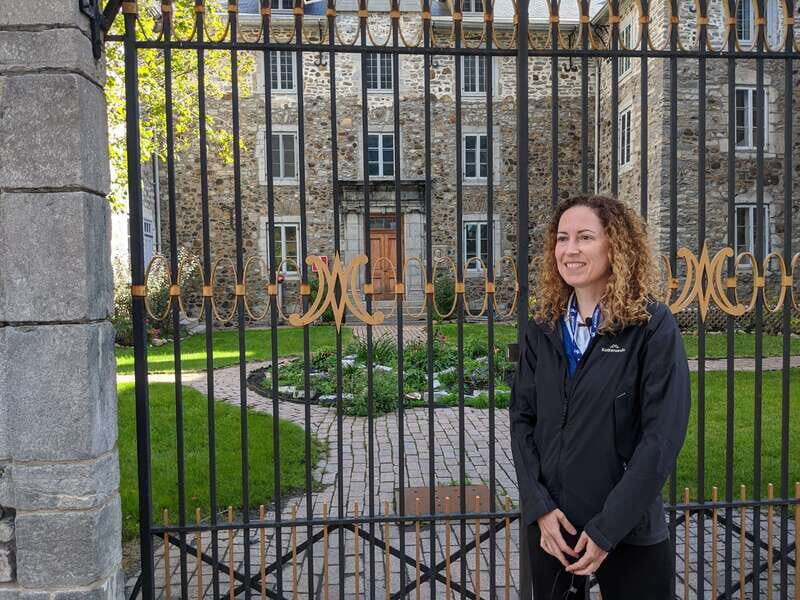
The headline feature is the flexibility: your guide can customize the departure time, duration, route, and content based on your interests. That matters more than it sounds. Montreal’s Old Town can be approached in a few very different ways—architecture-first, history-first, or “follow the city’s everyday streets.” With this tour, you can nudge the guide toward your favorite angle.
Here’s how that usually plays out in real terms:
- If you’re drawn to religious and civic architecture, you’ll naturally spend more time orienting around major exteriors like Notre-Dame Basilica and City Hall.
- If you like street-level stories, you’ll likely linger on corridors like St-Jacques Street—often linked to the idea of a historic commercial axis.
- If you want the commercial backbone of the city, the Old Port area becomes part of the thread, not an afterthought.
That’s why I call customization a “real luxury.” You get a guided plan that fits you, instead of forcing you to fit the plan.
Place d’Armes, Place Royale, and Jacques-Cartier: The Squares That Explain the City

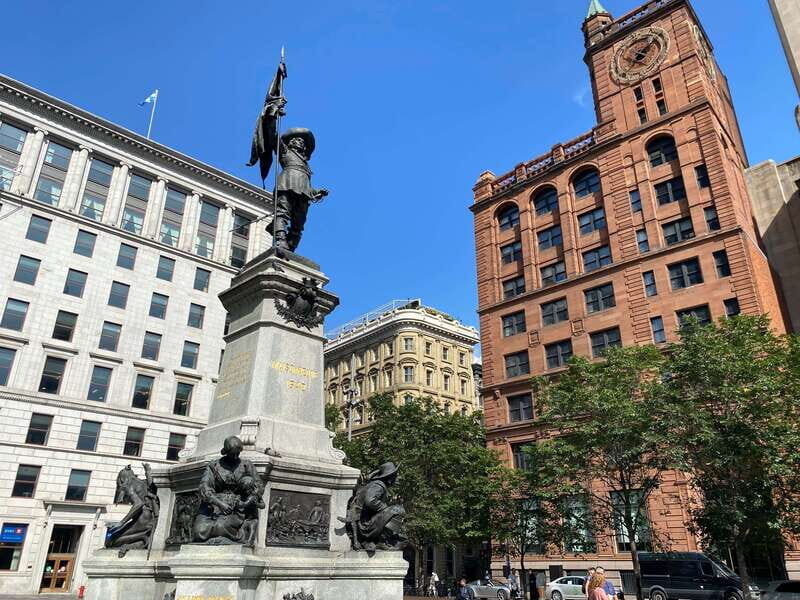
Old Montreal’s big moments often happen in squares. That’s where you can pause, look around, and understand how power and community shaped the space. On this tour, you’ll visit important public squares such as Place d’Armes, Place Royale, and Place Jacques-Cartier.
What I love about square visits is how they teach you to read a city. A square isn’t just an open area—it’s where ceremonies, markets, and civic life tend to gather. Your guide can connect what you see now to what those places meant when the city was growing and changing.
You’ll also check out monuments and works of art placed in these areas. The value here isn’t just the objects themselves—it’s the way the guide uses them as anchors to explain Montreal’s evolution.
Possible drawback: squares can be exposed to wind and weather. If it’s cold or rainy, consider bringing a hat or hood and staying ready to step quickly between sheltered spots.
Notre-Dame Basilica and City Hall Exteriors: Big Landmarks Without the Detour
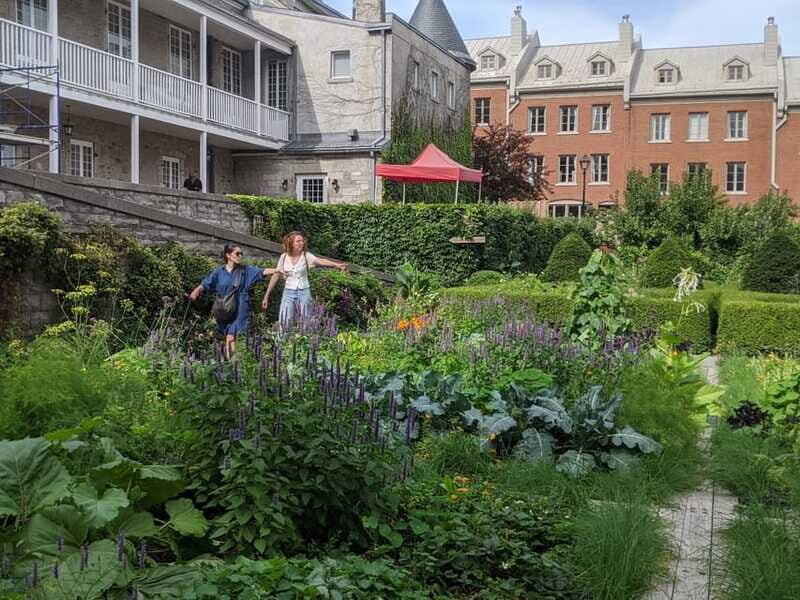
You won’t be waiting in line for indoor visits. Instead, the focus is on exterior architecture—classic for a walking tour because it keeps you moving and gives context through sightlines.
Expect stops and pass-bys for major exteriors like:
- Notre-Dame Basilica
- City Hall
- The Château Ramezay
- Bonsecours Market
- Three courthouses
There’s a strong benefit to doing landmark exteriors on foot. You naturally see scale, materials, and how buildings sit against the street. You also get a better sense of geography—where everything sits relative to the historic core.
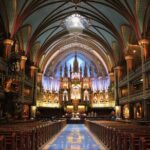
Notre-Dame Basilica, in particular, is the kind of structure that makes you stop mid-walk. Even if you’re not chasing religious history, it’s a visual milestone. Your guide’s job is to connect the building to the city’s wider story, not just point at it and move on.
City Hall and the courthouses help you see another theme: Montreal’s civic identity. These buildings visually reinforce that this was never only a “settlement”—it grew institutions, laws, and official life.
St-Jacques Street and the “Wall Street of Canada” Idea
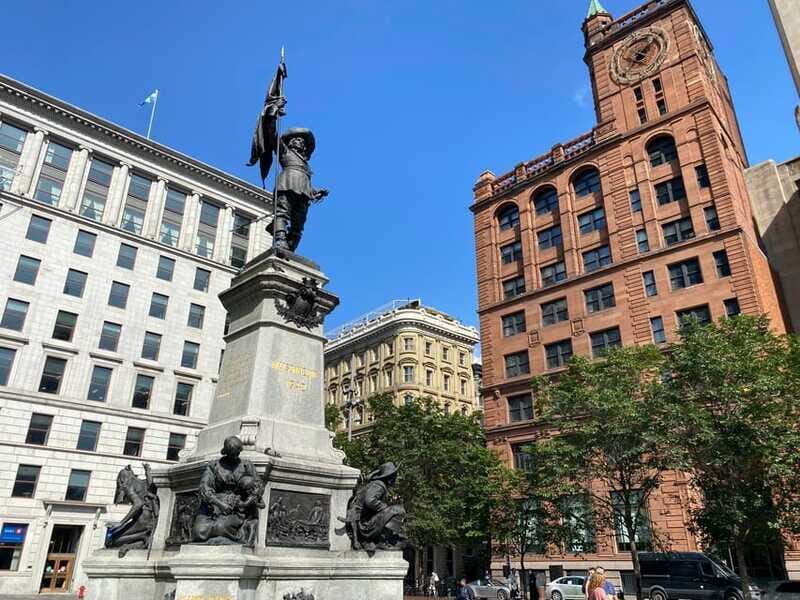
One of the more interesting street stories on this walk is St-Jacques Street, often referenced as the former ‘Wall Street of Canada.’ Whether you’re a finance-history fan or just curious, the underlying point is useful: streets can function like institutions.
Why it helps on a guided walk: you can’t tell the full story of a street from architecture alone. Your guide ties the street’s role—commerce, business life, and the city’s momentum—into the bigger timeline of Old Montreal.
As you pass by along the way, you’ll also see smaller historical context pieces that make the area feel layered rather than frozen in time. It’s the difference between seeing old buildings and understanding why they were placed where they were.
You can also read our reviews of more private tours in Montreal





Hôtel-Dieu Site at Cours Le Royer: History You Can Almost Feel

Old Montreal isn’t only monuments. It’s also the foundations of everyday needs—like health care. On this tour, you’ll learn about the foundation site of the city’s first hospital, l’Hôtel Dieu, located at Cours Le Royer.
That’s one of those stops that gives you a different lens on a place. When you hear that this spot connects to the city’s earliest hospital, the stone streets start to feel more human. This isn’t just about architecture aesthetics. It’s about how people lived, coped, and built systems as the city grew.
Even though you’re seeing a site rather than touring inside, the story makes the surrounding neighborhood more meaningful. You’ll likely look at the area differently afterward—less like a postcard and more like a real place where important decisions were made.
Sulpician Seminary and Bon-Secours Chapel: Continuity in Stone and Purpose
Two stops in the historic district help show continuity—how different eras overlap in Old Montreal.
You’ll see:
- The Sulpician Seminary, described as the oldest building in the historic district
- Notre-Dame-de-Bon-Secours Chapel, passed along the route
The seminary is the kind of place that makes you stop for the long look. When a building is framed as the oldest in the district, your brain automatically shifts into “timeline mode.” Your guide’s explanations help you connect the building to Montreal’s early formation, not just its age.
The chapel adds another layer, tying into the spiritual and cultural roles that shaped daily life. Again, the tour keeps it exterior-focused, but you still get a sense of how the city’s identity formed around institutions.
Old Port: Where Montreal’s Trading Story Fits In
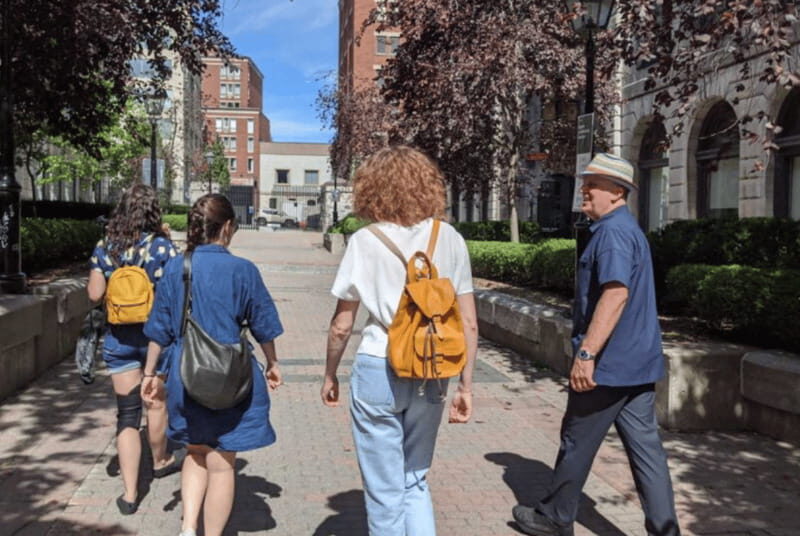
Your walk also connects to the Old Port. Even without a deep detour, the Old Port area matters because Montreal’s growth isn’t only a political story—it’s also a movement and trade story.
A guide helps you place the Old Port on your mental map. They connect it to the city’s development from early settlement onward, so it clicks why certain buildings and streets sit where they do. If you’re visiting Montreal for the first time, this part helps you understand the city rather than just pass through it.
The 1642 to Today Timeline: How the Guide Makes It Click
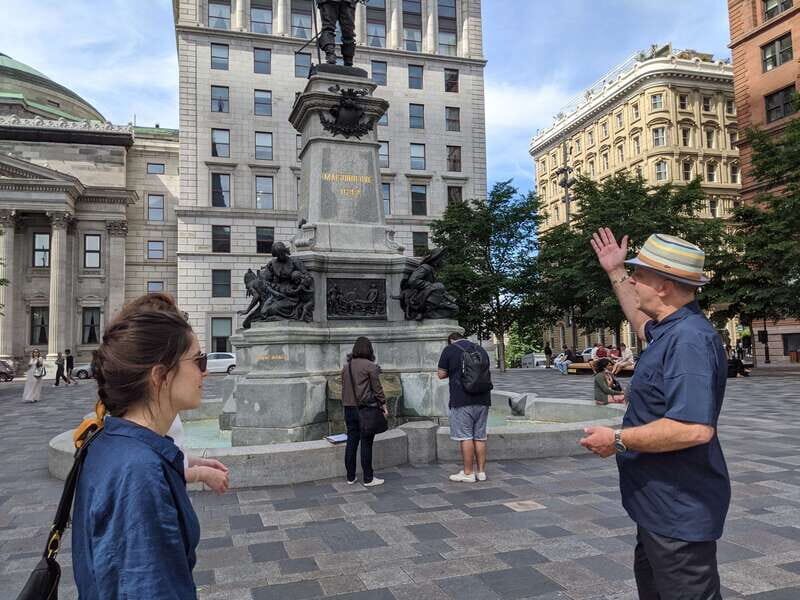
This tour is designed around a clear story arc. It starts with the foundation of Fort Ville-Marie in 1642 and moves forward to today’s Montreal. That’s a huge span, so the guide’s job is to avoid “facts dumped on you” and instead build a thread.
Here’s what makes that timeline feel useful in real life: Old Montreal is physical evidence of change. Buildings, street patterns, and key civic spaces give you visual anchors. When your guide explains how the city formed, you stop seeing random historic structures and start seeing progression.
And the best part is that the tour doesn’t trap you in one viewpoint. If you’re more interested in architecture, the guide can lean that way. If you want the human story—health, community, institutions—they can frame stops accordingly.
Private Guide Energy: What the Best Guides Actually Do
The difference between a good guide and a great one shows up fast on a private walk. The top praised element here is how guides handle questions and adapt to the group’s pace.
For example, I saw comments that Stacey was responsive to questions and fun while staying on track. Another guide, Thomas, was described as friendly and passionate, with a tour that felt engaging rather than lecture-like. Pierre was praised for making the tour feel playful and that it passed quickly. And Carole stood out for being kind and for answering questions thoroughly.
That mix points to the same skill: balancing information with people. On a private tour, you don’t want a guide who just rushes through. You want someone who can slow down when you’re curious—and speed up when you’re ready to move.
Also, one standout theme: the guide’s ability to handle mixed ages and abilities. Even if everyone isn’t the same pace, the private setup gives your guide room to manage it with flexibility.
Price and Value: When $164 Per Group Feels Worth It
Let’s talk money. The price is $164 per group up to 15 people for a 2-hour private walking tour.
On paper, that might sound like a lot—until you do the basic math and ask a real travel question: are you paying for “a guide,” or for “your own time and attention”?
If you’re a small group (say, a family or a few friends), the per-person cost can drop quickly compared with buying multiple tickets for separate public tours. If you’re traveling with a mix of interests—one person wants architecture, another wants street stories—private customization often saves time. That’s value, too.
If you’re solo, you’ll likely ask yourself if the customization and private attention are worth the group price. It can be, especially if you want a tailored focus and you’d rather spend your time in Old Montreal intelligently than wandering without context.
Who This Old Montreal Walk Is Best For
This tour is a good match for:
- First-time visitors who want their bearings fast in Old Montreal
- History and architecture fans who enjoy seeing landmarks from the street
- Families or small groups that want flexibility and a guide who can handle questions
- People who prefer a tighter, more personal experience instead of a crowded group tour
It’s not a good match if you need wheelchair access or you have mobility limitations that make walking hard. This is a walking experience on uneven historic streets, and that constraint matters.
Quick Practical Tips Before You Go
- Wear comfortable shoes. Old Montreal’s surfaces are not always forgiving.
- Dress for rain or shine. Layers help.
- Have a few interests ready. Even a simple list like Notre-Dame, markets, or the Old Port helps your guide customize the focus.
- If your group has different paces, tell the guide early. Private tours work best when everyone’s needs are known up front.
Should You Book This Private Old Montreal Walking Tour?
I’d book it if you want a guided story through Old Montreal without spending extra time on logistics. The combination of customization, a tight two-hour route, and major landmark exteriors makes it a solid value—especially if you’re traveling with others who can split the group price.
Pass on it if you want a fully accessible, low-walking option, or if you only want ticketed interior visits. This is best when you’re happy to explore the historic core on foot and let the guide turn streets, squares, and buildings into a timeline you can actually remember.
If your ideal trip includes walking, asking questions, and getting a personalized focus—this is an easy “yes” for Old Montreal.
FAQ
How long is the tour?
The tour duration is 2 hours.
Is this a private tour?
Yes, it’s a fully private guided tour for your group.
Can the route and content be customized?
Yes. The departure time, duration, route, and content can be customized according to your needs and interests.
What languages are available for the guide?
The guide can speak French, Spanish, or English.
Is the tour outdoors?
Yes. It’s a walking tour that runs rain or shine.
What should I bring?
Wear comfortable shoes.
Is it suitable for wheelchair users or people with mobility impairments?
No. It’s not suitable for people with mobility impairments or wheelchair users.