REVIEW · MONTREAL
Montreal: Private 2h Walking Tour RESO and Old Montreal
Book on GetYourGuide →Operated by Gustavo Trindade · Bookable on GetYourGuide
Montreal can feel big until someone draws the lines for you. This private 2-hour walk strings together top landmarks from the Musée des beaux-arts de Montréal area to the Old Port, so your first visit actually starts to click. I like that it mixes postcard sights with practical city rhythm, plus you get multiple photo stops instead of one long, nonstop shuffle.
Two things I especially like: the route’s shift from classic downtown streets into Montreal Underground (RÉSO) and back out into Old Montreal’s cobblestones. And with the guide—often Gustavo Trindade—the tour can feel tailored to your pace, with smart suggestions on what to do after you finish.
One drawback to plan for: two hours is tight. You’ll pass many major spots, but you won’t get long time inside big attractions like Saint Joseph’s Oratory or the Olympic Stadium—those sit outside the short walk.
In This Review
- Key takeaways for planning
- From MMFA to Old Port: a 2-hour route that makes Montreal click
- Why RÉSO (Montreal Underground City) changes the whole experience
- Rue Sherbrooke to McGill: architecture meets student energy
- Downtown culture stops: Place des Arts and Quartier des Spectacles
- Place d’Armes to Notre-Dame Basilica: the classic “Montreal” moment
- Toward the river: City Hall, Bonsecours Market, and Old Port views
- How the guide helps you get more than photos
- Pacing and practical tips for a smooth walk
- Price and logistics: is $87 per person good value?
- Who this tour suits best (and who might want longer)
- Should you book? My straight answer
- FAQ
- Where does the tour start?
- How long is the walking tour?
- What’s the final area you reach?
- Is this a private tour?
- What languages are available?
- What’s included in the price?
- Are meals included?
- Is hotel pickup or drop-off included?
- Do I need to bring a raincoat or umbrella?
- Is a metro pass included?
- What should I avoid bringing?
- Is cancellation refundable?
Key takeaways for planning
- Museum of Fine Arts start gives you a clean orientation before you hit the city center
- RESO and Underground City add variety and can help when weather is annoying
- Old Montreal focus includes Notre-Dame Basilica and riverfront energy near the Old Port
- Multiple photo stops (McGill, major squares, landmarks) keep it fun and efficient
- A guide who adjusts to your interests and keeps the pace friendly
From MMFA to Old Port: a 2-hour route that makes Montreal click
Start at the Montreal Museum of Fine Arts (MMFA), right by the entrance with the two hearts. That’s a great choice because it frames your walk as more than a checklist—you’re beginning from a cultural anchor, then working outward into business streets, university life, and finally Old Montreal.
The vibe is part scenic, part strategic. You’ll walk through areas that show how Montreal “layers” over time: elegant architecture and upscale shopping corridors, then the cultural core around the arts district, and finally the historic streets where the river becomes the backdrop. In other words, you don’t just see sights—you get a sense of how neighborhoods connect.
You’ll also appreciate the pacing. The tour is designed to fit a 2-hour window, so you’re moving steadily, with photo pauses that break up the walk. Bring comfortable shoes, because this is still a walking tour—no rest stops that turn it into a casual stroll.
You can also read our reviews of more walking tours in Montreal



Why RÉSO (Montreal Underground City) changes the whole experience
A big reason to choose this route is that it doesn’t treat the underground like an afterthought. You’ll pass through Montreal Underground (RÉSO) and the Place Desjardins area, plus you’ll see parts tied to Montreal Metro.
What I like about this approach is how it explains Montreal’s practical side. When cities are cold or rainy, underground connections aren’t just convenience—they shape daily life. Even if you’re visiting in good weather, seeing RÉSO helps you understand why locals move the way they do and why the city feels so easy to navigate.
You’ll get a quick look at how the underground connects the downtown grid to key hubs. It’s also a relief if your legs need a short break from direct sun or wind. Just keep in mind: underground spaces can involve some stairs and changing levels, so sturdy footwear matters.
Rue Sherbrooke to McGill: architecture meets student energy
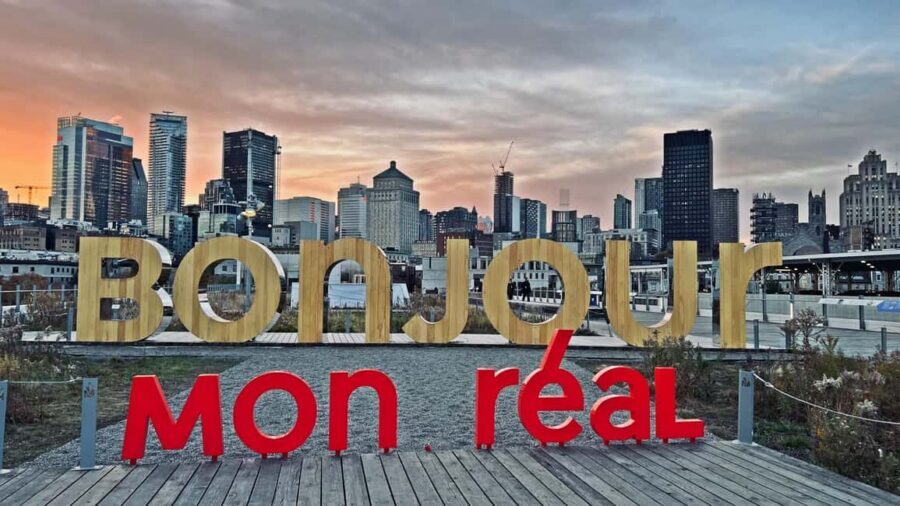
After MMFA, the walk runs along major corridors that people associate with classic Montreal views. You’ll pass McGill University for a photo stop, then continue through downtown through areas like Place Ville Marie, Phillips Square, and Rue Sainte-Catherine.
This part works because it gives you two different flavors of the city at the same time:
- The “city center” feeling—busy streets, major squares, landmark-adjacent walking.
- The “Montreal identity” feeling—university presence and the elegant street walls that show up around Sherbrooke and adjacent blocks.
If you like architecture, this is where you’ll spot the rhythm: big institutions, polished façades, and city blocks that feel planned. If you prefer people-watching, you’ll find plenty of motion near central streets and squares.
Also, this isn’t a rumor-driven tour. You’re guided to real points along the route, including spots such as Edward VII Monument and Christ Church Cathedral (photo stops). Those stops turn the walk into a guided story instead of random sightseeing.
Downtown culture stops: Place des Arts and Quartier des Spectacles
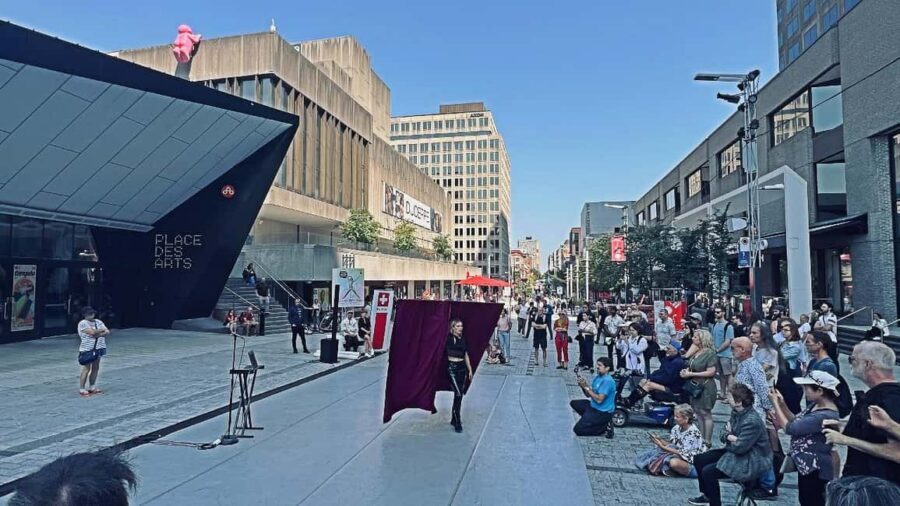
The tour hits the arts zone through Quartier des spectacles and Place des Arts. Even if you aren’t catching a show, this area gives you a feel for Montreal’s public culture—music, art events, and the kind of civic energy that spills out into the streets.
I like how this portion balances the more historic vibe of Old Montreal. Downtown arts districts tend to be more open and outward-facing, while Old Montreal tightens into charm, stone, and tradition. By the time you reach Place d’Armes and start approaching the basilica area, you’ll feel the transition in your feet.
Photo stops here matter too. They’re quick chances to orient yourself—use them to figure out where you are before you move into narrower Old Montreal streets.
Place d’Armes to Notre-Dame Basilica: the classic “Montreal” moment
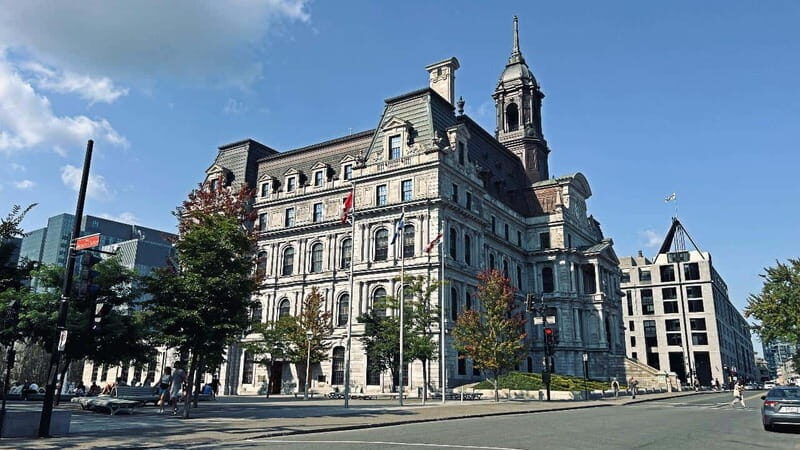
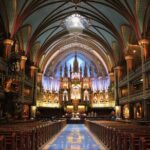
Then comes the highlight most people picture first: the historic center around Place d’Armes and the Notre-Dame Basilica of Montreal.
In a short walking tour, this is the part where you slow down in your head, even if your pace stays quick. The basilica is a major focal point, and the surrounding streets help you understand why Old Montreal feels so distinct from modern downtown. You’re looking at a city center where the “old” and “today” are right next to each other.
You’ll also pass Bank of Montreal (BMO) and move through the area toward points like Jacques Cartier Place. That matters because Montreal’s old core isn’t isolated—it’s connected to the working parts of the city, and the riverfront pulls everything toward it.
One practical note: because this is a walking tour with photo stops, you’ll get the big sights without building a schedule around long interior visits. If you want extended time inside major landmarks, plan for extra time after the tour.
You can also read our reviews of more private tours in Montreal





Toward the river: City Hall, Bonsecours Market, and Old Port views
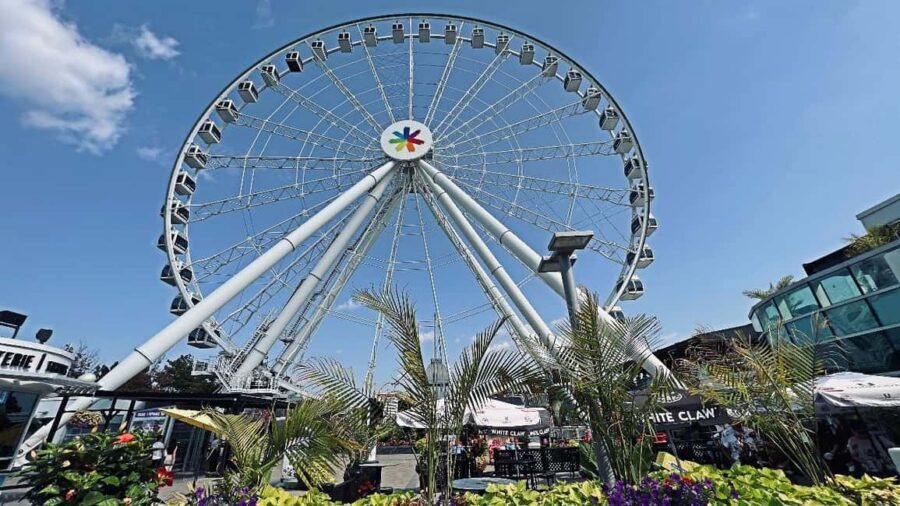
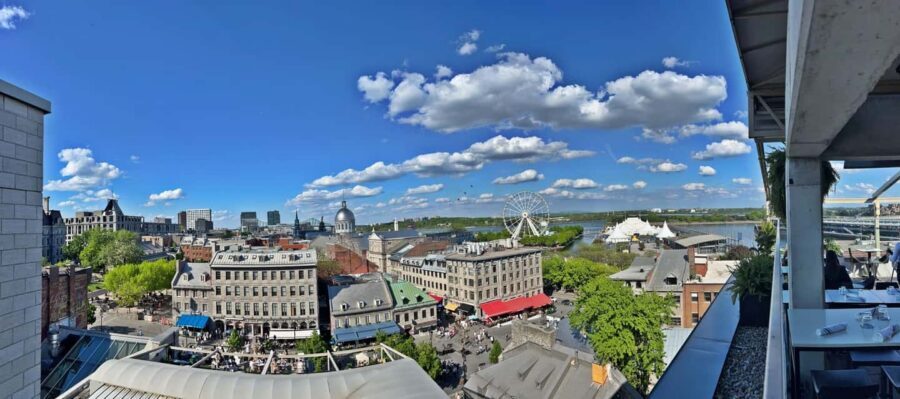
Next you’ll work toward Montreal City Hall, plus nearby landmarks such as La Grande Roue de Montréal (the big wheel view) and Bonsecours Market. These stops are useful because they show how the waterfront area functions as both a tourist zone and a real civic edge.
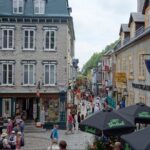
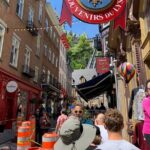
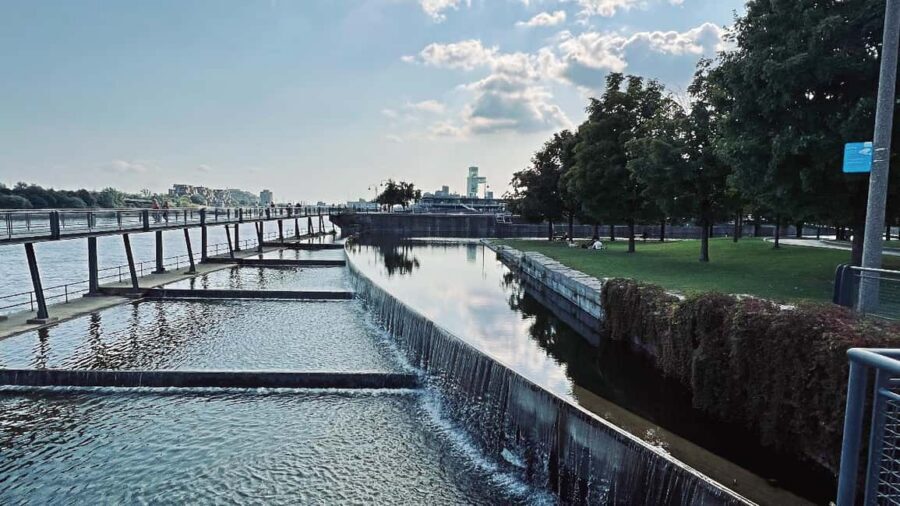
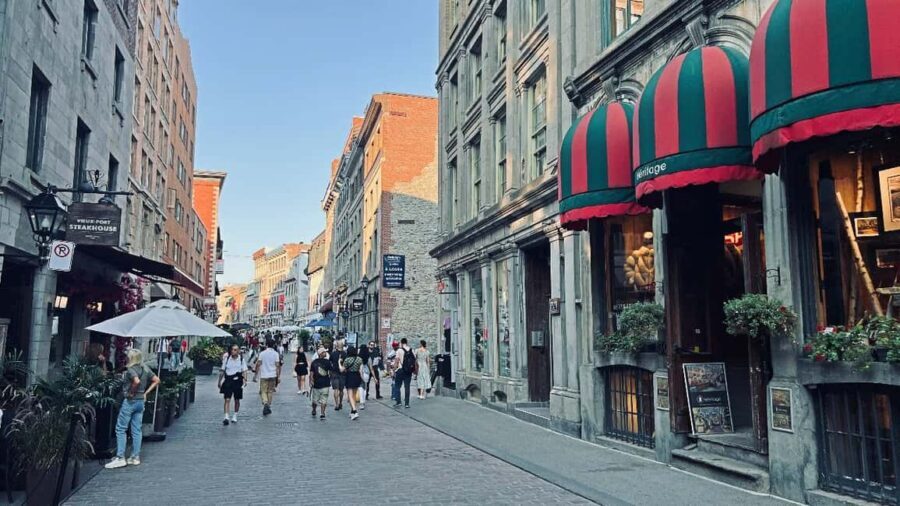
From there, the walk reaches Old Montreal and the Old Port of Montreal, with the Saint Lawrence River in view as you transition into the most atmospheric streets. This is where the tour earns its value: it takes you from downtown “straight lines” to the old-port atmosphere where the river becomes your compass.
I like that you’re not just thrown at one spot and left there. The route builds. You see the city center, you cross into the old core, and then you finish close to the water—perfect for continuing your day on foot afterward.
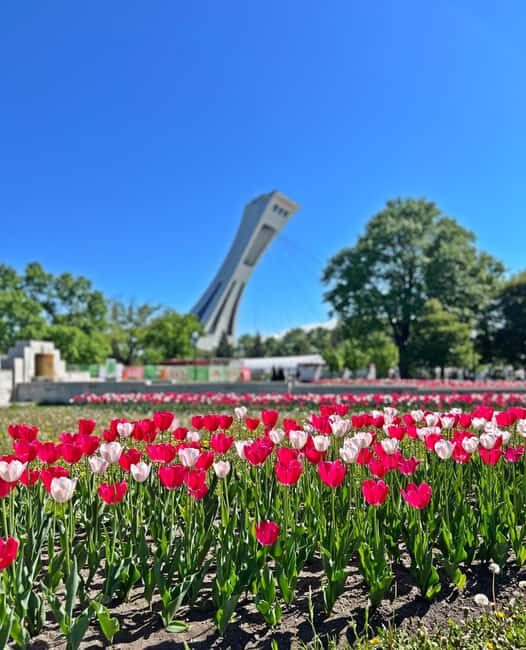
And yes, you’ll get a few “quick glance” views too. The tour route includes viewpoint moments like Mount Royal view from the bottom only, plus Parc Jean-Drapeau view only and Montreal Biosphere view only. They’re not a full panorama session, but they give you enough anchors to plan a later outing if you want those views in more detail.
How the guide helps you get more than photos

Good walking tours tell you where to stand. This one also helps you decide what matters once you’re standing there.
From the feedback you can expect a guide who tailors the tour to your group’s interests and keeps energy up without dragging. The guide is also described as entertaining and very careful with timing, which matters in a 2-hour format. When you’ve only got a couple hours, wasted time is expensive.
You’ll also pick up helpful recommendations after the walk—so you can keep going instead of staring at your phone, wondering what to do next. That’s the kind of service that makes even a short tour feel longer, in a good way.
If you’re someone who likes asking questions, bring them. The tour is live-guided and offered in English, French, Portuguese, and Spanish, so you can choose the language that helps you get the most out of the narration.
Pacing and practical tips for a smooth walk
This isn’t a sit-and-stare experience. It’s a walking tour, and that’s great—just be ready for the physical part.
A few practical pointers based on the provided guidance:
- Wear comfortable walking shoes. You’ll be on your feet for the full 2 hours.
- Bring water and take sips before you feel thirsty.
- Check the weather and dress for it, especially because you’ll be walking above ground and also moving through underground segments.
- Bring sunscreen and a camera if you want the photo stops to actually turn into photos, not just moments you replay later.
Also, you’re allowed to bring a smart plan for timing. Start with the idea that this tour is your orientation and your “best-of” pass. Then build the rest of your day around where you want more time—Old Port strolls, extra cathedral time, or a longer look at areas you enjoyed most.
Price and logistics: is $87 per person good value?
At $87 per person for a 2-hour private walking tour, the value comes down to one thing: how efficiently it helps you understand Montreal’s structure.
You’re paying for:
- A guided route built to connect major zones (MMFA area → downtown and underground → Old Montreal and Old Port)
- Multiple photo stops at key landmarks
- A live guide who can tailor the experience to your pace
- A format that works even if you only have a short window
If your trip schedule is tight and you want to maximize time without building an elaborate self-guided route, this price can make sense. If you’re traveling with a small group that wants the reassurance of a guide, it’s a good use of money.
If you’re trying to see everything in one go, temper expectations. This is a smart sampler. It will give you direction—but it won’t replace longer neighborhood exploration.
Who this tour suits best (and who might want longer)
This works best for:
- First-time visitors who want an efficient intro to Montreal’s major neighborhoods
- People who like walking with a purpose, not just wandering
- Travelers interested in both historic Old Montreal and the practical side of RÉSO
- Anyone who values a guide who can adjust pacing and offer recommendations after the tour
It may not be ideal if you need long time at specific attractions like Saint Joseph’s Oratory, the Olympic Stadium, or the Biodome, since those are outside the short route focus.
A simple way to decide: if you want a guided “map you can walk,” book this. If you want deep museum-style time, plan separate stops after.
Should you book? My straight answer
I’d book this tour if you want to get your bearings fast and still feel like Montreal has texture. The big win is the combination: downtown landmarks and squares, a real look at RÉSO, and then a clean finish in Old Montreal/Old Port where the river helps you understand the city’s pull.
Skip it (or add extra time elsewhere) if your top priority is long visits inside major attractions. This walk is designed to keep moving and show you the structure of the city, not to turn into a full-day ticket plan.
One more note: keep it light. The tour doesn’t allow alcohol or drugs, and it’s built around a straightforward walking experience. Bring water, comfortable shoes, and a camera, and you’ll get far more out of those photo stops than you would on your own.
FAQ
Where does the tour start?
It starts at the Montreal Museum of Fine Arts (MMFA) at 1380 Rue Sherbrooke O, with the guide in front of the entrance door where the two hearts are located.
How long is the walking tour?
The tour lasts 2 hours.
What’s the final area you reach?
The tour ends at the Old Port of Montreal area.
Is this a private tour?
Yes, it’s offered as a private group experience with a live guide.
What languages are available?
The live guide is available in English, French, Portuguese, and Spanish.
What’s included in the price?
You get a 2-hour guided walking tour experience with a route that passes many key points around downtown, RÉSO, and Old Montreal.
Are meals included?
No. Meals and drinks are not included.
Is hotel pickup or drop-off included?
No. Hotel pickup and drop-off are not included.
Do I need to bring a raincoat or umbrella?
Rain protection like a raincoat or umbrella is not included, so plan to dress for the weather.
Is a metro pass included?
No. A metro pass or transport if needed is not included.
What should I avoid bringing?
Alcohol and drugs are not allowed.
Is cancellation refundable?
Yes. Free cancellation is available up to 24 hours in advance for a full refund.