REVIEW · MONTREAL
Montréal: Maple Syrup Tasting Conference!
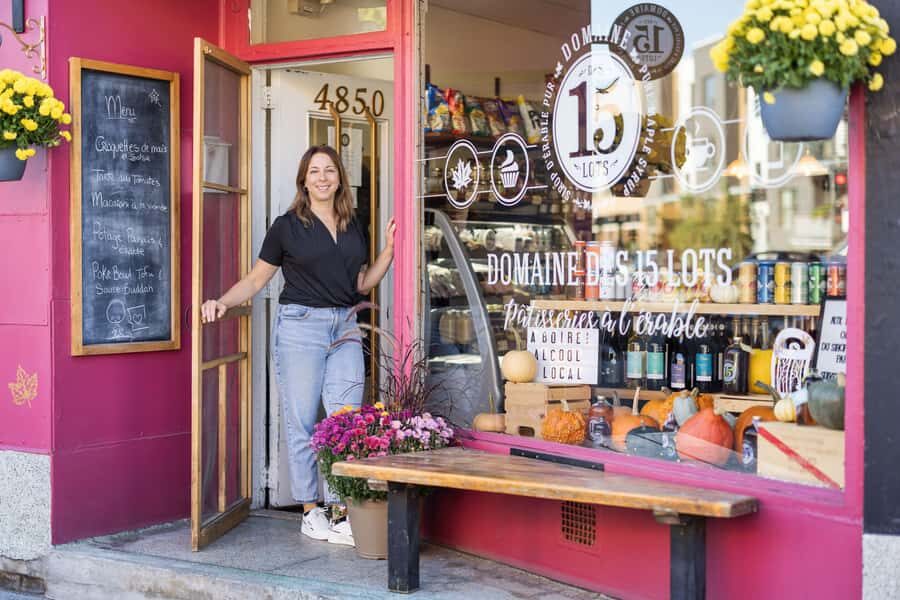
Book on GetYourGuide →Operated by Domaine des 15 lots · Bookable on GetYourGuide
Maple syrup gets a classroom makeover. In the boutique kitchen at Domaine des 15 lots, you’ll taste your way from sugar-bush basics to real cooking uses, with Nathalie guiding the sweetness in a small group. It’s a focused 1h15 session built for learning, tasting, and a hands-on moment that feels like a mini sugar shack stop.
I really like two things here: first, you get the full rundown of the four different maple syrup categories in a way that makes them easier to shop for and cook with. Second, you also get the classic payoffs—taffy on snow plus traditional pastries like the maple square—so you’re not just listening.
One drawback to keep in mind: this isn’t an all-you-can-eat sugar feast. You’ll sample about 10 products, so come with an appetite for tasting, not for leaving stuffed.
In This Review
- Key highlights worth planning around
- Inside the boutique kitchen: how a 1h15 tasting conference feels
- The sweet curriculum: harvesting, making, and why maple syrup has categories
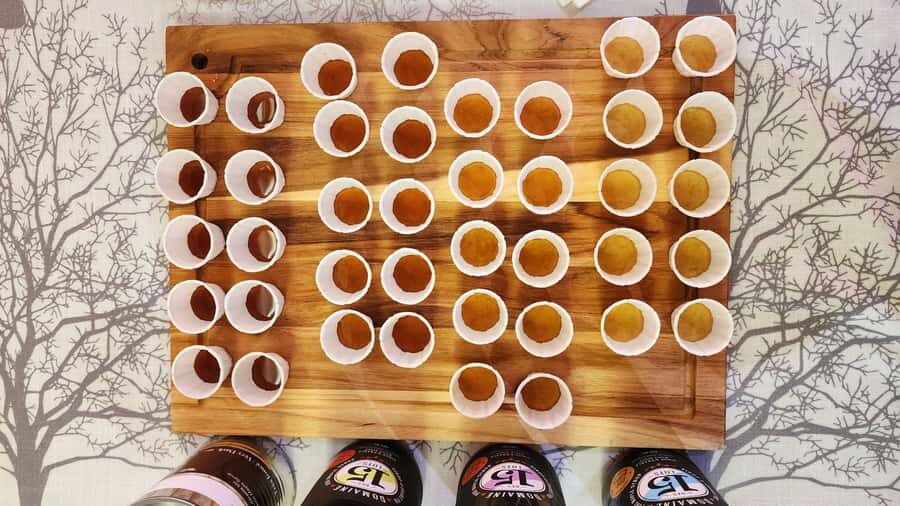
- The 10-product tasting: more than just syrup on a spoon
- Hands-on syrup making and taffy on snow (yes, you’ll taste it)
- Pastry focus: the maple square and what it teaches you
- What the four syrup categories mean for what you buy
- Price and value: what $22 buys you (and what it doesn’t)
- Timing and group size: why small matters here
- Who should book this maple syrup tasting (and who should skip)
- Should you book the Montréal maple syrup tasting conference?
- FAQ
- How long is the maple syrup tasting experience?
- What is the price per person?
- What language is the live guide?
- How many people are in the group?
- What’s included in the price?
- Do I get to taste taffy on snow and pastries?
- Is there time to participate in making maple syrup?
- Can I bring home all the maple products I want?
- Is it suitable for children?
- Is it suitable for people with diabetes?
Key highlights worth planning around
- Four maple syrup categories explained so the bottle on the shelf makes sense
- 10-product tasting featuring syrup and other maple goods
- Harvest-to-table steps covering where maple syrup comes from and how it’s made
- Taffy on snow + classic pastries like the traditional maple square
- Boutique kitchen experience with a hot drink to start and coffee or tea included
Inside the boutique kitchen: how a 1h15 tasting conference feels
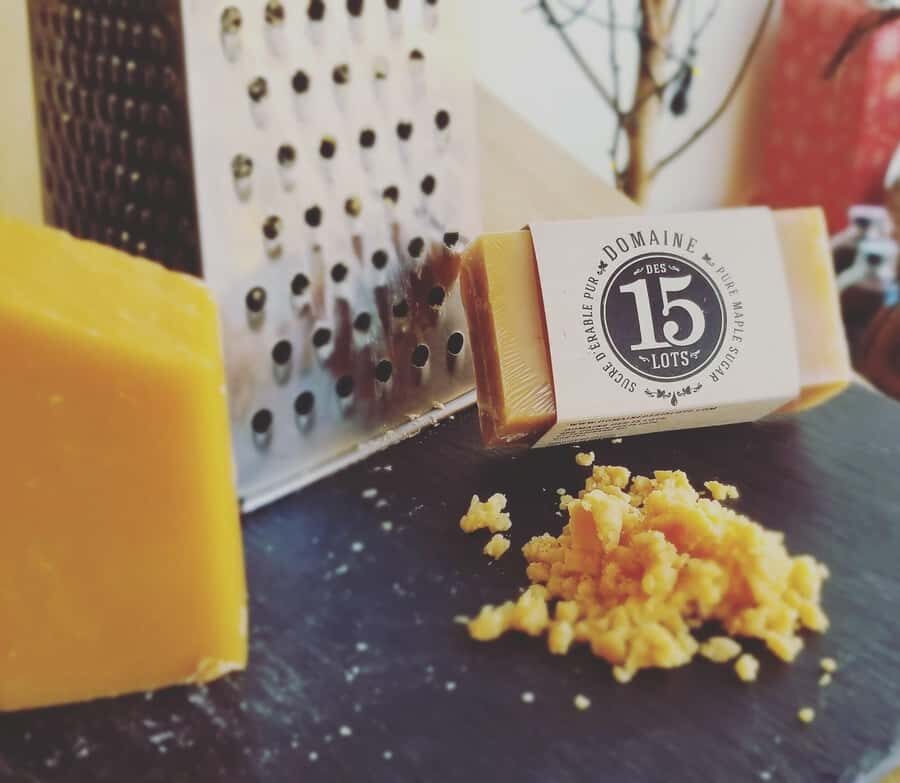
This is the kind of experience that runs like a well-timed cooking class. You arrive to a warm welcome with a hot drink, then you settle in for about 1h15 of learning and sampling. The format is simple: you hear the story, you taste the differences, and you get a small hands-on moment tied to making maple syrup.
The group stays small—maximum 6 participants—which matters more than you’d think. In a crowd, tasting sessions become a blur. Here, it’s easier to ask practical questions in French and focus on what’s on your plate, not what’s happening across the room.
If you’re planning your day around it, the session is usually offered in the afternoon. That makes it a nice option when you want something indoor, food-focused, and not dependent on winter weather outside.
You can also read our reviews of more food & drink experiences in Montreal


The sweet curriculum: harvesting, making, and why maple syrup has categories
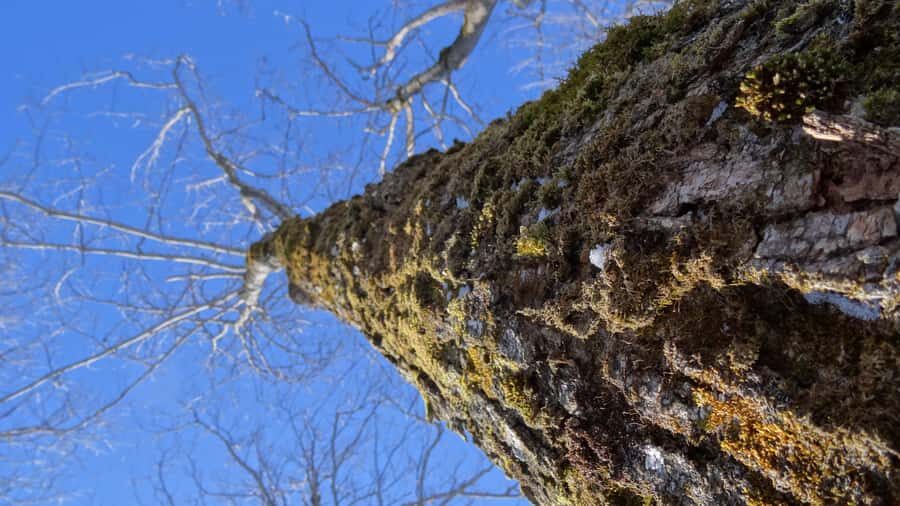
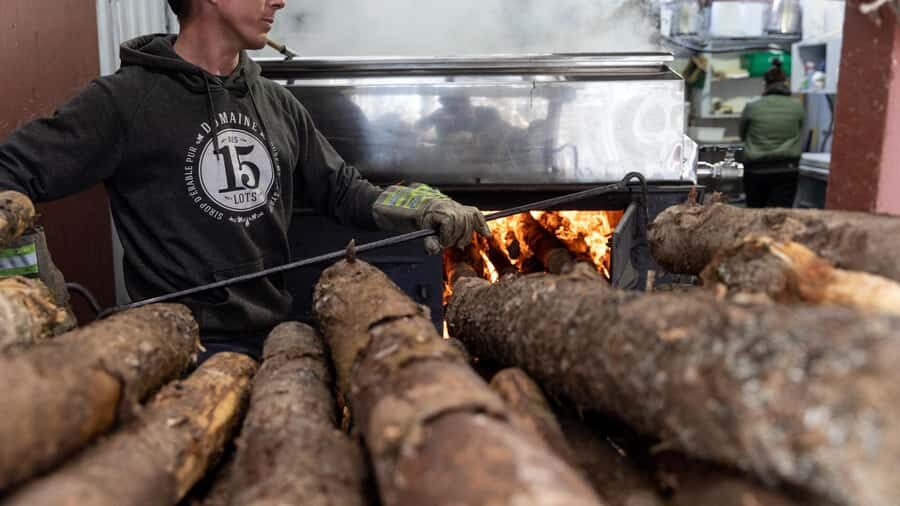
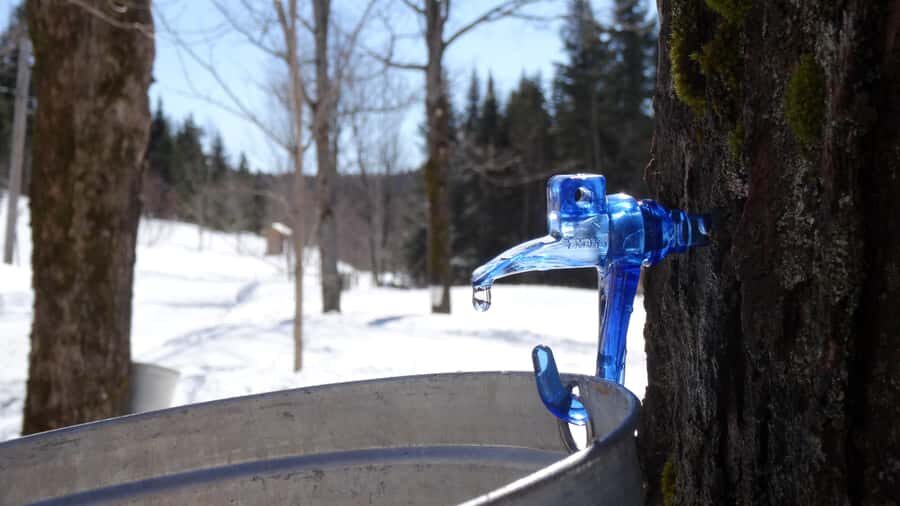
The heart of the experience is the explanation of where maple syrup comes from and how it becomes a product you can pour, bake, and cook with. You start with the origin story—how the sugar bush relates to the final syrup. Then you walk through the harvesting and making process, with a step-by-step emphasis on how sap becomes syrup.
You also cover the market side. That sounds abstract, but it’s useful: maple syrup is sold in different ways, and you’ll learn how those differences affect what you buy. The big takeaway is that you’ll discover the four different categories of maple syrup, not just taste a random assortment.
And yes, you should expect plenty of “how to use it” talk. You’ll learn about various uses in cooking, which is the bridge between tasting something neat and actually buying something you’ll use at home.
The 10-product tasting: more than just syrup on a spoon
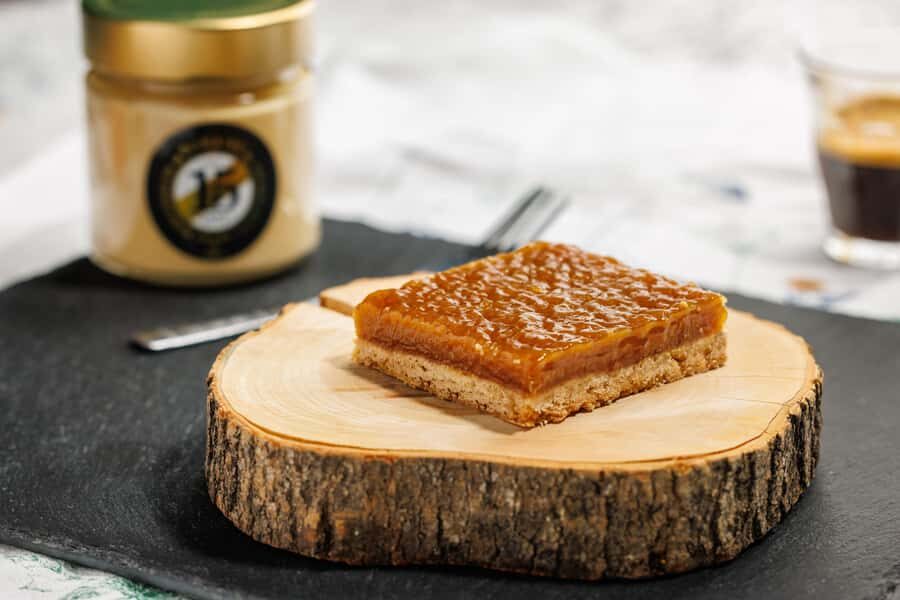
This tasting isn’t only about syrup. You’ll sample maple syrup along with other maple products from the sugar bush and from partners—so your palate gets to compare flavors and textures, not just shades of amber.
You can expect items like:
- maple butter
- sugar loaf
- jelly
- pastries, including the classic maple square
The real value is how these items connect to the lessons you hear. Syrup teaches you the base. Then butter, jelly, and sugar loaf show you how maple can shift into spreads, sweetness for desserts, and different cooking behaviors. It’s a tastier way to understand that maple products aren’t interchangeable.
Also, the tasting quantity is clear: the session includes a tasting of 10 maple products. That’s enough variety to feel like you learned something real, without turning the experience into a sugar marathon.
One practical note: since coffee or tea is included, you’ll have a chance to reset between tastings and keep your palate from getting overloaded.
Hands-on syrup making and taffy on snow (yes, you’ll taste it)
There’s a moment in the session where you actually take part in the making of maple syrup. Details of the exact step aren’t spelled out here, but you can expect it to be guided, easy, and designed for a small group—more about participation than performance.
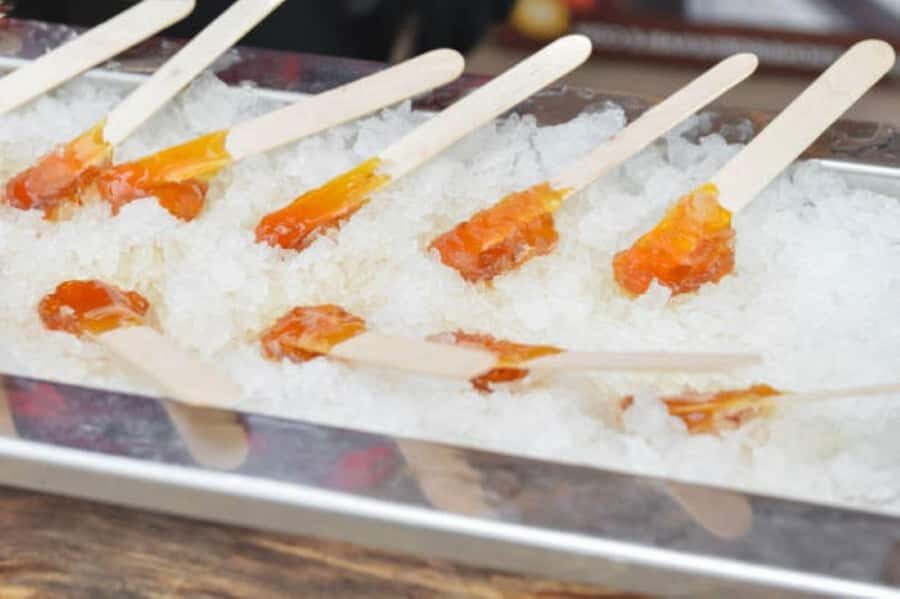
Then comes the winter-classic: taffy on snow. This is one of those foods that instantly turns education into memory. Instead of just hearing about maple season or production, you’re tasting something that feels tied to Quebec’s sugar-shack tradition.
If you’re worried about being bored by “just tasting,” this part is the counterweight. It gives you a sensory payoff that matches the lesson: you’re not only learning maple syrup exists, you’re experiencing a maple candy moment that’s tied to the same source.
Pastry focus: the maple square and what it teaches you
The classic maple square is more than a dessert item here—it’s a reference point. When you taste a traditional pastry as part of the session, you’re seeing how maple flavor shows up when it’s baked, set, and structured with dough and sweetness.
You’ll also taste other traditional pastries as part of the program. The effect is that you start to recognize maple as an ingredient with range: it’s not only for pouring over pancakes. It becomes part of pastry, part of baking texture, and part of that “Quebec comfort food” style you’re trying to find when you travel.
So if your goal is to go home knowing what to buy and how to use it, these pastry tastings are a cheat code.


What the four syrup categories mean for what you buy
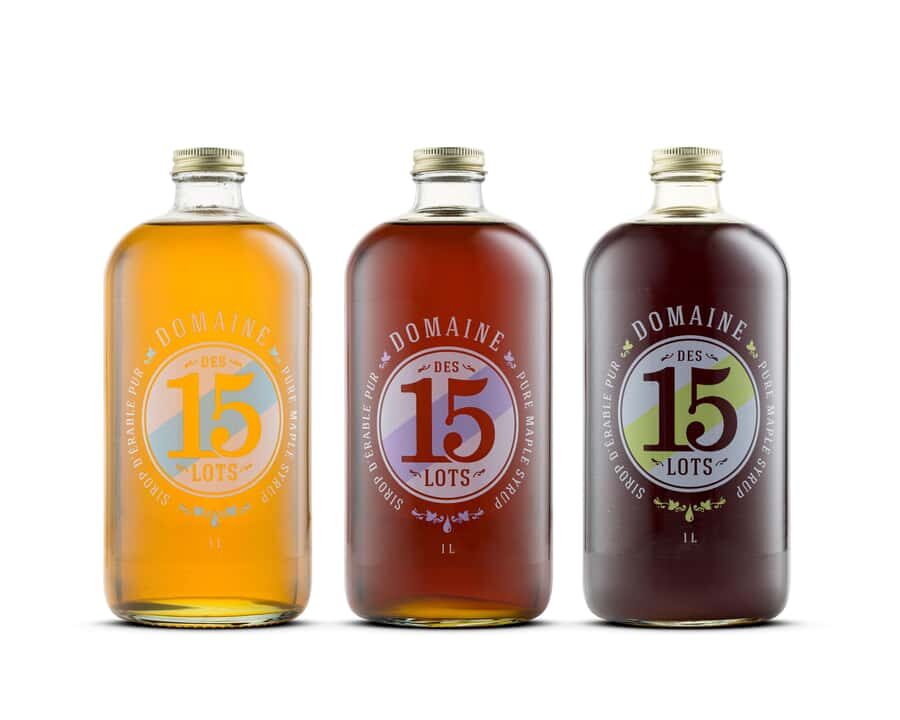
The session explicitly covers the four categories of maple syrup. That matters because maple syrup pricing and labeling can be confusing if you’re standing in a store with no context.
You’ll learn what the categories represent and how they relate to use in cooking. Even if you don’t memorize every label term, you’ll walk away with a better sense of how syrup choice connects to flavor intensity and best usage. That makes shopping less random and more intentional—especially if you want a bottle that fits your kitchen habits.
I also like that this isn’t treated like snobbery. It’s framed as practical: syrup isn’t one-size-fits-all. Different categories can help you match taste and cooking needs.
Price and value: what $22 buys you (and what it doesn’t)
At $22 per person for about 1h15, this price lands in the “worth it if you like food experiences” zone. Here’s why.
You’re not paying for one taste. You’re paying for:
- a guided lecture format (in French)
- a tasting of 10 maple products
- included coffee or tea
- hands-on maple-making participation
- taffy on snow
- traditional pastries, including the maple square
That’s a lot of content for a short duration. Also, this is a small group—limited to 6 participants—so you get more attention than the typical big tour.
The main thing it does not include is endless take-home shopping. You won’t get all the products you want to bring home for free. But if you like something, you can buy from the boutique afterward, and one highlight from the experience is that boutique items can be priced more fairly than you might expect compared to regular commerce.
Timing and group size: why small matters here
This is an afternoon-friendly activity because it keeps the energy controlled. You get a warm start with a hot drink, then a steady pace of explanation and tasting.
The small group size—6 participants—is a huge quality factor for this kind of session. Maple tasting is subtle. You need time to compare, and you need space to ask questions without feeling rushed. In a larger group, you often just taste and move on. Here, the session is designed to help you connect the tastes to what you’re being taught.
Language matters too. The guide is French, and the experience is built around that. If you’re not fluent, you can still benefit from the tasting and visual cues, but you’ll have a better time if you’re comfortable with basic French food vocabulary. One review noted French and English interactions, so in practice you may get some help if questions come up—just don’t assume it will be fully bilingual.
Who should book this maple syrup tasting (and who should skip)
This is a strong match for:
- food lovers who want a short, meaningful Quebec experience
- travelers who enjoy learning where ingredients come from
- anyone who wants to leave with a clearer idea of which maple products to buy
It’s not a fit for everyone. The session is not suitable for children under 6, and it’s not suitable for people with diabetes. Since you’ll be tasting multiple maple-sweet products, the sugar load is part of the experience by design.
If you’re mainly looking for an outdoor sugar shack day with big winter scenery, this may feel more like an indoor tasting conference than a full landscape-and-activities trip. But if you want winter flavor and education without a long day, it’s a smart choice.
Should you book the Montréal maple syrup tasting conference?
If you like your food tours with structure—learn a concept, taste the difference, get a traditional payoff—then yes, book it. This session checks the boxes that usually make or break maple tastings: clear teaching, a real tasting spread of about 10 products, and Quebec staples like taffy on snow and the maple square.
I’d skip it if you’re avoiding sugar, bringing very young kids, or expecting it to function like an all-you-can-eat event. But for most travelers passing through Montreal/Quebec and wanting a compact, hands-on taste of the sugar bush world, this is a solid value for the time you spend.
FAQ
How long is the maple syrup tasting experience?
It lasts about 1h15 (listed as 1.5 hours).
What is the price per person?
The price is $22 per person.
What language is the live guide?
The tour guide speaks French.
How many people are in the group?
The group is small, limited to 6 participants.
What’s included in the price?
You get a 1h15 lecture, a tasting of 10 maple products, and coffee or tea.
Do I get to taste taffy on snow and pastries?
Yes. You’ll taste taffy on snow and traditional pastries, including the classic maple square.
Is there time to participate in making maple syrup?
Yes. You’ll take part in the maple syrup making portion of the experience.
Can I bring home all the maple products I want?
No. All the maple products you want to bring home are not included.
Is it suitable for children?
No, it’s not suitable for children under 6.
Is it suitable for people with diabetes?
No, it’s not suitable for people with diabetes.