REVIEW · MONTREAL
Montreal: Maple syrup tasting and conference. In english!
Book on GetYourGuide →Operated by Domaine des 15 lots · Bookable on GetYourGuide
Maple season moves fast, and this tasting makes it easy to understand. In about 75 minutes, you sample four types of maple syrup, learn how maple water becomes syrup, and finish with the classic spring treat: maple taffy on snow.
Two things I really like about this experience are the mix of facts plus food and the hands-on moment making taffy right in the kitchen setting. One heads-up: it’s definitely on the sweet side, and it’s not suitable for people with diabetes.
You’ll be welcomed in the kitchen of a pastry shop at Domaine des 15 lots with a hot drink, and the guide runs everything in English for a small group of up to 6. If you’ve got an eye for authentic Quebec flavors beyond syrup alone, this one gives you a clear, practical picture of where the taste comes from.
In This Review
- Key points before you go
- Maple syrup tasting in the Domaine des 15 lots pastry shop kitchen
- The 75-minute flow: what happens from start to finish
- Four maple syrup types: how tasting turns into real understanding
- Sap-to-syrup: harvesting maple water and why the process matters
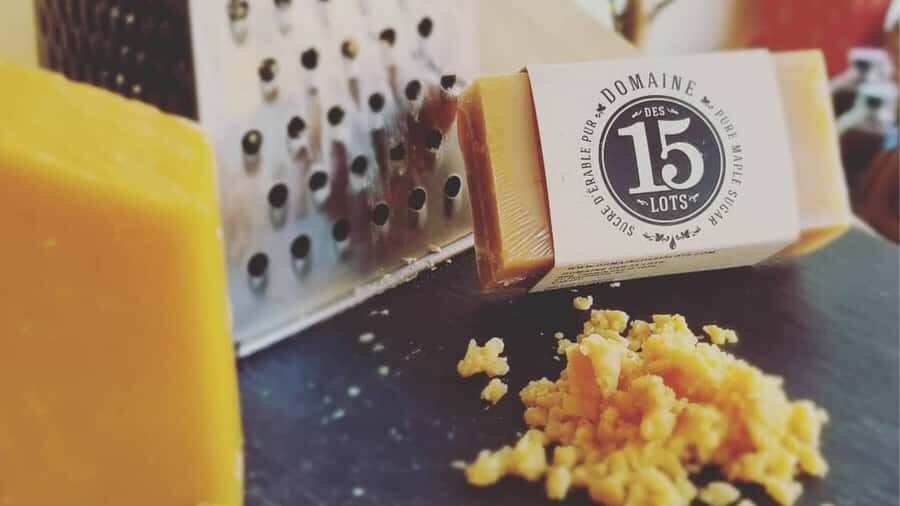
- Beyond syrup: tasting maple butter, loaf, jelly, and pastries
- Maple taffy on snow: the hands-on spring candy moment
- Price and value: is $21 worth 75 minutes in Montreal?
- Who should book this maple syrup and pastry experience (and who shouldn’t)
- Practical tips so you enjoy every sample
- Should you book it?
- FAQ
- FAQ
- How long is the maple syrup tasting and conference?
- Where is the meeting point?
- Is the tour available in English?
- How many people are in the group?
- What’s included in the price?
- Do you taste only maple syrup?
- Is maple taffy included?
- What is the price per person?
- Is the experience suitable for children or people with diabetes?
- What are the cancellation and payment options?
Key points before you go
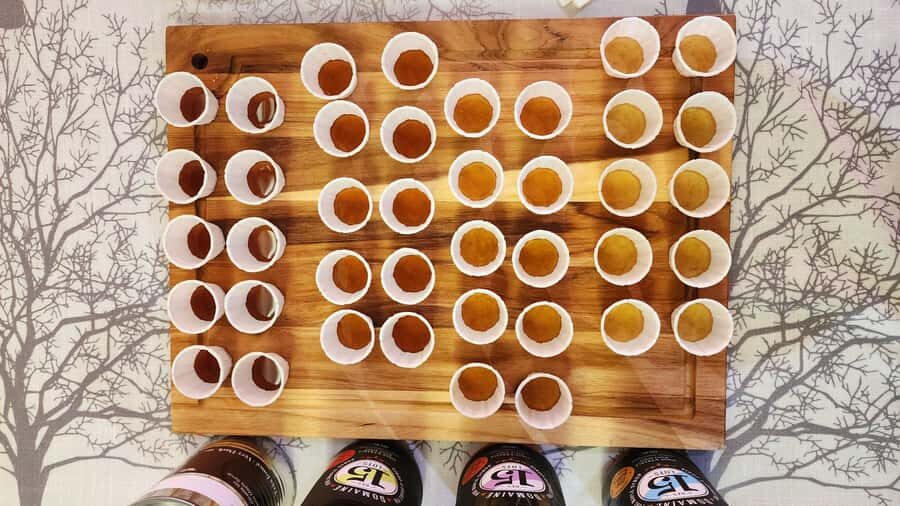
- Four maple syrup types plus a tasting of 10 maple products for a real sense of flavor differences
- Sap-to-syrup production explained step by step, including the harvesting season and how it’s produced
- Quebec pastry tasting alongside maple butter, loaf, jelly, and other treats
- Maple taffy on snow: make it and eat it as a traditional, seasonal spring candy
- Small group (max 6) in a kitchen setting, so the guide can keep it friendly and question-friendly
Maple syrup tasting in the Domaine des 15 lots pastry shop kitchen
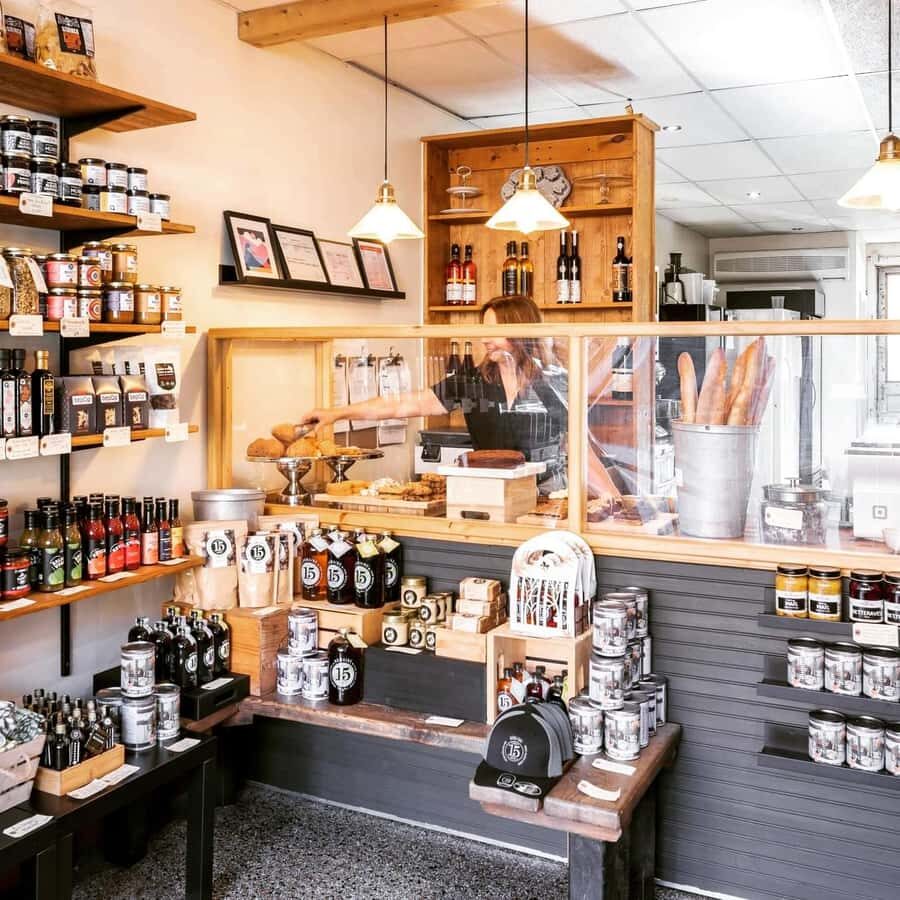
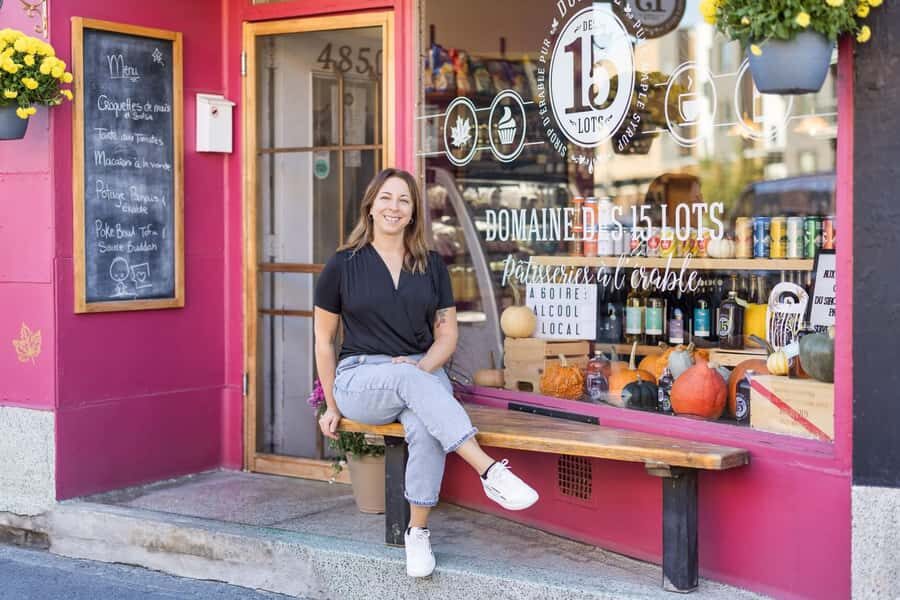
This experience starts in a working-feeling kitchen inside a pastry shop at Domaine des 15 lots. That matters. When food is part of the process, you learn faster and you don’t end up sitting through a purely lecture-style event.
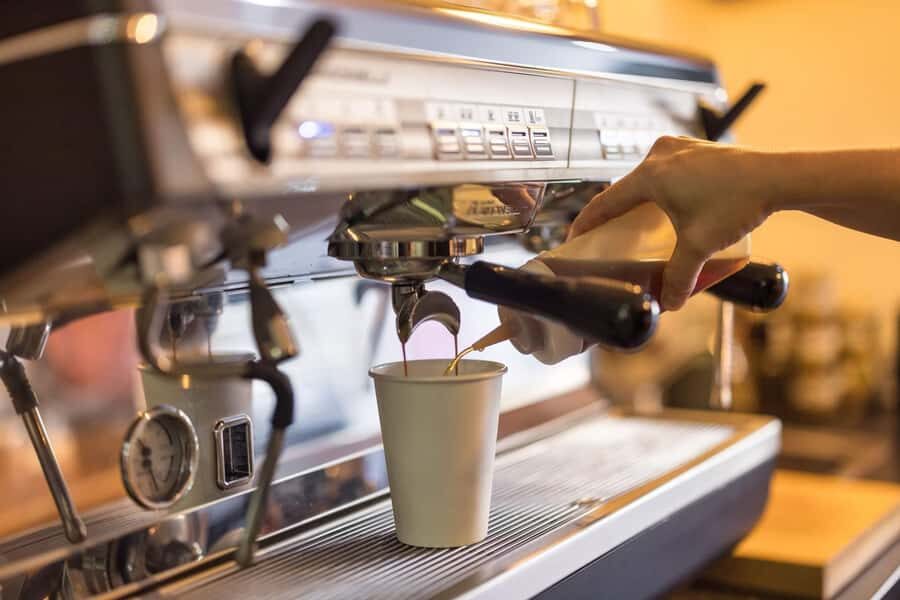
You’ll get a warm welcome and a hot drink right away. That’s a nice touch in Montreal winters, and it also helps because you’ll be tasting a lot over a short stretch. The event is led by an English live guide, and groups are capped at 6, which keeps the pace comfortable and social.
What makes the setup feel especially “Quebec” is that the story isn’t just about syrup. You’re tasting maple products tied to a family-run sugar farm and a few partner farms, then connecting those flavors back to how maple sap is harvested and processed. It’s the kind of format that turns a seasonal ingredient into a whole system you can actually picture.
You can also read our reviews of more food & drink experiences in Montreal


The 75-minute flow: what happens from start to finish
Plan for a tight but not rushed experience: about 1 hour and 15 minutes. It’s structured so you don’t feel stuck waiting between courses, and you don’t feel like you’re missing the fun because the tasting keeps moving.
Here’s how the timing usually feels in practice:
- You arrive, get settled, and start with the hot drink.
- You move into the main tasting sequence, starting with four maple syrup types.
- Along the way, the guide connects each taste to what’s happening in harvesting/production and what the syrup is used for.
- You also sample other maple products from the farm and friends’ farms.
- The session ends with making and eating maple taffy on snow, the springtime centerpiece.
If you like food activities that have a clear finish line, you’ll appreciate this. It’s not a half-day tour. It fits well into a day when you also want to see old Montreal streets, hit a museum, or just wander.
Four maple syrup types: how tasting turns into real understanding
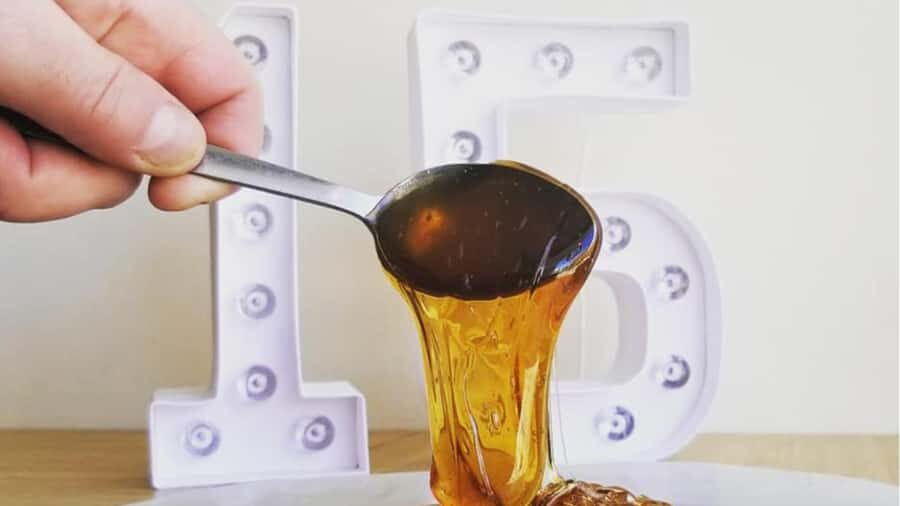
One of the best parts is that you don’t just taste one syrup and call it a day. You sample four different types of maple syrup, and that’s what makes the lesson click.
Think of it like this: syrup isn’t a single flavor. It shifts depending on how it’s produced and the character of what’s in the sap during the season. By the time you’ve tasted four types, you’re able to notice differences in taste and use—not just that one is sweeter or darker, but what each one is good for.
That’s useful even if you’re not a “food nerd.” You can walk into a store afterward and actually choose with confidence. Want something for pancakes? Something for baking? Something to drizzle on desserts? The tasting gives you language for what you’re buying.
You’ll also get the context of Quebec’s maple season—where it comes from, why it matters locally, and how the ingredient shows up in everyday cooking.
Sap-to-syrup: harvesting maple water and why the process matters
This experience doesn’t hide behind vague talk. It’s focused on the origin of maple syrup and the steps for harvesting maple water, then what happens next in production.
Even without technical jargon, you learn the logic. Maple syrup is seasonal. It has a harvesting window. It depends on tapping and collecting sap, then turning that collected sap into syrup through processing. The guide explains the workflow in a way that helps you connect the final product to the work behind it.
You also get some talk on its market and the different culinary uses. That part is practical. It helps you understand why syrup shows up in so many recipes across Quebec—where it’s used, how it changes a dish, and why different syrup types can act differently in the kitchen.
This is also where the small group size helps. You’re not just hearing one-way instruction. The session format makes it easier to ask a follow-up when something clicks or when a taste seems surprising.
Beyond syrup: tasting maple butter, loaf, jelly, and pastries
The tasting includes 10 different maple products, and that’s a big deal for value. If you only tasted syrup, you’d leave with one flavor memory. With 10 items, you build a fuller map of the ingredient’s range.
You can expect combinations like:
- Maple butter
- Maple loaf
- Maple jelly
- Pastries with traditional Quebec flavors
- Other maple products from the family sugar farm and partner farms
This matters because maple shows up differently depending on texture and form. Butter tastes creamy and spreadable. Jelly leans fruity-sweet and sticky. Pastries give you sweetness plus flour-and-butter comfort. Loaf offers something in-between—soft cake-like sweetness that works as a snack.
One theme that comes through in this experience is that it doesn’t feel like you’re trapped in a sugar bomb the whole time. The tasting is varied enough that you don’t get bored, and you’re learning why each item fits the bigger story of production and usage.




Maple taffy on snow: the hands-on spring candy moment
Maple taffy on snow is the fun finale, and it’s the kind of tradition that sticks because you do it, not just watch it. You’ll participate in making and eating maple taffy on snow, described as a traditional springtime candy.
Why I think this part is so effective: it turns syrup from a product into a moment. After you’ve already tasted different syrups and learned how sap becomes syrup, you finally get to see how maple sweetness can transform into a playful, old-school candy.
It’s also a great “snap memory” for your trip. Even if you forget every detail of the production steps, you’ll remember the feel and the simplicity of the tradition: a seasonal treat tied directly to maple season.
Price and value: is $21 worth 75 minutes in Montreal?
At $21 per person for a 1h15 experience, the value comes from the combination of things you get at once:
- A guided, English-language presentation
- Tasting of four maple syrup types
- Tasting of 10 maple products
- A hot coffee or tea
- A hands-on traditional activity with maple taffy on snow
- A small group cap (up to 6), which keeps it personal
If you’ve ever done a “tasting” where you try three samples and leave hungry, this is the opposite. You get enough variety to feel like you truly learned something, and enough food that you’re not just nibbling.
Also, because it’s located at Domaine des 15 lots in the pastry shop, it’s easy to treat it as both an experience and a chance to pick up maple souvenirs while the flavors are fresh in your mind.
Who should book this maple syrup and pastry experience (and who shouldn’t)
This is a solid choice for:
- Food lovers who want a genuine Quebec ingredient story
- People who like tastings with structure, not chaos
- Visitors who want something small-group and English-friendly
- Anyone who’s curious about how seasonal products are made and used
It’s not suitable for:
- Children under 6
- People with diabetes
Because it’s intentionally a “sweet experience,” you should also plan your day accordingly. If you’ve got other dessert stops lined up, you may want to keep them smaller. If you want something savory afterward, save it for later so the sugar doesn’t steer the rest of your taste buds.
Practical tips so you enjoy every sample
A few small things make a big difference here:
- Go in ready to taste, but don’t show up stuffed. A hot drink plus 10 products is filling.
- Take your time with the four syrup types before you move on to pastries. That’s when you’ll learn the most.
- If you’re buying souvenirs afterward, note which flavors you preferred during the tasting. Your palate will be freshest right then.
If you’re visiting in cold months, the hot drink and kitchen setting is also a comfort win. You’re warm, you’re tasting, you’re learning, and you don’t have to bundle up for an outdoor farm visit to get the maple story.
Should you book it?
I’d book this if you want a short, efficient Montreal activity that mixes learning with real food. The best argument is simple: you leave with both a memory (maple taffy on snow) and understanding (how maple sap becomes syrup and why syrup types taste different).
Skip it if you’re avoiding very sweet foods or you fall into the listed non-suitable categories (children under 6, people with diabetes). Otherwise, for most visitors, this is one of those “one-hour-and-change” experiences that feels unmistakably Canadian and genuinely useful for your next grocery or souvenir run.
FAQ
FAQ
How long is the maple syrup tasting and conference?
The experience lasts 75 minutes (about 1 hour and 15 minutes).
Where is the meeting point?
You meet at Domaine des 15 lots, pastry shop.
Is the tour available in English?
Yes. The live tour guide provides the experience in English.
How many people are in the group?
This is a small group limited to 6 participants.
What’s included in the price?
You get a 1h15 conference, a tasting of 10 different maple products, and a coffee or tea.
Do you taste only maple syrup?
No. You taste four types of maple syrup and additional maple products such as maple butter, maple loaf, jelly, and traditional Quebecois pastries.
Is maple taffy included?
Yes. You participate in making and eating maple taffy on snow.
What is the price per person?
The price is $21 per person.
Is the experience suitable for children or people with diabetes?
No. It’s not suitable for children under 6 and not suitable for people with diabetes.
What are the cancellation and payment options?
You can cancel up to 24 hours in advance for a full refund, and you can reserve now & pay later (book without paying today).