REVIEW · JASPER
Guided Glacier Hike on The Athabasca with IceWalks
Book on Viator →Operated by IceWalks · Bookable on Viator
Walking on a glacier feels like stepping onto another planet.
This IceWalks experience gets you onto the Athabasca Glacier with ACMG-certified guides who point out real ice features up close, like crevasses and mill wells, not just from the safety of a viewpoint. I especially like the way the walking is paced for learning and safety, and how the small group setup keeps it interactive. One thing to factor in: the hike to and onto the glacier can feel more strenuous than you expect, and it’s not a good fit for people with heart, lungs, or mobility issues.
You’re out for about 3 hours, doing a 5 km roundtrip walk on glacier ice. You’ll be provided micro-spikes for traction, plus you can get items like rain gear, hiking boots, gloves, and a hat if you don’t have your own. Still, you’ll want to plan your clothing carefully, because warm insulating layers are on you.
What makes this tour stand out in a practical way is the guide-led focus on staying safe and understanding what you’re seeing. Guides have a knack for keeping the group moving while explaining dangers and glacier mechanics, even when conditions get wet and change fast. From Mike to Stu to Ana, the tone is consistent: confident, friendly, and very focused on your footing.
In This Review
- Quick Hits: What Makes This Ice Walk Worth It
- Walking the Athabasca Glacier: A Close-Up Experience, Not a Drive-By
- Meet at the Columbia Icefield Discovery Centre and Start Smart
- Micro-Spikes and Layers: The Gear That Actually Changes Comfort
- The 5 km Glacier Walk: Crevasses, Mill Wells, Meltwater, and Icefalls
- How Strenuous Is It Really on Your Body and Legs
- ACMG-Certified Guides and Small-Group Safety That Feels Personal
- Weather and Conditions: Bring Rain Gear Mindset
- Price and Value: How $98.89 Makes Sense for 3 Hours on Ice
- Who Should Book (and Who Should Skip) This Glacier Walk
- Should You Book IceWalks on the Athabasca Glacier?
- FAQ
- How long is the guided glacier hike?
- How far do you walk?
- What gear is provided, and what should I bring?
- Do I need any technical climbing experience?
- Is the tour suitable for everyone, and are service animals allowed?
- What happens if the weather is bad or I need to cancel?
Quick Hits: What Makes This Ice Walk Worth It
- Micro-spikes are provided, so you can focus on the walk instead of hunting gear.
- Up to 12 people, which means you get real attention on safety and questions.
- A true on-glacier walk, including time viewing ice features, not just a quick photo stop.
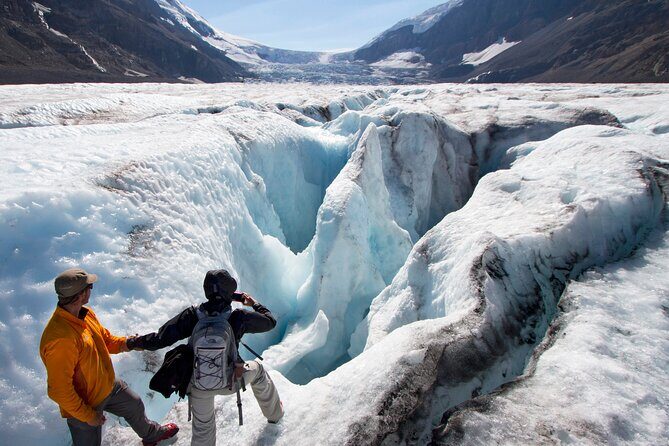
- Ice formation spotting is built into the route, including crevasses, mill wells, meltwater streams, and icefalls.
- Short shuttle to the trailhead, so you spend your energy where it matters.
- Guide names keep popping up in a good way, with Mike, Stu, Ana, Nick, Larry, Tom, and Rupert leading groups safely and engagingly.
Walking the Athabasca Glacier: A Close-Up Experience, Not a Drive-By
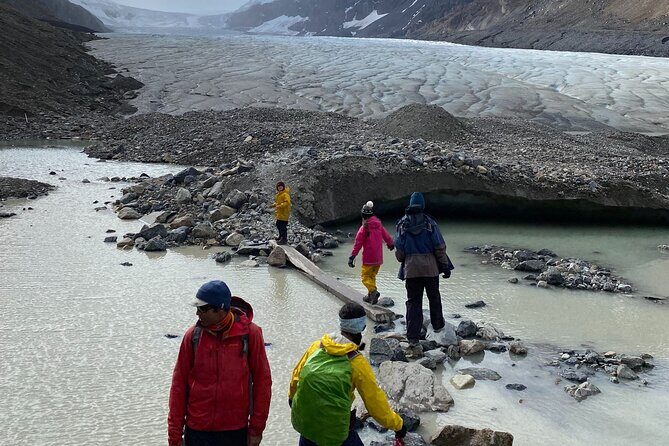
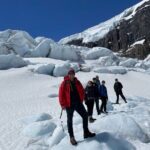
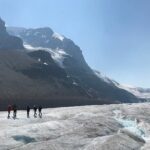
The appeal here is simple: you’re not just looking at the glacier. You’re walking on the glacier surface, where the ice features you see from a distance suddenly make sense in your own two feet. The guide walks you through what’s happening on the ice, which helps the whole place feel real instead of like scenery.
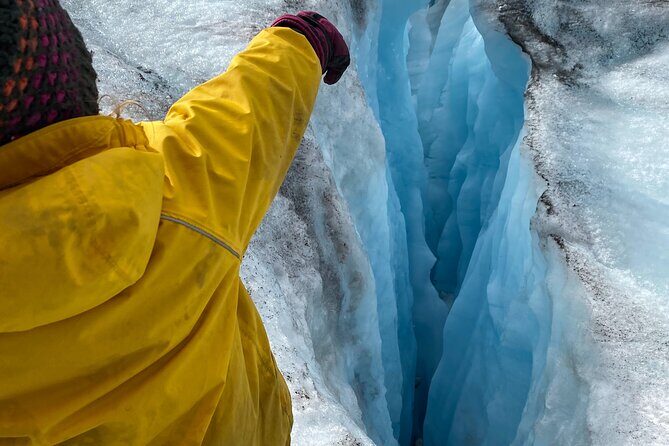
You’ll get close enough to spot dramatic textures and structures, especially crevasses, which are cracks in the ice that can look calm from afar and feel intense up close. You’ll also hear about mill wells—described as waterfalls into the depths of the ice—plus meltwater streams that carve and connect icy channels. And as conditions allow, you’ll learn about icefalls, where the glacier’s surface steps and breaks in a way that tells you it’s always moving and reshaping.
This is also a tour that doesn’t require technical climbing skills. You’re walking, not scaling. That matters because it opens the door for active seniors and kids who can handle a steady hike with stops.
You can also read our reviews of more guided tours in Jasper
Meet at the Columbia Icefield Discovery Centre and Start Smart
Your trip kicks off at the Columbia Icefield Discovery Centre parking lot, where IceWalks guides meet you and get you geared up. Expect a straightforward start: sizing and fitting for traction, quick safety talk, and then a short shuttle to the trailhead.
That short transfer is more than convenience. It helps keep the hike portion focused on the glacier itself, which is what you’re paying for. You’ll then walk onto the Athabasca Glacier for an interpretive tour, with time built in to pause, look, and listen.
Because this uses a mobile ticket, the setup is low fuss. Have your confirmation ready on your phone, then arrive with enough time to get fitted and hear the safety instructions before you step onto the ice.
Micro-Spikes and Layers: The Gear That Actually Changes Comfort
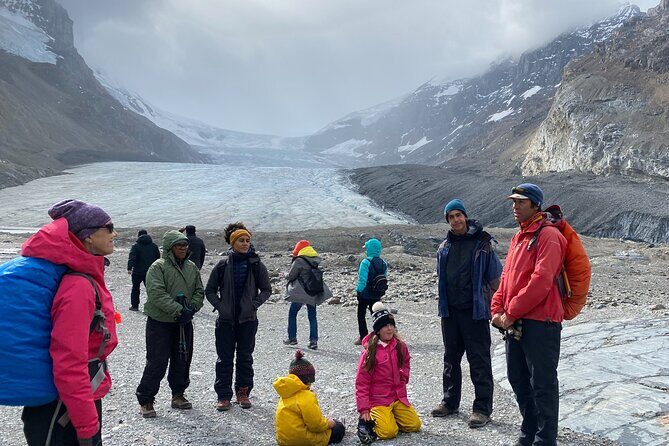
IceWalks provides micro-spikes, which are crampon-style traction for walking on slick ice. This is one of the best parts of the “value” equation here: traction is the difference between confidence and stress on glacier ice, and you shouldn’t have to guess at your own gear quality.
They also say you can get additional items if you don’t already have them, including rain gear, hiking boots, gloves, and a hat. That’s helpful because weather at the Columbia Icefield can shift quickly, and wet cold is where comfort goes to die.
What’s not provided is your warm insulation layer—plan to bring it. Even on a decent day, glacier air and wind can feel sharper once you’re out on the ice. Layers are the move: something warm you can keep on, plus a rain layer if you run hot or cold easily.
One extra tip from what people experience on the ground: you might be handed walking sticks by the guide. They can make a real difference on uneven footing, especially if the approach hike feels longer than expected.
The 5 km Glacier Walk: Crevasses, Mill Wells, Meltwater, and Icefalls
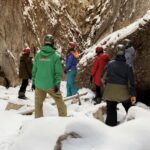
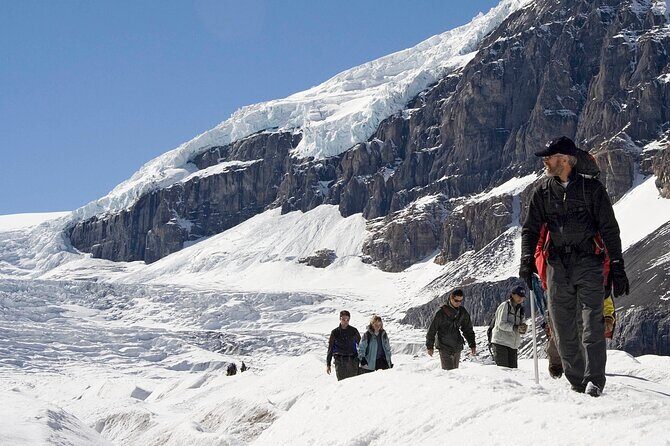
The core of this experience is the on-glacier walking tour: about 5 km roundtrip over roughly three hours. The distance isn’t insane, but it’s on ice, and that’s the key. Expect a steady pace with frequent stops so you can see details and understand what you’re looking at.
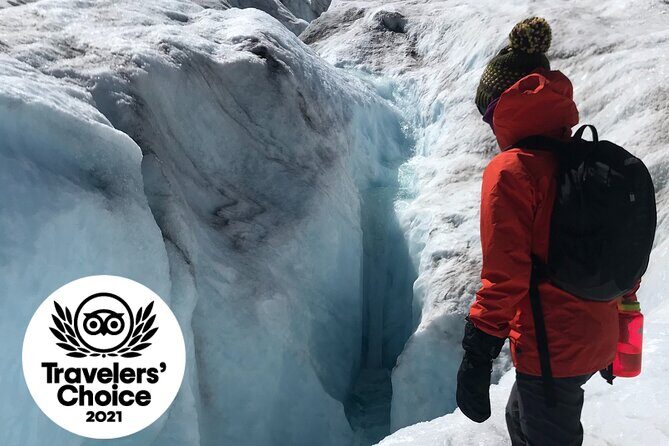
Crevasses are one of the main ice formations you’ll focus on. The guide helps you recognize how these cracks form and why glacier travel demands careful footing. Seeing them up close is usually where the wow factor lands, because the ice isn’t just smooth and white—it’s broken, layered, and shaped by forces you can’t feel when you’re only watching from a distance.
Next come mill wells. The description is vivid: meltwater drops into the ice and cascades down into the depths. When you hear that explained while standing near features like this, it stops being a lecture topic and turns into a visual story about how meltwater reshapes glacier surfaces.
Meltwater streams are another big part of the walk. You might see water running through channels on the ice surface, acting like nature’s own plumbing system. The guide uses these observations to explain how water and ice interact and why glacier surfaces can look different in different conditions.
And then there are icefalls. You’ll learn what makes them distinctive on the glacier, where ice changes pitch and breaks in ways that hint at the glacier’s movement over uneven ground. Even if you don’t memorize every term, you’ll leave with an instinct for how the ice “behaves.”
The big practical point: the guide controls your route. That’s not just for dramatic science talk—it’s about keeping the group safe while you experience the ice up close.
How Strenuous Is It Really on Your Body and Legs
This is labeled as a moderate tour, and it’s designed to work for both young children and active seniors. That said, “moderate” can mean different things when you add glacier ice, uneven ground, and traction gear.
Many people report that the hike is a bit more strenuous than they anticipated, especially the walk out to the glacier and the pace needed to stay together safely. So if you’re unsure, plan to be conservative with your expectations. Wear supportive footwear, and don’t be shy about using provided walking sticks.
A smart way to think about it is effort versus duration. You’re out about three hours total, and the guide makes multiple stops for education and ice feature viewing. Those pauses help, but you’ll still be walking most of the time. If you can handle a brisk hike with short breaks, you’re likely fine.
Also note the comparison people make: the route is often said to be easier than the Lake Agnes hike. That gives you a rough yardstick if you’ve done Lake Agnes before.
You can also read our reviews of more hiking tours in Jasper
ACMG-Certified Guides and Small-Group Safety That Feels Personal
The guide team is a major part of the experience. IceWalks states that guides are ACMG certified, and the on-ice focus shows it: safety comes first, then education, then fun.
The small group cap of 12 changes the vibe. You’re not watching from behind a crowd. Guides can adjust for pace, answer questions without rushing, and keep an eye on footing for each person. That’s especially valuable on a glacier, where conditions can vary and attention matters.
It also explains why guide personalities come through in a memorable way. You’ll hear the names Mike and Stu praised for being helpful and engaging, Ana for keeping pace and answering questions, and guides like Troy, Nick, Larry, Tom, and Rupert for mixing instruction with humor while maintaining a steady safety rhythm. The common thread isn’t just enthusiasm—it’s that the group is guided, not managed.
If you’re hoping for a glacier walk where you understand what you’re seeing and you feel secure doing it, this small-group format is a big reason to choose it.
Weather and Conditions: Bring Rain Gear Mindset
Weather at Jasper and the Columbia Icefield area can be erratic. The good news is that rain doesn’t automatically ruin the experience. People describe erratic skies and still having an awesome walk, which suggests guides keep going when conditions allow.
The practical side is this: the tour requires good weather. If conditions are unsafe or unsuitable, you’ll be offered a different date or a full refund. So your best strategy is to schedule this when you have at least a little flexibility in your Jasper plan.
On the packing side: assume you’ll get wet at some point. Even if it’s bright at the start, bring a rain layer and warm insulation. If you don’t have gear, IceWalks can provide rain gear and other basics, but you’ll still want layers that fit your comfort style.
Price and Value: How $98.89 Makes Sense for 3 Hours on Ice
At $98.89 per person, this isn’t a low-cost activity. But it’s also not a simple bus stop with photos. You’re buying three big things:
- An ACMG-certified guide leading a route on glacier ice
- Provided traction equipment (micro-spikes) that affects safety immediately
- Time on the glacier itself, with interpretive stops focused on real ice features
When I look at value, I ask what you’d have to do yourself for the same outcome. You’d need guide-level safety expertise, proper traction, and the know-how to spot ice formations without wandering into danger. For roughly three hours, the price feels reasonable—especially with the small-group limit and the fact that you actually walk onto the glacier surface.
Also, the tour is designed to be efficient. You spend your time walking and learning, not waiting around. That’s a real value factor if your Jasper days are packed.
Who Should Book (and Who Should Skip) This Glacier Walk
This tour fits best if you want a guided, educational glacier walk and you can handle a moderate hike. It’s especially well suited for active families where kids can stay steady on their feet and follow instructions. Some families have brought children around late elementary age and made the most of the experience with traction gear and guided pacing.
It’s also a strong pick for active seniors who want something that feels adventurous but not technical. You’ll have micro-spikes and you’ll be guided step-by-step through the walking.
But you should skip it if you have medical issues specifically involving heart, lungs, or mobility. The tour is also geared toward people with a moderate physical fitness level, so if you’re managing limitations day-to-day, you’ll want to think carefully and talk it through with your doctor.
One more note: service animals are allowed, which can matter a lot for accessibility planning.
Should You Book IceWalks on the Athabasca Glacier?
If you want a once-in-a-lifetime glacier experience and you care about safety and understanding what you’re seeing, I’d book it. The biggest reasons are practical: you get close-up time on the ice, you’re supported with traction gear, and you’re guided by ACMG-certified leaders in a group capped at 12.
Book it if you’re comfortable with a moderate hike and you can dress in layers for quick-changing weather. Bring warm layers even if you’re optimistic. Wear footwear you trust. If you’re worried about difficulty, plan for walking sticks and slower pacing.
Skip it if your health limits include heart, lungs, or mobility issues, or if you know you can’t handle a steady trek on uneven glacier terrain.
In short: this is the kind of tour where you end the day with photos, yes—but more importantly, you end with real context for the glacier under your boots.
FAQ
How long is the guided glacier hike?
The tour lasts about 3 hours.
How far do you walk?
It’s a 5 km roundtrip walking tour on and onto the Athabasca Glacier.
What gear is provided, and what should I bring?
Micro-spikes are provided. If you don’t have your own, you can be provided rain gear, hiking boots, gloves, and a hat. You should bring your own warm layers (insulating layer).
Do I need any technical climbing experience?
No technical climbing experience is required.
Is the tour suitable for everyone, and are service animals allowed?
The tour is not suitable for people with medical issues specifically involving heart, lungs, and mobility. Service animals are allowed.
What happens if the weather is bad or I need to cancel?
This experience requires good weather. If it’s canceled due to poor weather, you’ll be offered a different date or a full refund. You can cancel for a full refund up to 24 hours before the experience starts. Within 24 hours, the amount you paid is not refunded.