REVIEW · JASPER
Full Day Guided Glacier Hike on The Athabasca with IceWalks
Book on Viator →Operated by IceWalks · Bookable on Viator
Athabasca on foot feels unreal. IceWalks runs a full-day glacier hike with ACMG-certified guides and a route that actually reaches the icefalls at the head of the Athabasca Glacier. I love that you’re not just seeing ice from a distance.
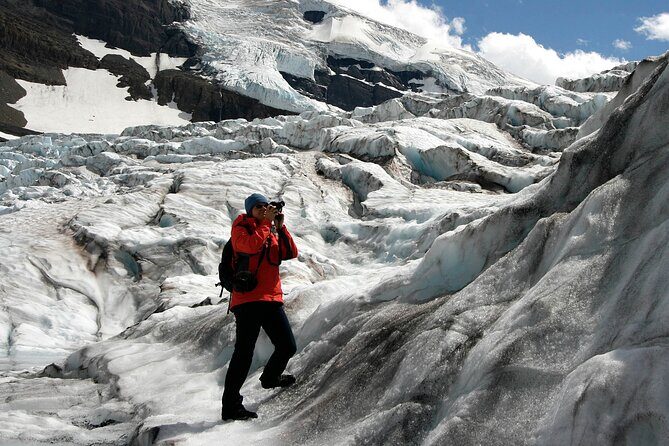
You also get hands-on glacier education as you walk past features like crevasses, meltwater streams, and mill wells. And yes, lunch is taken against that shattered-ice backdrop, which is exactly the kind of setting that turns a normal rest break into a highlight.
One thing to plan for: it’s about a 10 km roundtrip walk, so the early stretch to the icefalls takes time. Also, you’ll want to pack warm layers, and there aren’t bathrooms up at the top area.
In This Review
- Key points to know before you go
- Why the Athabasca Glacier hike is worth a full day
- Price and what you’re actually paying for ($154.23)
- Start at the Columbia Icefield: gear-up, then head for the ice
- The 10 km glacier walk to the icefalls: what you’ll see
- What makes the route special
- A smart way to pace yourself
- Lunch on shattered ice: what to bring and how to use the break
- Guides turn ice into understanding
- Weather, clothing, and how hard the day really feels
- Full day vs shorter glacier tours: what you gain
- Who this tour is best for (and who should think twice)
- Should you book IceWalks’ full-day Athabasca Glacier hike?
- FAQ
- How long is the IceWalks full-day Athabasca Glacier hike?
- Where do we meet, and where does the tour end?
- What distance is the hike on the glacier?
- What gear is provided, and what should I bring?
- How many people are in the group?
- What happens if the weather isn’t good?
Key points to know before you go
- Small group size (max 12) keeps the pace manageable and helps everyone stay together on uneven ice.
- Micro-spikes for traction are provided, so you can hike more confidently even if conditions are slick.
- You go to the icefalls at the head of the Athabasca Glacier, not just a short taste.
- Your guide explains what you’re seeing, from crevasses to meltwater features and local conservation work.
- Bring your own lunch and insulating layers; the tour doesn’t include warm clothing.
- Plan for no toilets at the icefalls area, based on how the hike is run.
Why the Athabasca Glacier hike is worth a full day
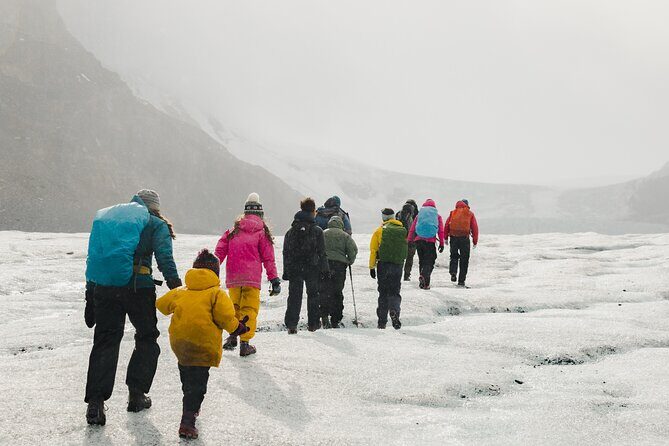
The Athabasca Glacier is one of the Canadian Rockies’ most famous ice routes. The real magic is how fast you start to understand scale once you’re on it. Up close, the ice isn’t one smooth surface. It’s broken, layered, and constantly reworked by meltwater and ice flow.
IceWalks’ full-day version matters because the hike is longer and focused. With the 6-hour format, you have enough time to reach the standout parts of the glacier scenery—especially those icefalls at the head—without rushing. If you’re the type who wants more than a quick photo stop, this schedule fits your style.
The other big reason I’d recommend it: the tour is built around glacier interpretation. IceWalks guides share natural history and conservation context as you walk. People repeatedly call out guide quality—names that show up in the guide roster feedback include Nick, Troy, Jason, Mike, Adam, and Mel—so even if your route timing shifts slightly day to day, you should still leave with a clearer sense of what you just saw and why it’s changing.
You can also read our reviews of more guided tours in Jasper
Price and what you’re actually paying for ($154.23)
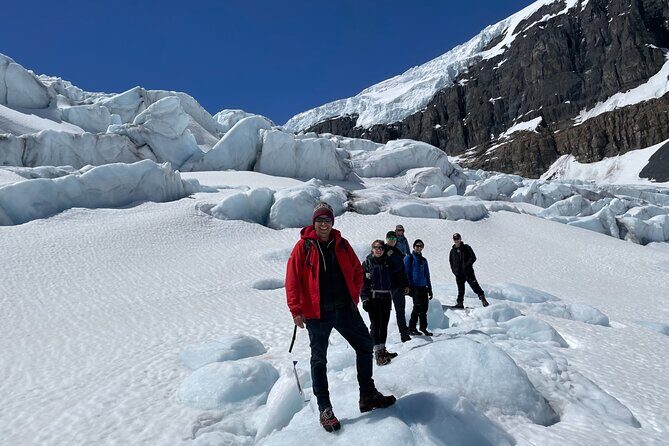
At $154.23 per person, this isn’t a bargain-basement activity. But you’re paying for safety gear, an expert guide, and a full structured walk on glacier terrain.
Here’s what that price covers in practical terms:
- Guided hike with ACMG-certified guides
- Micro-spikes (traction for the ice)
- A shuttle from the Columbia Icefield Discovery Centre area to the trailhead
- Time on the glacier with stops for learning and photo moments
- A long enough route (10 km roundtrip) to reach the icefalls area
- A small-group experience (max 12), which is a big deal when footing matters
What it doesn’t cover is equally important. Warm layers are not included, and you should bring lunch. So the best “value” comes when you come prepared and make the day count with proper cold-weather layers.
Start at the Columbia Icefield: gear-up, then head for the ice
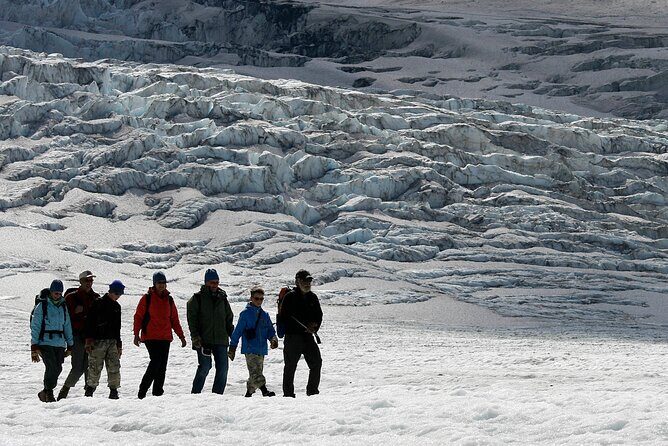
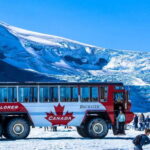
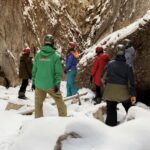
Most days begin at the Columbia Icefield Discovery Centre parking lot, where IceWalks’ ACMG-certified guides meet you. From there, you’ll get fitted for traction gear and then be shuttled a short distance to the trailhead.
That gear-up moment is not just formal. It’s where the day becomes real. Micro-spikes give you better grip and reduce that constant mental load of worrying about every step. If you don’t have your own equipment, the tour info indicates they can provide rain gear, hiking boots, gloves, and a hat—useful if you’re already packing light for the rest of your Jasper trip.
One practical note I’d follow: show up ready for a weather swing. A rainy or windy start doesn’t mean the day is lost, but it does mean you’ll feel the cold more quickly. When guides hand out extra layers or gear (some groups report additional clothing support during rough weather), you’ll be glad you came with a sensible base layer and warm backup.
The 10 km glacier walk to the icefalls: what you’ll see
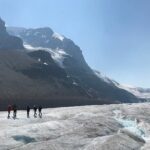
The heart of the tour is a 10 km roundtrip walk to the icefalls at the head of the Athabasca Glacier. The trek is described as not extremely strenuous for most people, but it’s still a glacier hike on uneven ground. It’s the kind of day where your legs do the work, and your eyes get the reward.
What makes the route special
As you head toward the icefalls, you’ll see glacier features that are hard to grasp from pictures:
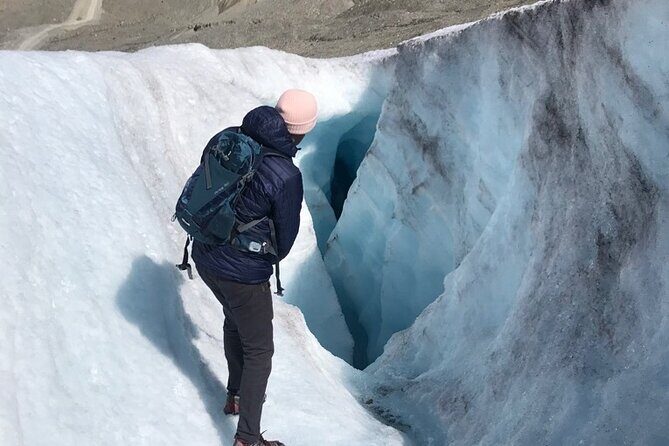
- Crevasses: cracks that show the ice is moving and stressed
- Mill wells: water routes that drop into the glacier interior like tiny shafts
- Meltwater streams: evidence that warmth and melt are actively reshaping the surface
- Icefalls: broken, cascading ice near the glacier’s head where the action is easiest to notice
Several people point out the best moments come later in the day. One caution I’d take from this: the early walking portion may feel more like getting to the good stuff. The payoff is that once you reach the icefalls, your photos finally have context—ice thickness, flow behavior, and the way water channels through it.
You can also read our reviews of more hiking tours in Jasper
A smart way to pace yourself
Because the tour is structured around a specific destination, the best strategy is simple: keep your effort steady instead of sprinting ahead. That’s especially true if the surface is damp or icy. Glacier footing rewards patience. You’ll enjoy the views more if you’re not already cooked by the time the icefalls show up.
Lunch on shattered ice: what to bring and how to use the break
Lunch happens up near the destination area. The key detail: you bring your own lunch. You’ll eat in the glacier setting with icefalls and fractured ice around you, which turns a routine meal into a full-body “wow, this is real” pause.
What to bring beyond normal lunch items:
- Something you can eat without getting everything covered in meltwater mist
- A small layer for when you stop moving (warmth drops fast on glacier terrain)
- A trash plan (pack out everything you bring)
Also plan around the facilities reality. There are no bathrooms at the top area, based on tour feedback. So do what you’d do on a long hike in the backcountry: use the terrain before you go up, and keep the area clean.
Guides turn ice into understanding
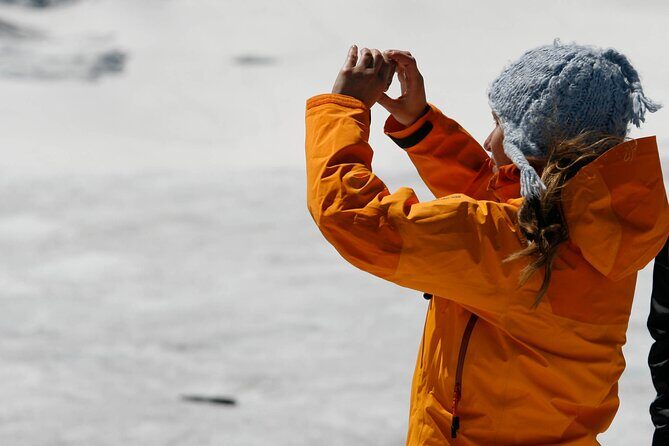
People consistently praise the guides for turning glacier scenery into clear, usable information. That’s what makes the tour more than a novelty walk.
You’ll hear natural history about how the Athabasca Glacier works and how local conservation efforts fit into the bigger picture. Guides also point out practical safety and observation tips as you go. In multiple accounts, guide personalities stand out as part of the value—people describe guides as friendly, responsible, and focused on keeping everyone on safe, correct footing.
If you’re wondering whether this tour is “just walking,” it’s not. The route is built around observation. As you move over glacier surfaces, your guide is doing the translation work: what you’re seeing, why it matters, and what you should watch for next—crevasses, water routes, melt patterns, and the ice formations near the head.
And that safety element is more than a checklist. On glacier hikes, confidence matters. When you feel looked after—staying in the right area, using the right gear, and understanding where not to step—the experience gets calmer. Several visitors specifically mention feeling safe at all times.
Weather, clothing, and how hard the day really feels
Ice isn’t consistent. A day that starts cold and windy can still become spectacular. A hot day can show more melt activity. The tour info says the experience requires good weather, and if it’s canceled due to poor conditions, you’ll be offered another date or a full refund.
So your best preparation is clothing that handles fast changes:
- Warm layers are not included, so pack an insulating layer
- Bring rain gear if you have it, even though the tour may provide it if you don’t
- Plan for gloves and hat needs (again, gloves/hat may be provided if you don’t bring them)
In terms of effort, expect a moderate physical challenge. It’s not described as extreme, but it’s still a 10 km walk with an uphill push. Some participants mention the uphill portion can feel like a few kilometers of real work. If you’re comfortable walking a long distance on rough footing, you’ll likely do fine.
One more practical tip: keep your layers easy to manage. If you overheat on the climb, you’ll lose comfort fast. If you stop and cool down at the icefalls, you’ll want the warmth back quickly.
Full day vs shorter glacier tours: what you gain
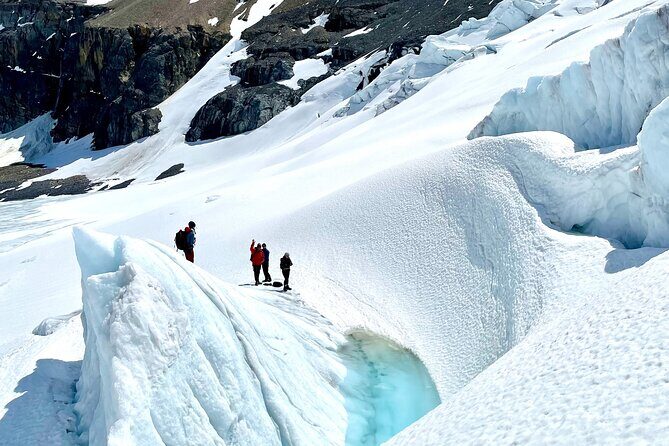
You’ll often see glacier hikes offered in shorter formats. In the feedback provided for this specific experience, people who tried the longer option repeatedly say it’s the better choice because it gives time to reach the most interesting parts.
Here’s the logic that matches what you’ll feel on the ground:
- On a shorter tour, you may spend less time walking and less time reaching the icefalls area.
- On the full day, the route includes enough time for multiple glacier features, not just a quick stop.
If your goal is to understand the glacier—crevasses, water flow, and ice formations—and not just check off walk-on-ice photos, the full day is the right investment. Several comments directly recommend doing the longer version rather than settling for the shorter time.
Who this tour is best for (and who should think twice)
This is a great fit if you:
- Want a glacier hike in the Canadian Rockies that focuses on ice features, not just sightseeing
- Prefer small-group guiding (max 12)
- Are comfortable with a 10 km roundtrip trek at a moderate fitness level
- Like guided interpretation, including conservation context
It may not be ideal if:
- You’re looking for an easy, flat walk with minimal effort (this is glacier terrain and includes a noticeable uphill component)
- You strongly need bathroom access at the top area (there aren’t toilets at the icefalls spot)
- You’re sensitive to cold and can’t manage layers (warm layers are on you)
Should you book IceWalks’ full-day Athabasca Glacier hike?
I’d book it if you want the full Athabasca Glacier experience: micro-spikes, an ACMG-certified guide, and enough time to reach the icefalls where the glacier story becomes obvious. The small group size helps you move safely, and the guide instruction is clearly part of the value.
I’d hesitate only if you’re unsure about long walking time or you don’t have (or won’t bring) warm layers. The glacier doesn’t care about your schedule. Dress for cold, plan for the lack of facilities up top, and take the pace seriously. Do that, and this becomes one of the most memorable days you can build into a Jasper or Icefields Parkway trip.
FAQ
How long is the IceWalks full-day Athabasca Glacier hike?
It runs for about 6 hours.
Where do we meet, and where does the tour end?
You meet IceWalks’ guides at the Columbia Icefield Discovery Centre parking lot. The tour ends back at the meeting point.
What distance is the hike on the glacier?
It’s a 10 km roundtrip walking tour.
What gear is provided, and what should I bring?
You’re provided micro-spikes for traction. If you don’t have your own, the tour can provide rain gear, hiking boots, gloves, and a hat. Warm layers are not included, so you should bring an insulating layer.
How many people are in the group?
The group size is capped at a maximum of 12 travelers.
What happens if the weather isn’t good?
The experience requires good weather. If it’s canceled due to poor weather, you’ll be offered another date or a full refund.