REVIEW · BANFF
Banff: Winter Wilderness Walk with Wildlife Tracking – 2hrs
Book on GetYourGuide →Operated by Banff & Canmore Tours · Bookable on GetYourGuide
Snow tells stories on this winter walk. Starting at Cave and Basin and led by a local guide, this 2-hour winter wildlife tracking walk helps you read the Rocky Mountains like a field notebook. If you get Jacob, his friendly, local style adds real personality, plus he points out the little clues you’d miss on your own.
I especially like two things: learning to identify animal tracks (deer, coyotes, even snowshoe hare sign) and getting camera tips so the snowy scenery turns into photos you actually want to keep. One catch: it’s a cold, snowy walk on winter footing, so you’ll want to dress properly and be honest about your comfort level.
In This Review
- Key things to know before you go
- Why Cave and Basin is a smart winter starting point
- The two-hour rhythm: what the walk actually teaches
- Reading deer, coyote, and snowshoe hare tracks in the snow
- Wildlife sightings: why the best moments can be brief
- Local stories and folklore that connect past and present
- Photo tips for snowy Banff that don’t feel like homework
- Gear, footing, and the real comfort checklist
- Price and value: is $65 for a guided winter tracking walk fair?
- Who should book this winter wilderness walk (and who should skip)
- Quick practical tips before you go
- Should you book this tour?
Key things to know before you go
- Track-reading in fresh snow: you learn what deer, coyote, and snowshoe hare signs look like
- Guides who connect wildlife to people: you’ll hear local stories and folklore tied to the land
- Photography help in real time: the guide gives tips for shooting frost, snow, and mountain views
- Winter tools included: ice cleats are provided when needed, and poles are available on request
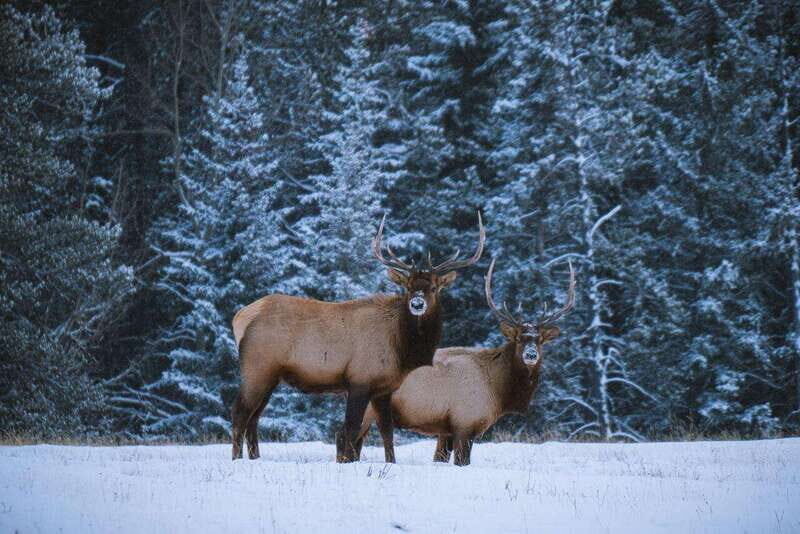
- Sighting moments are a bonus: you may spot animals like mule deer and an eagle, but tracks are the main event
Why Cave and Basin is a smart winter starting point
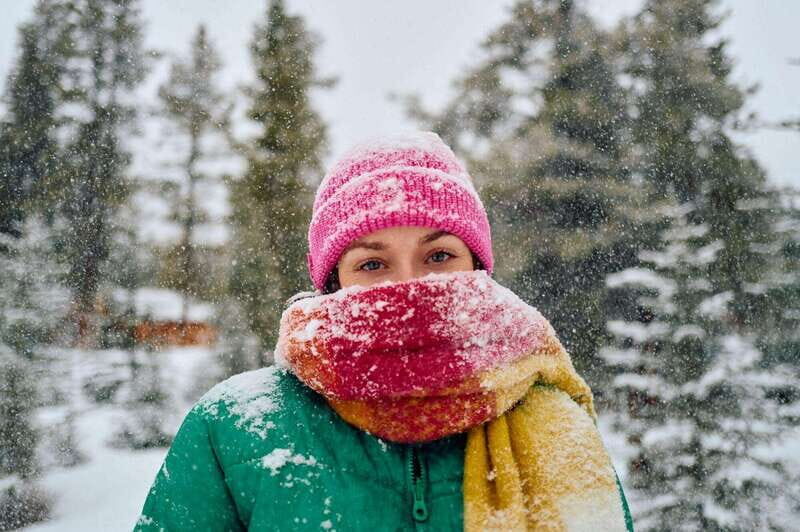
Cave and Basin is the kind of Banff spot that makes winter trips easier. You meet outside the Gift Shop in the parking lot, and there’s free parking right there. If you’re staying in downtown Banff, it’s also a short 5–7 minute taxi ride, and the meeting area has access to public transit.
What I like about this start is how practical it feels. You’re not hunting around in the dark figuring out where to gear up. You show up, your guide checks in, you get moving, and you’re learning immediately. And because the tour ends back at Cave and Basin, you’re not stuck planning a second plan for the ride home.
You can also read our reviews of more walking tours in Banff
The two-hour rhythm: what the walk actually teaches
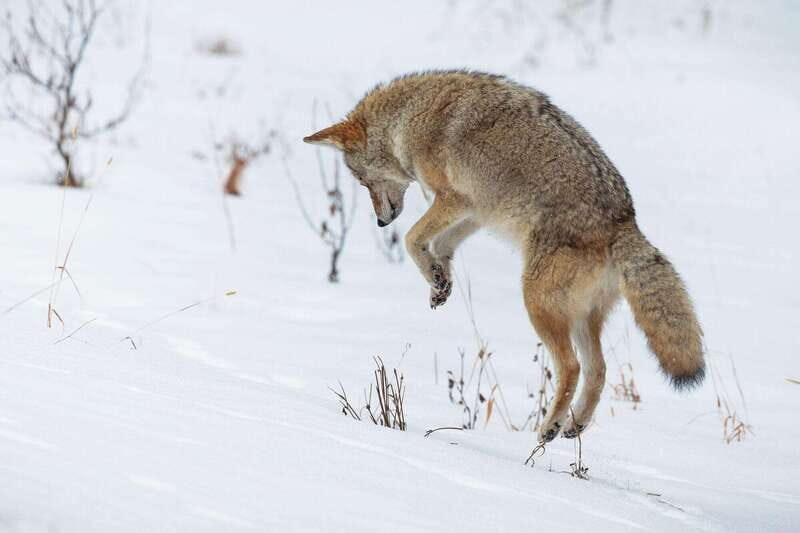
This tour is built around one simple idea: winter wildlife is easier to understand when you learn to read signs. The snowy ground becomes your guide. Instead of just searching for animals, you’re learning to interpret what’s already there—tracks, scuffs, paths, and the little patterns animals leave behind.
Over the full 2 hours, you’ll get a steady mix of:
- short bursts of walking through snowy trails
- repeated track education so it sticks
- scanning time for movement, birds, and the occasional deer-on-the-move moment
- guidance for photography when the views open up
If you’ve ever stared at snow thinking it all looks the same, this format helps. You stop guessing. You start noticing.
Reading deer, coyote, and snowshoe hare tracks in the snow
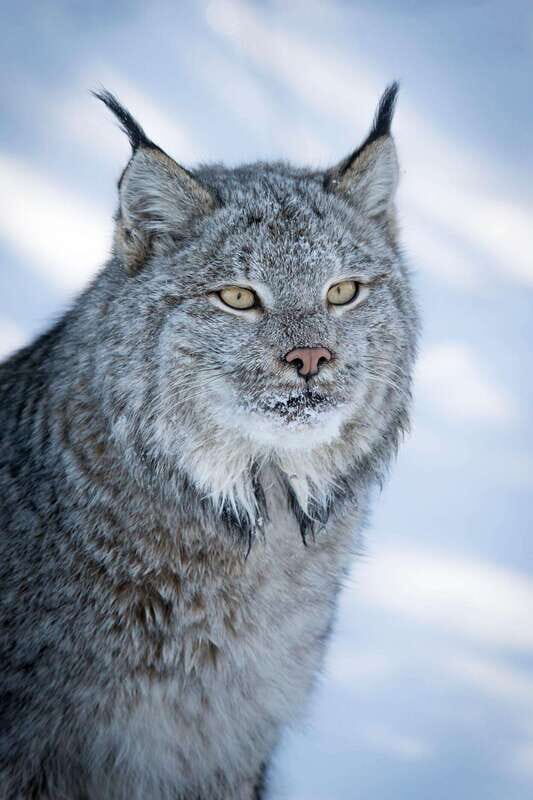
The core skill you pick up is how to identify winter animal evidence. Your guide shows you what different animals tend to leave in snow and how to think about what you’re seeing.
You’ll focus on signs such as:
- deer tracks and how they move through snow
- coyote sign—tracks and the kinds of routes coyotes follow
- snowshoe hare clues (and why this species fits so well into winter)
Even when you don’t spot an animal directly, the experience feels real. Tracks turn silence into information. They also help you understand animal survival choices in winter—where animals travel, how they conserve energy, and what they can access when everything looks frozen over.
And here’s the practical payoff: once you learn a few basics on the trail, you’ll recognize sign later on your own drives or walks around Banff. That makes the experience more than a one-time outing.
Wildlife sightings: why the best moments can be brief
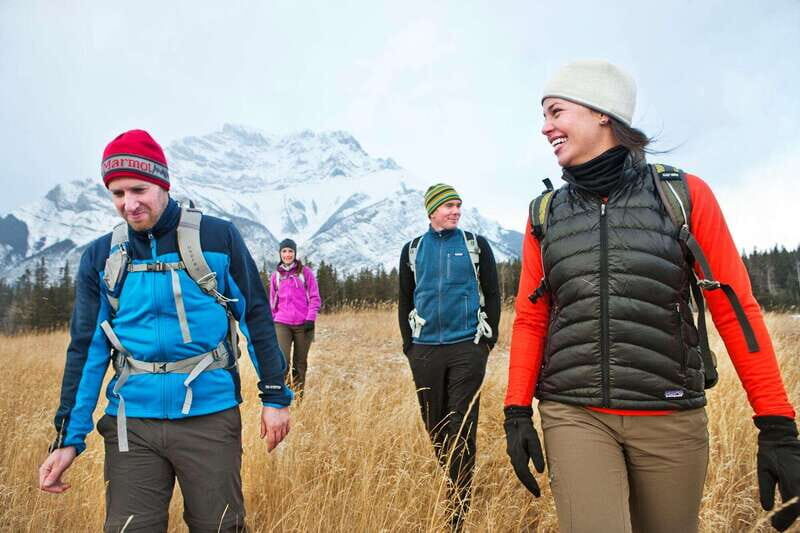
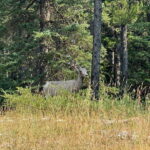
Yes, you might spot animals. But the tour is designed so you’re not disappointed if wildlife stays tucked away. One of the strongest bits of feedback from the experience includes seeing mule deer and even an eagle—the kind of surprise that makes you look up and hold still for a second.
What matters most, though, is how you interpret those moments. After track education, wildlife spotting becomes less random. You’re more likely to notice:
- where animals might travel
- what direction movement is coming from
- how birds react in winter conditions
- why the quiet moments are often when something is about to happen
So the sightings feel earned, not like a lottery ticket.
Local stories and folklore that connect past and present
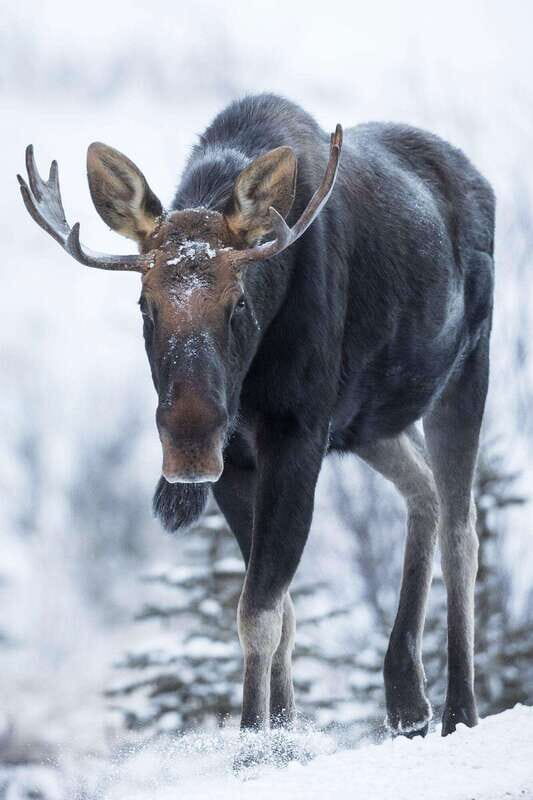
I love when a nature guide adds cultural context without turning it into a lecture. Here, your guide weaves in local stories and folklore linked to the region’s people and land—bridging how Indigenous peoples and early settlers interacted with local wildlife.
This part changes the mood of the walk. You still focus on tracks and snow, but you also understand that humans have been reading this land for a long time. It turns Banff from just scenery into a place with memory.
And since this is a winter walk, the stories also make practical sense. Winter survival was never theoretical—people had to understand seasons, animal behavior, and what the environment allowed.
A few more Banff tours and experiences worth a look
Photo tips for snowy Banff that don’t feel like homework
The scenery in winter can look stunning in person and even better when photographed. The tour adds camera help so you don’t waste the good moments fumbling with settings.
Your guide helps you with tips for capturing:
- glistening snow
- frost-laced trees
- mountain views that show up in quick bursts between trail bends
One guide-led outing is described as producing Christmas-card style photos while walking along Johnson Lake scenery. That’s exactly the point: you’re in the right location, at the right season, with guidance on how to frame what you see.
Practical note: bring your camera (and keep your hands warm). Winter light can look flattering even without fancy gear, but cold fingers still make you rush. Dress so you can slow down for a shot.
Gear, footing, and the real comfort checklist
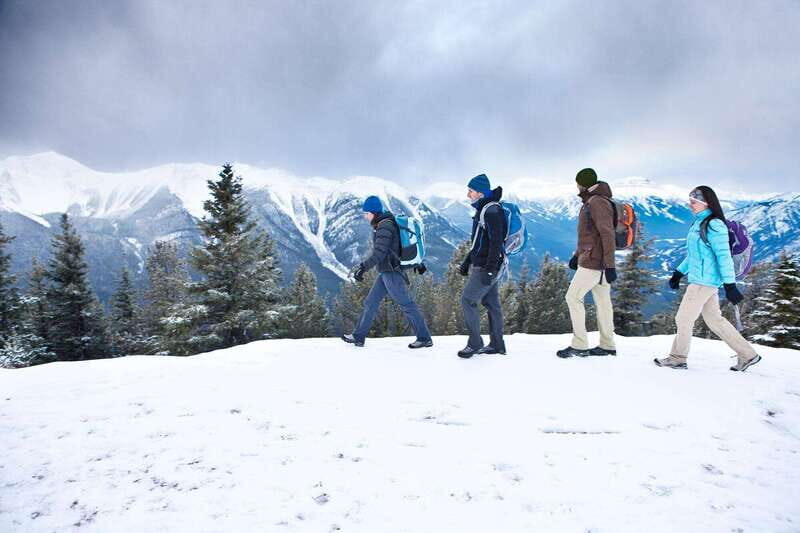
This is winter hiking. That means your comfort comes down to a few basics. The tour includes ice cleats when needed, and hiking poles are available on request, which is a huge help on slick snow and uneven trail edges.
What to bring:
- comfortable shoes with solid traction
- warm, layered clothing
- hat and gloves
- a camera
- water (yes, even in cold weather)
- weather-appropriate gear
Also, plan to arrive 10 minutes early so the tour can start on time. The meeting is outside the Gift Shop in the Cave and Basin parking lot, and the guide will be ready to greet you.
If you’re not used to winter walking, this is one of those times where being prepared is part of the fun. Cold is manageable when you plan for it. Cold plus poor footwear is where the experience gets stressful fast.
Price and value: is $65 for a guided winter tracking walk fair?
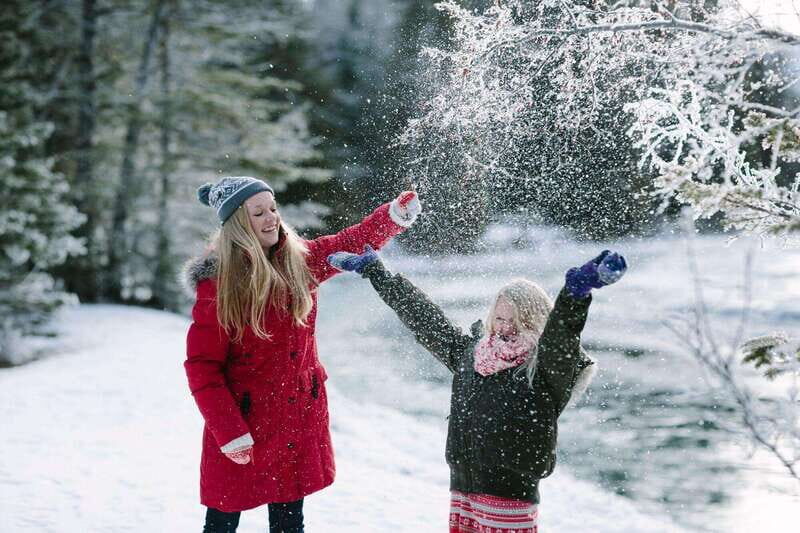
At $65 per person for a 2-hour guided experience, you’re paying for three main things:
1) expert guidance that turns snow into usable information
2) local storytelling that adds meaning beyond a photo stop
3) included winter support like ice cleats (when needed) and optional poles
This isn’t a long, transit-heavy half day. You’re focused on one activity with a clear outcome: you’ll learn how to identify animal tracks and understand winter adaptations. That kind of “skill upgrade” usually holds value longer than a one-time scenic stop.
Also, because this tour is centered on learning and observation rather than just driving to viewpoints, the price feels more justified. You’re not only paying for views—you’re paying for interpretation, safety support, and guided camera help.
Who should book this winter wilderness walk (and who should skip)
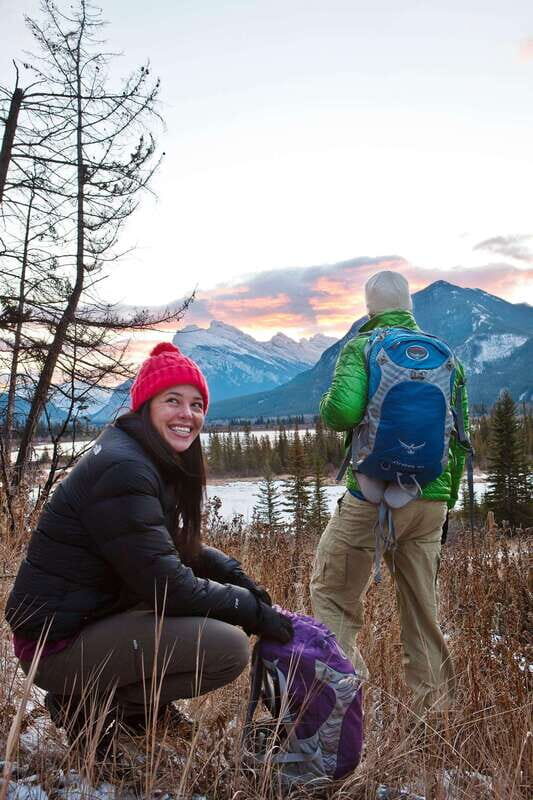
This is a good match if you:
- love nature and want winter wildlife education that’s hands-on
- enjoy learning practical outdoor skills like reading tracks
- want family-friendly energy for older kids (though there’s an age limit)
- care about photography and want real-time guidance
It’s not suitable for:
- children under 9
- pregnant women
- people with mobility impairments
- wheelchair users
- people without experience
- people with pre-existing medical conditions
- people with recent surgeries
That list matters. Winter trails can be slick, and this kind of tour expects safe participation. If you’re unsure where you fit, check with the provider before booking rather than guessing.
Quick practical tips before you go
A few small moves make a big difference:
- Wear layers you can adjust when you warm up.
- Bring a camera, but also bring patience. Winter wildlife sign can be slow to reveal.
- If you like photography, plan for a few stops where you’ll pause—strap your bag so you’re not wrestling it on ice.
- Keep your expectations balanced: the tracks are the main show, sightings are a bonus.
And if Jacob is the guide, you’re likely in for especially personable, local storytelling plus a calm teaching pace—one of the most praised parts of the experience.
Should you book this tour?
I’d book this if you want a winter Banff experience with real learning built in. The best version of this tour is when you leave knowing how to spot animal sign, understand what winter adaptations mean, and feel like you can “read” snow even after the walk is over.
Skip it if winter walking doesn’t sit well with you physically, if the trail and cold conditions would be stressful, or if you fall into the listed unsuitability categories. In those cases, you’ll likely have a better time choosing a more sheltered option.
If you’re the kind of traveler who enjoys small clues and quiet moments—this is your kind of Banff day.