REVIEW · BANFF
The Banff Stargazing Tour – 2hr Walking Tour
Book on Viator →Operated by Banff & Canmore Tours · Bookable on Viator
Banff at night feels like a secret. This 2-hour stargazing walking tour trades daytime crowds for a dark-sky view of the Milky Way and constellations. You meet at the Cave and Basin National Historic Site, get set up with gear, then head out after sunset.
I love the small-group attention. With a maximum of 20 people, your guide can actually help you find what matters in the sky, whether you’re learning first-time constellations or tweaking your phone’s camera settings. I also like the straightforward walking plan: about 3.5 miles (5 km) on mostly flat paths, so you spend your energy watching the sky instead of grinding uphill.
One thing to plan around: this tour is weather- and sky-condition dependent. If the night is too cloudy or the moon is bright, the stars can look less sharp—even though you’ll have options if the conditions aren’t right.
In This Review
- Key things to know before you go
- Banff’s dark skies: what changes after sunset
- Meeting at Cave and Basin: the easiest start in town
- Getting ready: ice cleats, headlamps, and why it matters
- The 5 km walk: easy effort, real night footing
- Sunset to night sky: how the guide builds the sky map
- Milky Way and the phone-camera reality check
- Northern Lights: a bonus you might be lucky for
- Weather rules: what happens when clouds roll in
- Price and value: is $68.34 worth it?
- Who this tour suits best (and who should skip it)
- Guide quality: the difference between seeing stars and understanding them
- Should you book the Banff Stargazing Tour?
- FAQ
- How long is the Banff Stargazing Tour?
- Where does the tour meet?
- How far do you walk?
- What should I wear or bring?
- What happens if the weather is cloudy or extreme?
- Is transportation included?
Key things to know before you go
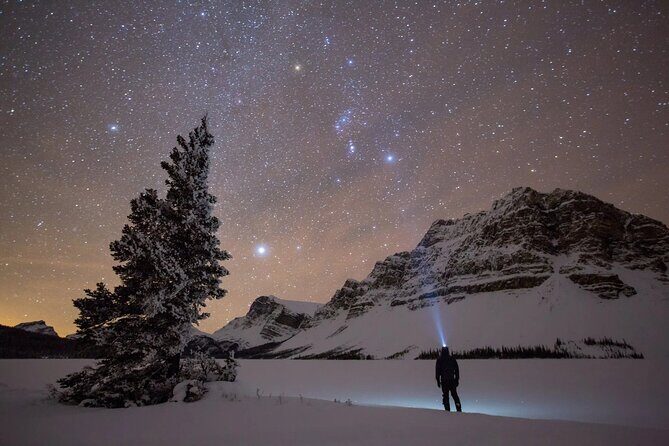
- Small group (max 20): more time with your guide and fewer people at each dark-sky stop.
- You’re walking about 3.5 miles (5 km): mostly flat, but you’ll be in outdoor darkness.
- Ice cleats and night gear setup: the guide helps you get ready for winter footing and conditions.
- Headlamps and stargazing guidance: you’ll learn constellations and how to aim your photos.
- Dark-sky Banff rules: departures are only when cloud cover is limited (50% or less).
- Easy-to-plan meeting point: Cave and Basin (309 Cave Ave) with free parking right there.
Banff’s dark skies: what changes after sunset
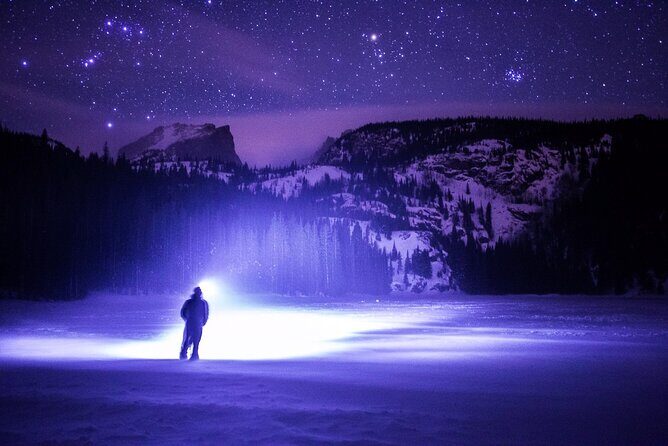
Daytime Banff is all about views and photo stops. Night Banff is different. You’re still in the park, but the attention shifts from peaks to the sky—stars, constellations, and the Milky Way when conditions cooperate.
This tour is built for that change in perspective. You don’t just stand in one spot. You walk a simple route with stops timed for visibility, so your eyes can adjust and you can actually connect the stories to the patterns overhead. That’s a huge part of why night sky tours feel worth it: you’re learning what you’re seeing while you’re seeing it.
The guide makes a real difference too. Guides such as Kael and Ewan are singled out for turning the night sky into something you can follow along with, with fun facts and clear tips that stick. That matters because the sky can feel random if nobody helps you orient it.
You can also read our reviews of more walking tours in Banff
Meeting at Cave and Basin: the easiest start in town
You’ll meet at 309 Cave Ave at the Cave and Basin National Historic Site in Banff National Park. There’s free parking at this meeting location, which is a big deal in Banff. If you’re driving, you won’t be hunting for a spot with cold hands and a deadline.
Plan to arrive about 10 minutes early. The guide will check in, then help the group get organized before you head out into darker conditions. This is also the moment when you’ll see how the tour handles practical winter gear, including ice cleats if needed.
One small but useful tip: if you want to be comfortable for the whole walk, get situated at the start. A couple of people note that bathroom access on-site can close earlier than you might expect, so don’t wait until you’re already outside in the dark.
Getting ready: ice cleats, headlamps, and why it matters
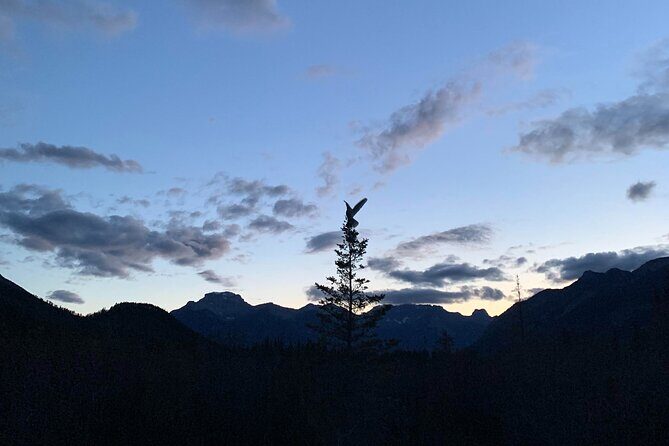
The tour isn’t just about astronomy. It’s about doing it safely while walking on outdoor trails that can be icy or uneven.
Your guide has you prepared with ice cleats and essential supplies. You’ll also have headlamps, which helps in two ways. First, you can actually walk without stumbling. Second, it keeps the group moving smoothly during the darker portions—so you’re not constantly searching for where everyone went.
This is also the part where your “what will I do with my hands?” questions get answered. In winter, you’ll often be juggling gloves, camera, and keeping your footing. Having a plan and gear setup reduces the mental load. Less fiddling. More staring up.
The 5 km walk: easy effort, real night footing
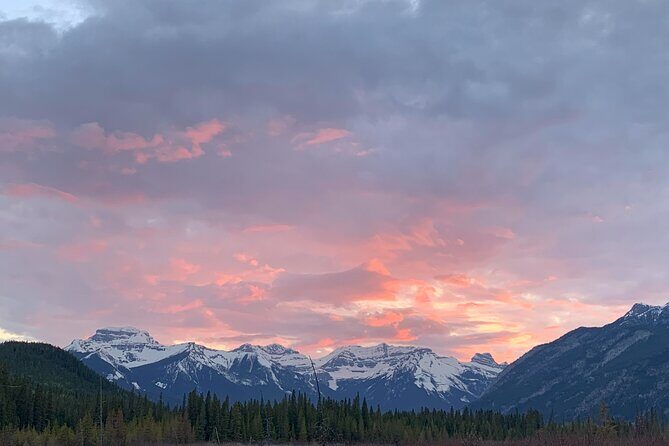
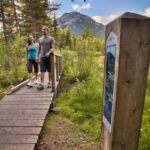
The walking distance is about 3.5 miles (5 km) total. The route is described as mostly flat. That’s the good news.
The practical catch: “easy” still means you’re on outdoor trails at night. Paths can be muddy or uneven depending on recent weather. Several notes point out that the trail is easy overall, but it can get slick or a bit messy in cold conditions.
Also, the tour uses trails that are shared with horse and human. That doesn’t mean anything scary is happening, but it does mean you’re moving on a real piece of working park infrastructure, not a private walkway.
What I’d do if I were packing for this: wear outdoor footwear with good grip. If you have poles or you like using them on uneven ground, they can help you stay steady. A couple of people specifically mention bringing trekking aids when balance isn’t your strong suit.
Sunset to night sky: how the guide builds the sky map
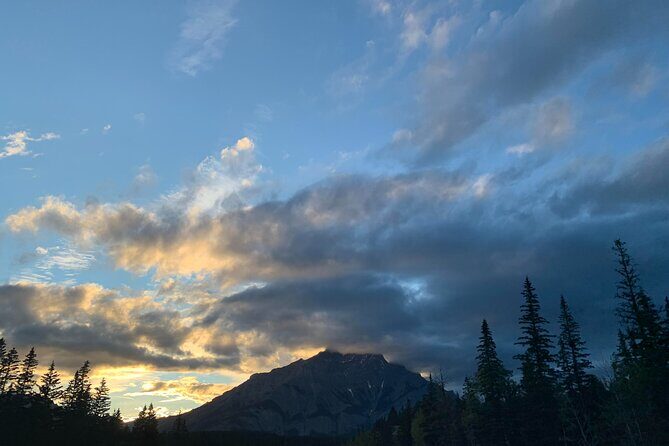
The tour timing changes by season. You’ll depart just after sunset. That’s not random—it’s when your eyes can start adjusting to darkness while the sky is still readable enough to orient.
Your guide helps you spot constellations and explains what you’re looking at. This is where the personality and teaching style really show. Multiple guides are praised for being funny and engaging while keeping the group on track. Names that come up include Jacob, Ben, Isla (spelled a couple ways), Ewan, and Kael.
You’ll also get time for photos. Many people mention that the guide allows space to capture images and points out good viewing spots during the walk. That’s important because night photography often takes more tries than daylight photos. If your guide rushes you, your shots suffer.
And yes, you might catch extra celestial moments. Some people report seeing shooting stars. That’s never guaranteed, but it’s part of why people love a guided night walk in a dark park.

Milky Way and the phone-camera reality check
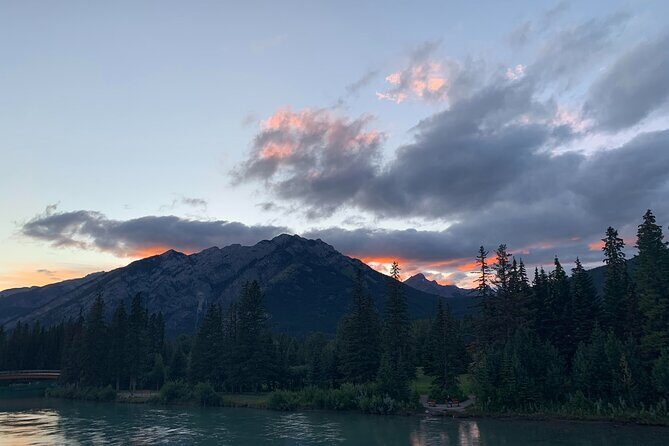
Banff’s dark-sky approach is one of the reasons people come here. On nights with good visibility, the view can be strong enough to see the Milky Way—and that’s a big deal for first-timers who only know the sky from apps.
This tour is also set up for real-world photography. Headlamps help you see your footing, but they also help you manage your camera workflow. Several people specifically mention that guides offer help with phone settings for better night photos.
Here’s the practical takeaway for you: bring a fully charged phone, and take a minute before the sky gets fully dark to test your camera’s night/long-exposure options if your phone has them. The guide can help you adjust, but your best results come from already knowing how your settings work.
Also, manage your expectations about the moon. One guide is noted for calling out that a bright moon can reduce star visibility, and another note points out that a full moon makes things harder to see. That doesn’t ruin the experience. It just shifts what you’ll notice most: brighter constellations and less faint star detail.
Northern Lights: a bonus you might be lucky for
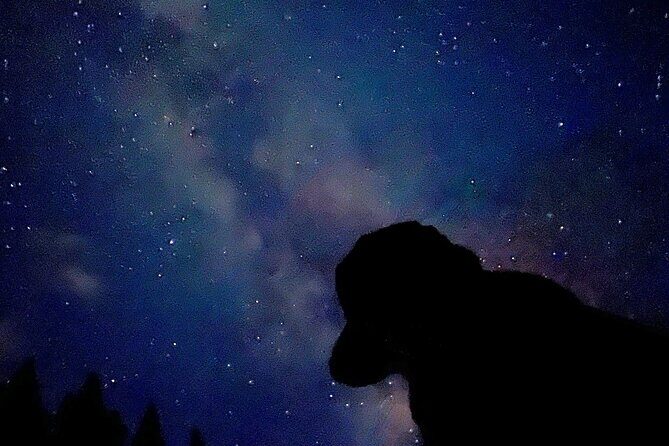
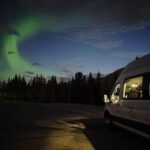
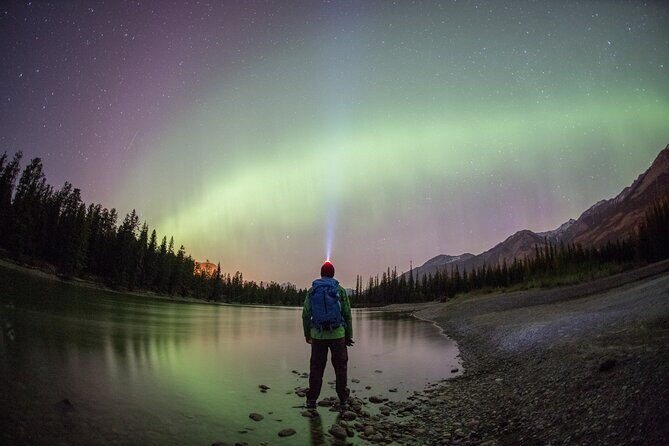
Sometimes Banff gives more than stars. A few people mention the Northern Lights during their night walk.
I won’t promise aurora on your date. The honest way to think about it is this: when sky conditions are good, the darker environment here increases your odds of seeing more of what’s happening overhead. If you’re visiting during aurora season and get a clear night, it’s worth keeping an eye out even if the tour is mainly focused on constellations and night photography.
Weather rules: what happens when clouds roll in
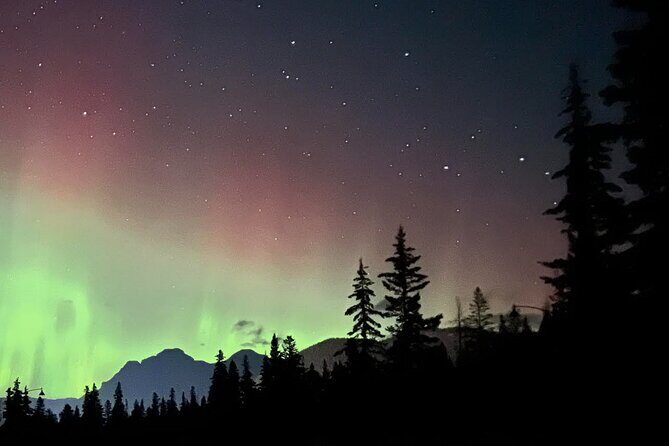
This tour runs with clear weather expectations. The departure condition is tied to cloud cover: it departs if partially cloudy is 50% cloud cover or less.
If you’re thinking, that seems strict. It is. But it’s also why you’re paying for a guided dark-sky experience instead of doing it on your own. The operator is trying to protect the quality of the sky view.
If extreme weather hits—cold, rain, or snow—refund options are offered up to departure time. In other words, you’re not being forced out into unsafe conditions for the sake of the schedule.
If clouds are a concern, check your timing and keep your plans flexible. When the sky isn’t cooperating, the best thing you can do is accept that astronomy is weather math. This tour is built around that reality.
Price and value: is $68.34 worth it?
At $68.34 per person for about 2 hours, it’s not a bargain like a free viewpoint. But it can be a strong value if you’re comparing it to the cost of time, gear headaches, and trial-and-error.
Here’s what you’re really buying:
- Guided orientation: instead of staring at a random sky, you’re learning constellations and patterns as you go.
- Practical night support: ice cleats setup and headlamp use keep the walk safe and easier.
- Photo help: multiple guides are praised for assisting with phone camera settings and capturing better shots.
- Night-only Banff experience: you get park time in darkness—when most day visitors leave.
If you already know the constellations and you’ve got great night-sky gear, you might DIY. But if you’re visiting for a short trip and want your night in Banff to count, this price usually makes sense.
Also, with a maximum group size of 20, you’re not stuck in a crowd where the guide can’t get to everyone. That’s part of the value.
Who this tour suits best (and who should skip it)
This is an easy walking pace, but it’s still a nighttime outdoor activity. The tour is not suitable for people with mobility issues, back problems, recent surgeries, or serious medical conditions. Pregnant women are also advised not to participate. It’s also not designed for children under age 8.
So if you’re comfortable walking a steady 5 km at night in winter conditions, you’ll likely be in the right place.
If you’re bringing kids, focus on maturity and patience. A stargazing walk can be quiet and cold, and it works best when everyone can handle a slower pace and dark waiting time.
If you’re sensitive to cold or you don’t like walking on uneven ground, plan extra for footwear and layering. This tour rewards people who show up dressed for the weather, not people who hope it will be mild.
Guide quality: the difference between seeing stars and understanding them
One of the most consistently praised parts is the guide. People highlight that the guides are engaging, funny, and good at answering questions while keeping the group moving.
Names that come up include Kael, Kael/Kael spelled a couple ways, Ewan, Ben, Jacob, and Isla (again, spelled in a couple variations). Different personalities, same goal: help you find the sky patterns and make your photos better.
That matters because stargazing isn’t just about darkness. It’s about direction, timing, and learning how to read the sky with confidence. A good guide helps you avoid the most common beginner frustration: knowing you’re looking up, but not knowing what you’re looking at.
Should you book the Banff Stargazing Tour?
Book it if you want a simple, guided way to enjoy Banff after sunset without guessing. I’d especially recommend it if:
- you want constellations and Milky Way viewing guidance
- you’re hoping for better night photos (including phone tips)
- you like the idea of a small group experience rather than a crowded event
- you can dress for cold and comfortably walk about 5 km at night
Skip it or think twice if:
- you’re not comfortable walking on outdoor trails at night
- you have mobility or medical limitations listed as not suitable
- you’re coming for a purely passive “sit and watch” outing
If your goal is to turn a dark Banff sky into something you can recognize, photograph, and enjoy, this tour is one of the more practical ways to do it.
FAQ
How long is the Banff Stargazing Tour?
It runs for about 2 hours (approx.).
Where does the tour meet?
You meet at 309 Cave Ave, Banff, AB T1L 1C3, at the Cave and Basin National Historic Site parking lot/welcome building.
How far do you walk?
Total walking distance is about 3.5 miles (5 km), mostly flat.
What should I wear or bring?
You need outdoor footwear suitable for hiking. The guide helps you get set up with ice cleats and you’ll have headlamps and essential supplies.
What happens if the weather is cloudy or extreme?
The tour departs if cloud cover is 50% or less. If extreme weather happens (cold/rain/snow), refunds are offered up to departure time.
Is transportation included?
No. Transportation to and from the meeting location is not provided. The meeting point is near public transportation, and free parking is available for rental cars.