REVIEW · BANFF
From Banff: Banff Wildlife & Scenic Highlights Premium Tour
Book on GetYourGuide →Operated by Radventures · Bookable on GetYourGuide
Wildlife sightings start before the first turn. This Banff Wildlife & Scenic Highlights Premium Tour mixes wildlife corridors with must-see stops like Lake Minnewanka and Bow Falls, then adds quieter “local secret” pull-offs depending on weather and what the guide has seen that day. I love how the route is adjusted to your day, so you’re not just following a fixed checklist.
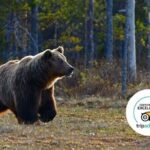
I also like the spacious, panoramic van setup, plus hot drinks on winter departures. The one thing to watch: wildlife is never guaranteed, and bears are less likely during November–April when they’re typically hibernating.
In This Review
- Key things you’ll notice on this tour
- A 3-hour Banff wildlife tour built around evening odds
- Pickup in Banff: where you meet and how the timing works
- Banff National Park drive: the “in-between” that’s where animals pop up
- Lake Minnewanka: a timed photo stop with real wildlife potential
- Two Jack Lake: quick views, quick scanning
- Surprise Corner and Bow Falls: viewpoints with momentum
- Hoodoos Viewpoint and Mt. Norquay: where evening light helps
- Wildlife odds: what 95% spotting really means
- The guide experience: stories, jokes, and practical spotting tips
- Price and value: is $91 a good deal for this 3-hour format?
- What to bring (and what to leave behind)
- Who this Banff wildlife tour suits best
- Should you book this Banff Wildlife & Scenic Highlights Premium Tour?
- FAQ
- How long is the Banff Wildlife & Scenic Highlights Premium Tour?
- What is the group size?
- Where does pickup happen, and where is the meeting point if I’m not at a hotel?
- Is a park pass included?
- What should I bring for the tour?
- Are pets or strollers allowed?
- Are bears likely to be seen in winter?
Key things you’ll notice on this tour
- Wildlife corridors drive the plan: Stops are chosen based on recent sightings and current conditions.
- Golden-hour timing matters: It’s a dusk/sunset tour, when many animals are more active.
- Short, efficient scenic stops: You get multiple viewpoints without losing the whole evening to one location.
- Small group size (max 12): More patience at pull-offs and less crowding at photo points.
- Warmth for winter rides: Hot beverages like tea, coffee, and hot chocolate (Nov–Apr).
A 3-hour Banff wildlife tour built around evening odds
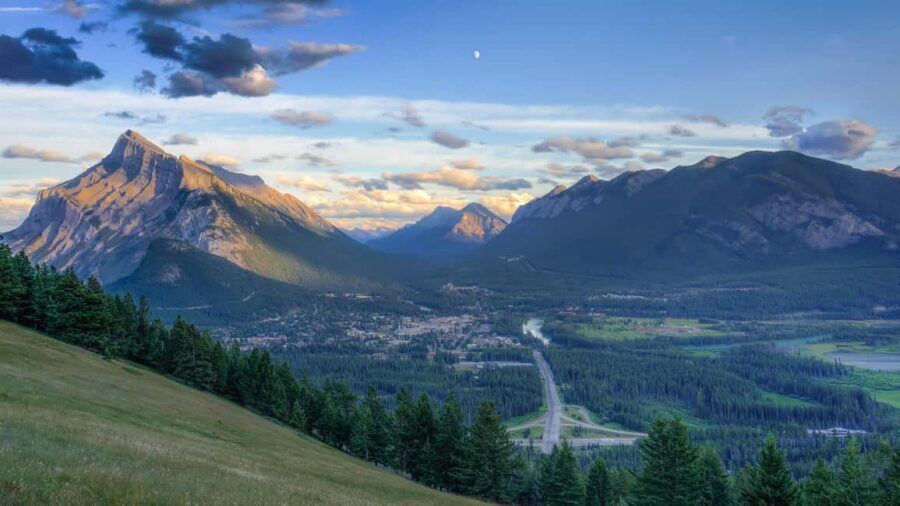
This is a compact, evening-friendly way to see Banff National Park without juggling a rental car or spending hours parking and walking. The whole experience is designed around timing: you ride during dusk/sunset, when animals often move more. You’re also in a position to cover ground fast, which matters because wildlife sightings depend on where animals are at that moment.
The other clever piece is the “premium” part in how the route works. The guide tailors stops based on each day’s recent wildlife sightings and weather, so you’re not always committing to one area no matter what. That makes the tour feel more like flexible scouting than a fixed bus route.
Still, keep expectations realistic. Even with great guiding, you might get only a few animals on a given day. The tour’s own promise is high—wildlife is spotted on 95% of tours—but “spotted” doesn’t mean every animal you hope for. In winter, it also means you’ll likely see more elk, deer, coyotes, foxes, and bighorn sheep than bears.
A few more Banff tours and experiences worth a look
Pickup in Banff: where you meet and how the timing works
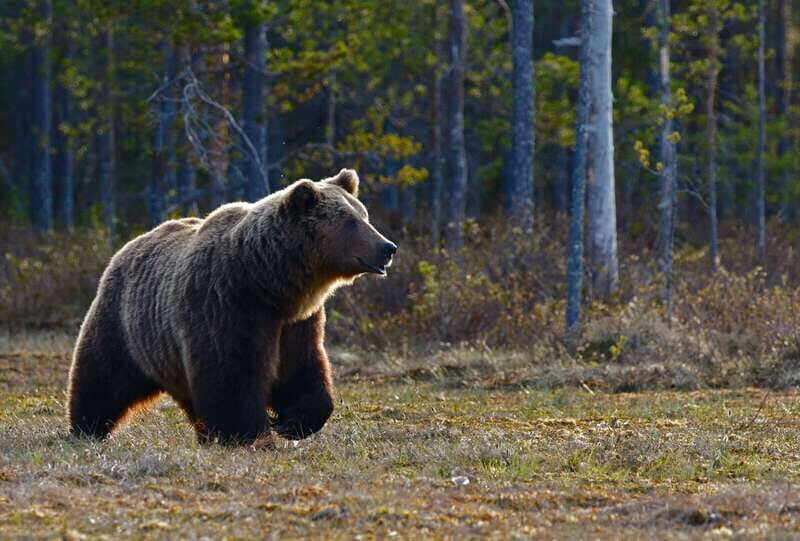
You start with pickup at select Banff locations, and the tour also offers multiple drop-off options across town. If you’re meeting at the Banff Train Station area, you’ll want to be at the bus loading zone on Elk Street, just off the roundabout across from the station, near the Banff sign. Build in extra time: it notes a 5-minute buffer for parking and walking to the meeting point.
One timing detail that really helps your day: your pickup time is not the tour start time during winter. Winter departures (Nov 1–Apr 30) include several pickup times listed for different hotels, and you’re asked to be ready about 5 minutes early. If your driver/guide is running late, don’t panic—there are multiple pickups and normal town traffic can slow things down.
If you’re in Banff for only part of a day, this tour’s structure is handy. It’s short enough that you can still do dinner plans afterward, and the dusk schedule means you’re using light that’s often better for wildlife viewing than midday.
Banff National Park drive: the “in-between” that’s where animals pop up
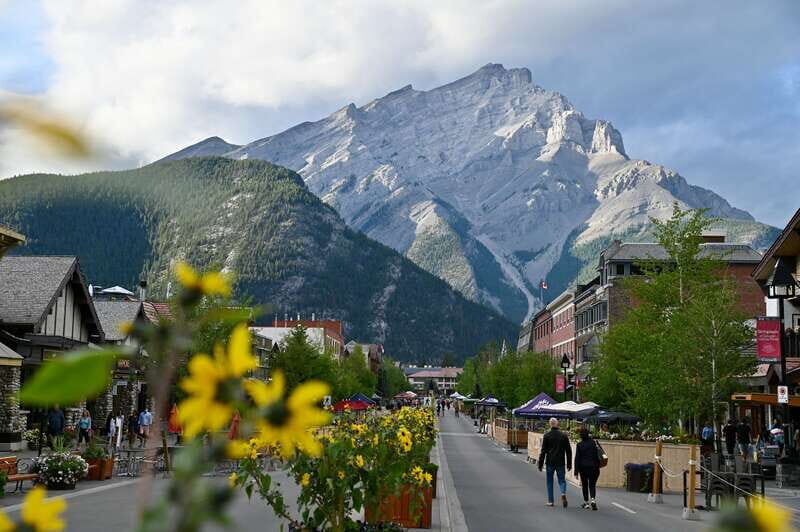
After you’re picked up, you’re in Banff National Park for scenic drive time and wildlife viewing. This matters because wildlife sightings don’t only happen at famous pull-offs. Often the best sightings come while you’re traveling through areas with wildlife corridors—stretches of habitat animals use to move safely between feeding and shelter.
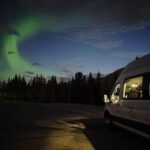
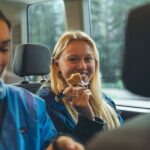
The vehicle helps for this kind of tour. You’re in spacious transportation with large panoramic windows, which is ideal for scanning both sides of the road. You’ll get camera opportunities at the stops, but you’ll also be able to watch for movement during the drive.
The guide also adds value beyond what you’d see on your own. They share fun facts about Banff while you travel, and they’re actively working the route based on where animals are showing up that day. Some guides have been especially praised for keeping that commentary going without turning it into a lecture—people mention guides like Lubo sharing Banff history facts and answering questions, while others like Tess focus on wildlife info even during quieter moments.
Lake Minnewanka: a timed photo stop with real wildlife potential
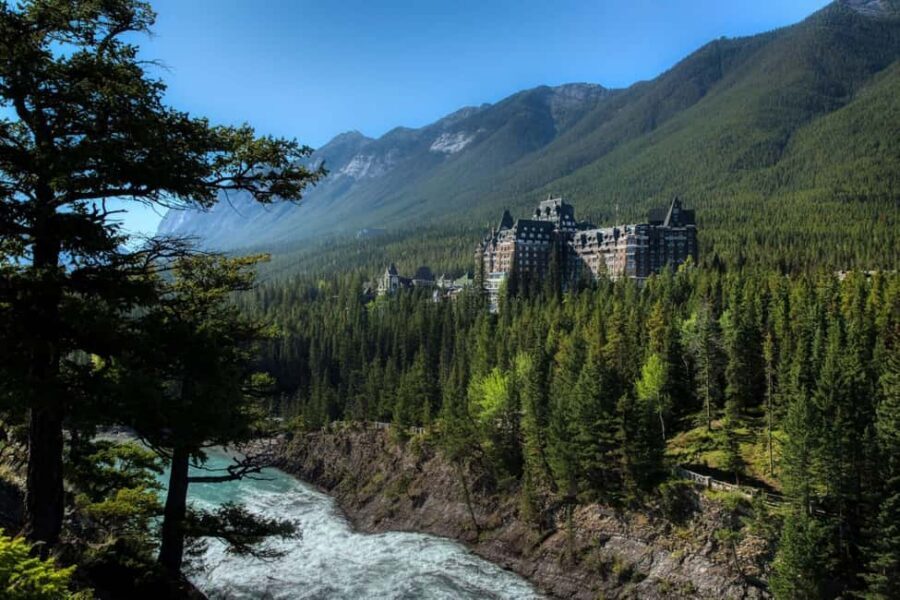
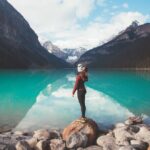
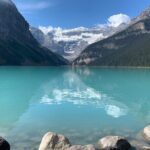
Lake Minnewanka is first up, with about 15 minutes for a photo stop and wildlife viewing. Even in a short window, this stop can be memorable because the area blends open water, surrounding ridgelines, and nearby habitat animals use. You’re not going to hike for an hour here; instead, you’re setting yourself up for quick spotting.
What I like about this stop is that it balances “classic Banff” with practical viewing time. You get to frame the famous scenery without losing momentum to long walks—especially valuable in shoulder seasons or cold months when everyone’s legs are less excited than their cameras.
A timing note to consider: the high alpine lakes of Lake Minnewanka and Two Jack Lake can remain frozen into early June. If you’re visiting in late spring, your expectations for the water should shift from summer reflections to winter-leaning ice and cold views. Either way, the light near dusk can still make it dramatic.
Two Jack Lake: quick views, quick scanning
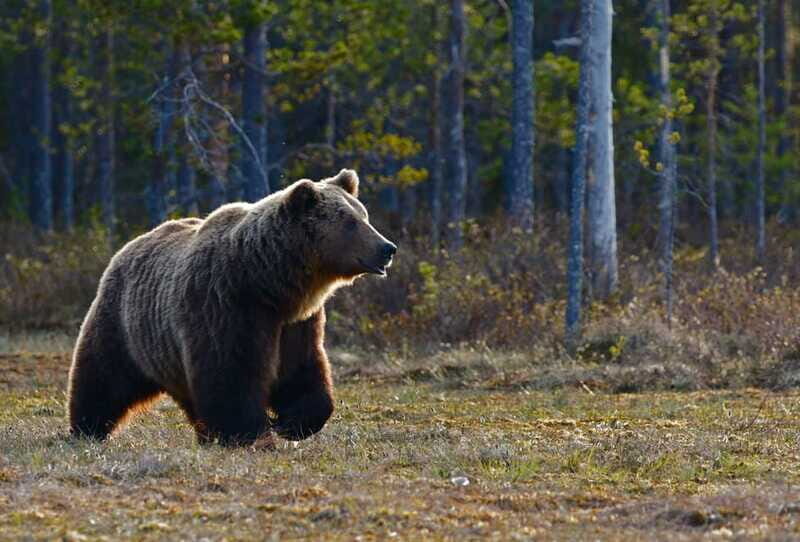
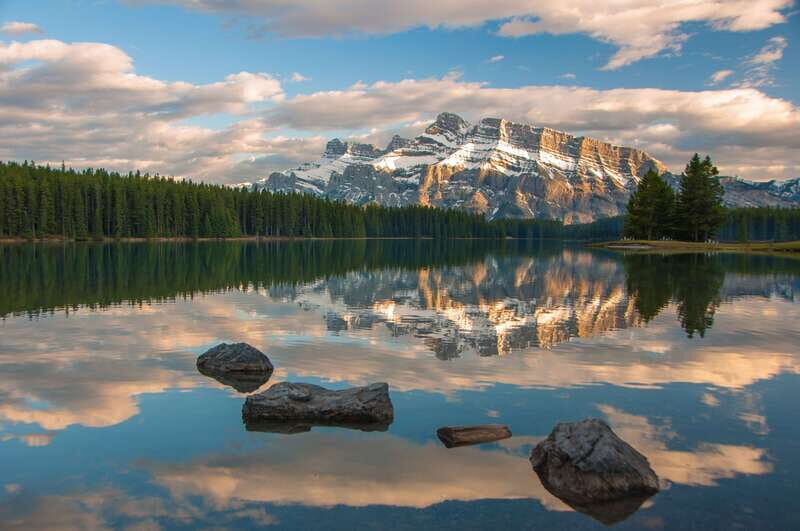
Next is Two Jack Lake, with only about 5 minutes. That can sound too short, but it works on a wildlife tour. When you’re aiming for animal sightings, stopping longer doesn’t always pay off if the animals you want are elsewhere. Five minutes is enough to grab a few photos and then relocate quickly if the guide gets a clue from recent reports or movement.
This stop is best treated like a checkpoint: eyes up, scan the edges, snap a photo, and be ready for the next pull-off. If it feels fast, that’s not a flaw—it’s part of the tour’s strategy to keep your evening flexible.
Because the lakes can be frozen into early June, Two Jack is often more “winter mood” than “summer stroll” during shoulder months. It’s still scenic, but you’ll likely be viewing from the roadside rather than expecting warmer weather access.
Surprise Corner and Bow Falls: viewpoints with momentum
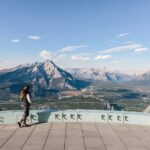
You’ll visit two strong photo moments back to back: Surprise Corner Viewpoint (about 10 minutes) and Bow Falls (about 15 minutes). These are the stops that give your tour its “highlights” feel—big scenery in a short time, with wildlife viewing layered in when conditions allow.
Surprise Corner is a viewpoint, so your job is simple: aim your camera, check both sides for movement, and listen for what the guide is watching for. It’s one of those places where even without a big animal sighting, you still leave with a good Banff photo.
Bow Falls is more grounded and recognizable, and you’ll have enough time to get photos and soak in the area for a bit. The best part of the timing is that it’s not just a photo dump. Because the drive is wildlife-focused, these stops are often paired with scanning—people frequently mention the calm pacing at stops and the sense that the guide doesn’t rush you out of position when something is happening.
Hoodoos Viewpoint and Mt. Norquay: where evening light helps
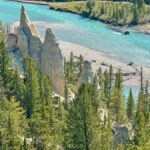
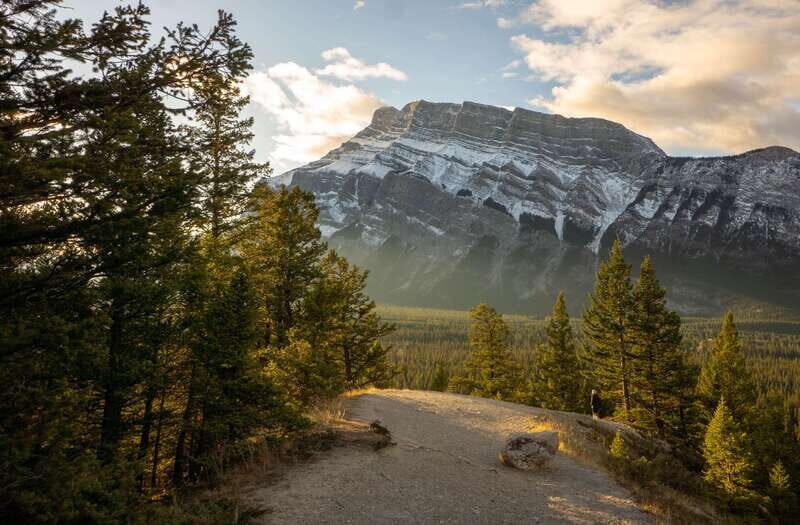
Besides the stops listed above, you can also expect additional viewpoints like Hoodoos Viewpoint and Mt. Norquay Viewpoint, plus some local secret spots. These are the kinds of stops that make a short tour feel more complete, because they add variety: you’re not just returning to the same scenery type.
Viewpoints also tend to work well for wildlife viewing in a different way. Instead of only watching the roadside, you can sometimes get a broader sense of where animals might travel through open areas or along edges. Even if you’re not spotting something huge, you’ll usually be able to spot smaller movements—birds, deer in the distance, or animal tracks in the right conditions.
Mt. Norquay tends to be especially photogenic around dusk, but the exact “wow” factor will depend on cloud cover and snow conditions. Either way, the goal is the same: use the evening light for better photos while you remain in an area where spotting is possible.
Wildlife odds: what 95% spotting really means
This tour’s promise is that wildlife is spotted on 95% of tours. That’s a useful metric, but it’s also worth interpreting correctly. Wildlife spotting doesn’t mean you’ll see every species on your wish list. On some nights you might see elk, deer, and sheep; on others you might be seeing coyotes, foxes, or birds, with bears taking longer to show up.
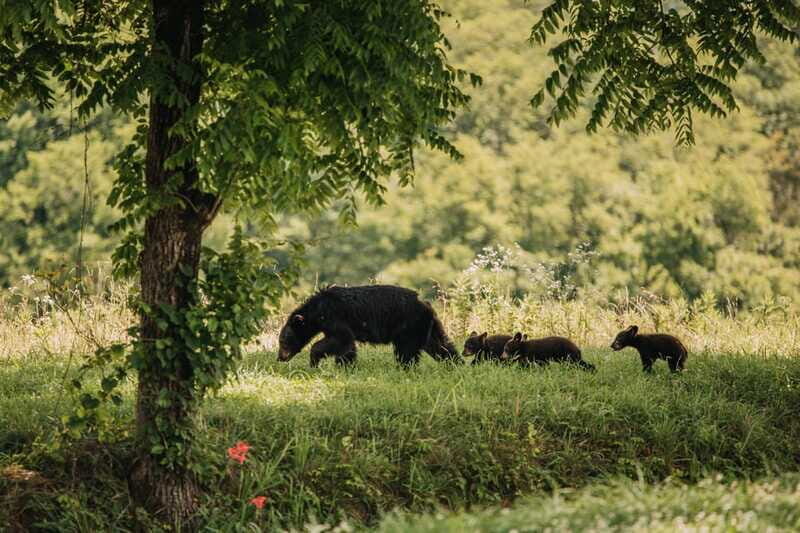
Bears deserve special note. The tour information states that bears usually hibernate between November and April. That doesn’t mean you’ll never see a bear (wildlife doesn’t follow calendars perfectly), but it does mean your chances are lower in winter. One guide-style takeaway: focus your wish list on animals that are more likely for your season—elk, deer, bighorn sheep, coyotes, and foxes are frequently mentioned outcomes.
Also remember the “premium” experience depends on how you behave. If you’re constantly leaning forward, ignoring instructions, or trying to chase a sighting, you’ll miss more than you’ll gain. You’ll get better results by staying calm, scanning steadily, and trusting where the guide pulls over for viewing.
The guide experience: stories, jokes, and practical spotting tips
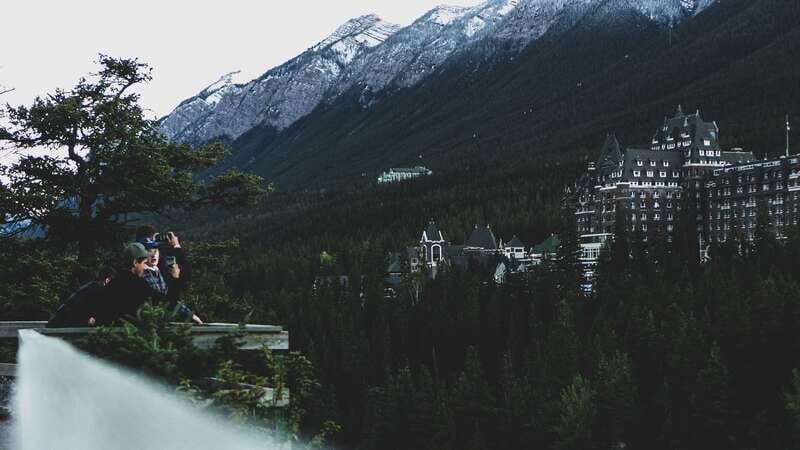
A big reason people keep talking about this tour is the guide approach. Different guides have different styles, but the common thread is that they keep the trip moving while sharing useful, easy-to-understand info.
For example, Lubo has been specifically mentioned for sharing Banff history facts continuously and keeping the group comfortable with warm drinks. Tess is praised for sharing local wildlife info even when sightings are quieter. Connie is noted for not rushing the stops and for staying on top of location updates so everyone has a chance to photograph what’s out there.
You’ll also hear different guide personalities—people mention humor (and even playful energy) like the goofball-style vibe some guides bring. That matters more than you might think on a cold dusk drive. If you’re chilled and sitting in traffic, a good guide can keep you alert and make the waiting feel like part of the fun, not dead time.
Price and value: is $91 a good deal for this 3-hour format?
At $91 per person for a roughly 3-hour tour, the value comes from combining three things that cost time and effort on your own: local routing, pickup/drop-off convenience, and a small group setting.
You’re getting:
- Local guides who adjust the route based on conditions and sightings
- Spacious transportation with large panoramic windows
- Pickup and drop-off in Banff at multiple hotels/locations
- Water refills (bring your own bottle)
- Hot drinks and local treats on winter departures
- A small group capped at 12 guests
- A dusk/sunset time slot that’s harder to schedule well by yourself
What’s not included is the Park Pass, so you should plan for that if it’s required for the areas you’ll be visiting. If you already know you’ll spend part of your trip driving around, paying $91 for a guided, efficient evening can still be a win—especially if wildlife spotting is a priority.
The only “value risk” is the same risk with any wildlife tour: the animals don’t show up on command. If your goal is one specific animal, you’re taking a chance. But if your goal is a well-run evening with strong odds of seeing something, this price can feel fair.
What to bring (and what to leave behind)
For the smoothest ride, you’ll want to keep it simple:
- Camera ready
- Comfortable, weather-appropriate clothing
- Layers, since dusk in the Rockies can feel colder than you expect
- A water bottle (there are water refills)
The tour also lists several clear “no” items:
- No pets
- No baby strollers
- No luggage or large bags
- No smoking in the vehicle
- No littering
- No feeding animals
- No alcohol in the vehicle
- No riding the animals
One more practical detail: the minimum recommended age is 12, and children under 12 aren’t suitable for this small-group format. If you’re traveling with teenagers, this can work well because everyone can handle the roadside viewing and the walking-light stop pattern.
Who this Banff wildlife tour suits best
This tour is a strong fit if you:
- Want wildlife viewing but don’t want to drive and park around Banff at dusk
- Like getting multiple “great Banff stops” in a short window
- Prefer small groups over big buses
- Are happy with brief photo stops as long as the guide keeps the route flexible
It’s less ideal if you:
- Need long hikes to feel like you got your money’s worth
- Are visiting in a season where your top target animal is less likely (like bears in winter)
- Expect every stop to be a guaranteed wildlife sighting rather than a mix of scenery plus scanning
Still, even on nights when wildlife is light, you’ll usually come away with views and viewpoints that are hard to replicate efficiently on your own without burning daylight.
Should you book this Banff Wildlife & Scenic Highlights Premium Tour?
I’d book it if you want a guided Banff evening that balances wildlife chances with real scenic highlights—without turning your day into a logistical puzzle. The small group size, panoramic ride, and dusk timing are the big wins, and the guides’ mix of wildlife spotting focus plus Banff history facts (people mention Lubo, Tess, Connie, and others) can make the hour-to-hour pacing feel worth it.
Skip it or lower expectations if you’re hoping for one specific animal on cue, or if you’ll be visiting in winter and you’re counting on bear sightings. In that case, plan to enjoy the scenery, enjoy the scanning, and treat wildlife as the bonus.
If you’re flexible and camera-ready, this tour can be a very efficient way to spend your Banff time—especially when you want your sunset to do more than just look pretty.
FAQ
How long is the Banff Wildlife & Scenic Highlights Premium Tour?
The tour lasts 3 hours.
What is the group size?
It’s a small group tour with a maximum of 12 guests.
Where does pickup happen, and where is the meeting point if I’m not at a hotel?
Pickup is available from select Banff locations. The listed meeting point is the Bus Loading Zone on Elk Street, just off the roundabout across from the Train Station, next to the Banff sign (allow an extra 5 minutes for parking and walking).
Is a park pass included?
No. The Park Pass is not included.
What should I bring for the tour?
Bring a camera and wear comfortable, weather-appropriate clothing. You can also bring a water bottle for water refills.
Are pets or strollers allowed?
Pets and baby strollers are not allowed.
Are bears likely to be seen in winter?
Bears usually hibernate between November and April, so sightings are less likely during winter departures.