REVIEW · BANFF
Banff and its Wildlife – Year Round Tour
Book on Viator →Operated by Discover Banff Tours · Bookable on Viator
Banff can feel huge until you take a focused, small-group loop with a guide who connects the dots between geology and the wildlife you’re hoping to spot. This 3-hour morning tour runs between April and mid-October and strings together Banff’s most famous natural stops, plus a few history-heavy viewpoints.
I especially like two things: the early timing built for wildlife (elk, deer, bears, bighorn sheep are often on the list), and the way the stops hit both iconic scenery and human stories—like the Lake Minnewanka underwater ghost town tale.
One heads-up: this isn’t a guarantee wildlife safari. Some mornings are quiet, and you’ll spend a solid chunk of time riding between viewpoints on a short route.
In This Review
- Key highlights worth planning for
- Banff by van, with wildlife watching built into sightseeing
- Price and timing: why the 8:30 am start is the whole game
- Pickup setup: how to avoid the most common on-the-day stress
- Lake Minnewanka: the underwater ghost town stop
- Bow Falls: ancient limestone rapids and 1950s movie trivia
- Surprise Corner for Castle of the Rockies views
- Hoodoos Trail: geology talk you’ll actually remember
- Bankhead Ghost Town: mining history stop (summer only)
- Wildlife expectations: elk, deer, bears, and the luck factor
- What’s included (and what you should pack anyway)
- Comfort and reality: expect bus time and quick stops
- The guide factor: why the best mornings feel easy
- Who should book this Banff wildlife sightseeing tour
- Should you book it? A practical verdict
- FAQ
- How long is the Banff and its Wildlife tour?
- When does the tour operate?
- What time does the tour start?
- Is hotel pickup included?
- Where is the default meeting point if I don’t choose pickup?
- How big is the group?
- What wildlife might I see?
- What’s included in the price?
- Do I need to pay for admissions at the stops?
- What is the cancellation policy if weather is bad?
- Is the tour language English?
Key highlights worth planning for
- Lake Minnewanka with a ghost town story under the water
- Bow Falls where ancient limestone makes loud rapids—and you’ll hear about classic Hollywood filming too
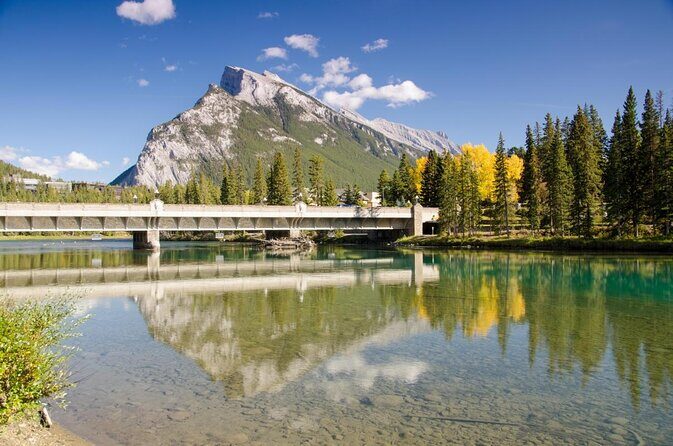
- Surprise Corner for the “Castle of the Rockies” view framing Sulphur Mountain and the Bow River
- Hoodoos Trail viewpoint with clear explanations of how those rock shapes formed
- Bankhead Ghost Town (summer only) for Banff’s mining past, not just postcard views
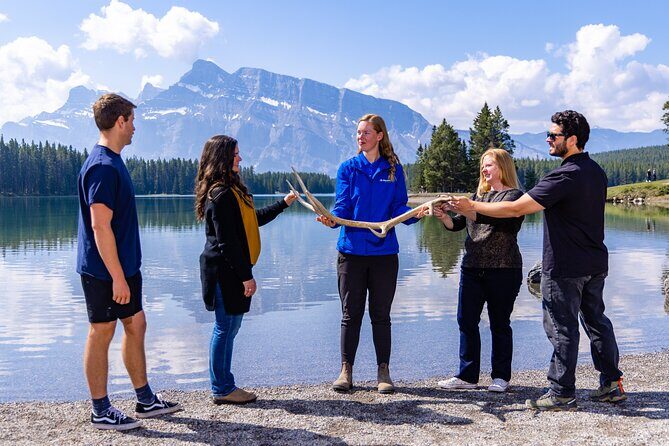
- Small group (max 24) plus hands-on interpretive tools that keep the drive from feeling like just sitting
Banff by van, with wildlife watching built into sightseeing
This tour is built for the morning, when animals are more likely to be moving and you haven’t baked in the sun yet. You’ll do the classic Banff hits—plus the “how it happened” parts that most quick town stops skip.
What makes this style of tour work is pacing. You’re not driving yourself across the whole region. Instead, you’re hopping between a handful of high-value stops around Banff, with a guide narrating why each one looks the way it does.
The wildlife part is real—your guide will scan, and the route is chosen for morning viewing—but wildlife is still wildlife. If you want a strict wildlife-only experience, you’ll need to set your expectations accordingly.
A few more Banff tours and experiences worth a look
Price and timing: why the 8:30 am start is the whole game
At about $72 per person for roughly 3 hours, you’re paying for three things: a guided route, practical pickup/drop-off help, and transportation that keeps you from piecing together parking and drives. In Banff, that value can be strong if you don’t have a car—or if you want to spend your energy on viewpoints instead of logistics.
The tour starts at 8:30 am, but your pickup time depends on where you’re staying. Pickup points run from about 7:55 am through 8:35 am, and you need to be ready 5 minutes before your specific pickup time.
If you’re the type who likes early starts, this will feel efficient. If you’re not, you can still make it work—just plan a full breakfast the night before in your brain, because the day starts before the coffee wears off.
Pickup setup: how to avoid the most common on-the-day stress
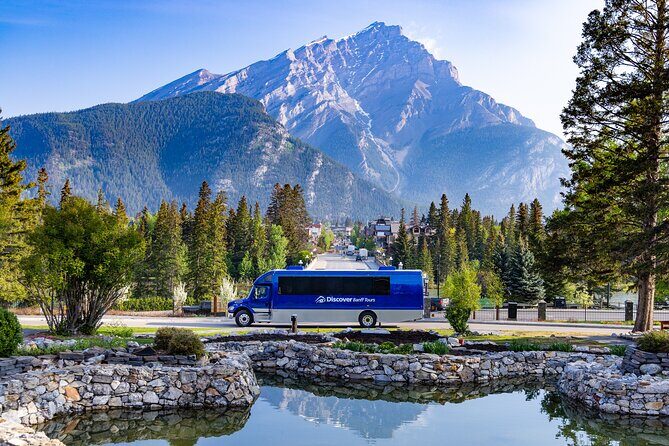
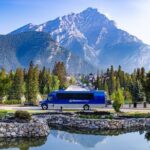
The tour uses a mix of hotel pickups (on request) and set pickup locations. If you don’t choose pickup, you’ll meet at the public bus parking behind the Mount Royal Hotel at 8:12 am.
Important practical detail: each pickup spot has a unique time, and the group moves on schedule. One of the most repeated frustrations in this kind of tour is simply missing the exact meeting rhythm, especially when several buses and groups cluster together. So do yourself a favor: arrive early, find your driver or tour staff quickly, and have your phone ready for a mobile ticket check.
Group size stays capped at 24, which helps the tour feel manageable at each stop. You won’t be fighting for viewpoint space the whole time, even when the scenery is popular.
Lake Minnewanka: the underwater ghost town stop
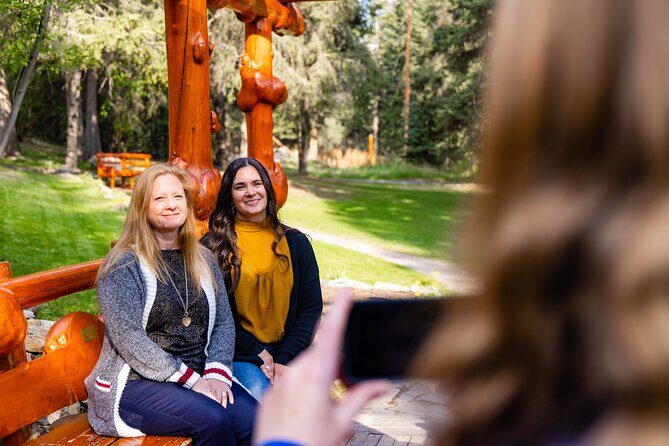
One of the first stops is Lake Minnewanka, Banff’s largest lake. You’ll get a short visit and hear the story tied to the area—one of those Banff facts that turns a calm shoreline into something way more intriguing.
Why this stop is worth it: it’s a reminder that Banff isn’t only about mountains and elk. It’s also about how people used the region, and what changed over time. Even if you only have 15 minutes here, the story gives the water meaning beyond a photo.
A practical note: since this is early in the morning, your best approach is to move quickly, soak in the view, then take the guide’s key points rather than trying to do everything on your own.
Bow Falls: ancient limestone rapids and 1950s movie trivia
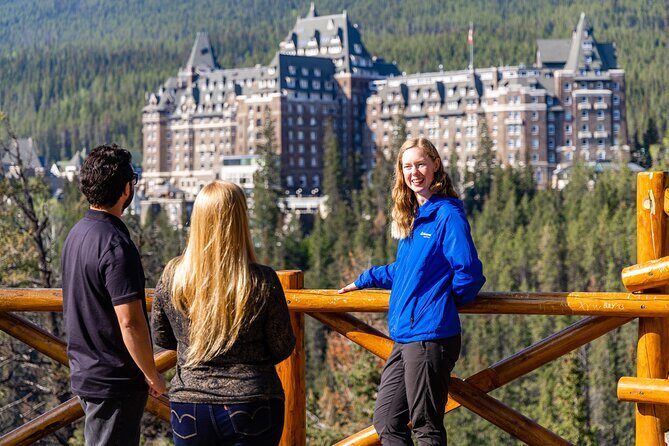
Next up is Bow Falls, where you’ll hear (and see) the power of water hitting rock. The rapids drop over ancient limestone, and the result is a loud, dramatic spectacle—more than a gentle waterfall moment.
This stop also comes with fun cultural context. You’ll learn that Bow Falls showed up in classic Hollywood films from the 1950s, including River of No Return with Marilyn Monroe. It’s a quick fact, but it works—suddenly the falls aren’t just nature, they’re part of film history too.
Time is tight here, about 10 minutes. That’s enough for photos and a quick look, but don’t expect a long linger. If you’re someone who could stare at water for an hour, you’ll want to pair this tour with a return later on your own.
Surprise Corner for Castle of the Rockies views
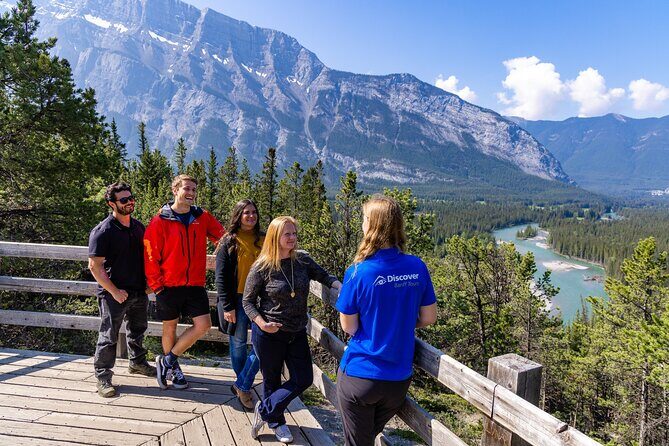
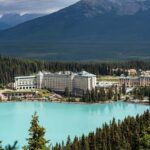
The tour then shifts to a viewpoint-style stop: Surprise Corner. This is one of those places where your brain goes, oh right—that’s Banff. You’ll see the “Castle of the Rockies” with Sulphur Mountain behind it, plus the Bow River in the foreground.
Why it matters: this isn’t just pretty. It helps you understand the geography you’ve been looking at all day from the road. Once you can place the river and mountain shapes relative to each other, the rest of your Banff photos start making more sense.
The stop is short (around 10 minutes), so you’ll get the view and the story, then move on. If you hate rushing, stand where you can take photos fast and let the guide do the explaining without you constantly adjusting your spot.
Hoodoos Trail: geology talk you’ll actually remember
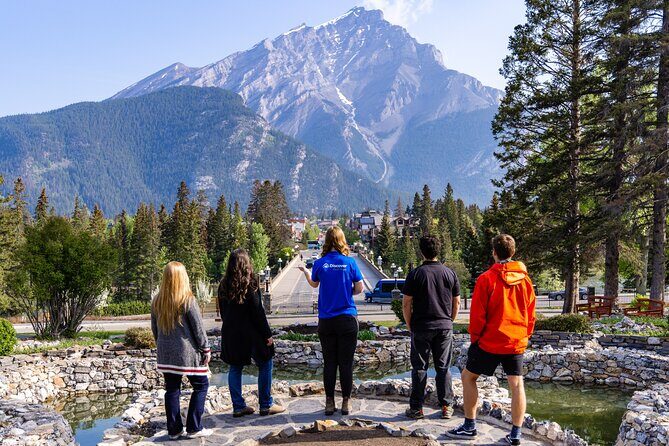
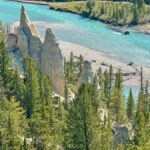
The Hoodoos Trail stop is about 20 minutes, and it’s designed to be a mini lesson in how unusual rock formations form. Your guide points out what makes the hoodoos distinctive and why they look like they do when viewed from this angle.
What I like about this stop: you don’t need to be a geology person. The best guides translate the formation process into plain language, so it’s not just name-dropping. You also get the payoff of a dramatic viewpoint—the kind where the rocks look like they belong in a different country.
A bonus detail that shows up in the guide storytelling here: you’ll hear about a view tied to Indigenous Peoples naming for the formation (described by one guide as Sleeping Buffalo Guardian Mountain). That kind of context changes how you look at the rocks, even if you only stay for a short time.
Bankhead Ghost Town: mining history stop (summer only)
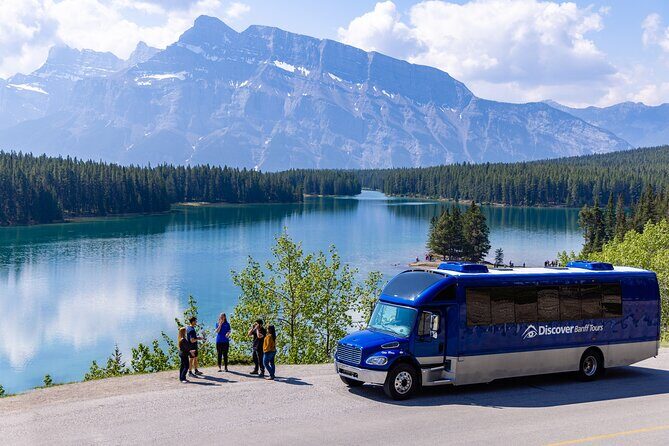
If you’re traveling in-season, you may also stop at Bankhead Ghost Town, described as an abandoned mining town and a relic of Banff’s industrial past. This is listed as summer only, so it depends on when you go.
Why this stop works: it adds contrast. You go from rivers and hoodoos to the evidence of human industry—tracks and structures left behind when mining moved on. It’s a reminder that the Banff story includes boom times and hard work, not just tourism.
It’s also free-admission at the stop level and short (about 10 minutes). Think of it as a snapshot, not a full museum visit.
Wildlife expectations: elk, deer, bears, and the luck factor
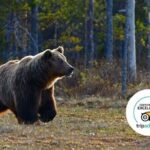
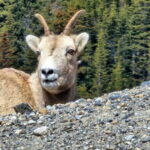
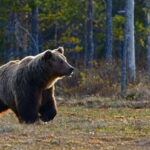
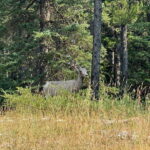
This tour is often described as great for seeing wildlife in the morning, and the specific animals you’ll hear your guide watching for include elk, deer, bears, and bighorn sheep. That matches the general idea behind morning viewing—animals often move earlier, especially when temperatures are cooler.
Here’s the honest part: wildlife isn’t guaranteed. One group can spot elk close by and another might see nothing but birds and scenery. Even guides who are excellent at spotting likely can’t force sightings.
So use this tour for what it is:
- Your best chance of wildlife visibility without owning the whole day’s driving plan
- A guided route that puts you near the kinds of areas where animals show up
- Morning energy plus lots of interpretive stops to keep the time enjoyable even if wildlife stays hidden
If wildlife is your top goal, your best strategy is to go early, stay patient at pull-offs, and keep your eyes moving rather than planting yourself for too long.
What’s included (and what you should pack anyway)
Included in the tour are a professional guide, fresh water, and a small snack (a maple cookie). In colder months, there’s hot chocolate; in warm months, you’ll still want hydration even if it’s just water from the kit.
You’ll also get hands-on interpretive tools, which is a nice touch. It’s not just “listen from the bus.” These tools help you connect the geology and history to what you’re seeing.
Most stops are free to enter, based on the time/stop notes provided. That helps keep the value feeling tidy.
Still, I recommend packing a little buffer for yourself. One traveler report mentions not having water in-hand, even though fresh water is listed as included. If that happens, it’s better to have a backup than to waste your mood.
Comfort and reality: expect bus time and quick stops
Several people note that much of the experience is spent riding between viewpoints. That’s not a bug—it’s how this tour works. Banff stops are spread out enough that a short, efficient loop requires transportation time.
The good news is that your guide uses that time to set context and give you what to look for. If you show interest—ask questions, listen at each stop—your experience will feel fuller than just scenery through a window.
At stops, time is measured. You’ll typically get around 10 to 20 minutes depending on the location. So plan for motion: photo first, then story, then move.
The guide factor: why the best mornings feel easy
Guides make or break this kind of tour, and this one gets strong marks for clear storytelling and friendly pacing. Names that show up in the guide highlights include Bobby, Eli, Alex, Jake, Tim, Neil, Phoebe, and Andrew.
What you should care about is the skill, not the name. The best guides are the ones who:
- explain what you’re seeing without talking down
- keep scanning for wildlife without turning the drive into chaos
- answer questions fast at each stop
If you get one of the top storytellers, you’ll leave with more than photos. You’ll understand why Bow Falls sounds the way it does, what the hoodoos are, and what the Banff area looked like before it became the resort town you see today.
Who should book this Banff wildlife sightseeing tour
This tour fits best if you:
- want an easy introduction to Banff in one morning
- don’t want to drive and park between multiple viewpoints
- like wildlife watching but understand sightings are a luck-based bonus
- enjoy short history and geology stops more than long hikes
It’s also a smart first-day plan. You’ll leave knowing where things are, what stands out, and which spots you might want to revisit later when you have more time.
Families often like the manageable duration and the quick stops. Couples who want a morning activity without committing to a full-day drive also tend to enjoy it.
Should you book it? A practical verdict
I’d book this tour if you want a guided loop that gives you Banff highlights fast, with wildlife potential layered on top. The value is strongest when you can’t (or don’t want to) handle the logistics on your own, and when you’re willing to treat wildlife as a bonus.
I’d think twice if you want a strict wildlife mission where sightings are the main point. This experience is sightseeing-first, morning-wildlife-focused second—and you should plan your expectations around that.
If you do book, arrive early for pickup, dress for changing mountain weather, and treat each stop as a quick story + quick view combo. When the morning works, it’s a great way to get your bearings in Banff and catch the wildlife that happens to show up.
FAQ
How long is the Banff and its Wildlife tour?
It runs for about 3 hours.
When does the tour operate?
It operates seasonally between April and mid-October.
What time does the tour start?
The start time is 8:30 am.
Is hotel pickup included?
Yes, hotel pickup and drop-off are available on request. There is also a set public bus parking meeting point behind the Mount Royal Hotel.
Where is the default meeting point if I don’t choose pickup?
Your default pickup is at the public bus parking behind the Mount Royal Hotel at 8:12 am.
How big is the group?
The maximum group size is 24 travelers.
What wildlife might I see?
The tour is described as a great way to see elk, deer, bears, and bighorn sheep, especially in the morning.
What’s included in the price?
Included are a professional guide, a maple cookie snack, fresh water, and hot chocolate in winter, plus hands-on interpretive tools.
Do I need to pay for admissions at the stops?
The stop notes list free admission for the main stops mentioned.
What is the cancellation policy if weather is bad?
The experience is non-refundable and can’t be changed. If it’s canceled due to poor weather, you’ll be offered a different date or a full refund.
Is the tour language English?
Yes, it is offered in English.