REVIEW · BANFF
Banff Night Sky Stargazing Tour from Canmore and Banff
Book on Viator →Operated by Into The Wild Tours · Bookable on Viator
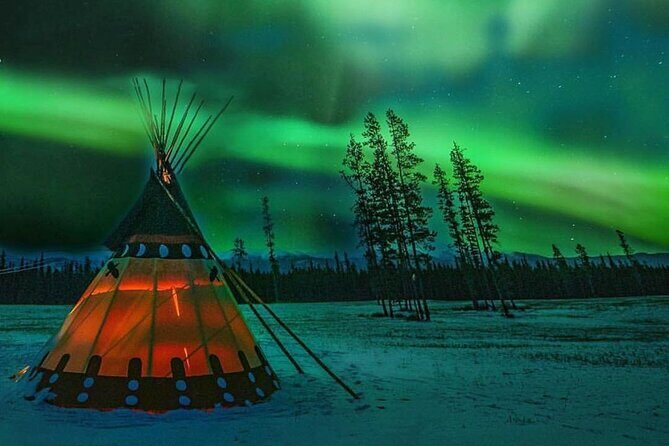
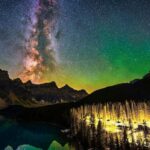
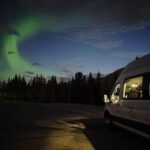
Stars feel close in Banff nights. This 5-hour guided stargazing tour mixes three dark-sky stops in Banff National Park with real-time sky help from telescopes, binoculars, and iPad apps. I like that it’s calm and unhurried, with premium warm seating and hot drinks waiting for you when the temperature drops.
One thing to plan around: the tour depends on clear skies, so heavy cloud cover (and even a full moon) can cut down what you can see.
In This Review
- Key Things I Think You’ll Care About
- Picking Up in Canmore or Banff and Rolling Toward the Night Sky
- Banff National Park Lookout: A Quiet Start Over Town Lights
- Two Jack Lake Stargazing: Heated Chairs and Real Tools for the Stars
- Lake Minnewanka After Dusk: Slower Stories, Wildlife at Night
- Photo Tips That Actually Help at Night
- Price and Value: What $100.85 Buys You in Real Comfort
- Weather Is the Real Boss in Banff Nights
- Quick Practicalities: Duration, Waiver, Tickets, and Small-Group Rhythm
- Who This Stargazing Tour Is Best For
- Should You Book Banff Night Sky Stargazing from Canmore and Banff?
- FAQ
- How long is the Banff night sky stargazing tour?
- How much does it cost?
- Where does the tour start?
- Is pickup included?
- What’s the group size?
- What’s included for stargazing equipment?
- Are warm drinks included?
- Do I get headlamps?
- Is this tour suitable for kids?
- What if the weather is cloudy or snowy?
Key Things I Think You’ll Care About
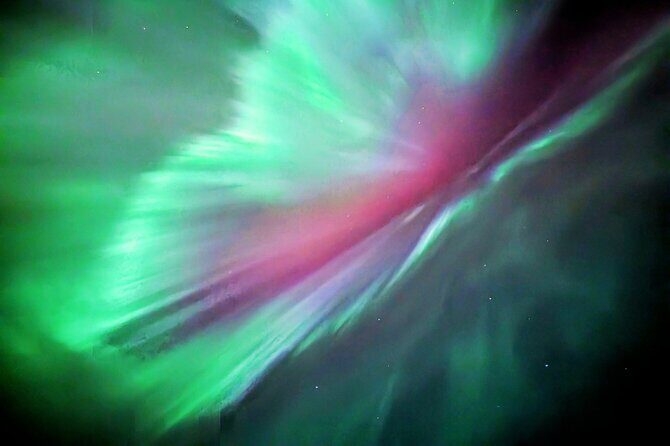
- Heated chairs + headlamps: comfort first, safety taken care of.
- Two Jack Lake is the main event: 2 hours at a hand-selected viewpoint by the water.
- Telescopes, binoculars, and iPads: you’re not just told stories—you’re shown the sky.
- Small-group feel: keeps the guide’s attention on you.
- Banff and Canmore pickup: less stress, smoother start to a late evening.
- Weather-dependent: clarity of the sky is the whole game.
Picking Up in Canmore or Banff and Rolling Toward the Night Sky
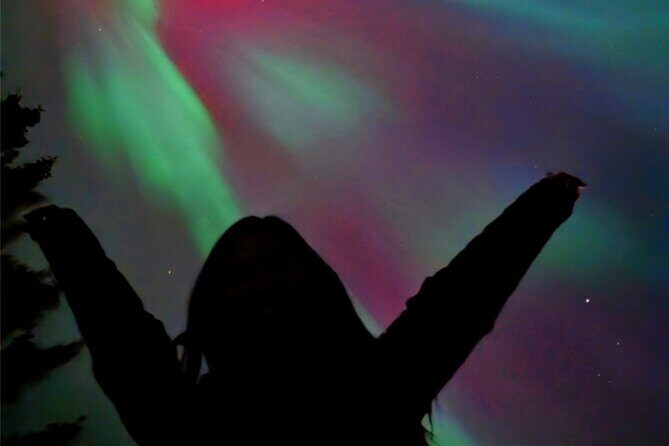
This tour starts with a van pickup in Canmore, with additional pickups in Banff. You’ll want to be ready about 10 minutes before your pickup time, because schedules matter when you’re heading out after dark.
Once you’re on board, the driver-guide keeps things relaxed and informative. You get context about Banff National Park and practical tips for what to look for when the sky gets dark. That matters more than you’d think. Stargazing can be frustrating if you’re wandering around guessing. Here, the ride and the first viewpoint help you get your bearings fast—so when the real viewing starts, you’ll know what you’re hunting for.
Group size stays small (it’s capped at 10 travelers, and it’s described as a small group of no more than 13). That usually means fewer people needing help at the eyepieces and more chances to ask questions.
You can also read our reviews of more evening experiences in Banff
Banff National Park Lookout: A Quiet Start Over Town Lights
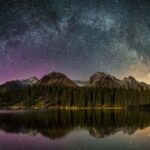
Your first stop is a favorite local lookout with a nighttime view of Banff—town lights below and peaks fading into silhouette. This is a smart opening move. You’re not thrown straight into darkness. You get a gentle transition from “I’m in Banff” to “I’m in the sky,” and the guide shares history and how this mountain town formed.
You’ll spend about 45 minutes here. It’s free admission, and it works like a warm-up lap. If you’re the kind of person who likes to understand where you are before you start photographing or staring, this stop will feel worthwhile rather than like a quick detour.
Possible downside: if clouds roll in early, you might feel like the night is already slipping away. Still, this part helps the evening even when the sky isn’t perfect, since the scenery at night is usually visible even with partial cloud.
Two Jack Lake Stargazing: Heated Chairs and Real Tools for the Stars
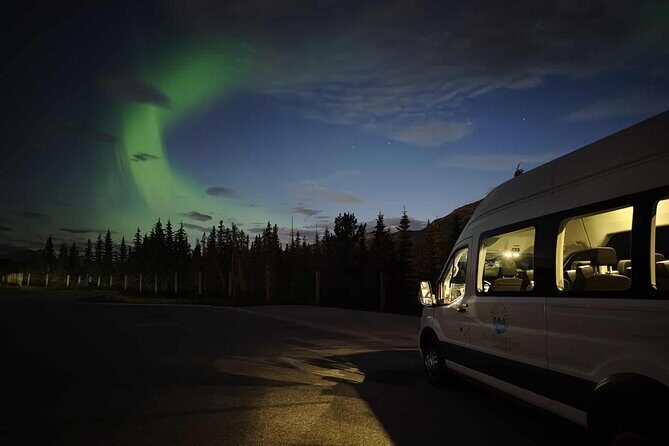
After the lookout, you’ll head to Two Jack Lake for the main stargazing session. This is the stop that makes the tour different from a casual walk in the dark.
You’ll arrive at a hand-selected viewpoint on the lake shore and move into premium heated chairs. That’s huge. Even if you’re excited about stars, cold ruins patience fast. Here you can actually stay put while you learn the sky.
You get access to:
- Telescopes and binoculars
- iPads with constellation-identification apps
- A guide who helps you match what you see with what’s up there
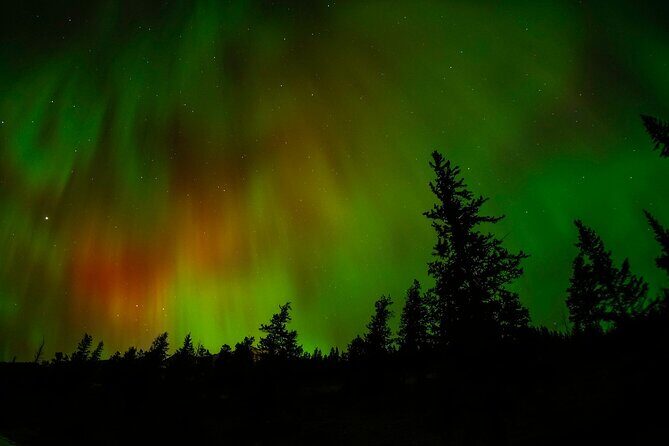
You’ll have about 2 hours at Two Jack Lake. During that time, planets, star clusters, and distant galaxies come into view. And because you have both magnification tools and a digital star map, you’re less likely to miss the “aha” moments. One person’s first night sky can be lots of guessing. This format is more like guided troubleshooting: point, adjust, identify, learn.
There’s also a cozy perk: hot chocolate or tea is included. It’s the kind of comfort that keeps the evening feeling like a small night event, not a cold endurance test.
One note from a real-world experience: a full moon can overwhelm some faint targets. Even then, you still get value—moon views and the scenery around the lake can turn into their own kind of show. If your priority is galaxies and the faintest constellations, clear skies still matter most.
Lake Minnewanka After Dusk: Slower Stories, Wildlife at Night
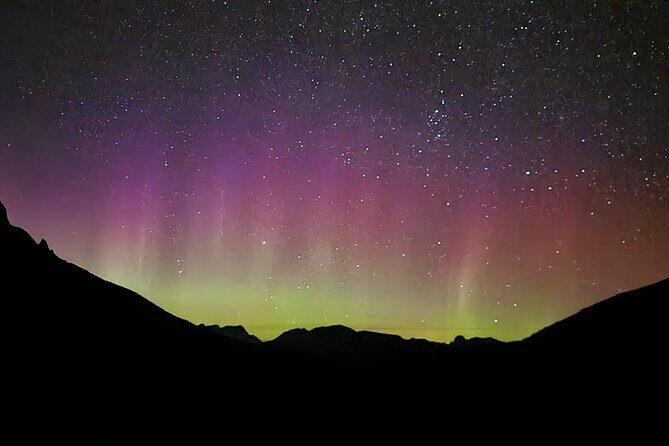
From Two Jack Lake, you’ll drive to Lake Minnewanka. The schedule stays unhurried, and the evening tone remains calm as dusk deepens and the forest darkens.
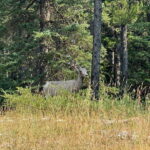
You’ll have about 1 hour here. This stop is less about equipment and more about place-based storytelling. The guide shares perspectives connected to the land, including Indigenous perspectives and long-standing relationships with it. You’ll also hear about wildlife that moves through the area after sunset—things that can make you look around in a different way than you would at a strictly scientific stargazing event.
After that, you’ll travel back a short distance deeper into the park as it settles into night. Even if clouds reduce star visibility, this portion can still land well because it focuses on atmosphere and awareness: listening for night sounds, watching how darkness changes the shoreline, and paying attention to where the guide wants your eyes.
Photo Tips That Actually Help at Night
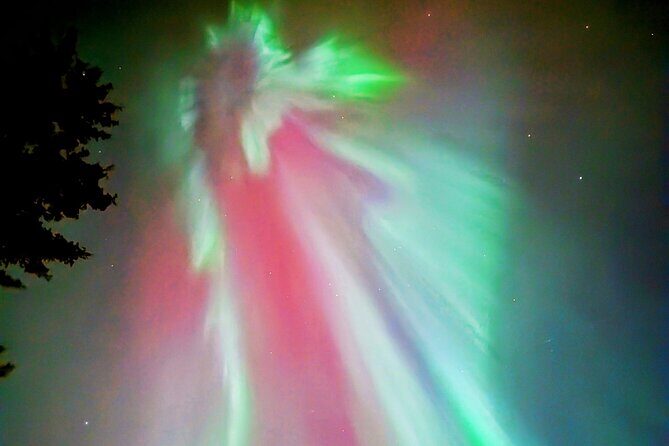
Night photography can be intimidating. You don’t just need a camera—you need the right timing, settings, and guidance on what’s worth shooting.
The best part here is that the guide isn’t only talking. You can get practical advice on how to set up for nighttime photos, and how to frame shots so you’re capturing more than just a dim dot. On at least one evening, the tour setup also included photo support like tripods, which is exactly the kind of detail that makes a difference when your hands shake or the shutter needs steadiness.
If you’re bringing a phone, a camera, or both, you’ll likely appreciate that the equipment and apps are part of the learning. The iPad constellation identification can help you understand what you’re aiming at, which makes photos more satisfying.

Price and Value: What $100.85 Buys You in Real Comfort
At $100.85 per person, this isn’t a budget add-on. But it also isn’t just you and a guide talking about stars for an hour.
What you’re paying for is a full guided night experience that includes:
- Pickup from Canmore and Banff
- A small group format
- Heated chairs at the main viewing stop
- Telescopes, binoculars, and iPads for identification
- Hot chocolate or tea
- Headlamps provided for walking and safety
If you’ve ever tried to do stargazing on your own, you know the hidden costs: driving time, finding the right dark-sky spot, and figuring out what you’re actually looking at. This tour removes a lot of that friction and packages it with comfort.
Also, the tour is booked ahead fairly often (on average, about 28 days in advance). If your dates are fixed, I’d treat it like something worth reserving early rather than hoping you can wing it.
Weather Is the Real Boss in Banff Nights
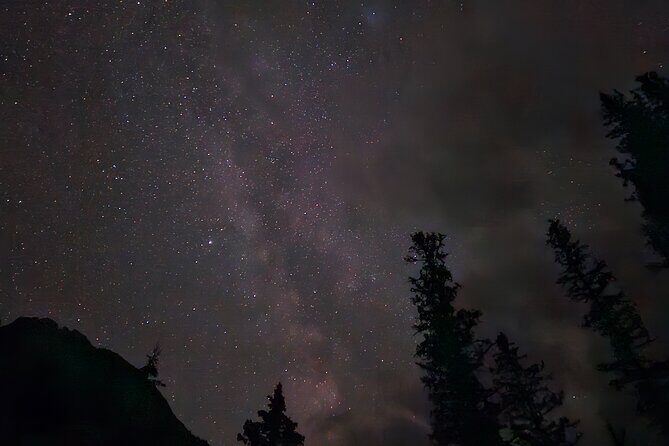
Stargazing is weather-dependent, and this tour is upfront about it: if the sky isn’t clear enough, the tour may be postponed or canceled. If you get heavy cloud cover, rain, or snow, visibility suffers. The tour can also be rescheduled if extreme cold or high winds make it uncomfortable.
So here’s how you should think about this: your success isn’t guaranteed, but the experience is designed to be flexible. If it’s canceled due to poor weather, you’ll typically be offered a different date or a refund.
Practical takeaway: keep your schedule flexible around your tour date. If you’re rushing from stop to stop with no buffer days, a weather change can put you in a tough spot.
Quick Practicalities: Duration, Waiver, Tickets, and Small-Group Rhythm
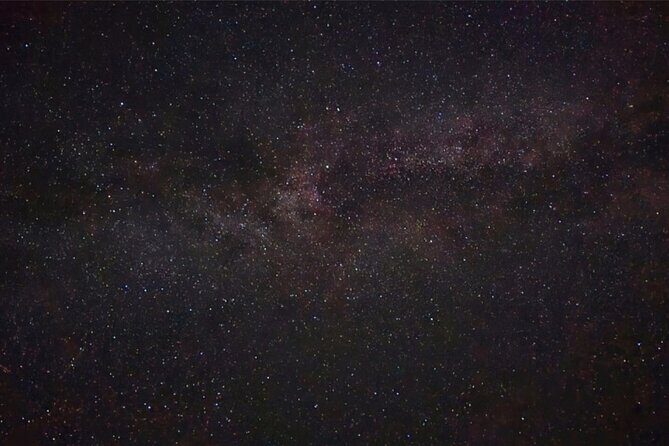
The tour runs about 5 hours. That’s long enough for real sky time (the 2-hour Two Jack Lake segment is the main draw) and short enough that you don’t feel trapped all night.
You’ll receive a mobile ticket, and pickup times are sent by email 2–3 days before your tour date. Pickup timing depends on whether you choose Canmore or Banff—Banff pickups are about 30 minutes after the Canmore start to allow for travel.
Adults must sign a waiver before the tour, and if you’re bringing kids under 18, a parent or guardian needs to complete the waiver too. The minimum age is 6, and the tour isn’t suitable for children under 6.
Good to know: the shuttle stays in the parking lot throughout the tour, so you’re not constantly crisscrossing with long walks to get to each viewing spot. And service animals are allowed.
Who This Stargazing Tour Is Best For
This tour fits best if you want:
- A guided way to identify constellations, planets, and star clusters
- Comfort while waiting in the cold (heated seating is a big deal)
- A small-group night with equipment and coaching
It’s also a solid choice if you’re traveling with someone who’s into photos. The guide’s nighttime photo tips and the provided tools make it easier to get satisfying results.
If you’re bringing very young kids, note the minimum age of 6. If your main goal is faint deep-sky objects and you’re hoping for perfect conditions on the first try, remember the sky can be unpredictable—clouds and moonlight are real factors.
Should You Book Banff Night Sky Stargazing from Canmore and Banff?
I’d book it if you want a stress-free, well-supported stargazing night where comfort and astronomy tools go together. The Two Jack Lake stop is built for actual viewing time: 2 hours, heated chairs, and hands-on viewing with telescopes, binoculars, and iPad star maps. Add hot drinks, plus two more atmospheric stops in Banff National Park, and you get a full evening rather than a quick roadside look.
I’d skip or at least be cautious if your schedule can’t handle weather changes, because sky clarity drives whether you see the best stars. If you’re flexible and you’re excited to learn what’s in the night sky (not just look at it), this is a strong pick in the Banff area.
FAQ
How long is the Banff night sky stargazing tour?
It’s about 5 hours (approx.).
How much does it cost?
The price is $100.85 per person.
Where does the tour start?
The tour begins in Canmore, with additional pickups in Banff.
Is pickup included?
Yes. Pickup is offered, and you’re asked to be ready about 10 minutes before your designated pickup time.
What’s the group size?
The tour is designed as a small group, with a maximum of 10 travelers (and it’s also described as no more than 13).
What’s included for stargazing equipment?
You’ll have access to telescopes, binoculars, and iPads with constellation-identification apps.
Are warm drinks included?
Yes. You get complimentary hot chocolate or tea.
Do I get headlamps?
Yes. Headlamps are provided.
Is this tour suitable for kids?
The minimum age is 6, and it’s not suitable for children under 6.
What if the weather is cloudy or snowy?
The tour is weather-dependent. If visibility is affected (clouds, rain, snow), it may be postponed or canceled, and you’ll be offered a different date or a full refund.