REVIEW · ONTARIO
3-Day Algonquin Park Canoe Trip
Book on Viator →Operated by Call Of The Wild · Bookable on Viator
Canoeing into the real wild feels risky. This 3-day Algonquin Park route turns you from land-lubber into someone who can pack, steer, and camp with a guide, while you chase moose and other wildlife in their own habitat. I especially like that it’s truly all-inclusive—meals, permits, a guide, and the core camping/canoe gear are handled—though you should know the canoeing and portaging can be physically demanding, and the kevlar canoes need careful handling around rocks.
The trip runs as a small group (max 8), and it’s set up for families and first-timers, with a minimum age of 8 and kids needing an adult along. I like that the pace is structured: you get real instruction on Day 1, then you have freedom to explore on Day 2, before a calm return on Day 3—no guesswork about what to do next.
In This Review
- Key highlights you’ll feel fast
- Why paddling Algonquin with a guide is better than guessing
- Price and value: what $493.87 covers (and why it matters)
- Getting to Madawaska and the 1:00 pm start rhythm
- Day 1 on Pen Lake: skills, a 300 m portage, and real camp
- Day 2: choosing between moose time and more portages
- Day 3 return: early mornings, shore drinking, and pictographs
- What’s really included (and what you still need to bring)
- Small-group pace and the feel of the instruction (including guide Robin)
- Family-friendly outdoors: age rules and who this suits best
- Weather, kevlar canoes, and staying comfortable enough
- Should you book this Algonquin Park canoe trip?
- FAQ
- How long is the Algonquin Park canoe trip?
- Where does the trip start and where does it end?
- What is included in the price?
- What is not included?
- What’s the minimum age and are children allowed?
- What group size is this?
- Does it run in bad weather?
- Is there a vegetarian option?
- What’s the cancellation timeframe for a full refund?
Key highlights you’ll feel fast
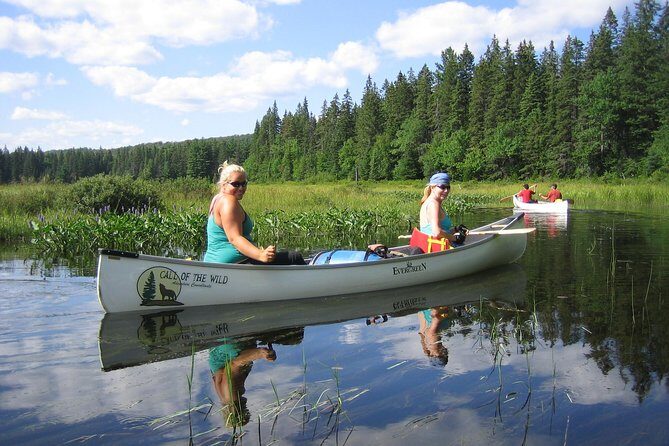
- Small-group cap (8 people max) keeps the instruction focused and the paddling more relaxed
- Kevlar canoes are light for portages, but you’ll need to handle them gently near rocks
- All meals + permits + park fees mean you can travel lighter and think less about logistics
- Wilderness camping setup: you’ll help carry camp gear in (including tents) and learn how to camp safely
- Dark-sky night: Milky Way viewing is part of the magic, and wildlife calls can happen when you’re quiet
- Day 3 pictographs stop adds meaning beyond just paddling
Why paddling Algonquin with a guide is better than guessing
Algonquin Park is one of those places where the outdoors feels big and real. Doing it by canoe turns the experience from sightseeing into participation. You’re not just looking at wilderness—you’re moving through it, camping in it, and sharing space with animals that do not care that you’re on vacation.
The big win here is the learning curve. On Day 1, you’ll practice the basics you actually need: steering, packing the canoe properly, and handling the rhythm of paddling plus portages. By Day 3, you’re not an expert, but you’re confident enough to know what you’re doing and why.
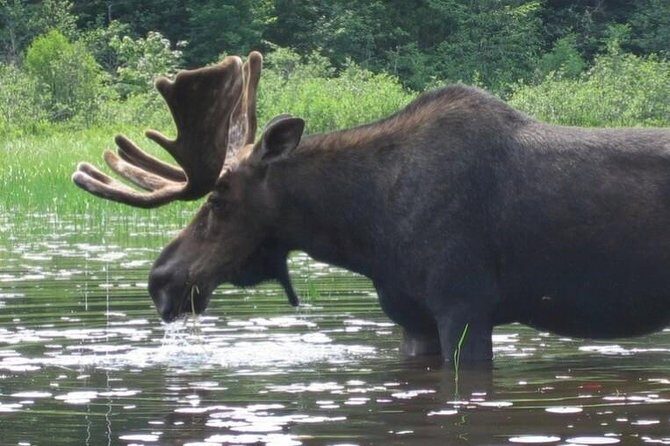
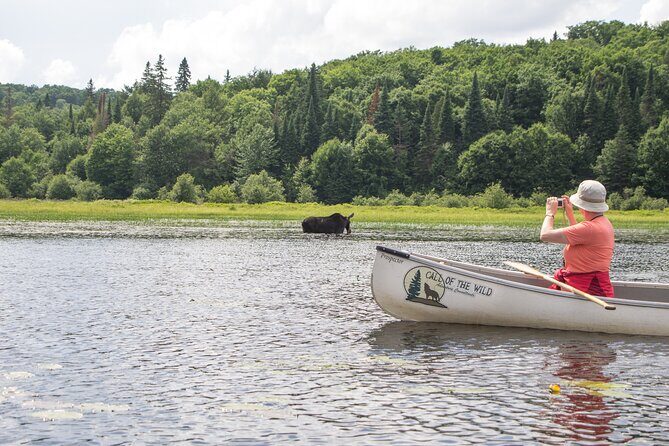
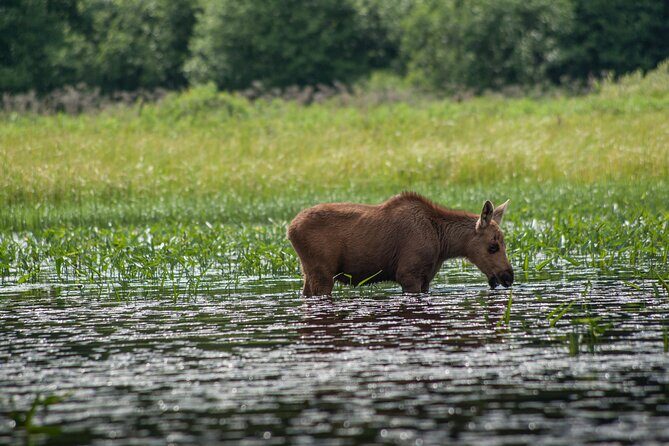
And yes, wildlife is a major draw. Algonquin has moose around, and the route is designed around the kinds of quiet shorelines where you might spot them grazing. You’re also likely to hear and see other signs of life if you keep your expectations grounded and your ears open.
The other thing I love is how the trip mixes practical outdoors skills with moments that feel like the movies—campfires, clear night skies, and the kind of stillness you only get in an interior camp.
A few more Ontario tours and experiences worth a look
Price and value: what $493.87 covers (and why it matters)
At $493.87 per person for about three days, the cost sounds steep until you break down what’s included. This is not just a canoe rental with a map. You’re getting:
- a professional guide
- national park fees
- meals (breakfast, lunch, dinner as per the plan)
- tents for the two nights
- the core canoe and camping setup (you bring personal items)
When you add up guide time, permits/park access, and food for multiple days, it starts to look like paying for peace of mind. You avoid the biggest beginner traps: underestimating what supplies cost, forgetting permits, packing wrong, or choosing a route that’s too hard too soon.
One tradeoff: you’ll still have to handle your own personal gear, and you might need to cover transportation from Toronto if you want it. But the heart of the trip—food, access, and equipment—stays covered.
If you’re trying to do wilderness camping on a tight schedule, this style of package is usually one of the most efficient ways to get there.
Getting to Madawaska and the 1:00 pm start rhythm
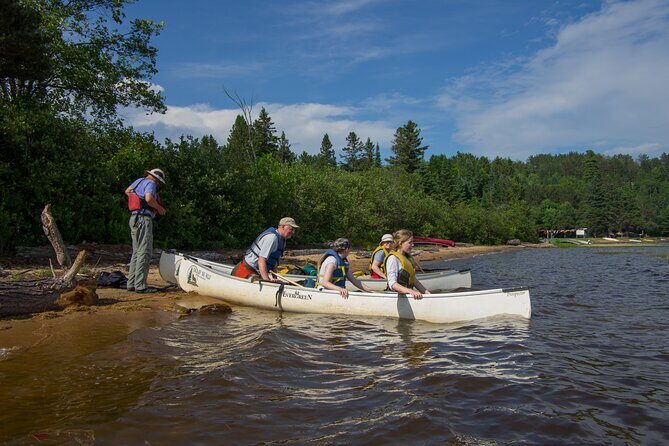
The trip begins in Madawaska, ON (K0J 0C3), and the start time is 1:00 pm. For many people, that’s a pleasant middle ground: you’re not waking up at the crack of dawn to start paddling, but you still get enough daylight to make Day 1 count.
You’ll also get a mobile ticket, and confirmation comes within 48 hours of booking (based on availability). That matters if you’re planning other parts of your Ontario trip and trying to avoid uncertainty.
One practical detail: parking permits are not included. So if you’re driving and need a permit, plan to pay that directly.
Small-group format also helps here. With a max of 8, you’re more likely to get personalized guidance during the first paddle and portage practice, rather than feeling like you’re just one face in a big line.
Day 1 on Pen Lake: skills, a 300 m portage, and real camp
Day 1 is all about becoming functional. Your guide teaches canoeing basics and how to move with confidence in real conditions. You’ll paddle into an interior lake in Algonquin Park, Pen Lake, in expedition weight kevlar canoes.
Kevlar canoes are lighter on portages and often faster in the water, but they’re also more fragile than heavier options. In plain terms: you’ll need to slow down near rocks and be careful where the canoe rides during landing and carrying.
The plan includes about a three-hour paddle plus a 300 m portage. That sounds manageable on paper, but it’s the right kind of effort for beginners. You’re building muscle memory without turning the day into a suffering contest.
Eventually you’ll reach your wilderness camp. Even though this trip provides tents, you should expect that you’ll bring and carry your camp setup from the water to where it goes on shore. Think of it as teamwork: you’re helping assemble the base that will keep you comfortable enough to enjoy the rest of the trip.
Once camp is set, you’re free to explore the lake by canoe. In this area, there are large rapids that were once used as log chutes, which gives the paddling some added context. You might also spot moose along the edge of the water, especially if you keep your movements quiet and watch patiently.
Dinner is cooked on site over a campfire, which is the kind of meal that tastes better because your day was earned. After dark, Algonquin’s sky can be clear enough that you might even spot the Milky Way’s rise, and you can sometimes catch distant sounds like wolves howling.
Day 2: choosing between moose time and more portages
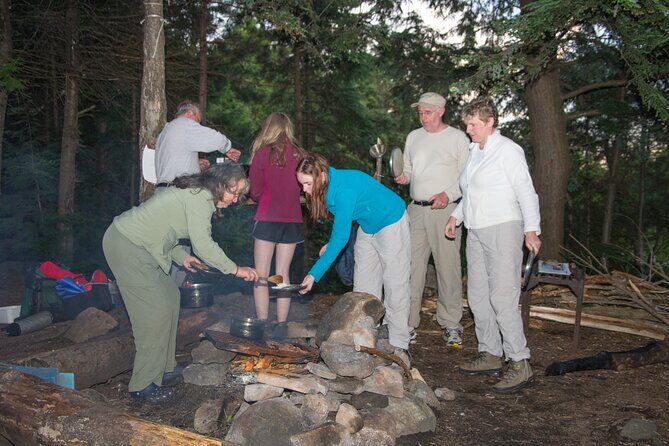
Day 2 is where the trip shifts from instruction to exploration. You’ll still be in the wilderness, and you can spend your day:
- exploring the lake where you camp, by canoe, looking for moose
- doing another portage and paddling a river section
- or going for a scenic detour to a prettier lake
One option described is moving toward the South Madawaska River. This includes a short portage and then paddling slow-moving water. Since you’ll need to get out and pull the canoes over beaver dams, you’ll want shoes or sandals you don’t mind getting wet. If you show up in boots you can’t rinse and dry easily, you’ll feel it.
Another option is a half-day style route: canoe partway down the lake, then do a couple of portages, finishing with a 1.7 km hike to Welcome Lake. Welcome Lake is known here for its sandy beach, which makes it a strong choice if you want a simple picnic vibe on a sunny day.
Here’s the honest consideration: this day gives you options, which is great, but it also means your energy planning matters. If you want wildlife spotting with minimal walking, go easy. If you want variety and you’re comfortable on your feet, the hike can be a great payoff.
Day 3 return: early mornings, shore drinking, and pictographs
Day 3 starts early with breakfast, then packing up camp and loading the canoes for the paddle home.
The early start has a payoff. Moose and deer sometimes come to the lake shore to drink in the morning. You don’t have to chase them; you just need to be up, quiet, and observant.
Along the way, you’ll stop at ancient pictographs painted by Indigenous people centuries ago. This is one of those moments where the canoe trip feels more than an activity—it connects your movement through the park to long-standing human presence.
When you finish, the activity ends back at the original meeting point in Madawaska. It’s a clean loop, which helps if you’re planning transport or the rest of your trip afterward.
What’s really included (and what you still need to bring)
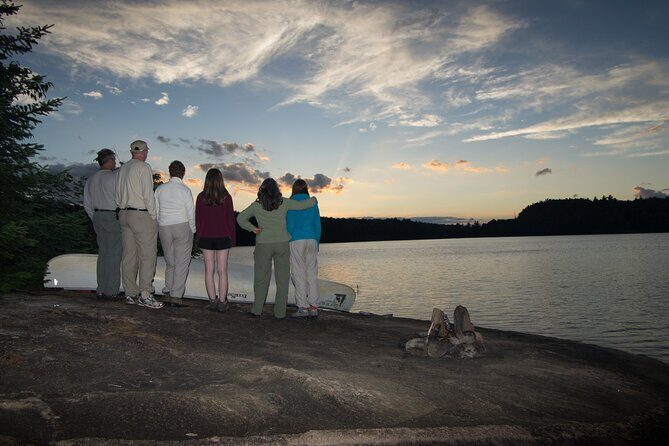
This trip is strong on the things that usually stress beginners out.
Included:
- 2 nights accommodation (tents)
- professional guide
- national park fees
- meals per the itinerary (breakfast, lunch, dinner)
The gear side is the key too. You’ll have all necessary equipment for canoeing and camping, with the clear exception of personal items like a sleeping bag and flashlight.
My practical tip: pack for “in and out of water” life. Even if you’re not doing anything extreme, your feet can get wet, and weather in Ontario can shift fast. Bring layers you can adjust, and have a plan for keeping key items dry.
Not included:
- parking permit
- personal items such as a sleeping bag and flashlight
Vegetarian option exists too. If you need it, you’ll have to advise it at booking using the special requirements field.
Small-group pace and the feel of the instruction (including guide Robin)
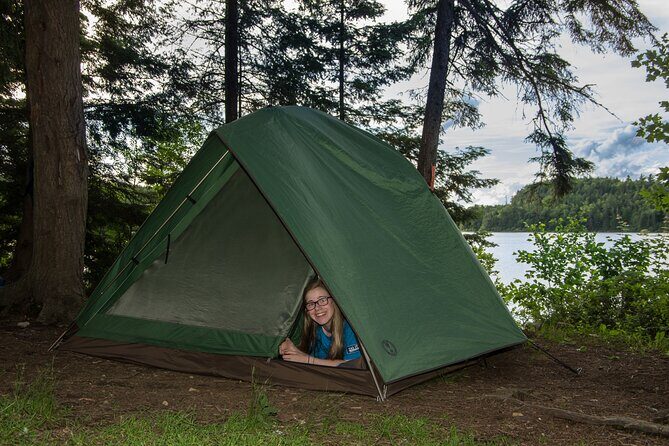
The group size is capped at 8 travelers, which really changes the feel of a canoe trip. You get time to ask questions. You can practice without feeling rushed. And you’re less likely to get stuck waiting while everyone sorts out basic steps.
In one example of how the instruction lands, the guide Robin was described as very laid back, guiding a mixed-skill group through the canoe basics in conditions that were slightly challenging for beginners. That’s exactly what you want: structure, but not panic.
Also, the trip is designed for people who are new to canoeing and camping. If that’s you, it’s reassuring that the learning happens on the water and at camp, not just in a quick safety briefing.
Family-friendly outdoors: age rules and who this suits best
This works best for families that want an authentic wilderness experience without having to figure out everything alone.
Key points from the trip details:
- Minimum age: 8
- Children must be accompanied by an adult
- The tour runs in all weather conditions, so dressing appropriately is part of the deal
- You should have a strong physical fitness level
That last line is important. This isn’t a lazy paddle where you sit back the whole time. You’ll be portaging, carrying gear, and hiking a bit if you choose the Welcome Lake option. If your idea of camping is a chair and a car nearby, you may feel stressed. If you’re excited to work as part of a small team in the outdoors, you’ll likely enjoy it.
Weather, kevlar canoes, and staying comfortable enough
This trip operates in all weather, which means your comfort depends on your clothing choices and your willingness to be outdoors no matter what the sky does.
Kevlar canoes add another layer. They are light, which helps when you carry them, but you’ll want to be careful around rocks. The guide will coach you on technique, but you still need to move thoughtfully during landings and portages.
For comfort, focus on dryness and layers:
- keep a dry layer for camp evenings
- plan for wet feet if you do the river beaver-dam section
- use your flashlight and other personal items even though the core trip gear is included
And remember: on a canoe trip, you can’t control everything. You can control your preparation. That’s where this trip’s success really starts.
Should you book this Algonquin Park canoe trip?
Book it if you want an introduction to wilderness camping with real structure, in a place that delivers big outdoor moments. It’s a strong fit if you’re:
- short on time but serious about going beyond a day hike
- new to canoeing and want hands-on instruction
- looking for wildlife time plus practical camp skills
- traveling with family and want a small-group setting
Think twice if you’re not ready for physical portaging, carrying camp gear, and weather shifts. Also, the kevlar canoes mean extra care during handling—this isn’t unsafe, but it is hands-on.
If you’re the type who enjoys simple meals by a campfire, learning outdoors skills, and being patient for wildlife, this trip is a very solid value for three days of true Algonquin Park wilderness.
FAQ
How long is the Algonquin Park canoe trip?
It runs for about 3 days.
Where does the trip start and where does it end?
It starts in Madawaska, ON (K0J 0C3, Canada) at 1:00 pm, and it ends back at the same meeting point.
What is included in the price?
You get 2 nights in tents, a professional guide, national park fees, and meals (breakfast, lunch, dinner) as per the itinerary. All necessary canoeing/camping equipment is included, except personal items like a sleeping bag and flashlight.
What is not included?
A parking permit is not included. Personal items like a sleeping bag and flashlight are also not included.
What’s the minimum age and are children allowed?
The minimum age is 8, and children must be accompanied by an adult.
What group size is this?
The tour has a maximum of 8 travelers.
Does it run in bad weather?
Yes. It operates in all weather conditions, so you’ll need to dress appropriately.
Is there a vegetarian option?
Yes. A vegetarian option is available if you advise it at booking using the special requirements field.
What’s the cancellation timeframe for a full refund?
You can cancel up to 6 days in advance for a full refund. Cancellation changes within 2–6 days may qualify for a 50% refund, and less than 2 days before start time is not refunded.