REVIEW · WHISTLER
Whistler Helicopter Tour
Book on Viator →Operated by Blackcomb Helicopters · Bookable on Viator
Fifteen minutes, and you’re above it all. This Whistler Helicopter Tour with Blackcomb Helicopters feels special because you get big-picture flying time fast, with Whistler Valley lakes and glacier country on the same ride, roughly 15 minutes. I like the small-group setup and the sharp photo angles that come from hovering over mountain views, but the tradeoff is simple: you need good weather to see the best scenery.
I also appreciate the practical touches. You start at 9:00 am at 9960 Heliport Rd, and it’s offered in English with a mobile ticket, so you can keep things straightforward. With a maximum of 5 travelers, the vibe tends to feel more focused than a cattle-call, and that matters when you’re trying to time photos between passes.
In This Review
- Key highlights you will care about
- Price and value: is $165.37 for 15 minutes fair?
- Where you’ll start: 9960 Heliport Rd and what to expect
- Inside the helicopter: small-group attention and real photo chances
- Stop 1: Whistler Valley lakes from a birds-eye perspective
- Stop 2: Whistler Blackcomb flyover in winter and summer
- Stop 3: the Spearhead and Fitzsimmons Range peaks and glaciers
- Weather matters more than you think: smoke, clouds, and the go/no-go call
- Timing and the flow of a 15-minute flight
- What to wear and pack for a short helicopter ride
- Who this tour suits best (and who might reconsider)
- A balanced take: what you’ll love and what to watch for
- Should you book the Whistler Helicopter Tour?
- FAQ
- How long is the Whistler Helicopter Tour?
- What is the price per person?
- Where does the tour start?
- What time does the tour depart?
- What views will I see during the flight?
- How many people are in the group?
- Is the tour offered in English?
- Is there a weather requirement?
Key highlights you will care about
- Small-group flight (max 5): easier communication and more room to get the shots you want
- Short but packed: Whistler Valley, Whistler Blackcomb, then deeper mountain ranges in one loop
- Photo-friendly viewpoint changes: flying from above, with passes that let you track lakes and ski runs
- Seasonal resort perspective: winter for skiers and snowboarders, summer for mountain biking and grazing bears
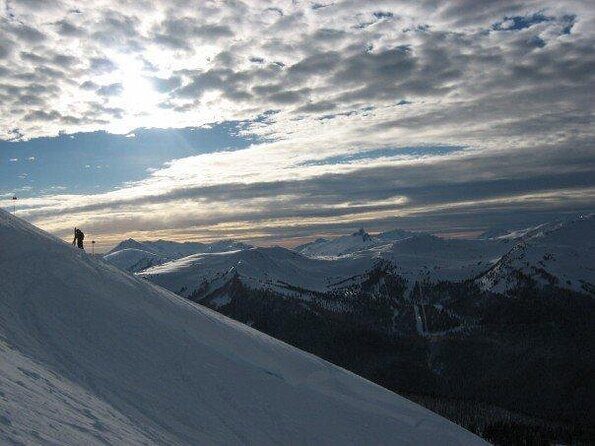
- Glaciers in the Spearhead and Fitzsimmons Range: a rare view you can’t get from the road
Price and value: is $165.37 for 15 minutes fair?
Helicopter rides always cost more than typical tours. The reason this one can still feel like good value is that you are paying for access—not time in a vehicle. At about 15 minutes, you are not stuck on a long excursion just to reach the viewpoints; the flight itself is the product, and it hits the big targets quickly.
The other value lever is the small-group limit. When the cabin has room for only up to 5 travelers, you usually get less chaos and better coordination. That matters when you’re trying to photograph fast-changing scenery, or when you want your pilot to be clear about what’s coming next.
It also helps that the price includes GST. In a place like Whistler, that small detail avoids surprises at checkout and makes it easier to plan your day without extra math.
One more practical point: this tour is often booked ahead, with an average lead time of about 47 days. If you’re traveling in peak season, don’t assume you can decide last minute and still get a clean slot.
A few more Whistler tours and experiences worth a look
Where you’ll start: 9960 Heliport Rd and what to expect
Your meeting point is 9960 Heliport Rd in Whistler. The activity ends back at the same location, so you are not dealing with a half-day of transportation headaches after you land.
You may also have several pickup locations available, which is a nice convenience if you’re staying outside the immediate heliport area. The key is to treat it as a timed start: you’re scheduled for a 9:00 am departure, so build in buffer time for parking and getting everyone ready.
The tour also uses a mobile ticket, which is handy. You won’t be hunting for paper confirmations at check-in.
Inside the helicopter: small-group attention and real photo chances
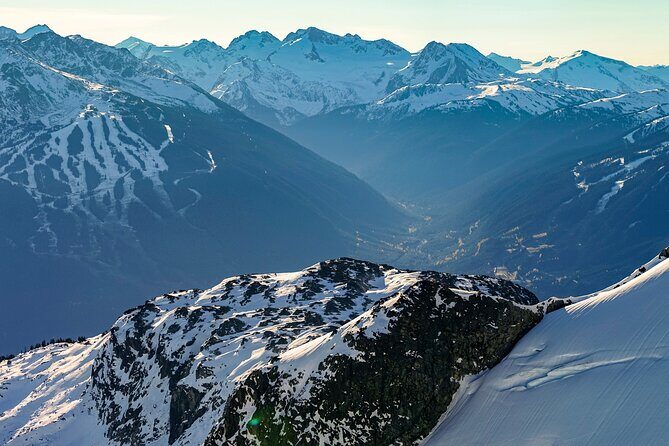
A big reason this ride earns strong marks is how the flight is paced for people who want to look and shoot. With only a handful of passengers, you tend to get more direct attention and less bottlenecking at every turn.
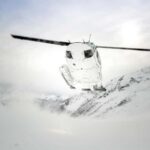
In particular, pilots seem to do a great job setting up views—there’s mention of hovering over mountains, lakes, and even Whistler Village. That hovering moment is more than cool video fodder. It’s what gives you time to frame a photo while the aircraft is stable, instead of racing the scenery.
One review specifically thanks pilot Andrew, and that fits the pattern: the pilot’s experience shows up in smooth handling and clear guiding during key passes. If you’re the kind of traveler who likes to know what you’re looking at (not just where to aim your camera), you’ll likely enjoy that guidance.
Cold shows up as a real factor too. Even on a short flight, the air can feel sharp. If your goal is photos, cold hands make camera fiddling harder—so dress for wind and temperature, not just the warmth you feel before you get into the aircraft.
Stop 1: Whistler Valley lakes from a birds-eye perspective
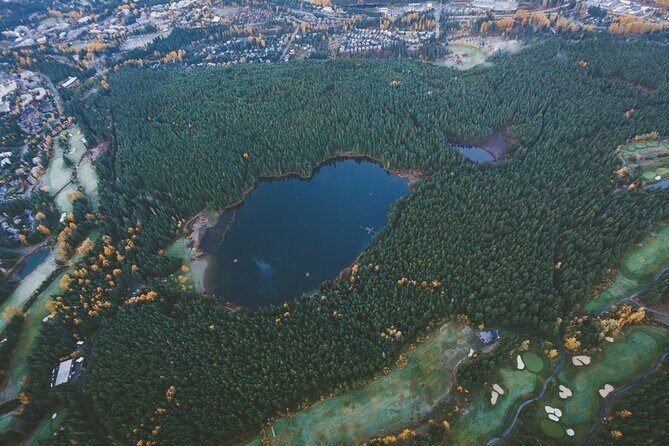
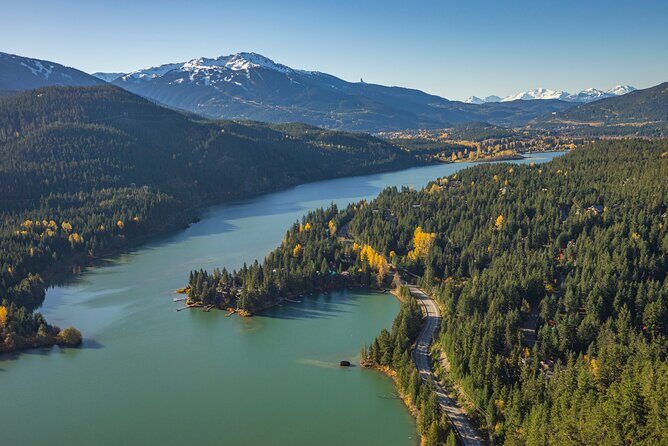
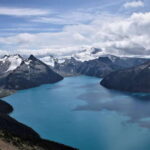
The first big viewing zone is the Whistler Valley. From above, you get a clean birds-eye view of the valley layout—lakes, mountain shapes, and the way Whistler is carved into the terrain.
This stop is valuable because it gives you orientation fast. Standing on the ground, the valley can feel like one big blur. From the air, you can actually connect what you’ve seen on roads and trails to the bigger pattern of water and ridges.
For photographers, the lake passes can be your best “instant wow” moments. Reflections and shoreline curves often look more dramatic from above, and the contrast between dark forests and lighter water helps you get images that don’t look flat.
A simple consideration: in early morning light, you may find some glare depending on cloud cover and sun angle. If you’re very sensitive to glare, you’ll want to be ready to adjust your camera settings quickly during stable hover points.
Stop 2: Whistler Blackcomb flyover in winter and summer
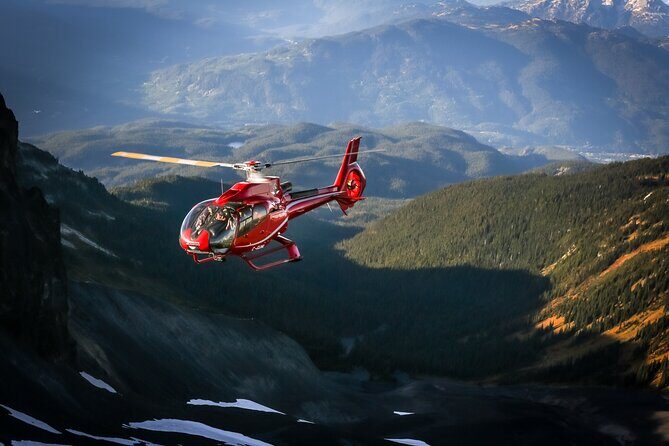
Next, you fly over Whistler Blackcomb Ski Resort. The interesting part here is that the scenery changes your entire experience depending on season.
In winter, you can watch skiers and snowboarders moving down the runs. From the air, the slopes look like flowing stripes, and the action gives the resort a sense of scale.
In summer, the focus shifts to mountain biking on Whistler’s trails and the look of now-grassy ski runs on Blackcomb. The standout detail here is the chance to spot bears grazing on those grassy areas. That’s one of those moments that only comes from a bird’s-eye view—on the ground, you’d never see the whole pattern at once.
The practical takeaway: if seeing active, living resort scenery matters to you more than glacier drama, this stop delivers. If you’re more into dramatic peaks and ice, stick your attention to what comes after, because that’s where the ride leans most “wow.”
Also, keep expectations realistic for wildlife. The tour indicates you may catch a glimpse, not guaranteed sightings. Still, the fact that bears are even on the radar is a sign that the flight path is designed to show you what’s happening beyond the ski-town look.

Stop 3: the Spearhead and Fitzsimmons Range peaks and glaciers
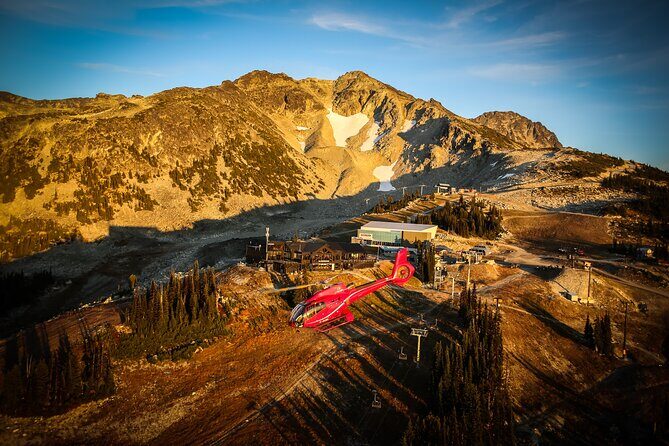
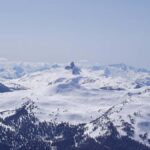
After the resort, you go deeper into the mountains behind Whistler Blackcomb. This is where the tour earns its glacier-focused reputation: you see the peaks and glaciers of the Spearhead and Fitzsimmons Range.
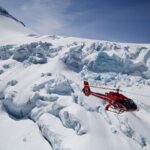
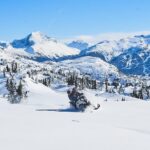
If you’ve only ever seen glaciers from far viewpoints, a helicopter perspective changes everything. The scale becomes obvious—the way ice fields sit in the creases of mountains, and how the ridgelines frame the glacier surfaces. It’s the kind of view that feels like a different world, even though you’re still close to Whistler.
This stop is also why good weather matters so much. Cloud cover can hide the very features you came for: glacier edges, crevasse textures, and the clean outline of peaks. If visibility is reduced, the flight can still be scenic, but the most dramatic “glacier read” may be muted.
There’s also a real-world planning note from past experiences. When smoke affected conditions, the operator contacted people the day before to discuss whether they wanted to cancel and what they might still see. That kind of decision support matters because smoke can flatten color and reduce contrast, making mountains and ice look less crisp.
Weather matters more than you think: smoke, clouds, and the go/no-go call
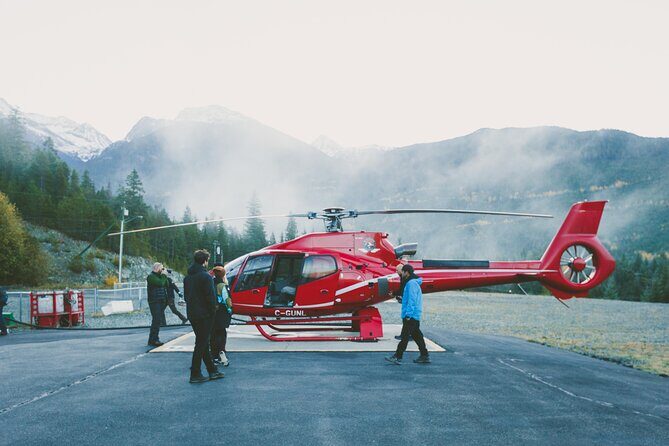
This is a good-weather-dependent activity. That’s not a small footnote—it’s the difference between seeing crisp mountain detail and seeing more washed-out shapes from the air.
If poor weather cancels your flight, you’ll be offered another date or a full refund. That flexibility is important because helicopter tours are affected quickly by sky conditions, and you should treat your timing as part of the experience.
If you are traveling during periods where visibility can change (fog, storm windows, smoke), I recommend keeping your day flexible around that morning slot. Even when the tour does run, conditions can alter how clear the glacier and peaks look.
Confirmation is typically sent within about 48 hours of booking, based on availability. So if you’re waiting for a final yes, plan your schedule with that in mind rather than assuming everything is locked instantly.
Timing and the flow of a 15-minute flight
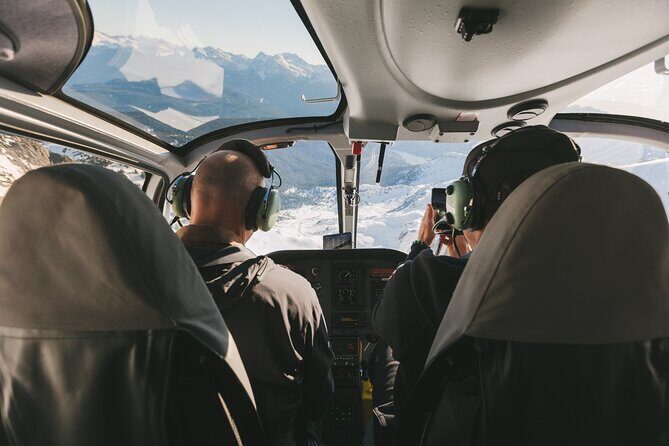
Because the total time is about 15 minutes, the ride is efficient. There’s no long preface once you’re in the aircraft; you’re essentially getting a guided aerial sweep with a few well-chosen “look here” moments.
That fast pace is exactly why some people love it. You’re not committing half a day, and you still get a major view upgrade over ground-based sightseeing.
The downside is equally straightforward: you do not have time for a slow, linger-and-stare style experience. If you freeze every time you see something surprising, the pilot will keep moving. The best mindset is to decide what you want most—valley lakes, the Blackcomb resort view, or the Spearhead and Fitzsimmons glaciers—and then work with the flight’s rhythm.
What to wear and pack for a short helicopter ride
You’re in the air over mountains, and it can feel colder than you expect, even on a short flight. Bring warm layers, and think windproof. A hat and gloves can make a surprising difference if you’re holding a camera the whole time.
For photos, use a strap so you’re not juggling gear with one hand. If you’re bringing a phone, make sure you can quickly access the camera app when you see the pilot setting up a view.
Closed-toe shoes are a smart default for getting in and out smoothly. Beyond that, the biggest “packing” need is comfort: you’ll enjoy the experience more if you’re not busy trying to warm up the whole time.
Who this tour suits best (and who might reconsider)
This experience is a strong fit if you want a dramatic view without a long day. A 15-minute helicopter ride is ideal for:
- people short on time in Whistler
- visitors who want glacier views but don’t want a full expedition
- photographers who like clear, timed viewing passes
- families who want a fast, exciting adventure (one recent experience notes that kids loved the ride)
It’s also good for travelers who value a focused small-group format. When there are only up to 5 passengers, the cabin feels calmer, and the pilot’s guidance is easier to understand.
There is also a weight consideration: the total weight per passenger is limited to 350 lbs. If you’re near that limit, it’s smart to plan carefully and confirm you meet the requirement before you go.
Service animals are allowed, and most travelers can participate. Still, if you know you struggle with moving through narrow spaces or handling cold conditions, consider how you’ll feel getting settled and staying comfortable for the duration.
A balanced take: what you’ll love and what to watch for
What you’ll likely love:
- The sheer jump in perspective from the ground to above the mountains
- The way the route connects valley, ski resort, and glacier peaks in one clean sweep
- The small group feel, which supports better viewing and smoother guidance
What to watch:
- Weather and visibility are the biggest swing factors. Good days look sharp and dramatic; dull days can soften the glacier detail.
- The flight is short. If you’re hoping for a long, slow scenic cruise, this isn’t that kind of tour.
- Winter/summer viewing depends on season. You can’t choose bears vs skiers once you’re there, so go with the seasonal option you’ll get.
Should you book the Whistler Helicopter Tour?
I’d book it if your priority is a fast, high-impact Whistler aerial experience—especially if seeing the Spearhead and Fitzsimmons glaciers is on your list. The small-group limit and the practical, photo-friendly viewing passes make the price feel more justified than a longer ride where you spend more time just commuting to viewpoints.
Skip it (or at least pause and think) if you are traveling with zero flexibility around weather. This is good-weather dependent, and visibility changes can affect how crisp the glaciers and peaks look. Also, if you want a long journey rather than a quick hit, remember the whole thing is about 15 minutes.
If you can handle a tight time window and you want the kind of view you can’t recreate from the road, this is one of the most direct ways to get it.
FAQ
How long is the Whistler Helicopter Tour?
It runs for about 15 minutes.
What is the price per person?
The price is $165.37 per person.
Where does the tour start?
The meeting point is 9960 Heliport Rd, Whistler, BC V0N 1B0, Canada. The tour ends back at the same meeting point.
What time does the tour depart?
The start time listed is 9:00 am.
What views will I see during the flight?
You’ll get birds-eye views of the Whistler Valley lakes and surrounding mountains, a flyover of Whistler Blackcomb Ski Resort, and views of the Spearhead and Fitzsimmons Range peaks and glaciers.
How many people are in the group?
The tour has a maximum of 5 travelers.
Is the tour offered in English?
Yes, it is offered in English.
Is there a weather requirement?
Yes. The experience requires good weather, and if it’s canceled due to poor weather you’ll be offered a different date or a full refund.