REVIEW · VICTORIA BRITISH COLUMBIA
Victoria, BC: Sunset Whale Watching Tour
Book on GetYourGuide →Operated by Five Star Charters Ltd (Five Star Whale Watching) · Bookable on GetYourGuide
A calm sunset on the water is hard to beat. I love how this tour starts from Victoria’s Inner Harbour and heads out into the Salish Sea when the light turns softer and the animals often feel more active. It’s also the kind of outing that tends to feel less crowded than busier daytime runs, so you can actually take in the scenery without constant traffic in your peripheral vision.
What I like most is the mix of wildlife plus context. You get a live talk from the Marine Naturalists, and the hot beverages and provided jackets help you stay comfortable while you scan the water for movement. The one real consideration: sea conditions can change, and when the water gets rough, it can make the experience less fun than the photos promise.
In This Review
- Key things to know before you go
- Sunset on the Salish Sea: why this timing works
- From 645 Humboldt St to the water: what the start feels like
- The Marine Naturalists talk: the part that makes you a better spotter
- What whales you’re really hunting for (and what you should watch for)
- Wildlife beyond whales: seals, sea lions, otters, and birds
- Sunset views and why the weather matters more than you think
- What you get for $130: where the value is
- Comfort and limits: who this boat trip fits well
- Should you book Five Star Charters’ sunset whale watch?
- FAQ
- FAQ
- How long is the Victoria sunset whale watching tour?
- Where is the meeting point?
- What is included in the price?
- Are snacks or bottled water included?
- What marine animals does the tour search for?
- What language is the guide?
- Are there restrictions on alcohol or smoking?
- Do I need ID, and what kind?
- Is the tour suitable for very young children?
- What should I know about sea conditions?
- Can I cancel for a refund?
- Do I have to pay right away?
Key things to know before you go
- Sunset timing: softer light and a calmer feel on the water.
- Marine Naturalists talk: you’re not just looking; you’re learning what to look for.
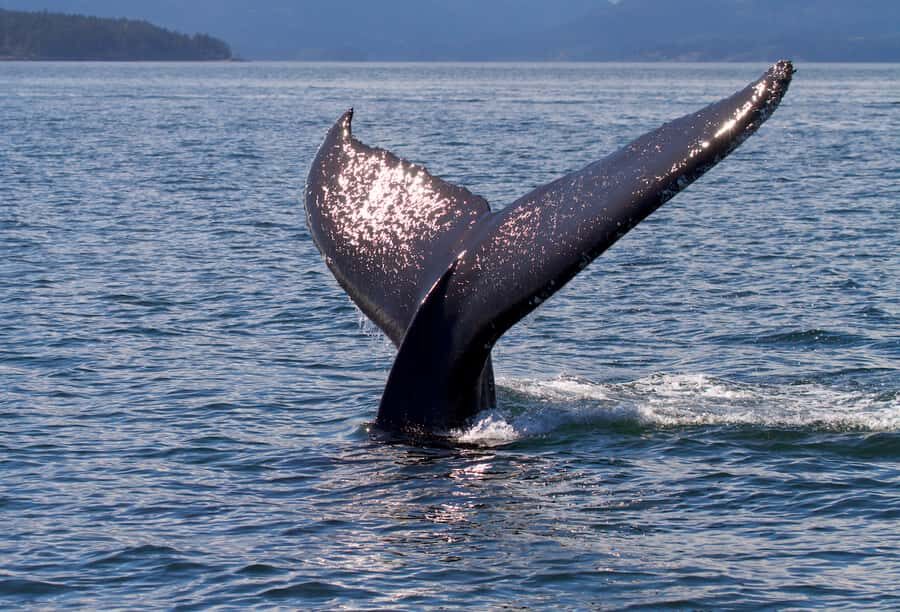
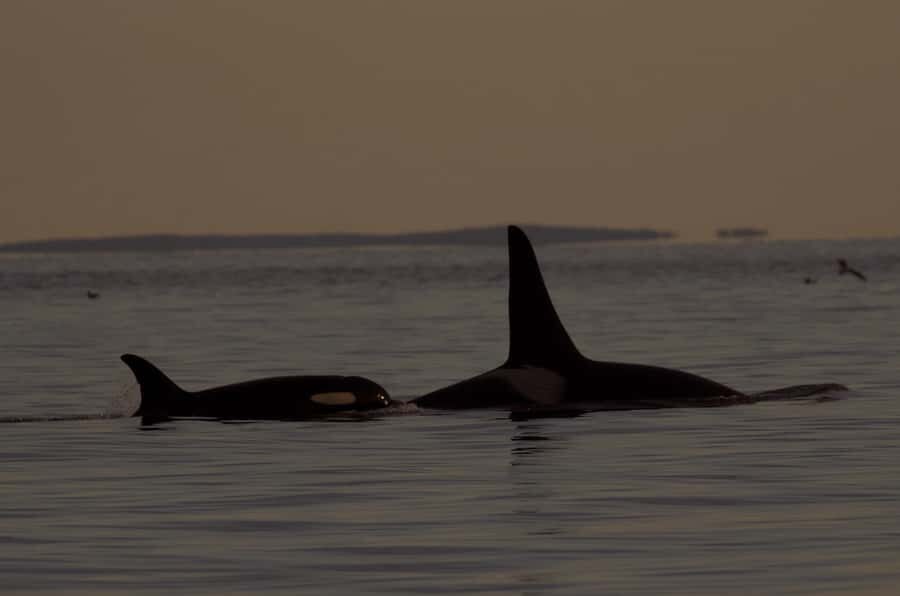
- Target species list: orcas, humpbacks, minke whales, and gray whales.
- Wildlife beyond whales: seals, sea lions, otters, porpoises, plus marine birds.
- Provided comfort: hot beverages and jackets, but plan for no bottled water or snacks.
Sunset on the Salish Sea: why this timing works
Even if you’ve seen whales on a daytime tour, sunset is a different show. The light changes fast in Victoria, and by the time you’re out on the water, you’re getting those wide, panoramic views that feel more cinematic than tour-boardwalk viewing. Plus, the water often feels more relaxed in the early evening compared with the midday rush, which helps the whole mood.
This tour also has a practical advantage: the experience is designed for a smoother feel than larger, high-demand daytime departures. That matters because whale watching is as much about patience as it is about sightings. When you’re not packed in elbow-to-elbow, you can scan longer and react faster when you spot a spout or a dorsal fin.
The tour’s goal is simple: get you out into the Salish Sea and keep you there for long enough to increase your chances—then do it while the day turns into night. That’s why the 3-hour length works. You’re not squeezed into a quick sprint, and you’re not stuck so long that the cold and fatigue start taking over.
You can also read our reviews of more evening experiences in Victoria British Columbia
From 645 Humboldt St to the water: what the start feels like
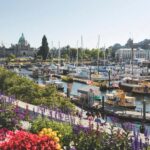
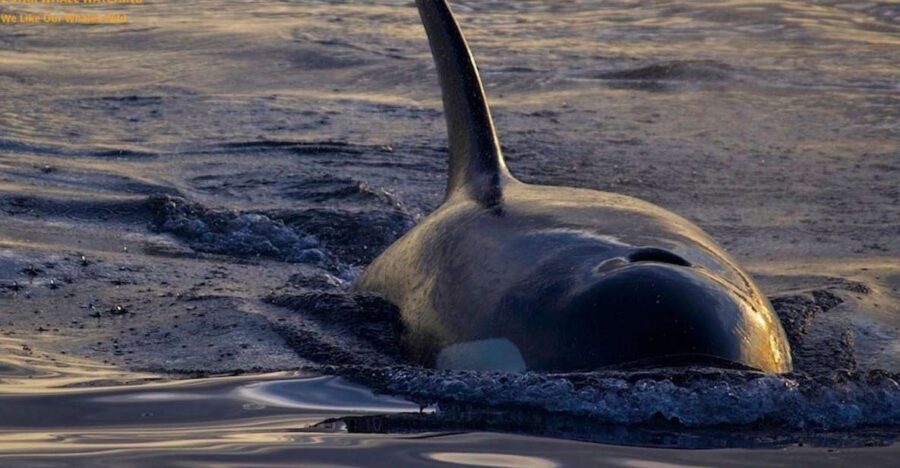
You meet at 645 Humboldt Street in Victoria. The location is in the city’s inner-harbour area, so you’re not dealing with long transfers before you even see the boats and the waterfront energy. You’re also getting the start you want for a sunset outing: getting on the water in the evening rather than losing time to pre-dusk logistics.
Once you depart, your guide’s job is to help you notice what’s actually happening out there. Whale watching isn’t just staring; it’s understanding where to look and what behaviors mean. The tour is guided throughout, and it’s designed around searching the Salish Sea for marine mammals.
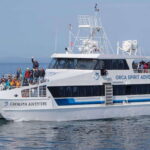
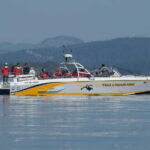
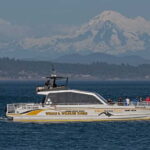
One thing I consider a plus here is that the boat experience tends to feel “human-sized.” In past bookings, people describe it as around 40 people per trip, spread across different decks. That’s not empty, but it’s the difference between feeling trapped and having space to move, lean, and look out comfortably when something turns up.
The Marine Naturalists talk: the part that makes you a better spotter
On a good whale watch, the best moments are the ones you can interpret. That’s where the Marine Naturalists talk comes in. You’ll get an educational presentation designed to help you understand the environment, including the bigger context of the Salish Sea and how it supports marine life.
This matters because the ocean doesn’t come with a scoreboard. A tail slap, a spout, or a sudden line of activity all mean different things depending on the species. When you have a guide explaining what those clues usually look like, your attention gets sharper. You stop waiting for the obvious and start catching the early signs that whales are near.
You also learn about the setting itself: what makes the Salish Sea a place whales and other animals use for feeding. Even if sightings are unpredictable, you can still get real value from the talk. It turns your scan into something like a guided nature lesson—minus the classroom chairs.
What whales you’re really hunting for (and what you should watch for)
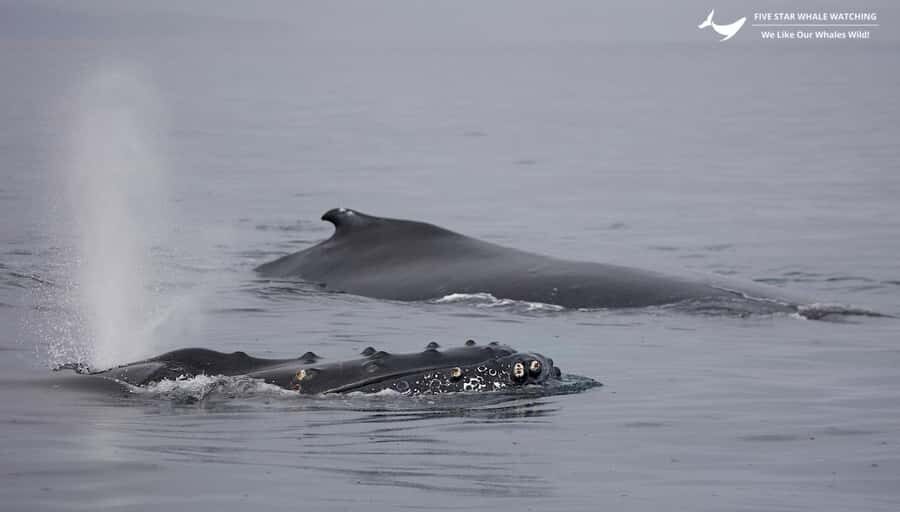
The tour’s main targets are orcas, humpback whales, minke whales, and gray whales. That’s a strong mix, because different species can show up with different behaviors and timing. The operator doesn’t promise a specific sighting every time—because the ocean doesn’t follow schedules—but they do build the tour around searching for those whales that visit the Salish Sea to feed.
When you’re scanning at sunset, look for the behaviors your guide is pointing out during the talk. For whales, the most important “start” signal is usually surface movement: a spout, a blow, or the pattern of surfacing that suggests larger animals are moving together or feeding close to the surface.
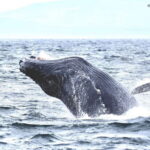
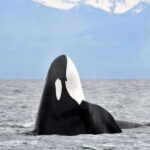
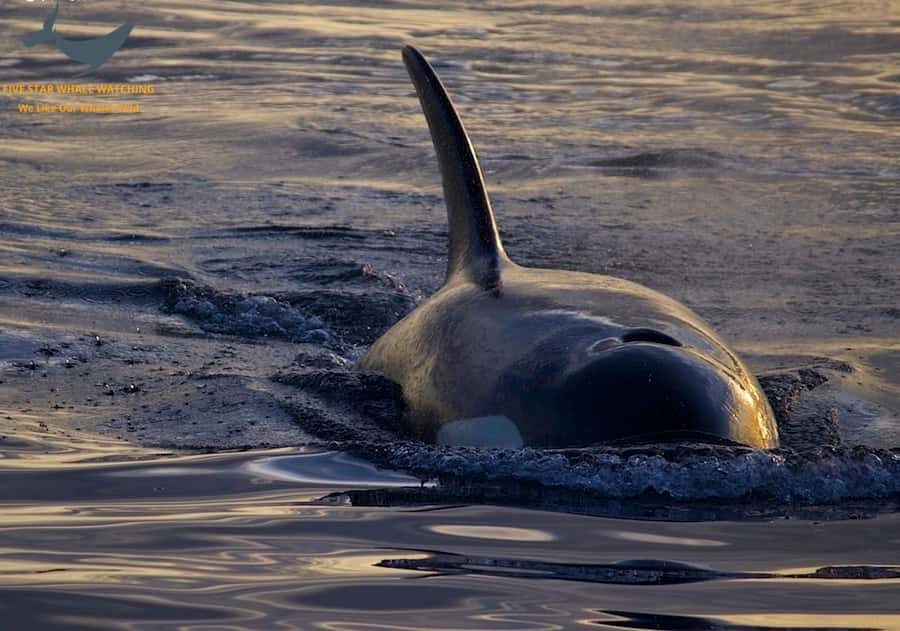
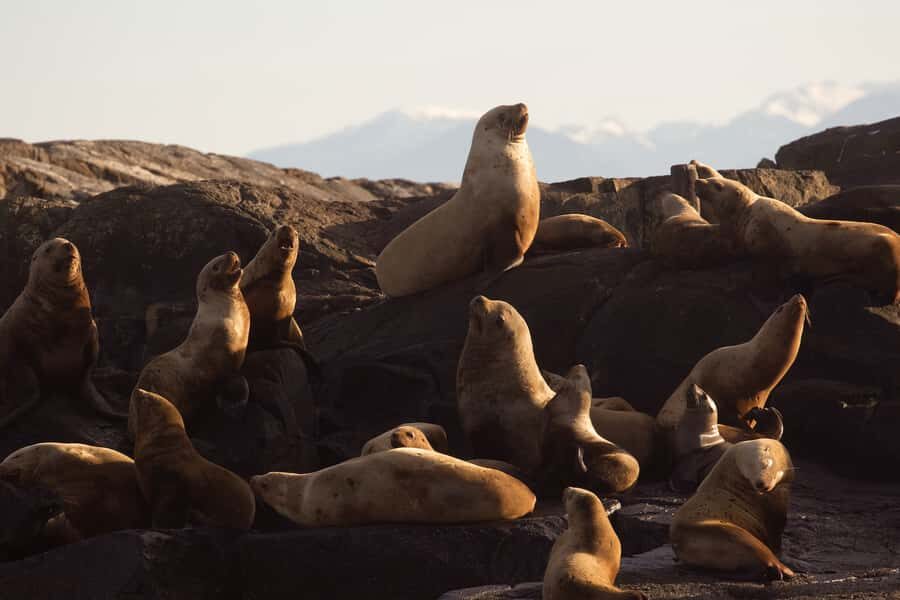
Orcas can be especially exciting if conditions are right, because they tend to produce noticeable activity once you’re in the right area. Humpbacks may be seen with more dramatic surface moments when they’re active. Minke and gray whales can be trickier visually, so your best tool is steady scanning paired with the guide’s cues.
Practical advice: give your eyes time. A whale may be visible for a short window, then disappear into open water fast. If you keep switching spots every few minutes, you can miss the moment the animal actually shows up.
Wildlife beyond whales: seals, sea lions, otters, and birds
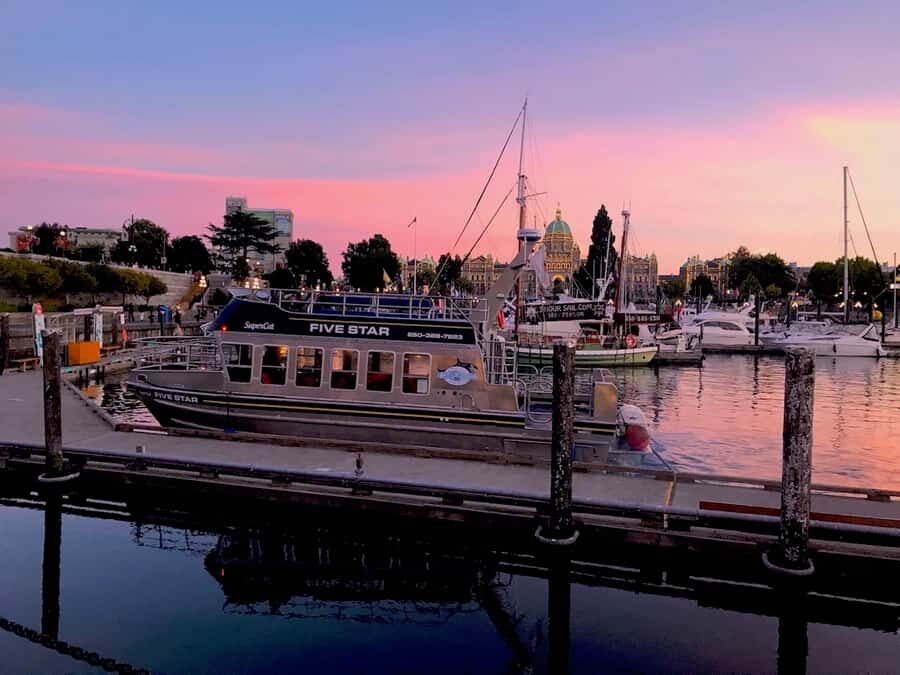
One reason I’d consider this tour even if you’re not obsessed with whales is the broader wildlife checklist. You’re also on the lookout for seals, sea lions, porpoises, and otters, plus an array of marine birds.
These animals help make the tour feel full even when whales are taking their time. Sea birds can sometimes act like a clue that something is happening below or nearby. Otters and seals can also show up with quick, eye-catching movement that breaks the monotony of staring at a flat ocean.
Porpoises are small compared to the headline whales, so you’ll want to keep your scanning wide and your attention responsive. If you spot smaller activity first, don’t assume it’s the whole story—there can be bigger marine life in the same waters.
And yes, it’s still worth watching the water for long stretches. On wildlife tours, the “quiet minutes” are part of the deal. When you do get a sighting, it often feels extra satisfying because you’ve been paying attention.
You can also read our reviews of more whale watching tours in Victoria British Columbia
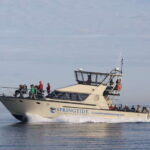
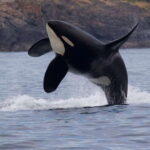
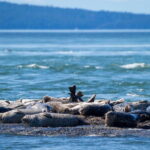
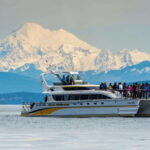
Sunset views and why the weather matters more than you think
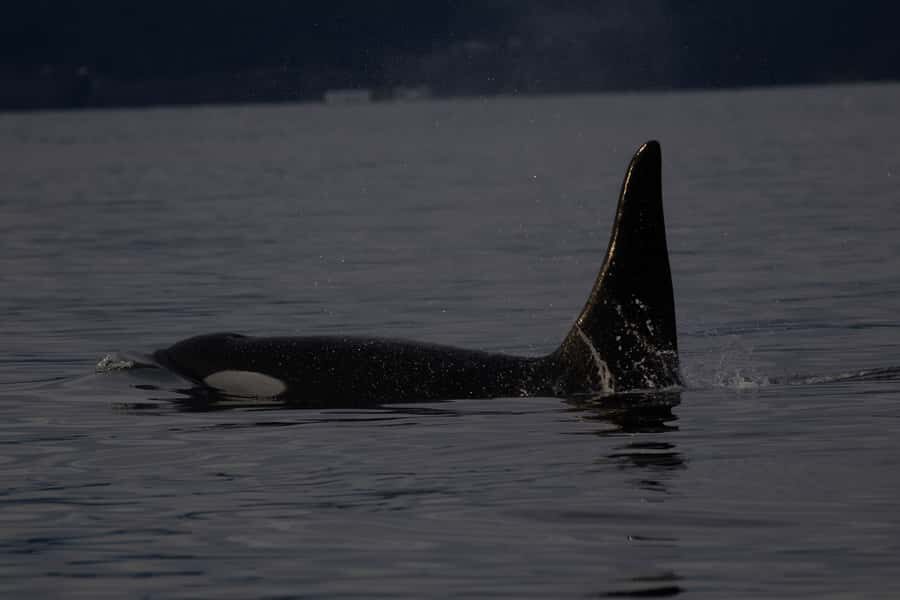
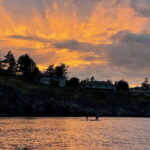
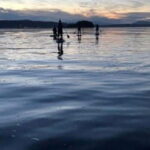
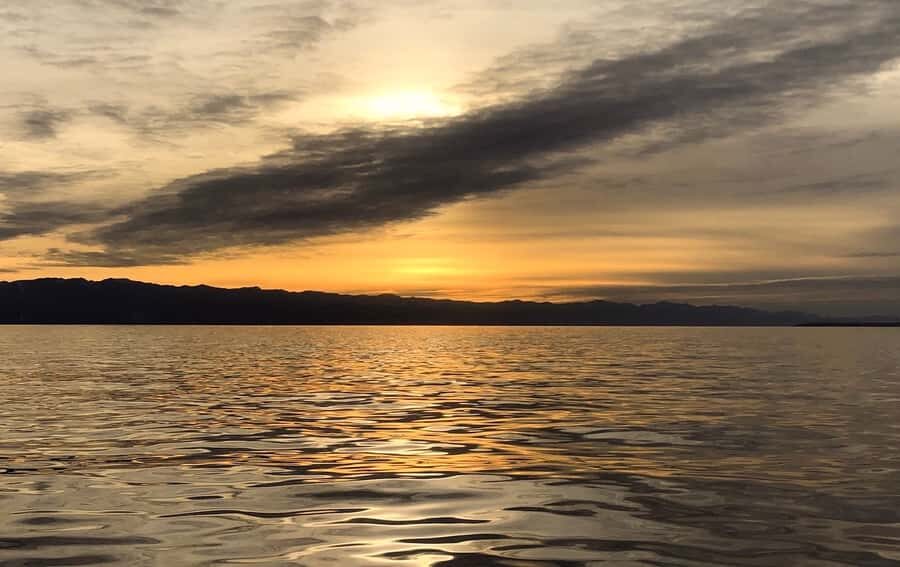
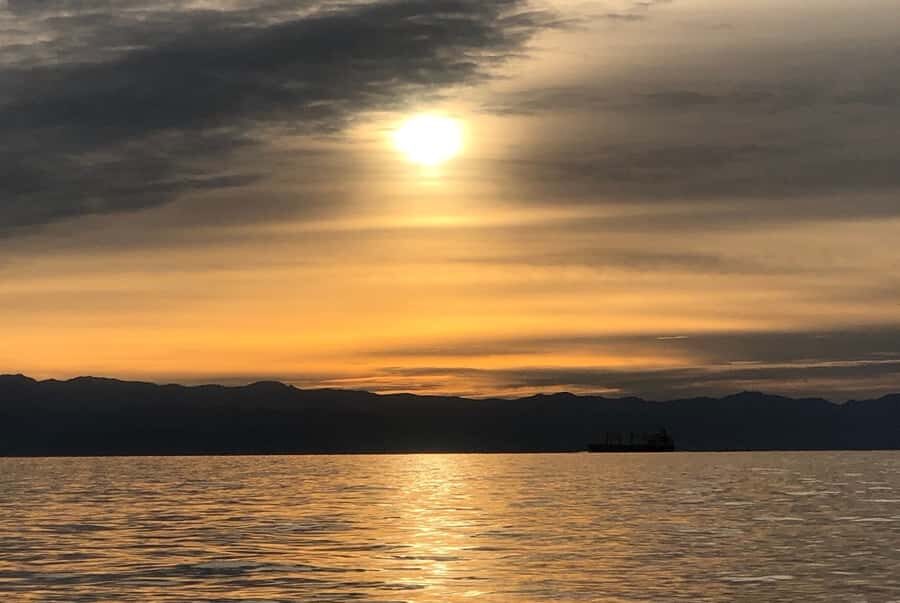
The tour is built around sunset, but the ocean is the boss. If the weather cooperates, you’ll enjoy stunning sunset views out over the water. That’s the payoff you came for: the light, the water tone, and that feeling of being in the right place at the right time.
The catch is that sea conditions can change. If the water gets rough, it can affect comfort and how easily you can keep your footing while looking outward. Even if you’re not prone to motion sickness, changing waves can make a 3-hour boat ride feel longer than expected.
So my rule for tours like this: plan for the possibility that you’ll have a less-than-perfect ride. Bring the mindset that wildlife isn’t guaranteed, but the experience is still real—especially when you’re focused on the guide’s talk and the full range of marine life you might encounter.
What you get for $130: where the value is
At $130 per person for a 3-hour guided tour, you’re paying for several things at once: boat time in the Salish Sea, the searching effort from a dedicated crew, and the live explanation from the Marine Naturalists. This isn’t just a sightseeing cruise; it’s a wildlife-focused experience with a plan.
You also get practical comfort included:
- hot beverages
- use of jackets
That combo is a value add. When you’re out on the water in the evening, warmth stops being optional. Provided jackets help you travel lighter, and hot drinks make the whole experience feel more manageable.
What’s not included is just as important. There are no snacks and no bottled water. If you want something to nibble on during the ride, plan to bring it (within whatever rules the operator sets for your specific departure, since the only explicit info here is what’s not included). Also consider that hot beverages aren’t the same as staying hydrated—water is your job.
Comfort and limits: who this boat trip fits well
This tour isn’t listed as suitable for everyone. It’s not suitable for people with back problems, mobility impairments, wheelchair users, or children under 2 years.
Even beyond that, it’s worth taking sea conditions seriously. Rougher water can change how comfortable you are standing, leaning to look, or moving around. If you know you’re sensitive to motion, this is the kind of tour where you should think carefully before booking.
On the positive side, the provided jackets and hot beverages help most people stay more comfortable than they would on a cold, exposed deck without support. And because the boat experience is described as relatively human-sized with multiple decks, you’re more likely to find a viewing spot that works for you once you’re settled.
Should you book Five Star Charters’ sunset whale watch?
If your goal is a 3-hour evening outing from Victoria with real wildlife potential, this is a solid choice. The value is strongest when you care about more than just seeing whales—you want the naturalist-led education, the chance at orcas and humpbacks, and the likelihood of other marine animals making the time feel worthwhile.
I’d especially lean yes if:
- you like sunset light and want those panoramic views
- you enjoy learning how to spot wildlife, not just hoping for the best
- you’re okay with the reality that sea and weather conditions can vary
I’d lean careful or skip if:
- your body struggles on boats or with shifting sea conditions
- you need wheelchair access or have mobility constraints that could be hard on a vessel
- you’re traveling with a child under 2
FAQ
FAQ
How long is the Victoria sunset whale watching tour?
It runs for 3 hours.
Where is the meeting point?
You meet at 645 Humboldt Street, Victoria, British Columbia, Canada V8W 1A6.
What is included in the price?
The tour includes a 3-hour whale and marine wildlife tour at sunset, hot beverages, and use of jackets.
Are snacks or bottled water included?
No. Snacks and bottled water are not included.
What marine animals does the tour search for?
The tour looks for orcas, humpback whales, minke whales, and gray whales. You may also see seals, sea lions, porpoises, otters, and marine birds.
What language is the guide?
The live tour guide is in English.
Are there restrictions on alcohol or smoking?
Yes. Smoking is not allowed, and alcohol and drugs are not allowed.
Do I need ID, and what kind?
An ID card is required. A copy is accepted.
Is the tour suitable for very young children?
No. It’s not suitable for children under 2 years.
What should I know about sea conditions?
Sea conditions can change and become rough on the water, which can affect comfort during the tour.
Can I cancel for a refund?
Yes. You can cancel up to 24 hours in advance for a full refund.
Do I have to pay right away?
No. You can reserve now and pay later.