REVIEW · VICTORIA BRITISH COLUMBIA
Victoria: Guided Wildlife-Watching Tour by Catamaran
Book on GetYourGuide →Operated by Eagle Wing Whale and Wildlife Tours · Bookable on GetYourGuide
Whales might be closer than you think. This catamaran wildlife tour from British Columbia’s Fisherman’s Wharf turns a simple boat ride into a serious wildlife search.
I like that you get structured help from a naturalist guide, not just wandering around on deck, and I like the chance to hear whales using a hydrophone when sightings happen. The only real caution: whales aren’t guaranteed on fall trips, so you should go for the whole wildlife day, not just one species.
The standout for me is the way the tour supports your ability to spot animals fast, using onboard wildlife identification tools and guided scanning. I also like the relaxed rhythm: you’re cruising in a spectacular setting with frequent wildlife opportunities, not stuck waiting in one spot forever. If seas kick up, it’s still a boat—so a little motion is part of the deal, even with a covered vessel option.
Here’s the big trade-off to plan around: in cooler season conditions, boat types and tour timing can vary, and you may not always have long, slow stops with any one animal. Still, with whale sightings running at 50–70%, this is one of those tours that tends to deliver when the ocean cooperates.
In This Review
- Key things I’d bet on before you book
- Boarding at Fisherman’s Wharf: start point you can actually find
- Cruise rhythm on a catamaran: what the 3-hour outing really feels like
- What you’re likely to spot fast: birds, seals, sea lions, porpoises
- Whale odds in fall: how you get a shot at hearing them
- When the captain hears whales: the “extra time” factor
- Weather season notes: Nov 1 to Apr 30 boat and timing changes
- What’s included (and why it matters for your time)
- Price and value: does $95 make sense here?
- Practical comfort tips: warm layers beat wishful thinking
- Photo service and learning tools: getting more after you land
- Meeting the right expectations: group size, pacing, and what to want
- Who should book this wildlife-watching catamaran
- Should you book the Eagle Wing Whale and Wildlife catamaran tour?
- FAQ
- How long is the tour?
- Are whale sightings guaranteed?
- What other animals might I see besides whales?
- What should I bring?
- Is the tour wheelchair accessible?
- Can I cancel and get a full refund?
- What if I get motion sickness?
Key things I’d bet on before you book
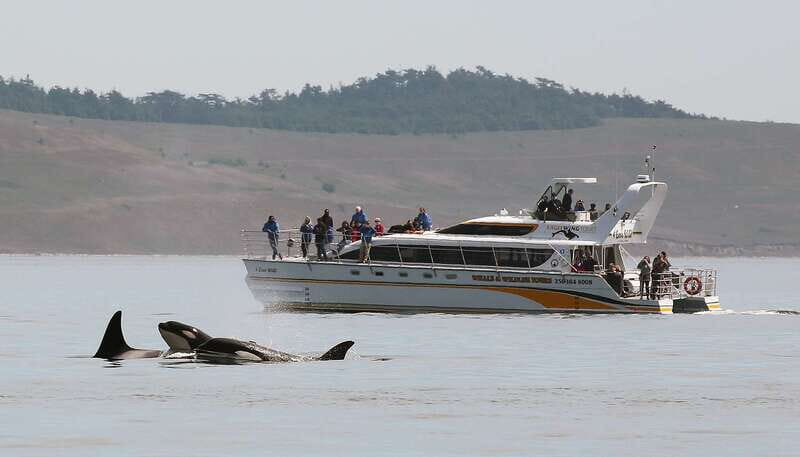
- 50–70% whale chance even though fall sightings aren’t guaranteed
- Naturalist guide + wildlife ID kits so you learn what you’re seeing
- Hydrophone listening if whales are in the area
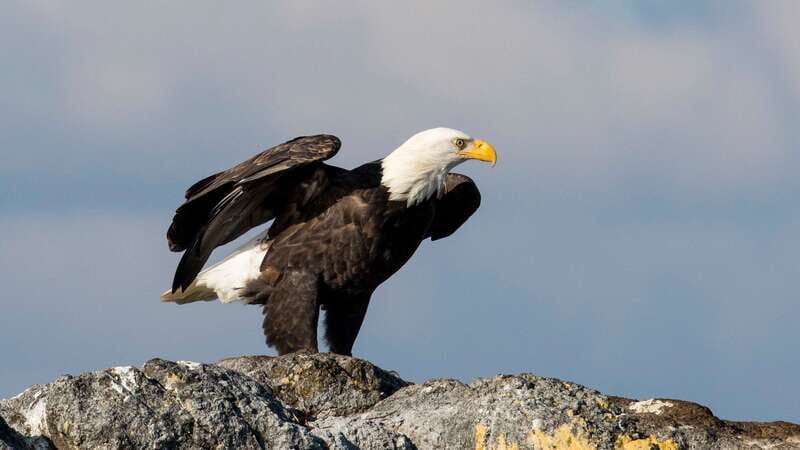
- Frequent sightings beyond whales: seals, sea lions, porpoises, winter birds
- Captain may extend the tour when whales are reported nearby (often at no extra charge)
- Smaller, well-run feel based on past visitor feedback about group size and organization
Boarding at Fisherman’s Wharf: start point you can actually find
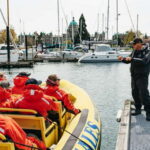
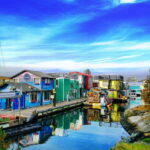
This tour starts at Fisherman’s Wharf. When you arrive, go down the ramp to the docks, then turn right. The meeting point is across from Jackson’s Ice Cream, which makes it easy to orient yourself without guessing.
That matters more than it sounds. Whale watching runs on animal time, not human time, and you don’t want a late start to cut into your spotting window. Build in a little buffer so you can get settled, get your jacket on, and be ready to scan as soon as you’re underway.
You can also read our reviews of more boat tours in Victoria British Columbia
Cruise rhythm on a catamaran: what the 3-hour outing really feels like
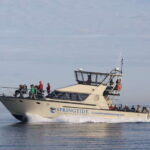
The tour is listed at 3 hours, but it runs as a 3.5 to 4 hour whale-watching experience. In practical terms, you should expect time for getting aboard, getting briefed by the guide, then cruising out and back while the captain scouts for wildlife.
What you’ll do during the outing is simple:
- You’ll ride out from the docks and spend time scanning for signs of wildlife.
- When sightings happen, you shift focus quickly—watch for surfacing, movement patterns, and where the guide tells you to look.
- If whales are confirmed in the area, the captain can keep going and often extend the time at no extra charge.
Because this is a wildlife-first approach, your day isn’t fixed to one view. It’s more like a guided search with the boat moving as needed to find the action.
What you’re likely to spot fast: birds, seals, sea lions, porpoises
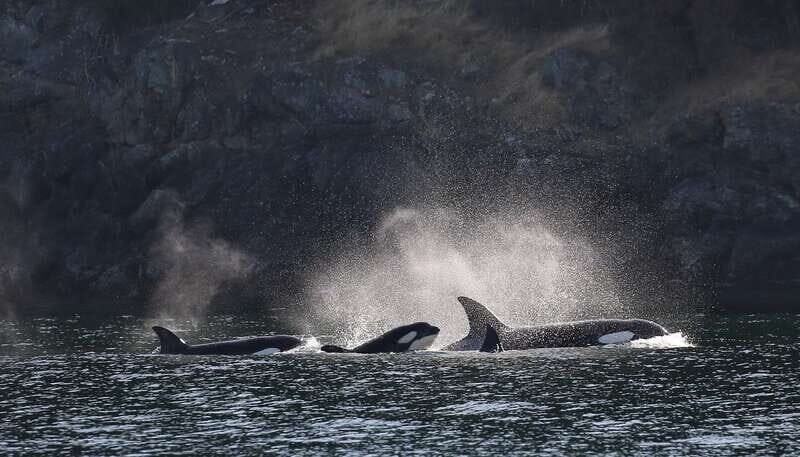
Even without guaranteed whales, you can still have a strong wildlife outing. Common sightings include wintering birds, seals, sea lions, and playful porpoises. The guide also uses that time to help you interpret what you’re seeing, so your stops turn into learning, not just sightseeing.
Here’s the practical way to think about it: the ocean around British Columbia changes fast. If whales aren’t surfacing when you look, you still have other animals doing their own thing—popping up where food is, shifting along the edges of the boat’s path, or moving with purpose rather than drifting.
If you’re the kind of person who loves quick wildlife wins, this tour’s design supports that. You don’t need a perfect whale moment to feel like the time was worth it.
Whale odds in fall: how you get a shot at hearing them
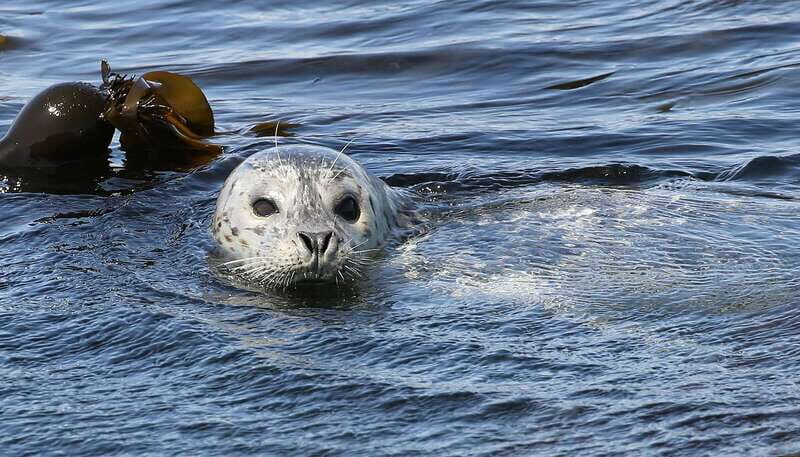
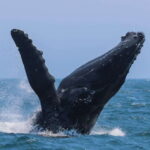
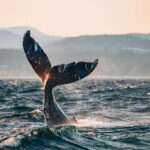
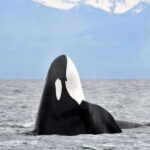
Fall whale watching here is all about expectations. The tour is explicit: whale sightings are not guaranteed on fall trips. The good news is the historical rate—you’ll see whales on 50–70% of tours.
When whales are in the area, you can do more than just look. The tour includes onboard wildlife identification support, and if you spot whales, you can use the hydrophone to listen. That’s one of the most memorable parts of whale watching, because it adds sound to what you’re already tracking visually.
How I’d plan mentally:
- If whales show up, you’ll get both learning and the emotional payoff of real whale presence.
- If they don’t, you still have a structured wildlife outing with other animals and a guide helping you make sense of what’s around you.
That balance is what makes it feel like good value rather than a gamble disguised as a tour.
When the captain hears whales: the “extra time” factor
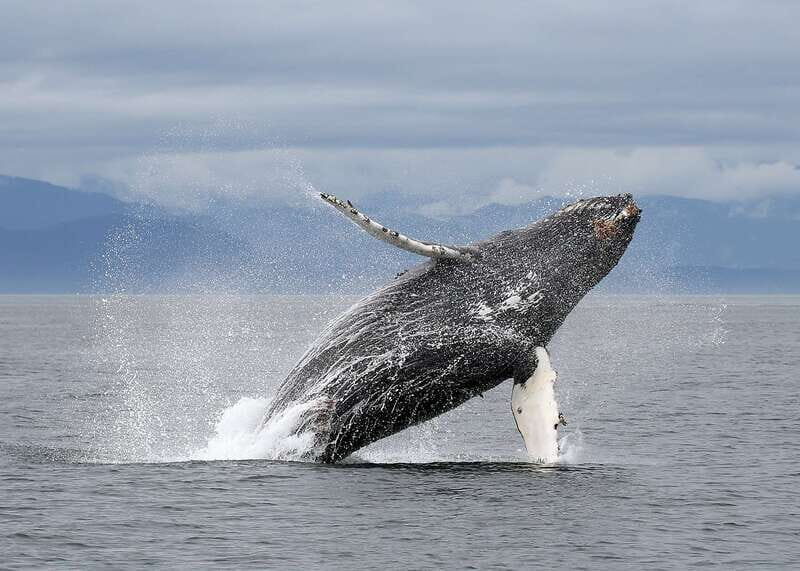
A big detail in how this tour is run is the flexibility. If the captain and crew get word that whales are in the area, they’ll often extend the tour at no extra charge.
Why that matters: whale watching isn’t just about finding animals once. It’s about timing—whether the whales are lingering, where they’re moving, and how your boat lines up with their route. If the crew decides to push for extra minutes, it’s because the odds are better when the whales are active nearby.
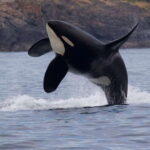
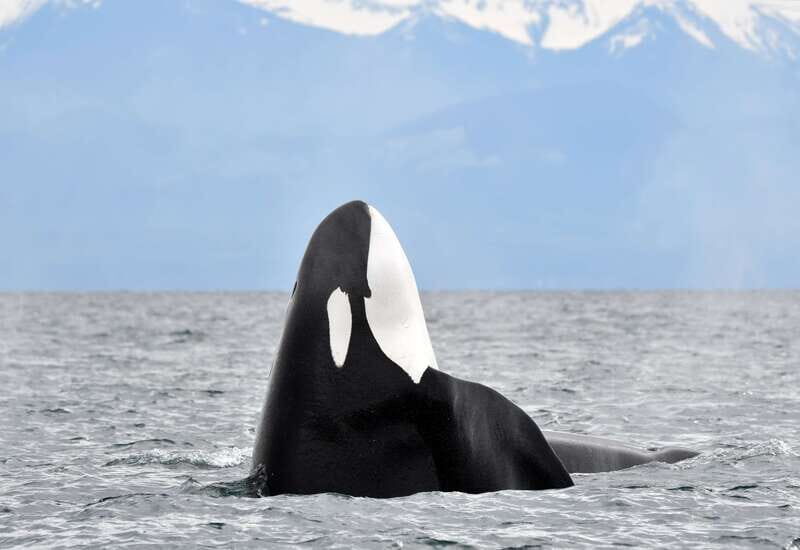
One caution from a past experience theme: if you’re hoping for long, slow viewing for one specific whale type (like orcas), you may not always get a perfectly long stop. The approach is still a scouting-and-scanning style, so the captain will keep working the area as needed.
Go in wanting wildlife variety, and you’ll likely be happy with how the day unfolds.
You can also read our reviews of more guided tours in Victoria British Columbia
Weather season notes: Nov 1 to Apr 30 boat and timing changes
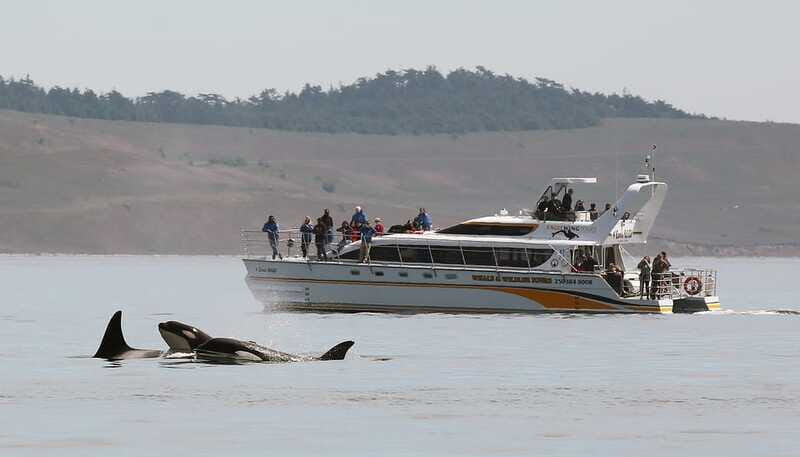
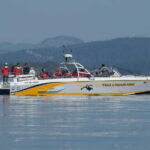
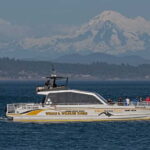
From Nov 1 to Apr 30, boat types and times may vary based on weather and tour numbers. Also, the operation uses covered vessels on some sailings (the tour information names 4 Ever Wild and Wild 4 Whales as covered options).
Translation: don’t assume the exact same boat every day in the cooler season. But do assume they’ll adjust to conditions so you still get your best shot at wildlife viewing.
If you’re planning around winter travel, pack for uncertainty:
- Bring warm layers you can put on fast.
- Have a jacket that blocks wind from getting inside.
- Keep closed-toe shoes ready for deck movement.
What’s included (and why it matters for your time)
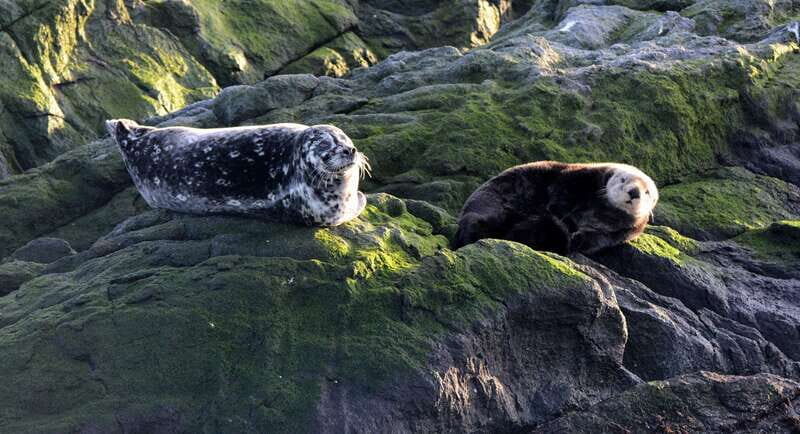
Your ticket includes the boat tour and the main learning elements that make whale watching easier to enjoy.
Included features you should care about:
- A 3.5 to 4 hour whale-watching tour experience
- A live English tour guide
- Onboard wildlife identification kits
- The opportunity to use a hydrophone if whales are spotted
- A wheelchair-accessible setup (this is specifically noted)
If you’ve ever done wildlife tours where the boat basically tosses you into the ocean view and hopes for the best, this one has a different vibe. The kits and guide are there so you’re not staring at the horizon without knowing what you’re looking at.
That’s also why the tour feels more worth it than a bare-bones cruise—especially if it’s your first time watching marine mammals up close.
Price and value: does $95 make sense here?
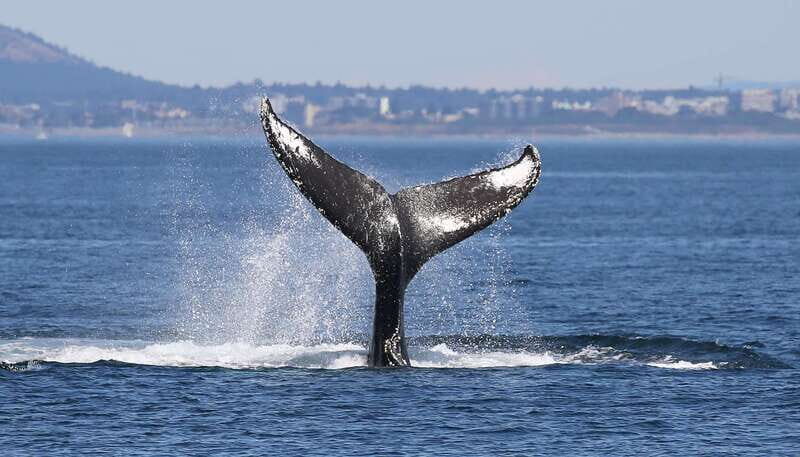
At $95 per person, this isn’t a budget toss-up, but it also isn’t priced like a luxury private charter. The value comes from three things you actually use:
- A guided search with wildlife ID help
- Real whale probability (50–70%) rather than a pure hope-and-pray promise
- More than whales: seals, sea lions, porpoises, and winter birds are common targets
Also, when the captain extends time for whales, you’re getting extra return on the same ticket. That’s a quiet value booster that matters when wildlife shows up late or moves into your area.
If you’re short on time and you want one guided shot at the ocean’s main highlights, $95 can be a fair match—especially for a group setting where you’re learning while you watch.
Practical comfort tips: warm layers beat wishful thinking
This is a boat tour, and ocean conditions can vary. The tour info calls it an adventure and warns that the water can turn rough at times. It also notes it may not be suitable for some people.
Here’s what to do with that information:
- Wear comfortable shoes with grip. Closed-toe is required.
- Bring warm clothing and a jacket. Even “mild” can feel cold on open water.
- Consider a reusable water bottle so you stay hydrated without buying stuff onboard.
On motion sickness: if you suffer from severe motion sickness, the tour says it may not be suitable. The best prevention tip is to use an over-the-counter remedy taken well before the tour begins.
And one more rule that’s worth taking seriously: no alcohol or drug use prior to or during tours. If someone shows up not following the rules, they may be denied their tour, and refunds won’t be given in those cases.
Photo service and learning tools: getting more after you land
In past experiences, the photo service was called out as a plus. The tour also states the crew may take photographs during the tour for promotional use, including on websites or social media.
So even if your whale sighting is quick, you’re not completely on your own with documentation. Between the guide’s spotting help and the photo support, you’ll usually leave with more than just blurry horizon memories.
Meeting the right expectations: group size, pacing, and what to want
One theme that fits the tour style: group size and organization have been praised, and guides are described as providing good information. That aligns with the way the tour is designed to function—quick scanning, rapid identification support, then focus when animals appear.
Pacing is the trade-off to be aware of. Some wildlife days mean more time searching and less time lingering with one animal. Other days mean whales are active and you get more time nearby.
If you’re easygoing and you want the best chance at a variety of marine life, you’ll probably enjoy the flow. If you need long, uninterrupted time with a single species, go in with flexibility.
Who should book this wildlife-watching catamaran
This tour is a strong match if you:
- Want a guided wildlife experience with naturalist-led identification
- Like the idea of seeing seals, sea lions, porpoises, and birds even if whales don’t show
- Want a realistic whale chance without committing to a private charter
- Prefer a short outing rather than an all-day trip
It may not be a good match if you:
- Are pregnant (this is specifically listed as not suitable)
- Have severe motion sickness issues and know you won’t tolerate boat movement
Should you book the Eagle Wing Whale and Wildlife catamaran tour?
If your main goal is one organized, guided shot at British Columbia marine wildlife with a solid 50–70% chance of whales, I’d lean yes. The included guide support, the wildlife ID tools, and the chance to use a hydrophone turn this into more than just a ride out to sea.
Book it if you’re comfortable dressing for cold wind and you can handle the reality that fall whales are never guaranteed. I’d especially recommend it for first-timers, since the guide help is built into how you experience the day.
Pass or adjust your plan if you need long, slow viewing with one specific whale type, or if motion sickness and pregnancy concerns apply.
Either way, you’ll be starting from Fisherman’s Wharf, getting out on the water for the right amount of time, and working with a captain who’s actively looking—not just cruising for the sake of cruising. That’s the difference between a memorable wildlife day and a forgettable one.
FAQ
How long is the tour?
The tour is listed at about 3 hours, and the included whale-watching experience runs approximately 3.5 to 4 hours.
Are whale sightings guaranteed?
No. Whale sightings are not guaranteed on fall tours, but you have a 50–70% chance of seeing whales.
What other animals might I see besides whales?
Common sightings include wintering birds, seals, sea lions, and porpoises.
What should I bring?
Bring comfortable shoes, warm clothing, a jacket, comfortable clothes, closed-toe shoes, and a reusable water bottle.
Is the tour wheelchair accessible?
Yes, the tour is listed as wheelchair accessible.
Can I cancel and get a full refund?
Yes. You can cancel up to 24 hours in advance for a full refund.
What if I get motion sickness?
If you suffer from severe motion sickness, the tour may not be suitable. The guidance is to prevent seasickness with an over-the-counter remedy taken well before the tour begins, since ocean conditions can vary and may turn rough.