REVIEW · VICTORIA BRITISH COLUMBIA
Victoria, BC: 3-Hour Ultimate Whale & Marine Wildlife Tour
Book on GetYourGuide →Operated by Five Star Charters Ltd (Five Star Whale Watching) · Bookable on GetYourGuide
Whales in reach. Cold air out of reach.
This Victoria tour is built for comfort and wildlife searching, with a heated cabin plus two outside viewing decks so you can watch orcas and humpbacks without freezing your face off. You’ll also get marine-biologist style explanations of what’s living in the Salish Sea while you scan for harbor seals, California sea lions, and lots of seabirds.
I love the practical setup: the vessel feels made for spotting wildlife, not just posing for photos. I also love how the guides keep the experience interactive, from Q&A to species talk led by people like Nour, Alexa, and Captain Andrew (and crew members such as Emma).
One thing to plan around: whale sightings are never 100% guaranteed, and sea conditions can change. If you’re sensitive to motion or you’re dealing with mobility or medical limits, it’s smart to double-check fit before you book.
In This Review
- Key highlights worth planning around
- Your ride out of Victoria: where you meet and how comfort works
- The 3-hour whale search: how the time is actually spent
- Marine biologists on board: what you’ll learn beyond spotting
- Wildlife you’ll watch for: species checklist and behavior clues
- Comfort, safety, and who this tour won’t suit
- Price and value: is $125 fair for this experience?
- Should you book this Victoria whale and marine wildlife tour?
- FAQ
- How long is the whale and marine wildlife tour?
- Where do I meet the tour?
- What is included in the price?
- What is not included?
- How big is the group?
- What should I bring?
- Does the boat have a washroom?
Key highlights worth planning around
- Heated cabin + dual outdoor decks for real viewing time in real weather
- Marine biologists onboard who explain what you’re seeing as you see it
- Small group cap of 12 that usually means more space to find a good angle
- Purpose-built coastal explorer vessel designed for whale watching, not sightseeing buses
- Target species plus lots of marine birds (over 127 species mentioned)
Your ride out of Victoria: where you meet and how comfort works
The tour starts at 645 Humboldt St, on the side of the Fairmont Empress Hotel next to Willow Stream Spa. They ask you to arrive 30 minutes early, which matters because boarding goes faster when you’re not sprinting through ocean air with your jacket half on.
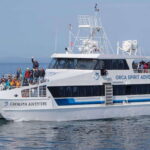
What makes this cruise feel different from many “get on and hope” whale trips is the boat design for changing conditions. You get a fully heated cabin for warmth when the wind picks up, plus two outside viewing areas so you’re not stuck watching through glass for the whole trip. Jackets are also provided, which is a big help in coastal weather when “I’ll be fine” usually turns into “I should’ve brought the good layers.”
They also roll out complimentary coffee and hot chocolate before you head out. It’s a small touch, but on a cold morning (or even a cool afternoon), warm drinks make the first 20 minutes feel like you’re settling in rather than bracing for impact.
You can also read our reviews of more whale watching tours in Victoria British Columbia
The 3-hour whale search: how the time is actually spent
This is a 3-hour outing, and that length is a sweet spot. Short tours can feel frantic if wildlife is farther out or moves around. Here, you’re on the water long enough for the crew to search for pods and then stay with what’s happening.
You’ll be looking for orcas (killer whales) and humpback whales, but the cruise is wider than just the big two. The typical sighting mix includes harbor seals, California sea lions, and over 127 species of marine birds in the broader Salish Sea ecosystem. Even when the whales are quiet, there’s often plenty of life to watch—seabirds tracking food, seals hauling out, and sea lions popping up around the shoreline.
In practice, your viewing changes based on where animals show up. Sometimes the action is close and dramatic. Other times it’s farther away, and you’ll still get the wildlife experience through clear sightlines and ongoing guidance. One traveler noted whales were a bit farther offshore on their trip, but the overall experience stayed strong thanks to the boat setup and crew effort.
Also: this is a calm-but-active kind of outing. You’re on the water, and sea conditions can shift, so the ride won’t feel like a lazy lake cruise on every single day.
Marine biologists on board: what you’ll learn beyond spotting
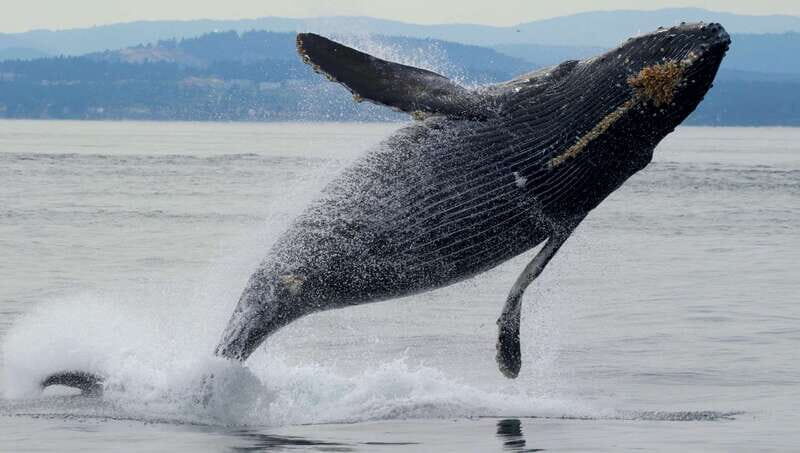
A whale watch can become “point and shout” if the guide just names animals. This one tends to do better because the tour is guided by marine biologists, and the talk connects to real behavior you can see right now.
I like that this kind of guidance gives you a framework for spotting. You start watching for patterns: where feeding might be happening, what different seals and sea lions are doing, and how birds clue you in to what’s going on underwater. A big win is that guides don’t just read facts—they answer questions and adjust to what the group is seeing.
On trips like this, you might hear about local efforts to make Victoria a world-renowned whale watching destination, including why the Salish Sea is such an important habitat. And because the group is small (max 12 participants), it’s easier to ask questions and get direct answers—something that came through with guides named in past outings, including Nour, Mark, Sophie and Gord, Alexa, and Andrew.
This is also where small details help you enjoy the ride more. When you understand what you’re looking at—tail movement, surfacing patterns, or how pods interact—you don’t just see animals. You start reading the story of their behavior.
Wildlife you’ll watch for: species checklist and behavior clues
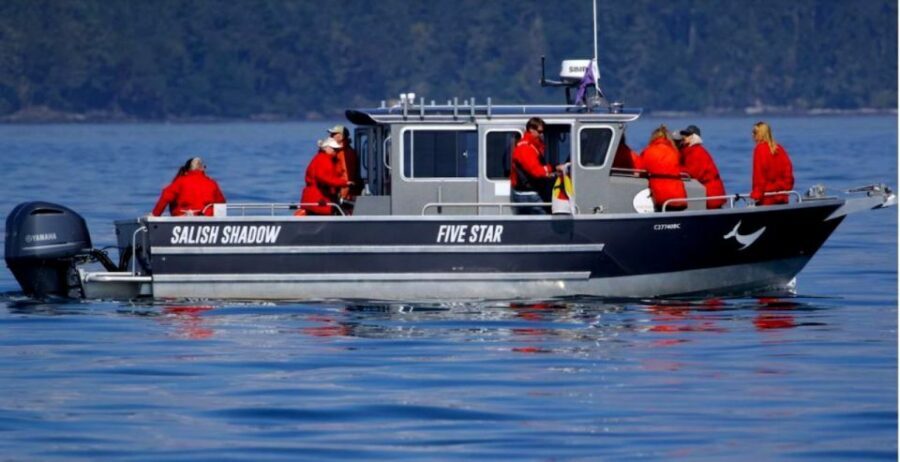
Here’s the practical “what might you actually see” list based on what the tour is set up for:
Orcas (killer whales)
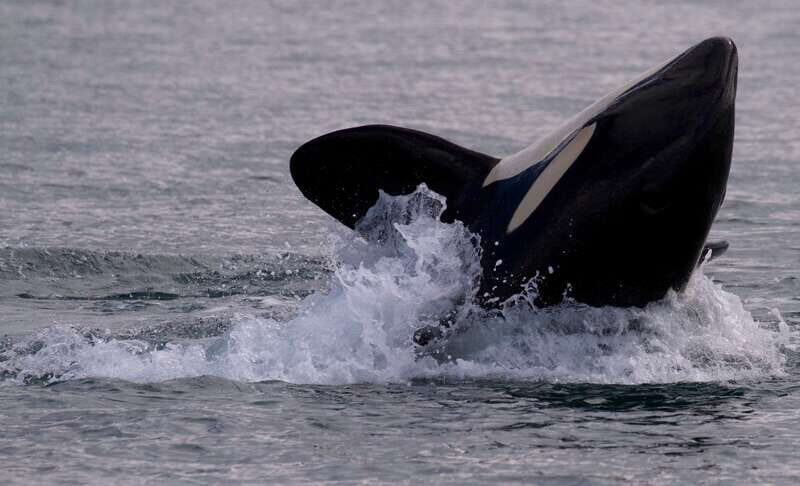
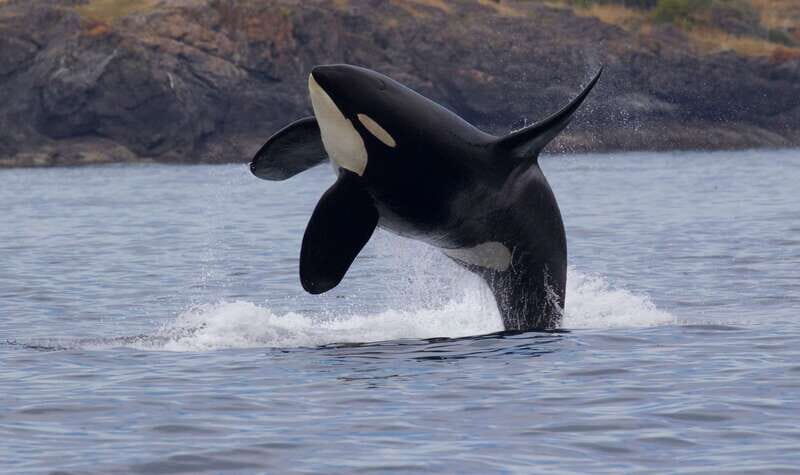
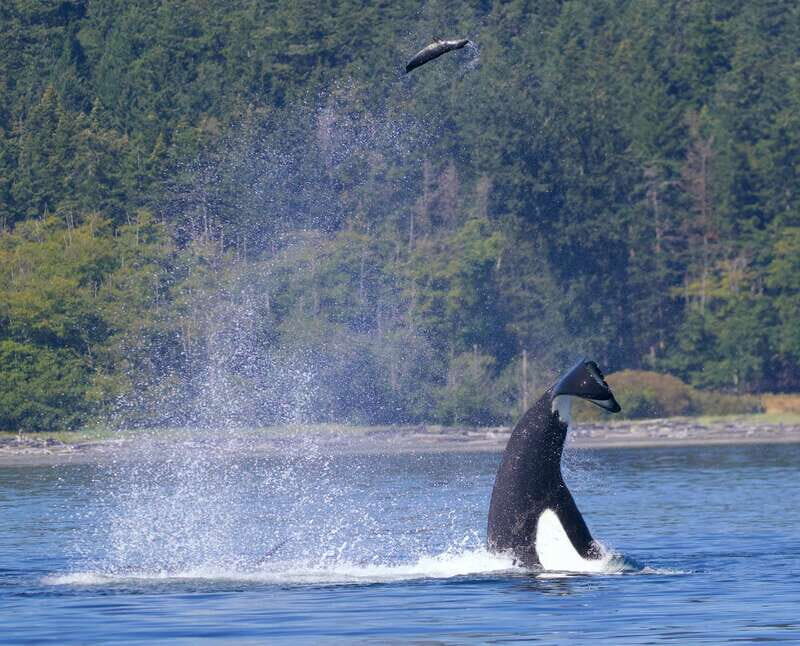
They’re the headline target. When they show up, the experience can feel electric—multiple travelers described straight-on encounters and the kind of close-follow energy that makes you forget the clock.
Humpback whales
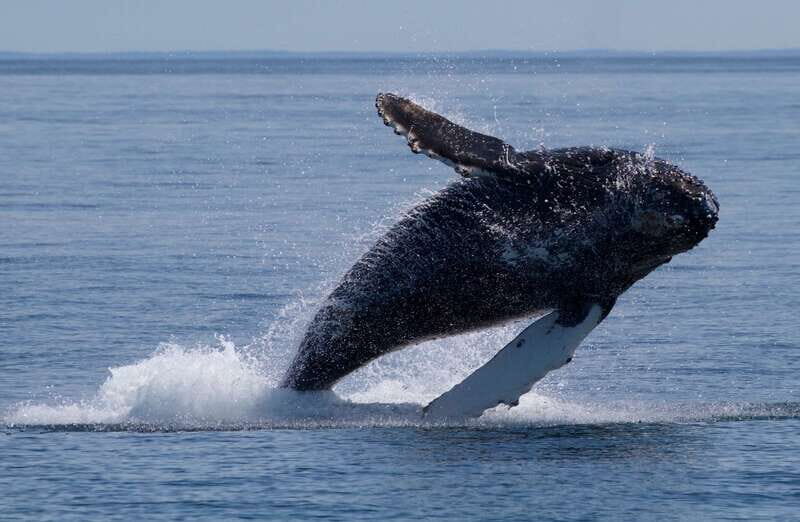
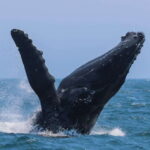
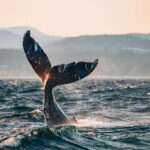
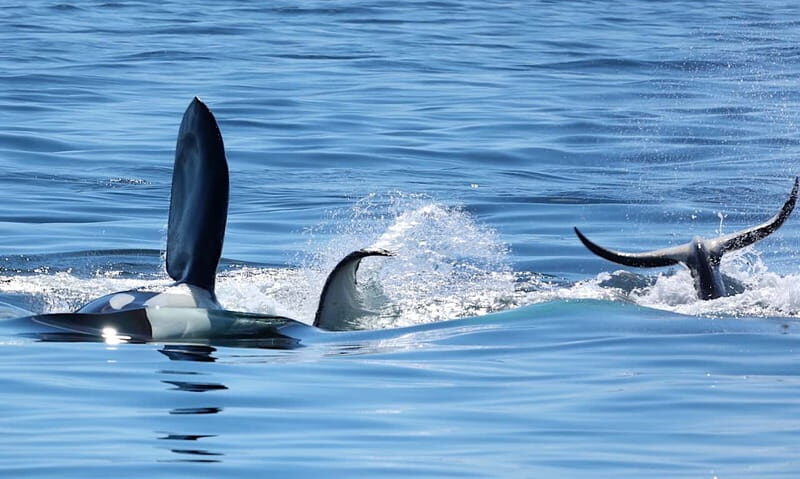
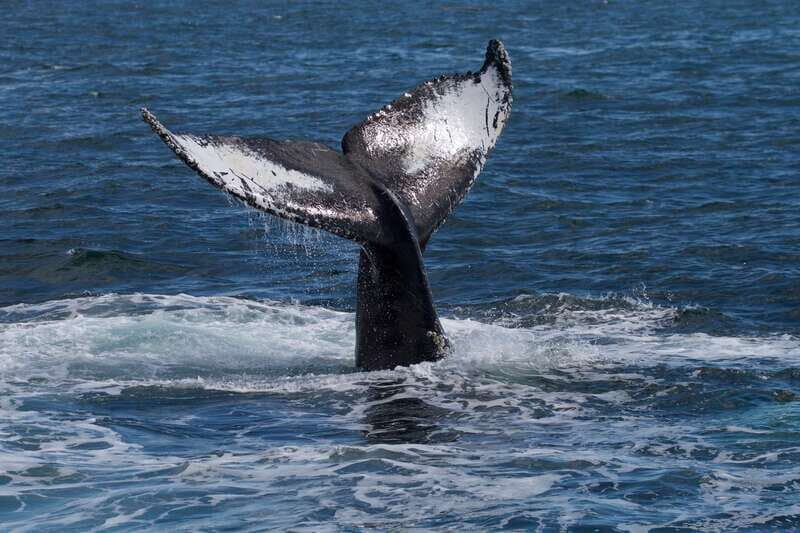
Humpbacks often steal the show with dramatic surface behavior. One traveler described a whale putting on a real performance with repeated tail slaps, rolling, and dorsal fin flapping—basically a reminder that humpbacks don’t just exist underwater; they communicate and interact with the surface too.
Harbor seals and California sea lions
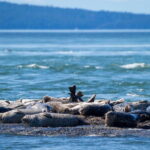
These sightings can be surprisingly fun because they’re often easier to track than whales. You may see them hauled out, popping up near rocks, or moving along the waterline while seabirds react.
Marine birds (over 127 species listed)
Even if the big mammals are elusive, birds can keep your attention locked. You’ll likely see different types of seabirds moving with the food chain, which makes the boat ride feel less like waiting and more like observing.
Other wildlife you might encounter
Based on past tour outcomes, you may also spot things like porpoises, otters, bald eagles, and even an elephant seal (not part of the core list, but reported on some outings). These extras are never guaranteed, but they’re common enough that it’s worth keeping your binocular brain turned on.
One more reality check: some days whales can be far enough away that you’re relying on optics and spotting skill. That’s why viewing areas and guidance matter. You may not control the distance, but you can control how well you’re positioned—and the vessel is designed to help you do that.
Comfort, safety, and who this tour won’t suit
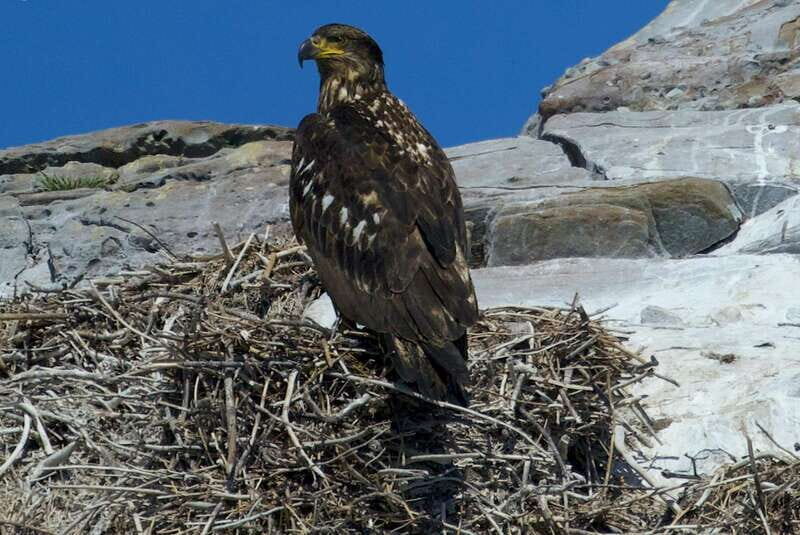
This tour is for people who can comfortably handle time on the water. That sounds obvious, but the limits are spelled out clearly, and they matter.
You’ll want warm clothing. Even if you’re fine on land, ocean wind and spray can change your comfort fast. Jackets are provided, but you still need layers you can move in. Bring clothes you can handle wet spray with, and plan for wind.
There are also some hard constraints:
- No smoking
- No alcohol and drugs
There’s a washroom onboard, but it’s described as compact with limited use. Plan accordingly so you aren’t making mid-trip logistics your focus.
Most important: the tour is not suitable for:
- Pregnant women
- Infants and children under 6 (and it’s also stated not for children under 2)
- People with back, neck, or knee injuries
- People with stability issues
- Wheelchair users and people with mobility impairments
- People with heart problems
- People with pre-existing medical conditions
Sea conditions can become rough, and that’s a big reason they’re strict about physical requirements. If you’re unsure, treat this as a “match the activity to your body” situation, not a “push through” situation.
A few more Victoria British Columbia tours and experiences worth a look
Price and value: is $125 fair for this experience?
At $125 per person for a 3-hour cruise, the value comes down to what’s included and how the tour is designed.
What you get for that price:
- The 3-hour whale and marine wildlife tour
- Hot chocolate
- Jackets
- Taxes
What you don’t get:
- Snacks
- Bottled water
That means the basic creature comforts are handled, and you’re not paying extra for warmth or a hot drink once you’re on board. The small-group cap of 12 participants also changes the feel. You’re less likely to spend the whole trip squeezed or shifting for sightlines.
The other value factor is time. Three hours gives the crew enough room to search, follow, and pivot if a pod shows up in a different spot. Shorter whale watches often feel like a drive-by. This one gives more “watch and wait” time without going so long that you’re just cold and bored.
Is it expensive? Compared to very basic boat tours, yes. Compared to higher-end whale watching experiences that offer indoor warmth and a guided wildlife program, it sits in a zone that can feel fair—especially when you like learning, not just scanning.
The one tradeoff you should keep in mind: you can’t control where animals surface. Even with excellent spotting, whales may be farther out on some days. Your best “value protection” is showing up prepared for the weather and paying attention to where the guides want you to stand.
Should you book this Victoria whale and marine wildlife tour?
I’d book it if you want a small-group whale watch that prioritizes comfort and interpretation, not just luck. The combo of heated cabin, two outdoor viewing areas, and marine-biologist guidance is a strong match for first-timers and for people who enjoy understanding behavior while they watch it.
I’d skip it if any of the stated physical or medical limits apply, or if you know you struggle with motion on boats. And I’d treat whale sightings like a hopeful goal rather than a purchase guarantee—because wildlife is wildlife, even when the crew works hard.
With a 4.6 rating from 191 reviews, the track record looks solid. If you’re aiming for a Victoria experience that feels both relaxing and legitimately educational, this one fits the bill.
FAQ
How long is the whale and marine wildlife tour?
It runs for 3 hours.
Where do I meet the tour?
Meet at 645 Humboldt St, Victoria, on the side of the Fairmont Empress Hotel next to Willow Stream Spa. Plan to arrive 30 minutes before departure.
What is included in the price?
The tour includes the 3-hour guided experience, hot chocolate, use of jackets, and taxes.
What is not included?
Snacks and bottled water are not included.
How big is the group?
This is a small group limited to 12 participants.
What should I bring?
Bring warm clothing.
Does the boat have a washroom?
Yes, there is a washroom onboard, but it’s described as compact with limited use.
If you tell me the month you’re going and whether you’re traveling with anyone who might have mobility limits, I can help you judge whether the timing and comfort style will work for your group.