REVIEW · VANCOUVER
Vancouver’s Intimate West Coast Whale Watching Experience
Book on Viator →Operated by Wild Whales Vancouver · Bookable on Viator
Orcas can show up fast. This small-group Vancouver whale-watch heads out from Granville Island with a marine biologist-style guide and a plan built around real wildlife sightings. I like the up-close nature focus and I love the way the guide turns a boat ride into a mini biology lesson, even when the action is changing minute to minute; the trade-off is you’re always at the mercy of weather and whale timing.
You’ll meet about 45 minutes early, then cruise the Salish Sea and Strait of Georgia in search of orcas, humpbacks, seals, sea lions, and sea birds. Names you might hear from the crew—Julia and Chris, plus Yaz, Rodrigo, Jasmine, Hannah, and Sarah—show up because they’re the kind of people who explain what you’re seeing and how to spot it.
In This Review
- Key Points to Know Before You Go
- Granville Island Launch Point: Easy Start, Quick Access, Good Views
- Small-Group Whale Watching in the Salish Sea and Strait of Georgia
- Marine Biology Guide Talk: How the Facts Improve Your Whale Spotting
- Cruising Vancouver’s Waterfront Stops: Stanley Park, English Bay, False Creek, Downtown
- When the Boat Finds Whales: Flexible Timing and Real Photo/Viewing Time
- Granville Island Public Market on the Way Back: Food and a Simple End to the Day
- What’s Included, What to Bring, and How to Stay Comfortable
- Is This Whale Watch Worth the Price and the Timing?
- Should You Book This Vancouver Whale Watching Tour?
- FAQ
- How early do I need to arrive?
- Where is the meeting point for this whale-watching tour?
- How long should I plan for?
- What animals can I expect to see?
- Is lunch included?
- What’s included on board?
- Are there any height limits or special notes for kids and health?
- What happens if we don’t see whales or if sea conditions cancel the tour?
Key Points to Know Before You Go
- Small group (max 12): more eyes on the water and more chances to ask questions.
- Marine biology guide onboard: you’re not just watching—you’re learning what matters about local whales and seabirds.
- Flexible timing (3–5 hours, depending on whales): your day length adjusts to where wildlife is.
- Cold-and-wet ready setup: sunscreen and bottled water are provided, and many riders end up getting splashed (especially in the back).
- You cruise some of Vancouver’s best-known waterfronts: Stanley Park, English Bay Beach, False Creek, and downtown views from the water.
- If no whales are found, your next trip is free: vouchers don’t expire (but they aren’t transferable).
Granville Island Launch Point: Easy Start, Quick Access, Good Views
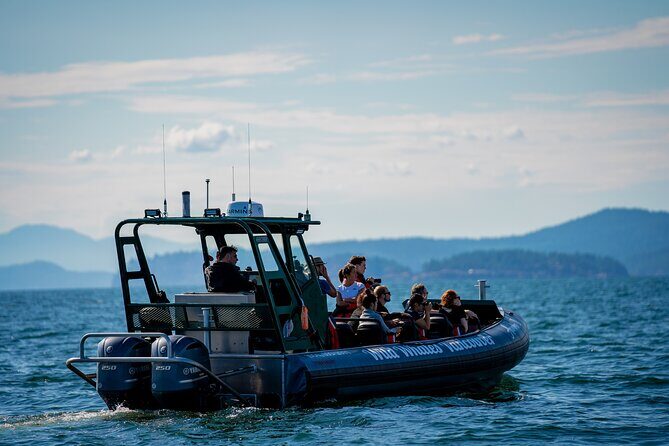
Granville Island is a smart place to begin a whale-watching day. It’s close to downtown, and you’re not wasting your morning with complicated transfers. The meeting spot is at 1806 Mast Tower Ln, Vancouver, BC, and you’ll want to arrive about 45 minutes before departure so you can check in without stress.
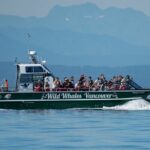
Once you’re on board, the vibe is focused but relaxed. Your guide sets expectations early, then you head out to search for whales and other marine life. You’ll also notice the small-group feel right away: with a maximum of 12 travelers, it’s easier to get pointed in the right direction when wildlife is spotted.
One practical note: you’ll often be outside for long stretches, and Vancouver weather loves surprises. Even on days that look fine from shore, a breeze can make the ride feel colder than you expect.
You can also read our reviews of more whale watching tours in Vancouver
Small-Group Whale Watching in the Salish Sea and Strait of Georgia
This tour is built for people who want real whale time, not just a quick drive-by. Your boat goes looking in the Salish Sea and Strait of Georgia, which is exactly where the region’s marine animals feed, travel, and sometimes stick around long enough to watch behavior.
The small-group size matters more than it sounds. It helps in two ways: you can stay engaged with the guide’s spotting tips, and the crew can change direction without feeling like a huge crowd is trying to see the same moment.
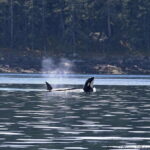
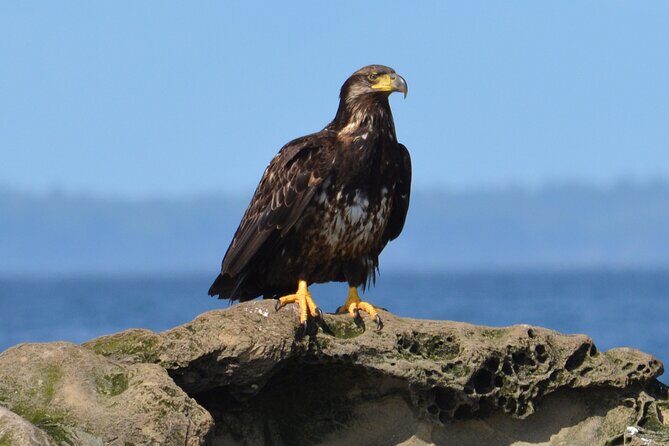
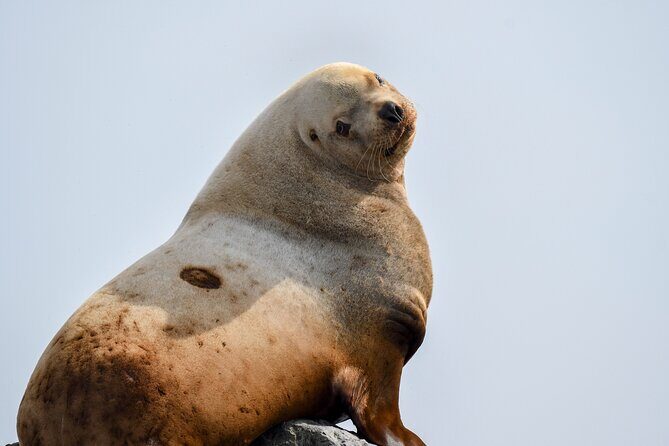
You’re searching for orcas and humpback whales, plus the supporting cast that makes whale watching so much fun—seals, sea lions, and sea birds. Depending on the day, you might also see dolphins or porpoises, and some wildlife sightings can be surprisingly varied. One rider described seeing seals, starfish and crabs, along with bald eagles, which is the kind of bonus variety that happens when you’re out long enough and paying attention.
Here’s the trade-off: sightings aren’t guaranteed. Even with a great captain and guide, whales can be elsewhere. The upside is that the guide works the day around what they find rather than treating your outing like a fixed sightseeing route.
Marine Biology Guide Talk: How the Facts Improve Your Whale Spotting
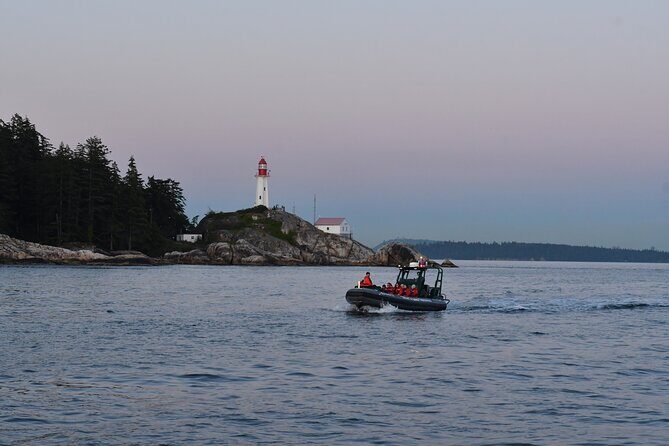
What I like most about this experience is the guide’s role. This isn’t just narration. The guide has a marine biology background and uses that to explain what you’re seeing and why it’s happening.
That “why” changes everything once you spot something on the horizon. Instead of staring blankly, you start watching for patterns—how whales move, how seabirds react, where seals like to rest, and how the local ecosystem connects. It turns the boat ride into a real learning moment.
The best part is the Q-and-A energy. With a maximum of 12 people, you’re not stuck listening for an hour and then being ignored. If you’re curious—about orca behavior, humpback feeding, or what sea birds are doing—you can ask. Guides such as Julia (often paired with Chris in crew notes) and Yaz show up in past outings specifically because they’re the kind of person who keeps explaining as the day evolves.
Bring questions in your head. If you’re the type who likes to know what you’re looking at, you’ll get a lot out of this format.
Cruising Vancouver’s Waterfront Stops: Stanley Park, English Bay, False Creek, Downtown
Between whale searches, you’ll get a classic Vancouver view from the water. Your route includes stops or passing points around Stanley Park, English Bay Beach, False Creek, and downtown.
You won’t spend long land-time at these spots the way you would on a bus tour, but they’re still worth noticing. Seeing Stanley Park and English Bay from the sea gives you the right scale for the coastline and the way the city hugs the water. False Creek adds a different feel—more urban shoreline, more angles, more chances to spot birds and small bits of marine life along the way.
One drawback to keep in mind: if you expect every listed stop to feel like a full visit, you’ll be slightly underwhelmed. This is mainly a time-on-water experience. The “stops” function more like orientation points and scenic moments between hunting for whales.
If you like photos, this section can be your warm-up. And if you don’t, it’s still useful because it gets you acclimated to what you’ll be scanning for later—movement, flukes, bird activity, and the shape of surf lines.
When the Boat Finds Whales: Flexible Timing and Real Photo/Viewing Time
This tour is flexible because whale life is flexible. Your total time on the water is typically 3–5 hours, and that depends on where whales show up. The crew keeps working the area once wildlife is found, so you’re not rushed through the best moments.
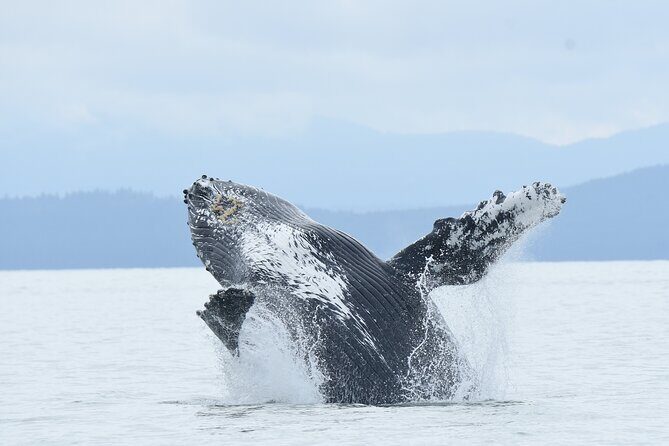
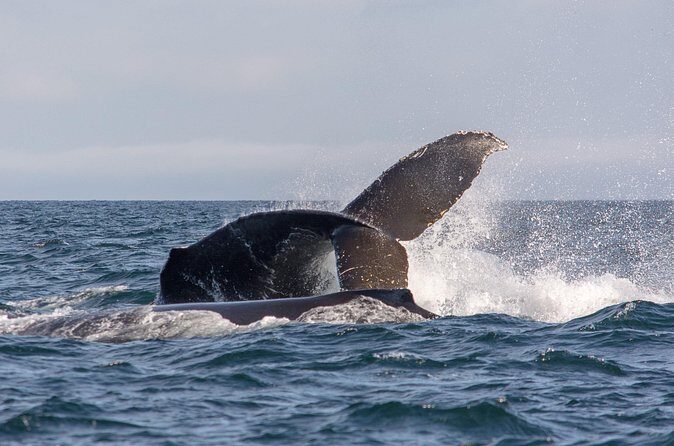
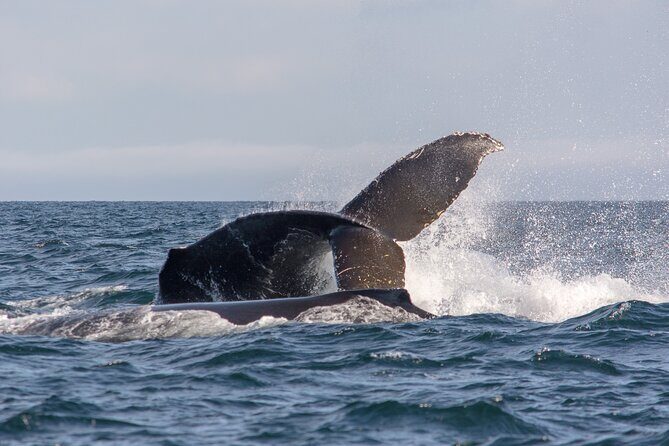
In practice, that means once orcas or humpbacks are spotted, you’re more likely to get sustained viewing than one quick glance. Riders describe everything from humpbacks breaching to orcas repeatedly surfacing nearby. The point isn’t just the number of sightings. It’s the chance to watch behavior—how long they stay in view, how they interact with other animals, and how they move through the water.
There’s also a reality check. Safety rules keep boats at a respectful distance, so you might not get the tightest views you imagined. Some riders also mention that orcas can be harder to see because you’re observing from farther out. My advice: bring binoculars if you have them. It makes a big difference when the animals are visible but small at a distance.
And plan for the ride to be wet. One review notes that sitting in the back can mean you get very wet. Another rider described colder spray even when temperatures didn’t sound too intense, and that they quickly appreciated the full-body suits provided. So yes: even if the sun is out, dress like you’ll get splashed.




Granville Island Public Market on the Way Back: Food and a Simple End to the Day
After your time on the water, you return to Granville Island. At that point, you can peruse the Public Market and—if you’re traveling with kids—the Kids Market.
Food isn’t included on board, but the setup is easy. You can buy lunch or snacks right at the market area, which means you don’t have to plan a separate restaurant stop. If you’re heading out hungry, do yourself a favor and grab food during the return window, not earlier.
This is also a nice decompression moment after scanning ocean surfaces for hours. You’ve earned something warm, something sweet, and maybe a souvenir that reminds you of the day.
What’s Included, What to Bring, and How to Stay Comfortable
The essentials are handled well. You’ll have a toilet on all vessels, bottled water available (reusable bottles encouraged), and sunscreen. That’s not glamorous, but it’s genuinely useful—especially on a long day when the sun and wind both show up.
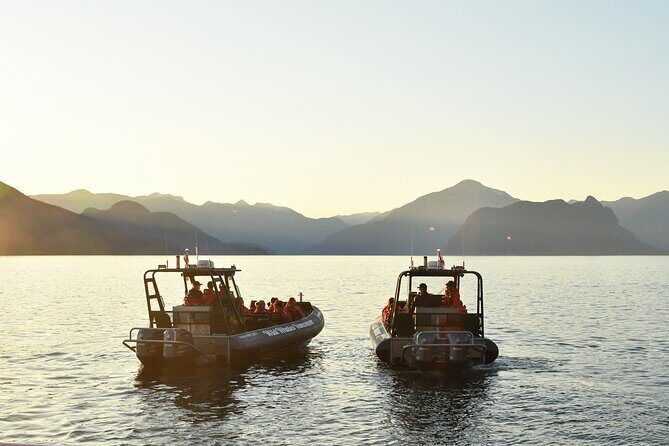
Because the ride can be cold and bumpy, I’d also plan around getting wet and chilled. Based on past experiences on similar zodiac-style outings, you should expect spray, wind, and the possibility of full-body suits being provided depending on conditions. Either way, you’ll want layers that you can tolerate when wet.
What to bring:
- Binoculars for better whale viewing at distance
- A warm layer you can keep on even when you’re damp
- Waterproof outerwear or something you don’t mind getting splashed
- Sunglasses (glare can be intense)
- A reusable bottle if you want to skip disposable plastic
One practical safety note from the tour info: it’s not recommended if you have back or neck problems. Also, there’s a height restriction of 5 ft / 152 cm to participate. If you’re unsure, check your fit early rather than hoping the day will work out.
Is This Whale Watch Worth the Price and the Timing?
At $177.59 per person, this sits in the “real experience” category, not the bargain bin. What justifies the price is the combination of: a marine-focused guide onboard, small-group seating (max 12), time on the water built around wildlife location, and practical inclusions like sunscreen, water, and onboard toilets.
The schedule also supports value. With an average booking time of around 50 days in advance, this tour often fills up for good reason. You’re paying for access to a part of the ecosystem that doesn’t stay put, and for a crew that keeps searching rather than treating sightings like a fixed script.
So the key question becomes: do you want a whale watch that feels like a nature outing with expert talk, not a quick checklist? If yes, you’ll likely feel the value fast.
Should You Book This Vancouver Whale Watching Tour?
Book it if you want:
- Small-group whale watching with space to ask questions
- A guide with marine biology background style teaching
- A day that adapts to where whales are, not a strict sightseeing loop
- A bonus return to Granville Island for food and browsing
I’d think twice if:
- You’re sensitive to rougher boat conditions or have back/neck issues
- You want guaranteed whale sightings (wildlife tours are never like that)
- You expect long land visits at every city stop (this is mainly time on the water)
If you’re the type who likes to see the real thing in the right place—while learning enough to make it meaningful—this is a strong match.
FAQ
How early do I need to arrive?
Meet about 45 minutes before your starting time. It gives you time to check in and get settled before the boat heads out.
Where is the meeting point for this whale-watching tour?
The tour starts at 1806 Mast Tower Ln, Vancouver, BC V6H 4B6, Canada. The experience ends back at the meeting point.
How long should I plan for?
Plan on about 5 hours total, but the time on the water is typically 3–5 hours depending on where whales are located.
What animals can I expect to see?
The tour focuses on searching for orcas and humpback whales, plus seals, sea lions, and sea birds. Other marine life may also show up depending on the day.
Is lunch included?
No. Lunch isn’t included, but you can buy food at Granville Island’s Public Market, just outside the meeting point.
What’s included on board?
You’ll get a professional guide with a marine biology background, plus a toilet on all vessels. Bottled water is available on board, and sunscreen is provided.
Are there any height limits or special notes for kids and health?
There’s a height restriction of 5 ft / 152 cm to participate. Children must be accompanied by an adult, and the tour is not recommended for participants with back or neck problems.
What happens if we don’t see whales or if sea conditions cancel the tour?
If no whales are found, your next trip is free with vouchers that are non-transferable and have no expiration date. If the tour is canceled due to sea conditions or poor weather, you’ll be offered a different date or a full refund.