REVIEW · VANCOUVER
Vancouver to Victoria Scenic Seaplane Transfer: One Way
Book on Viator →Operated by Harbour Air Ltd · Bookable on Viator
Vancouver to Victoria by seaplane feels like the shortcut you wish you had earlier. This one-way flight trades a long ferry day for a 35-minute ride, plus a real birds-eye tour of Vancouver and the Salish Sea. I also like that you’re working with Harbour Air at their Coal Harbour hub, so the experience stays straightforward from the moment you check in.
You’ll get a rare view of Burrard Inlet and Stanley Park from above, and landing on the water adds real wow-factor. The main consideration is cost: at about $292.93 per person one-way, it’s pricier than ferry travel, so you’ll want to decide if time and views are worth it for your schedule.
In This Review
- Key Points to Know Before You Go
- Seaplane Time Saver: Why This 35-Minute Hop Beats the Ferry
- From Coal Harbour to Your Boarding Gate at Harbour Air
- What the Flight Really Looks Like: Burrard Inlet, Stanley Park, and More
- Landing in Victoria’s Inner Harbour: Where the Trip Ends
- Price and Value: Is $292.93 One-Way Actually Worth It?
- Comfort Notes: Tight Seats, Ear Protection, and Photo Tips
- Baggage and Practical Rules That Affect Your Stress Level
- Picking the Right Departure Time (and Staying Flexible)
- Who Should Book This One-Way Seaplane Transfer?
- Should You Book This Seaplane Transfer?
- FAQ
- How long is the Vancouver to Victoria seaplane flight?
- Where is the meeting point in Vancouver?
- Where do you arrive in Victoria?
- Is this a one-way trip or round-trip?
- What baggage is included?
- Are there fees for extra baggage?
- What identification do I need?
- What happens if the flight can’t operate due to weather?
Key Points to Know Before You Go
- Short flight time: Plan for about 35 minutes in the air, not hours.
- Big views right away: Burrard Inlet, Stanley Park, and downtown show up quickly after takeoff.
- Easy central terminals: Depart from Coal Harbour and arrive in Victoria’s Inner Harbour area.
- Small group size: The flight can run with a maximum of 14 travelers.
- Baggage allowance matters: You get 25 lbs (11 kg) guaranteed, including purses.
- Ear and seat comfort: Seats are tight on small seaplanes, so timing and comfort expectations help.
Seaplane Time Saver: Why This 35-Minute Hop Beats the Ferry
If you’re building a Victoria stay into a short trip, the ferry can chew up the day. The typical crossing is more than three hours, plus you’ll still need time for getting to the terminal and onward transportation. A seaplane cuts that travel time dramatically—this one-way flight is listed at about 35 minutes—so you can trade transit hours for actual time in Victoria.
The value here isn’t just speed. You’re buying two things at once: point-to-point transportation and an aerial sightseeing circuit over Vancouver’s coast. The route goes over major landmarks like Burrard Inlet and Stanley Park, then out toward the islands in the Salish Sea before you touch down in Victoria’s harbour area.
The tradeoff is that this is an elevated experience, not a budget one. If your main goal is simply getting there for the lowest price, a ferry usually wins. If your priority is saving hours and enjoying the ride overhead, this can feel like money well spent.
A few more Vancouver tours and experiences worth a look


From Coal Harbour to Your Boarding Gate at Harbour Air
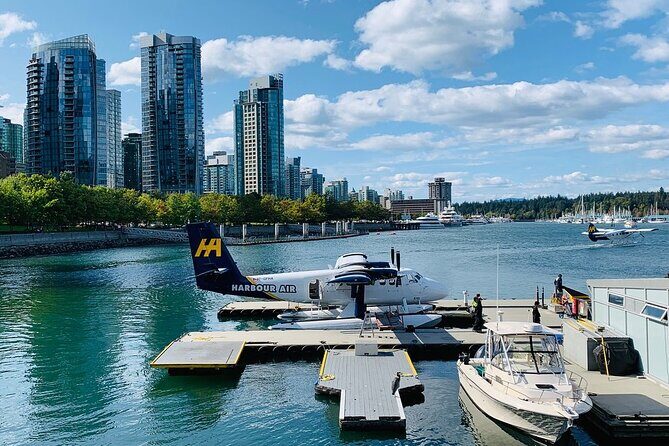
Your departure is from the Harbour Air terminal at 1055 Canada Pl, Vancouver, BC V6C 0C3. It sits in Coal Harbour, near the waterfront with easy access to big-city landmarks like Canada Place and the Vancouver Convention Centre area. Practically, that means you’re not commuting across town just to reach the airport-style experience.
Check-in timing is important and non-negotiable. You’ll want to arrive at the terminal at least 40 minutes before departure, then be fully checked-in 20 minutes before. If you miss those cutoffs, you may not be able to board—and the fare won’t be refunded. For me, this is where the seaplane works best: you plan slightly ahead, and then the whole trip stays smooth.
You’ll also be flying in a small group. The maximum headcount is listed as 14 travelers, which usually keeps the process calm and makes it easier to get settled and oriented quickly. And since tickets are available as a mobile ticket, you’re not juggling paper confirmations.
What the Flight Really Looks Like: Burrard Inlet, Stanley Park, and More
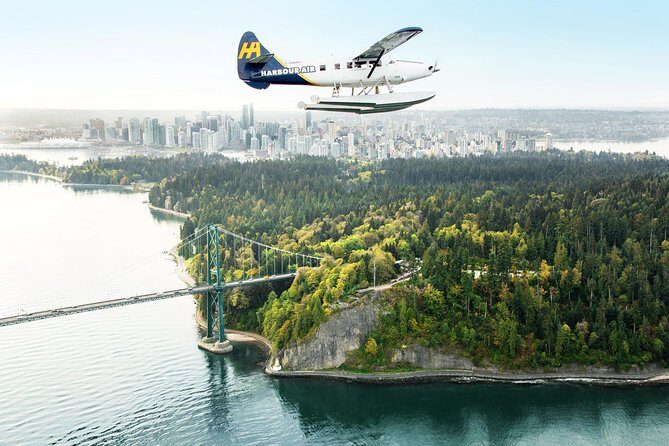
The sky route is the headline here, and it starts early. Once you’re airborne, you get sweeping views of downtown Vancouver and the waterfront—often including Canada Place, the cruise terminal area, and the Vancouver Convention Centre from above. Even if you’ve already walked those neighborhoods, the aerial perspective gives you a map in your head fast.
Then comes the part most people remember: Stanley Park. From the air, it’s not just “a park.” You can spot well-known features like the Totem Poles and Lost Lagoon, and you’ll see the harbor and nearby mountains framing the greenery. This is one of those views that makes the route feel like more than transportation.
As the plane moves out, you’ll also see the North Shore Mountains—the dramatic mountain backdrop that makes Vancouver look like it’s always staged for photos. From there, the flight extends across the coastal waters toward islands such as Salt Spring Island, Galiano Island, and Pender Island. Even without getting too technical, the difference from land travel is obvious: you see the coastline’s shape and the water’s layout in minutes.
One practical note: seating can feel snug on small aircraft. That doesn’t ruin the experience, but it does mean you should expect tighter quarters than a commercial jet. If you’re planning to be constantly turning for photos, give yourself a little flexibility.
Landing in Victoria’s Inner Harbour: Where the Trip Ends
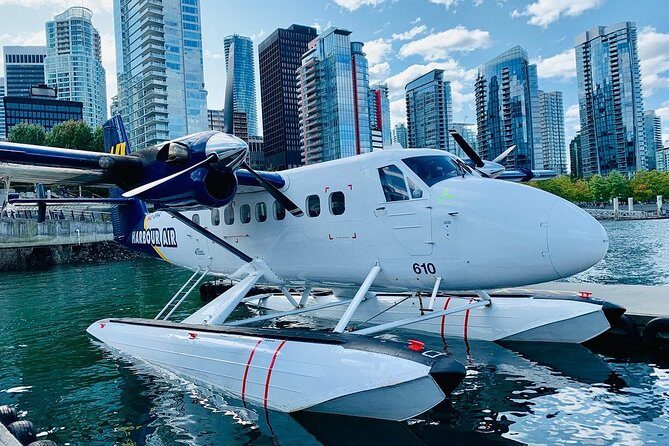
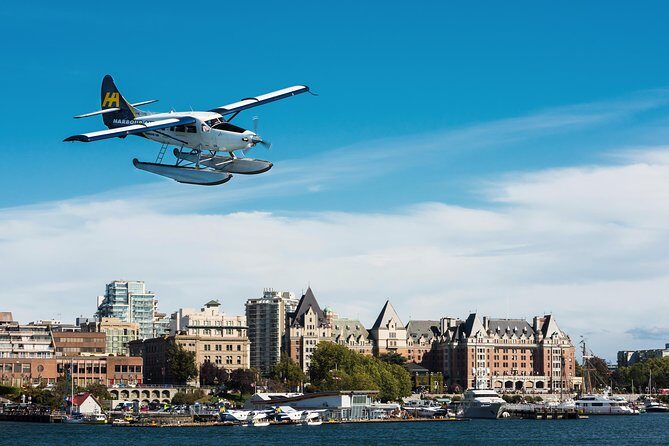
You arrive at Victoria Harbour Airport via a water landing. That part matters more than you’d think, because it changes the sensory feel of the arrival. Instead of a standard airport touchdown, you land on water in the Victoria harbour area and transition right into the city’s core.
Your terminal address in Victoria is 950 Wharf St, Victoria, BC V8W 1T3, in the Inner Harbour area. From there, you’re close to key sights—specifically the Parliament Buildings and the Royal BC Museum—plus waterfront cafés and the historic downtown core.
This is the big logistical win of flying instead of ferries: you typically land where you want to be. If your plan includes staying near downtown (or spending time around the Inner Harbour), this arrival point helps you start sightseeing sooner.
If you’re thinking about day trips from Victoria, the city makes that easy. Butchart Gardens and the Fairmont Empress Hotel are both specifically mentioned as major attractions worth your time—though the seaplane itself ends when you disembark, so you’ll plan the rest independently.
Price and Value: Is $292.93 One-Way Actually Worth It?
At $292.93 per person one-way, this transfer sits firmly in the premium category. So here’s the honest way I’d evaluate it:
- Calculate your time savings in hours, not minutes.
If ferry travel eats up over three hours of your day, and you add transit time on both ends, the seaplane can reclaim a meaningful chunk of daylight.
- Think about how much you value the view.
This flight isn’t just a “ride.” It’s built around seeing Vancouver’s coastline, Stanley Park, downtown, and the Salish Sea from above.
- Match it to your schedule.
If you’re tight on time and want to maximize your Victoria hours, it becomes easier to justify the cost.
- Consider tradeoffs vs. comfort.
You’re buying speed and scenery, not extra legroom. Some passengers note seats are tight, and you should pack for a short flight with comfort expectations in mind.
On the flip side, if you have a slow travel plan or you’re already taking a relaxed day, the ferry may feel more sensible. The key is that the seaplane is a “buy your time back” option, not a “save money” option.






Comfort Notes: Tight Seats, Ear Protection, and Photo Tips
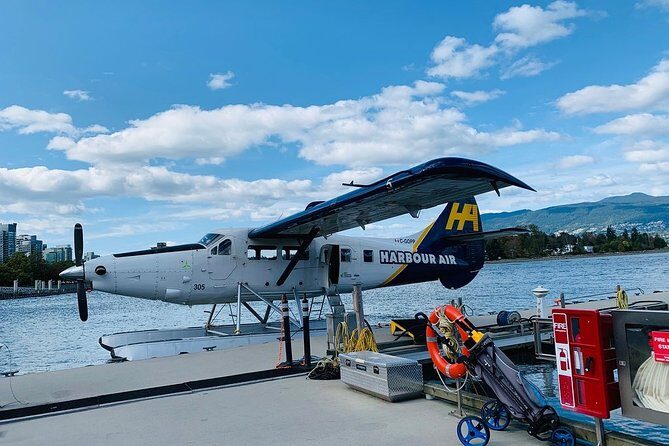
The experience is usually smooth, but small aircraft come with a couple of realities. First is space. Seats are described as tight, yet there’s often said to be no bad spot for taking photos, which is good news if you’re traveling with a camera or phone and want clear angles.
Second is sound and ear comfort. One review flagged that they weren’t told about earplugs in the seat back, and they noticed ringing afterward. I’d treat that as a simple reminder: if you’re sensitive to noise, bring your own earplugs. It’s a small step that can make the ride feel easier.
And because the flight time is short, you don’t need to pack for hours. Instead, focus on what helps in that window: charged devices, a camera strap you trust, and a light layer. You’re going to be looking out the window for most of the trip.
Baggage and Practical Rules That Affect Your Stress Level
This transfer is clear about baggage, which I appreciate. Your included allowance is 25 lbs (11 kg) guaranteed, and it also counts purses as part of that weight. That’s great for planning, because it reduces guesswork.
If you need more than the included allowance, extra baggage is listed as space available and charged at $3 per lb at check-in. The word “space available” matters: don’t plan on being able to add weight at the last minute.
Identity rules are also specific. If you’re 18 years and above, you’ll need one piece of valid government-issued photo identification, or two pieces of government-issued identification without a photograph.
Picking the Right Departure Time (and Staying Flexible)
This seaplane transfer runs on multiple daily departures, so you can choose a schedule that fits how you want your Victoria day to start. In practice, the best departure time is usually the one that helps you land earlier and reduce the amount of time you spend waiting around.
A helpful mindset: treat this like short, weather-dependent flying. The experience requires good weather, and if it’s canceled due to poor weather, you’ll be offered a different date or a full refund. That means you don’t want to anchor your entire day to a single fixed plan with zero flexibility—especially during seasons when fog and weather shifts are common in the area.
Who Should Book This One-Way Seaplane Transfer?
This works best if you:
- Are prioritizing time in Victoria and want to avoid a long day of ferry logistics.
- Love views and want an aerial perspective of Vancouver’s waterfront, Stanley Park, and nearby islands.
- Prefer simple point-to-point travel over juggling multiple local connections.
It might not be the best match if you:
- Are extremely budget-focused and want the cheapest route.
- Don’t like the idea of tight seating or paying attention to check-in cutoffs.
- Have no flexibility if weather causes delays or cancellations.
If you’re deciding between a seaplane and a ferry, I’d frame it like this: ferry is the classic value play; this seaplane is the time-and-view play.
Should You Book This Seaplane Transfer?
Book it if your trip includes a short window in Victoria and you want that “start sightseeing fast” feeling. The 35-minute flight, the central arrival in Victoria’s Inner Harbour, and the chance to see places like Stanley Park and downtown from above make this feel like more than transport.
Skip it if you’re price-sensitive or you’re already staying long enough that a ferry day won’t hurt your plan. In that case, the seaplane can start to feel like you’re paying extra for a ride you could get more cheaply.
My bottom line: if you want to buy back time and you’ll genuinely enjoy the views from the air, this is a strong choice.
FAQ
How long is the Vancouver to Victoria seaplane flight?
The flight duration is listed at about 35 minutes.
Where is the meeting point in Vancouver?
You depart from Harbour Air at 1055 Canada Pl, Vancouver, BC V6C 0C3.
Where do you arrive in Victoria?
You arrive at Harbour Air in Victoria at 950 Wharf St, Victoria, BC V8W 1T3, in the Inner Harbour area.
Is this a one-way trip or round-trip?
This is a one-way transfer from Vancouver to Victoria. A return flight is not included.
What baggage is included?
You get a guaranteed baggage allowance of 25 lbs (11 kg). This allowance includes all baggage, including purses.
Are there fees for extra baggage?
Excess baggage is listed as space available and charged at $3 per lb at check-in.
What identification do I need?
If you’re 18 or older, you must show either one piece of valid government-issued photo ID, or two pieces of government-issued ID without a photo.
What happens if the flight can’t operate due to weather?
The experience requires good weather. If it’s canceled due to poor weather, you’ll be offered a different date or a full refund.