REVIEW · WHISTLER
Squamish: Rock Climbing Beginner Experience
Book on GetYourGuide →Operated by Mountain Skills Academy & Adventures · Bookable on GetYourGuide
Squamish rock climbs can flip your nerves into focus fast. This beginner session is built around safety and steady coaching, so you can test your limits without feeling out of your depth. I like that the route choices match your ability and that you get guided progress, plus photos taken by your guide. One thing to plan for: there’s a hike from the meeting area, and snacks and water are not included.
In this half-day format (about 4 hours), you’ll learn the basics you need to start climbing with confidence, then put them to work on some of the area’s classic rock styles. The experience runs with an English-speaking, certified professional guide, and it’s offered as private or small groups if you want a more personal pace.
You’ll also spend real time outside, so show up ready for sun, wind, and quick weather changes. Bring water and food, wear hiking shoes, and pack rain gear just in case. And if you need mobility-friendly options, note that this activity isn’t suitable for wheelchair users or people with mobility impairments.
In This Review
- Key highlights worth your attention
- Why Squamish makes sense for your first climb
- The 4-hour flow: from meeting to your first real route
- Meeting and getting set up
- A hike before you climb
- Intro skills and safety basics
- Climbing time on multiple routes
- Photos and wrap-up
- Gear is included, so spend your money on feeling ready
- The coaching that turns nerves into control
- Getting your money’s worth: $108 for a half-day that includes the essentials
- Who this experience fits best in your trip
- Practical tips to help you have a smoother day
- Should you book this Squamish beginner climbing session?
- FAQ
- Where do I meet for the Squamish beginner rock climbing session?
- Is transportation provided from your hotel or a central pickup point?
- How long is the experience?
- Is this a private or small-group experience?
- What’s included in the price?
- What’s not included?
- What should I bring?
- What shoes or clothing are not allowed?
- Is the instruction in English?
- Who is the activity not suitable for?
- What is the cancellation and payment policy?
Key highlights worth your attention
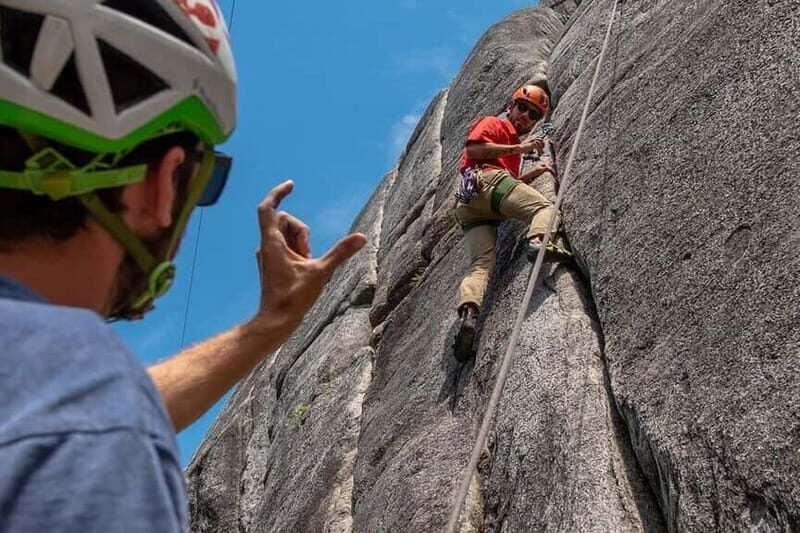
- Beginner-focused instruction with a certified English guide who keeps you secure
- Routes on Squamish rock slabs and cracks that suit different skill levels
- Photos included, so you’ll have proof besides sore hands and squinty smiles
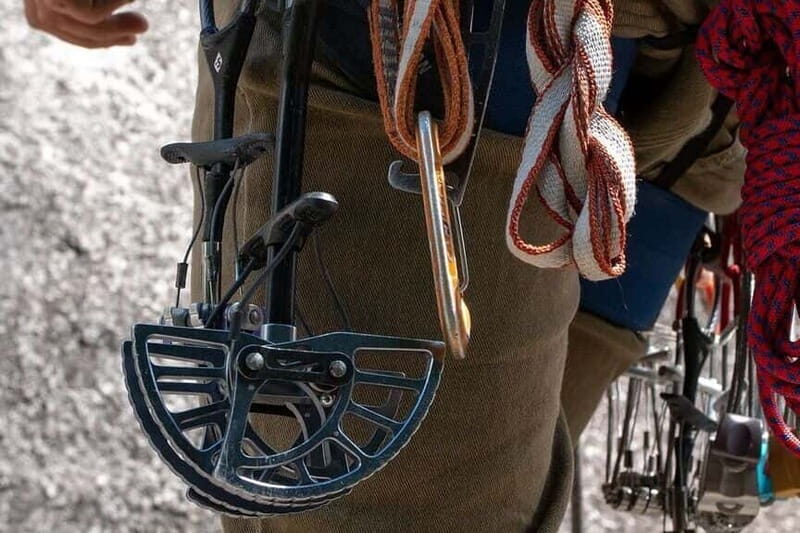
- Gear provided: shoes, harness, helmet, and ropes
- Small groups or private sessions for a more personal learning curve
Why Squamish makes sense for your first climb
Squamish is one of those places where the rock practically invites you to try. The routes here are famous for being climbable for beginners while still feeling like real climbing. That balance matters when you’re new: you want progress you can feel, but you also want to experience what makes rock climbing addictive.
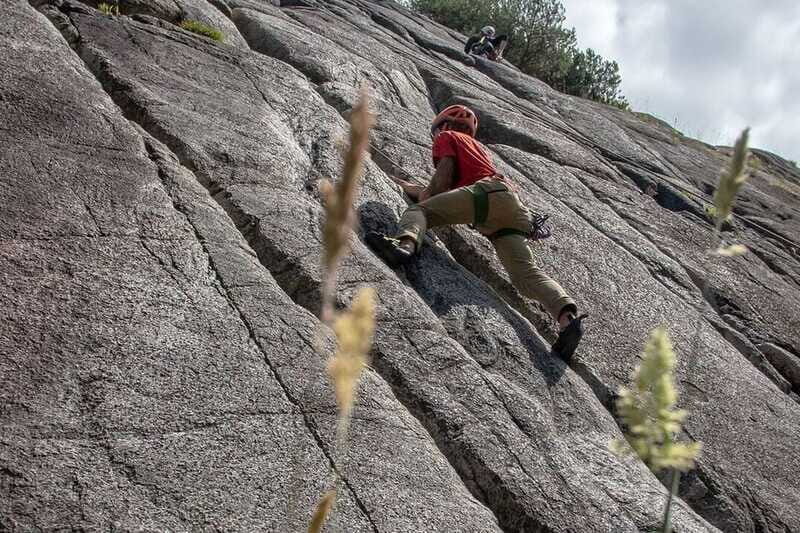
What I like about this setup is that it doesn’t send you out to flail. The emphasis is on starting skills and controlled movement, then using them on real routes in the Squamish area. The result is that you’re not only chasing height. You’re learning how to move on different rock textures—especially the slabs and cracks that show up in Squamish climbing—and you get to watch your confidence build from one hold to the next.
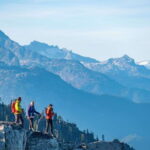
And yes, you get the payoff you came for: reaching the top of your course comes with views and that classic mix of relief and pride. Even on a half-day, that feeling is strong.
You can also read our reviews of more tours and experiences in Whistler.

The 4-hour flow: from meeting to your first real route
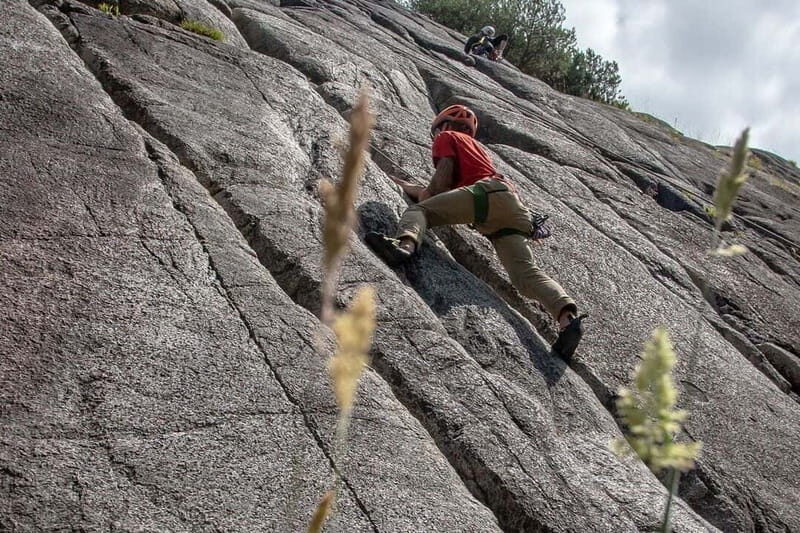
This is a half-day activity, so the schedule is tight in a good way. You’re not spending hours in a classroom. You’ll be moving, learning, and climbing in the same window.
Here’s the typical rhythm I’d expect:
Meeting and getting set up
You’ll meet at the MSAA Office. The exact climbing location is confirmed with you prior to your activity date. In at least one recent session, people met around 1:30 at the Squamish adventure centre area before heading out.
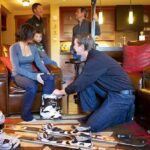
After you connect with your guide, expect time for gear and readiness. Since all the core climbing equipment is included, you’re mostly focused on getting fitted properly and being comfortable in your climbing shoes.
A hike before you climb
Then comes the hike—one recent participant noted about a couple miles to start the climbing portion. That hike is part of the experience. It’s also why hiking shoes are on your packing list and why you should bring water.
If you’re thinking you can show up in brand-new shoes or worn-out sneakers, don’t. Your feet will thank you for good traction and comfort.
Intro skills and safety basics
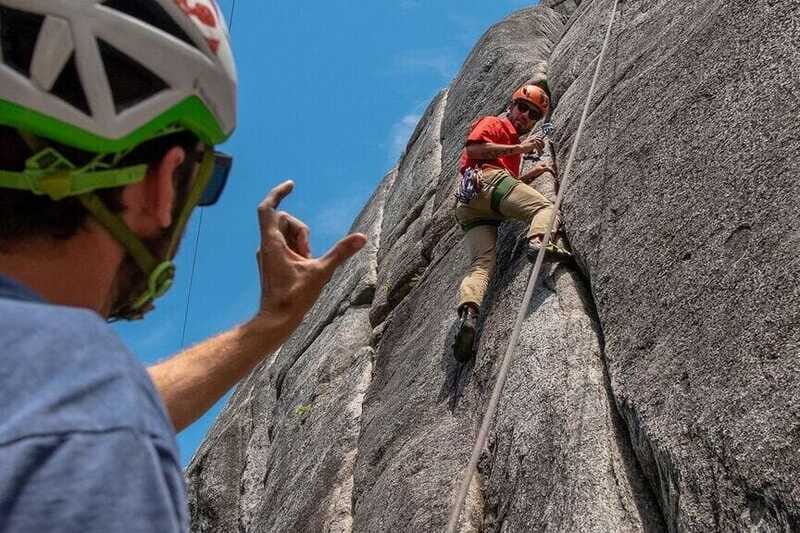
Before you start climbing, your certified guide will walk you through what you need to climb safely and confidently. You’ll learn the “how,” not just the “go.” The course is designed to set you up with the requisite skills so you can practice and improve after you leave Squamish.


Climbing time on multiple routes
Once you’re ready, you’ll climb routes selected for the group’s abilities. The style described includes rock slabs and cracks, which is great for first-timers because it teaches you how climbing changes as the rock changes.
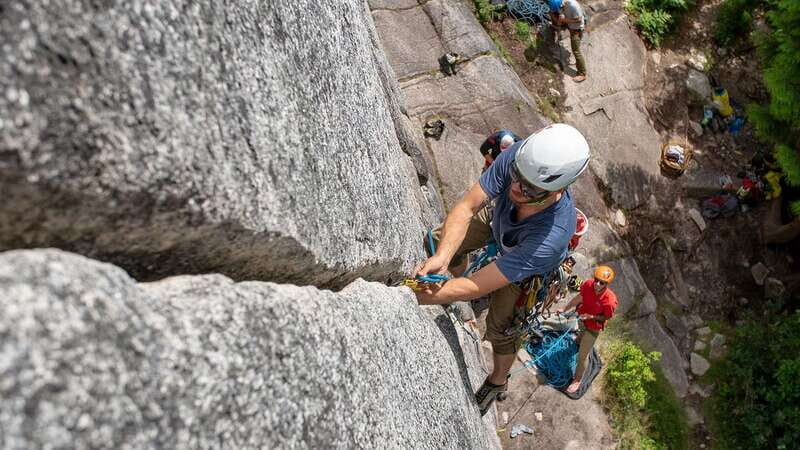
The goal isn’t to race to the hardest line. It’s to test yourself, use what you learned, and experience real progress while staying fully secure with an experienced guide. One review highlighted how Guillaume tailored the climbing to the group’s abilities and helped them build skill and confidence with patience and knowledgeable advice.
Photos and wrap-up
Your guide takes photos during the experience, and those photos are included. That’s a small detail that turns out to be a big deal for beginners. When you’re focused on holds and breathing, you rarely get the chance to capture the moment yourself.
Gear is included, so spend your money on feeling ready
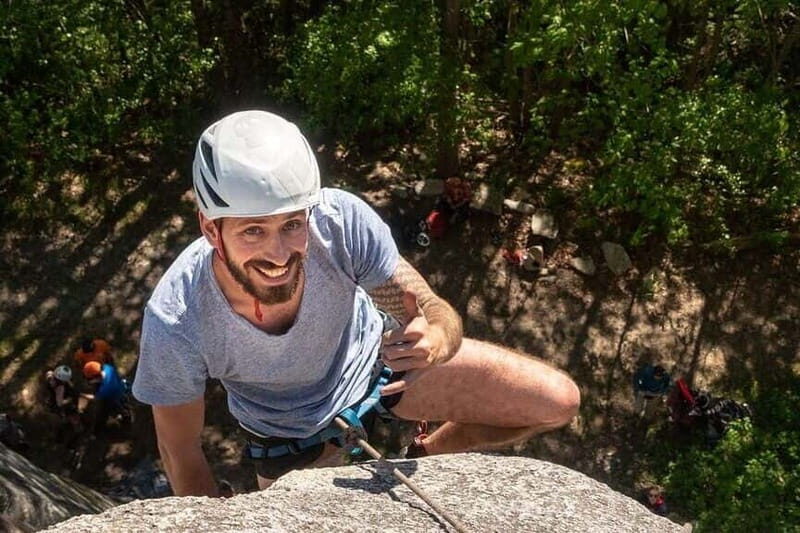
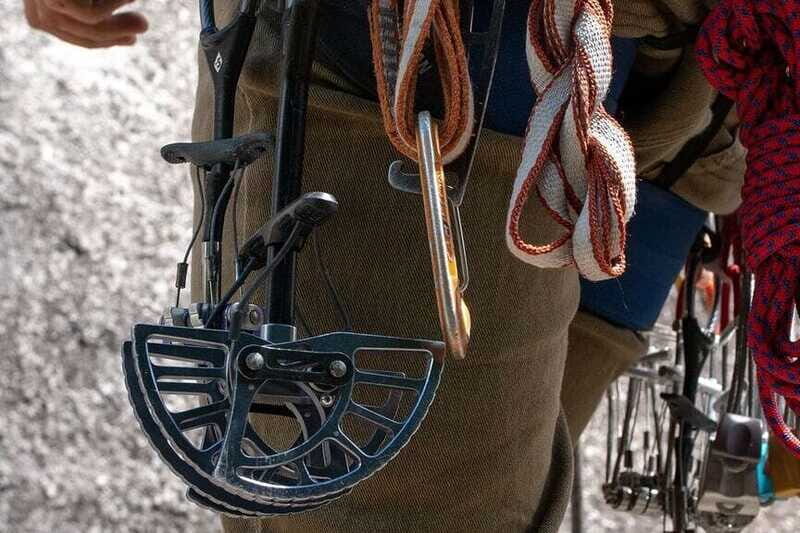
The price includes the big-ticket items you’d otherwise rent or worry about: climbing shoes, harness, helmet, and ropes. That’s valuable for beginners, because it removes a lot of guesswork. You don’t need to know the right shoe type or harness fit before you ever try.
Still, you’ll want to pack smart, because the experience is outdoors and your comfort affects your learning.
Bring:
- Sunglasses
- Food and drinks
- Hiking shoes
- Sunscreen
- Water
- Rain gear
And wear accordingly:
- Avoid open-toed shoes (they’re not allowed)
- Don’t bring high-heeled shoes
- Make sure you’re not showing up in anything that will interfere with safe climbing
Also, the activity lists no weapons or sharp objects, and no alcohol or drugs. It’s a professional, safety-first setup.
The coaching that turns nerves into control
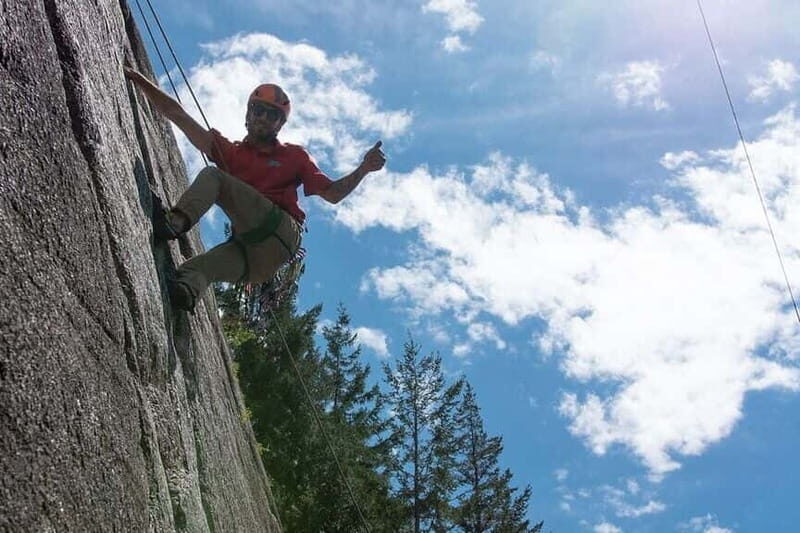
This kind of beginner climbing lives or dies by the guide. Here, you get a professional certified guide who makes sure you feel safe and completely secure while climbing. That matters more than most people expect.
When you’re new, a lot of fear isn’t about heights. It’s about not understanding what your body is supposed to do next. A good guide clears that up fast, and the reviews back that up with specific praise for patience and skill-building.
One participant experience credited Guillaume directly for tailoring the climb to the group’s abilities and helping them gain confidence on slabs and cracks. That’s the kind of guidance that helps you improve without feeling judged. If you want to learn rather than just get a taste, pay attention to this part.
You’ll also notice a shift as the session goes on. At first, you’re probably thinking about balance, where your feet go, and how to keep moving without panicking. Later, you start thinking more about technique and flow. That’s the confidence you want from a first course.
Getting your money’s worth: $108 for a half-day that includes the essentials
Let’s talk value, not just cost. At $108 per person for around 4 hours, you’re paying for:
- All core climbing gear (shoes, harness, helmet, ropes)
- A professional certified guide
- Photos taken by the guide
What’s not included:
- Snacks and water
- Transportation
For a beginner, the biggest value is the guide + gear combo. If you tried to DIY this, you’d spend time figuring out rentals, rules, and safe setup. Here, you’re paying for the learning environment and the safety oversight that lets you focus on climbing.
The only “hidden cost” is on your end: plan for food, water, and getting to the start point. The activity notes that MSAA does not provide transportation, but the locations can be reached by public transport or taxi if you don’t have your own vehicle.
Bottom line: if you show up prepared and you actually use the coaching, this price is pretty fair for a guided intro to Squamish climbing.
Who this experience fits best in your trip
This is best for people who:
- Want an introduction to rock climbing with real route time
- Prefer learning with a guide right next to them
- Like outdoor activity but don’t want to commit to a full multi-day course
- Travel with friends or want a more personal pace through private or small groups
You’ll especially like it if you’re curious about Squamish rock styles like slabs and cracks, because that gives you a broader picture than just one type of climbing.
It’s not for everyone. It lists that the activity isn’t suitable for:
- Pregnant women
- People with back problems
- People with mobility impairments
- Wheelchair users
- Visually impaired people
So if any of those apply, it’s worth looking for a different type of outdoor experience that matches your needs.
Practical tips to help you have a smoother day
A little preparation can make your learning faster and your climbing more fun.
- Wear hiking shoes you can trust on uneven ground during the hike portion.
- Bring water and food even if you think you’ll be fine. A half-day outdoors can feel longer when you’re nervous and concentrating.
- Pack rain gear. Weather near the coast can change quickly, and you don’t want wet layers messing with your focus.
- Use sunscreen and sunglasses. You’ll likely be outside a lot, and glare can distract you right when you need calm.
- Keep clothing simple and secure. The activity’s rules are clear about footwear, so choose something that works with climbing.
Also, go into it with a mindset shift: your first day is about learning how to move safely. The adrenaline comes from putting technique into action, not from trying to muscle through.
Should you book this Squamish beginner climbing session?
I’d book this if you want a short, guided introduction that gives you both skill practice and the thrill of climbing real Squamish routes. The combination of included gear, a certified guide, and photos taken for you makes it beginner-friendly in a way that’s hard to replicate on your own.
You should reconsider if you can’t do uneven terrain (because there’s a hike) or if the listed unsuitability categories apply. And if you hate planning for snacks, water, and local transit, factor that in. This is hands-on climbing, not a “transport-me-and-hand-me-a-snack” tour.
If you’re ready to try rock climbing with real support, this half-day course is a solid start—and Squamish is a strong place to learn.
FAQ
Where do I meet for the Squamish beginner rock climbing session?
You meet at the MSAA Office. The specific climbing location is confirmed with you prior to your activity date.
Is transportation provided from your hotel or a central pickup point?
No. MSAA does not provide transportation for guests, but the locations can be reached by public transport or taxi if you don’t have a vehicle.
How long is the experience?
The duration is 4 hours. Starting times depend on availability.
Is this a private or small-group experience?
It’s available as private or small groups.
What’s included in the price?
Included items are rock climbing equipment (climbing shoes, harness, helmet, ropes), a professional certified guide, and photos taken by the guide.
What’s not included?
Snacks and water are not included, and transportation is also not included.
What should I bring?
Bring sunglasses, food and drinks, hiking shoes, sunscreen, water, and rain gear.
What shoes or clothing are not allowed?
High-heeled shoes and open-toed shoes are not allowed.
Is the instruction in English?
Yes, the instructor language is English.
Who is the activity not suitable for?
It isn’t suitable for pregnant women, people with back problems, people with mobility impairments, wheelchair users, or visually impaired people.
What is the cancellation and payment policy?
You can cancel up to 24 hours in advance for a full refund. You can also reserve now and pay later.