REVIEW · KAMLOOPS
Smartphone Audio Driving Tour between Kamloops & Revelstoke
Book on Viator →Operated by Tripvia Tours · Bookable on Viator
A road trip with built-in brain food. This smartphone audio driving tour turns the Kamloops–Revelstoke highway into a story you can pause, rewind in your head, and enjoy at your pace. I like the start-and-stop freedom (you can pull over whenever you want) and the fact you don’t need signal or mobile data during the drive. One big drawback to flag: the tour is English-only, so it won’t work if you need another language.
You’ll get audio points timed to where you are, covering place names, local industries, and wildlife details along the route. I also like that it’s priced for groups: one booking covers a vehicle with up to 15 people, so it can feel like a bargain when shared. Just keep in mind you’ll need to handle the app setup yourself before you leave town.
In This Review
- Key things to know before you start
- Price and timing that actually make sense for a highway day
- The basics: how the audio driving tour works in your car
- Entering the story: what you’ll learn before you even reach the highlights
- Chase and Squilax: small towns, name origins, and the rhythm of everyday BC
- Shuswap Lake energy: swimmers, record facts, and BC quirks
- BC Wildlife Park: the “drive past” way to see conservation in action
- Malakwa, Chinook Jargon, and pidgin: why place names carry clues
- Larch Hills and Olympic timing since 1960
- Kamloops-area context: city meaning, farming, and water sports
- Eagle River Provincial Park and the people behind the name
- Three Valley Gap: ghost-hunter vibes and deep-time estimates
- Mount Griffin Ecological Reserve: a reasoned pause for nature
- The mountain road climbs: Mount Revelstoke and what you pass on the way
- Mount Begabie and volcanic past: geology you can hear
- The long “pass-by” stretches: why that’s not wasted time
- The famous Last Spike moment: the big visual payoff
- What I’d watch out for before trusting the app
- Who this Kamloops–Revelstoke audio drive is best for
- Should you book it? My straight recommendation
- FAQ
- How long is the Kamloops–Revelstoke smartphone audio driving tour?
- Do I need to start at Kamloops or Revelstoke?
- Is there a required meeting time?
- Do I need mobile data or a signal during the tour?
- What language is the tour offered in?
- Does the tour include transportation?
- What device do I need to play the audio?
- Is this a group tour with a live guide?
- Can I cancel for a refund?
Key things to know before you start

- Start-stop on your schedule: No fixed plan. You control the pulls-offs and photo stops.
- No signal or data needed: The experience doesn’t depend on mobile coverage.
- 32+ audio points on the route: You’re not just driving; you’re getting guided context.
- Choose your direction: Do it from either Kamloops or Revelstoke for more flexibility.
- Private, group-friendly format: One booking per vehicle for up to 15 people.
- English only: Plan around that if language access matters to you.
Price and timing that actually make sense for a highway day
At about $8.22 per group (up to 15 people) for roughly 2 hours 30 minutes, this tour is built for a specific kind of road trip: the one where you want to learn without committing to a guided bus. The math gets friendly fast. Even if you split it among just a few friends or family members, the cost per person usually feels low for a full stretch of highway audio.
Timing is also flexible. The tour is available any time within the long operating window, and the experience is sold as a self-guided product you can use on your own schedule. That matters on the Thompson–Okanagan / Shuswap corridor, where weather and daylight can change your plans quickly.
A few more Kamloops tours and experiences worth a look
The basics: how the audio driving tour works in your car
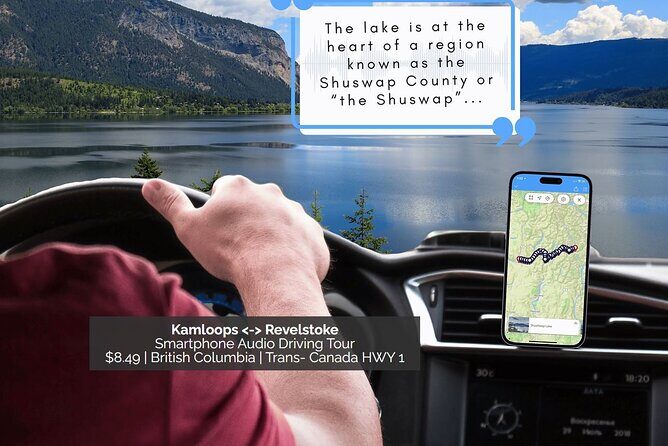
This is a smartphone audio drive, so your job is simple but important: bring a smartphone or tablet (not included), load up, and follow the prompts as you drive. There’s no separate meeting time once you’re set for your chosen day, because you’re effectively running the experience in real time with your vehicle.
Two features make this practical:
- You can start and stop anywhere along the route. The audio points are designed for “keep driving, then pull over as needed” pacing.
- No signal required and no data used. You’re not stuck hunting for cell service along the highway.
You’re also covered if you want to do it your way. You can take the tour in either direction, and you’ll finish in a different location depending on where you start.
Entering the story: what you’ll learn before you even reach the highlights
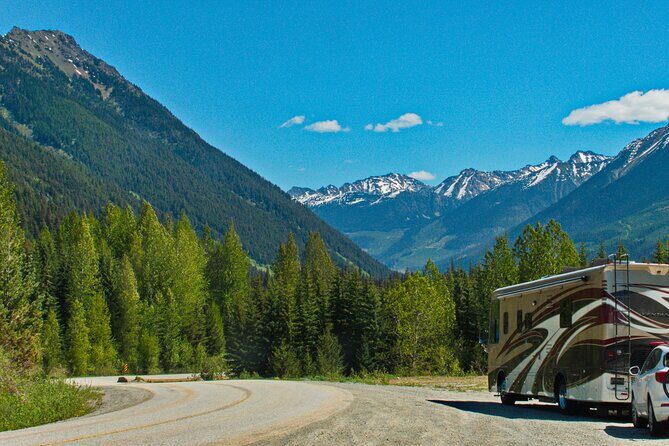
The audio points are set up to give you context as you pass key features. That’s the real value here. Instead of seeing roadside stuff as random scenery, you get the “why it exists” version.
Early on, you’ll hear about:
- a very small island (10.4 hectares) where camping and recreational facilities are not allowed, and why that matters
- how Chase got its name and what industries shape the community
- Squillax, including what you can learn from a general store and how the community grew around everyday services
These aren’t huge attractions that require tickets. They’re the kind of details that help you look closer, even when the road is moving.
Chase and Squilax: small towns, name origins, and the rhythm of everyday BC

When I think about this stretch of the Kamloops–Revelstoke drive, I picture two things: long views and quick glimpses of real communities. This tour leans into that.
In Chase, the audio focuses on name origins and the industries that keep the place humming. That kind of local context is useful because it gives you a framework for what you’re seeing in storefronts, roadsides, and nearby water.
In Squilax, you’ll get story-style context too, including the role of a general store with a particularly interesting past. The payoff is subtle: you stop treating the highway towns like speed bumps and start treating them like chapters.
If you’re traveling with kids, this part can work well because the tone tends to be playful in places, and you’ll hear fun facts as you roll through. If you prefer strictly adult, serious commentary, you might want to keep expectations in check. Some people have found the commentary style a bit kid-forward, so it’s smart to decide what you’re in the mood for.
Shuswap Lake energy: swimmers, record facts, and BC quirks

As you continue, the audio slides into the kind of local lore that makes a road trip feel personal rather than just scenic. You’ll hear why a big celebration is coordinated for spirited swimmers, plus other regional stories tied to the communities and water.
There’s also a point about a special feature that held a North American record as of 2020. The exact detail isn’t spelled out here, but the format tells you what to expect: an on-road “did you notice that?” moment, built around a specific roadside or area feature you’ll pass.
These are the kinds of audio points that work best when you’re paying attention to what’s right around you, not just the far-off view. If you tend to zone out while driving, try to give the phone a quick glance when the audio starts so you know what it’s pointing at.
BC Wildlife Park: the “drive past” way to see conservation in action
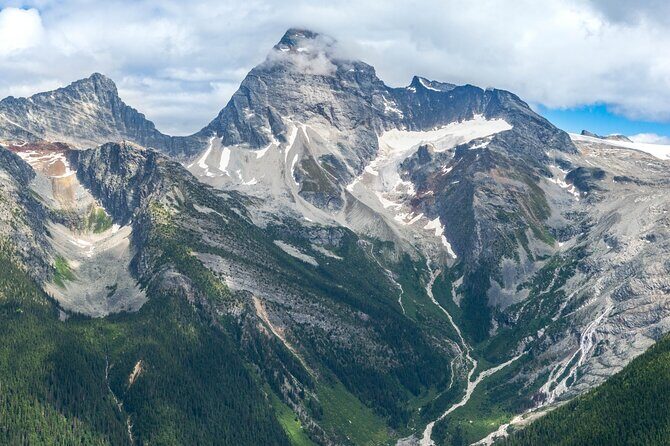
One of the most concrete, family-friendly stops on the route is the BC Wildlife Park. You won’t necessarily stop, because the audio is designed to play as you drive past unless you choose otherwise.
You’ll hear:
- that a donated 106-acre zoo sits behind the park
- why the park’s motto is Conservation through Education
- details tied to animals you might actually spot from the road
This is one of the smartest design choices on the tour. A lot of audio driving tours only talk. This one lines up the narration with a real place you can decide to visit later, without forcing you to make a hard stop during a drive day.
On the animal side, you’ll also get a section about American Dippers, including an unusual way they catch dinner. That’s the kind of detail that changes how you interpret small movements near water and shorelines.
Malakwa, Chinook Jargon, and pidgin: why place names carry clues
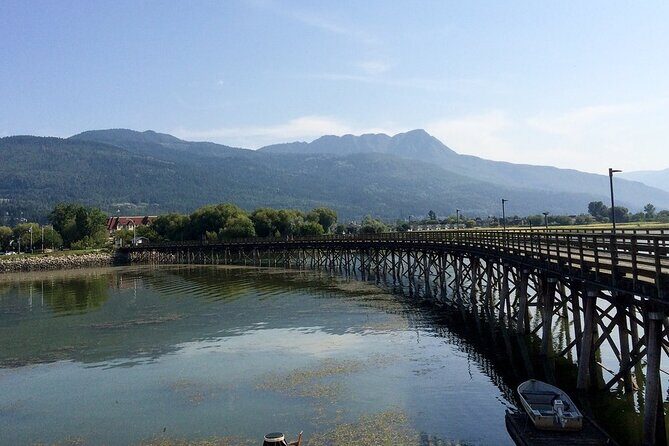
A surprising highlight is the language content. You’ll hear about Chinook Jargon & pidgin, along with why Malakwa got its name.
This is one of those sections that can feel a little academic at first, but it pays off if you like understanding how Indigenous languages, trading routes, and daily communication shaped how places were talked about. Even if you don’t plan to memorize the vocabulary, it gives you a lens for interpreting place names as history in plain form.
Larch Hills and Olympic timing since 1960

As you drive through Larch Hills, the audio will tell you which Olympic event has been held here since 1960. Even without extra stops, that kind of continuity is satisfying: it turns a stretch of road into a timeline.
If you’re a sports fan, you’ll likely want to slow your focus here and look for any related signage or structures you pass. If you’re not, this section still works as a curiosity moment, which is honestly what a driving tour should deliver.
Kamloops-area context: city meaning, farming, and water sports
Then comes a shift toward place context you can use immediately. You’ll hear:
- what the city name means and another reason the city is well known
- a guide to one of the most fertile farming areas in BC
- why that area is a wonderland for different water sports
These points are helpful because they explain why the region looks the way it does. You’ll start seeing farmland and water not as generic scenery, but as the reason people live here, work here, and play here.
Eagle River Provincial Park and the people behind the name
A later stretch focuses on Eagle River Provincial Park, including why it was named Eagle River and who named it and was here. Name stories matter in BC, because so many place names are built from specific events, observations, and the impression early visitors left behind.
This segment is another reminder of how the audio tour tries to turn what you see into what it means.
Three Valley Gap: ghost-hunter vibes and deep-time estimates
If you like roads with stories, you’ll enjoy the segment about Three Valley Gap. The audio frames it as a place you may want to visit if you’re a ghost hunter, which is playful but still grounded in the idea that local folklore lives alongside the highway.
Nearby, you’ll hear an estimate of about 40,000 years for how many people lived in the valley. That’s not a small detail. It shifts the drive from “today’s route” to “this is where humans kept coming back.”
A park opened in 2001 also appears on the audio route, with a note about what it’s protecting. You’ll pass it or close to it, so it’s a good moment to consider whether you want a short detour later.
Mount Griffin Ecological Reserve: a reasoned pause for nature
There’s also a segment about the Mount Griffin Ecological Reserve, about 10 km southeast of the audio point’s location, and why it was established.
This is the kind of audio you appreciate if you like understanding land protection. It’s also a good mental break from the town-and-trivia rhythm. You’re reminded that the highway threads through protected areas, not just commercial districts.
The mountain road climbs: Mount Revelstoke and what you pass on the way
Later, you’ll hear about a mountain road going to the tippy top of Mount Revelstoke in Mount Revelstoke National Park. Even if you don’t take that drive, the audio sets it up as a real option.
This matters if you’re planning a multi-day trip. The audio helps you spot what could be a separate outing with its own time block, instead of trying to squeeze everything into one driving afternoon.
Mount Begabie and volcanic past: geology you can hear
As you drive along, the tour explains a bit of the volcanic past of the Mount Begabie mountains.
This kind of geology note is great on a road trip because it gives you a cause-and-effect story. Instead of thinking of mountains as background, you start thinking of them as evidence.
The long “pass-by” stretches: why that’s not wasted time
The route includes lots of audio points that are essentially “you’ll pass this, and you can stop if you want.” In practice, that means you get frequent narration without forcing constant stopping.
You may end up with a rhythm like:
- audio points at meaningful features
- long stretches where you can keep driving, then
- quick moments where you’ll see something you’ll want to photograph or pull over for
That’s exactly how most people want a highway tour to work. It respects that you’re driving, not hiking.
The famous Last Spike moment: the big visual payoff
Late in the drive, you’ll be told you can stop at the famous Last Spike for as long as you like.
This is a good reminder that this isn’t just roadside trivia. It includes at least one major historical anchor, and it gives you control over how long you stay. Even a 10-minute pause can make the whole tour feel more grounded.
If you’re doing both ends of the trip (two different drives on different days), this kind of highlight is also perfect for setting up the next leg.
What I’d watch out for before trusting the app
Two issues show up in the real-world experience of this kind of self-guided audio tour:
1) Instructions for using the app can be unclear.
If you’re in a rental car, the setup can feel extra fiddly. I’d strongly suggest you spend a few minutes getting comfortable before you start rolling.
2) Occasional audio connectivity/routing glitches can happen.
In at least one case, the route connection dropped and jumped back, which led the person to replay segments mentally or manually. You can reduce stress by keeping the phone stable (mount it) and not starting the tour when you’re rushing out the door.
Also, set your expectations about the commentary style. Some people have found the tone a bit oriented toward kids, and others felt some facts were only loosely tied to what they were seeing. That doesn’t make the tour bad, but it does mean it won’t match every taste.
Who this Kamloops–Revelstoke audio drive is best for
You’ll probably love this if:
- you want to make highway time feel purposeful
- you like quick facts and place-name stories
- you’re traveling with a group and want one low-cost booking per vehicle
- you appreciate a tour where you can stop when you want and keep moving when you don’t
It might feel less ideal if:
- English-only is a deal-breaker
- you want a strictly adult narration style at all times
- you hate doing any app setup yourself
Should you book it? My straight recommendation
I’d book this tour if you’re planning a Kamloops to Revelstoke drive and you want the narration to do the heavy lifting. The value per vehicle, the no data needed feature, and the mix of history (like the Last Spike), community stories (Chase, Squillax, Malakwa), and wildlife notes make it a strong use of driving time.
I would hesitate only if English-only is a problem for your group, or if you know you tend to get frustrated when an app-based experience doesn’t guide you clearly from minute one. If you’re willing to do a short setup check before departure, the payoff is usually worth it.
FAQ
How long is the Kamloops–Revelstoke smartphone audio driving tour?
It runs about 2 hours 30 minutes, approximately.
Do I need to start at Kamloops or Revelstoke?
No. You can start in either direction and can start and stop anywhere along the route.
Is there a required meeting time?
The experience is listed as available daily from 12:00 AM to 11:30 PM, so you can pick a time within those hours.
Do I need mobile data or a signal during the tour?
No. The tour does not require signal or mobile data.
What language is the tour offered in?
It is offered in English only.
Does the tour include transportation?
No. You use your own vehicle.
What device do I need to play the audio?
You’ll need a smartphone or tablet (not included) to use the mobile ticket and audio.
Is this a group tour with a live guide?
This is a private, self-guided activity. Only your group participates.
Can I cancel for a refund?
Free cancellation is available. You can cancel up to 24 hours in advance for a full refund.