REVIEW · KAMLOOPS
Rocky Mountain Adventure
Book on Viator →Operated by Interactive Adventures · Bookable on Viator
A weekend in the Rockies can be a blur. This one stays focused on big scenery, short walks, and smart stops from Kamloops through multiple national parks.
I really like how much is included for $519.07—transport over 1300 km, lodging, park fees, and meals. I also like that the day plan mixes eye-candy stops (falls and lakes) with a couple of longer sit-and-stare moments like Peyto and Lake Louise.
The main thing to consider is the hostel style. Beauty Creek is rustic with shared dorms, no running water, and pit toilets, plus no showers.
In This Review
- Key things I’d circle before you go
- Price and value: what your $519 really buys
- The group vibe: 24 people max, lots of seat-time
- Day 1 from Kamloops to Jasper: waterfalls, the big wall, then a rustic hostel night
- Clearwater: the easy first win
- Blue River and Eleanor Lake picnic time
- Rearguard Falls: walk right to the edge
- Mount Robson viewpoint: Canada’s highest mountain in reach
- Jasper town: quick orientation + souvenir time
- Athabasca Falls and Sunwapta Falls: double waterfall hits
- Beauty Creek Wilderness Hostel: real rustic night in shared dorms
- Day 2 through the Icefields: glacier views and glacial lakes that earn their hype
- Stutfield Glacier Viewpoint and Tangle Creek Falls
- Athabasca Glacier and Columbia Icefields: the main event feel
- Saskatchewan River Crossing: another quick viewpoint
- Peyto Lake: the color stop you’ll remember
- Bow Lake and Bow Falls near Banff: calm water, then thunder
- Banff town time: 3 hours to eat and wander
- Day 3 through Yoho and Glacier to Lake Louise and Emerald Lake
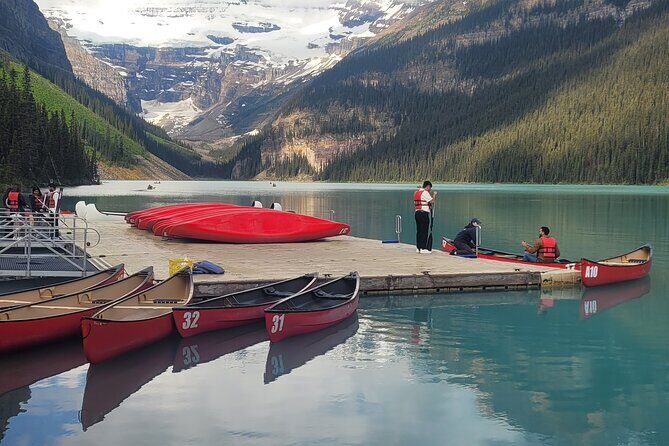
- Lake Louise: the iconic lake with time to enjoy it
- Natural Bridge: a short stop with character
- Emerald Lake: color that holds your attention
- Rogers Pass: epic mountain terrain in Glacier National Park
- Revelstoke: a quick look at the Columbia River’s start
- Hostel reality check: Beauty Creek vs Lake Louise shared dorms
- How the pace works: short walks, lots of photo time, moderate fitness
- What to pack (based on what you’ll actually face)
- Who should book Rocky Mountain Adventure
- Should you book this tour?
- FAQ
- How long is the Rocky Mountain Adventure tour?
- What is included in the price?
- Is pickup offered?
- What are the accommodations like?
- Is the tour physically demanding?
- What is the cancellation policy for a full refund?
Key things I’d circle before you go
- Small-group max of 24 keeps the pace friendly and the bus not too chaotic
- National park fees are included for Jasper, Banff, Yoho, Glacier, and Mount Revelstoke
- A mix of famous icons and quick waterfall walks means lots of variety without long hikes
- Two hostel nights in shared dorms (including a rustic night at Beauty Creek)
- Air-conditioned van or mini-bus over a long route helps on warm or smoky days
Price and value: what your $519 really buys
At $519.07 per person for about 3 days, this tour is built like a “most-you-don’t-have-to-plan” Rockies package. You’re paying for transportation over 1300 km, two hostel nights in shared dorms, three major meals moments (breakfast + dinner + lunch twice), and admission fees for multiple national parks.
That matters because the Rockies can nickel-and-dime you fast: park entry, basic lodging, and a car rental all add up. Here, those costs are bundled, so you can spend your energy on the stops that actually take your breath away.
One more quiet value point: you don’t need to navigate between towns and viewpoints. You get an organized route, plus guided timing so you can hit the best spots without guessing.
You can also read our reviews of more tours and experiences in Kamloops.
The group vibe: 24 people max, lots of seat-time
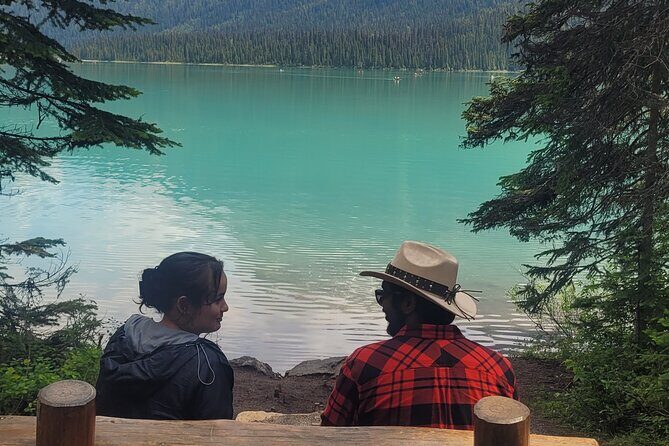
This is a guided trip with a maximum of 24 travelers, and that size tends to feel social without turning into a cattle drive. It also helps with conversations on the drive, especially if you’re traveling solo and want people to chat with along the way.
You’ll be in an air-conditioned van or mini-bus as the core experience. That’s a real comfort upgrade for a long weekend, and it also makes quick viewpoint stops easier because everyone can load and unload without chaos.
The tradeoff is that you spend a lot of the day sitting. The good news is the itinerary builds in frequent stops—so you’re not stuck in one long stretch with nothing to do.
Day 1 from Kamloops to Jasper: waterfalls, the big wall, then a rustic hostel night
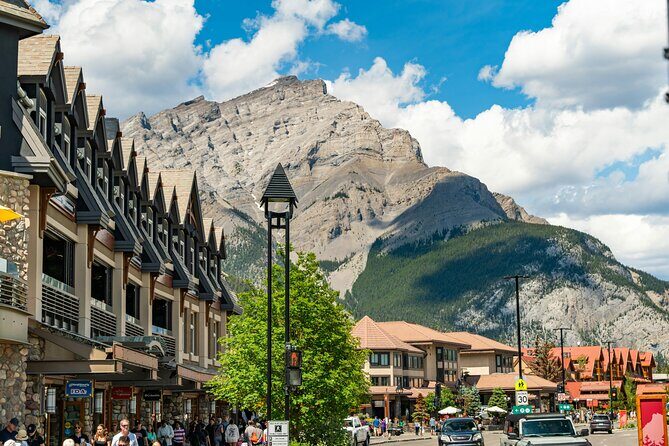
Day 1 has a strong “arrive and start looking” energy. You move from gateway scenery into iconic Canadian Rockies stops, then finish with a night in a wilderness-style hostel.
Clearwater: the easy first win
You start with a quick stop at Clearwater, the gateway area to Wells Gray Provincial Park. Even though it’s brief, it’s a momentum-builder: you’re already out of the car and onto something scenic right away.
Blue River and Eleanor Lake picnic time
Next you’ll stop in Blue River for a picnic lunch at Eleanor Lake. You get about an hour here, which is enough time to eat without rushing and take a slow walk around before everyone heads back to the bus.
This is one of those practical moments I appreciate on road trips: meal + views, without searching for a restaurant.
Rearguard Falls: walk right to the edge
Rearguard Falls is a short stop (about 20 minutes), but it’s the kind of payoff that’s worth it. The key detail is that you can walk right to the edge of the falls, so you’re close to the water, not just looking from a distance.
If you like photos where you can feel the spray (with a quick wipe of your camera lens after), this stop delivers.
Mount Robson viewpoint: Canada’s highest mountain in reach
Then comes Mount Robson, the highest mountain in the Canadian Rockies at 3854 meters above sea level. You only have about 20 minutes, so it’s not a long hiking day—but you still get that wow moment of seeing a giant mountain wall in front of you.
I’d treat this as your “stand there and stare” stop. Clouds can change everything fast in the Rockies, so having your time managed helps.
Jasper town: quick orientation + souvenir time
You’ll also have a Jasper town stop (about 30 minutes). This is useful for two things: quick orientation if you’re new to the region, and time to buy snacks, postcards, or small souvenirs without scrambling later.
It’s not meant to be a full-town experience. It’s more like a reset before the waterfall stretch.
Athabasca Falls and Sunwapta Falls: double waterfall hits
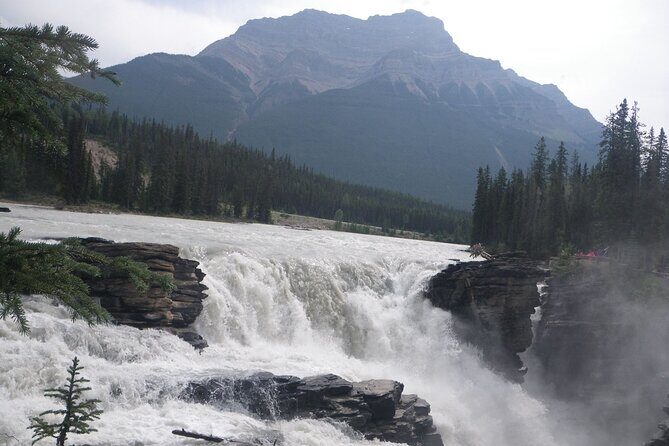
Day 1 finishes with more water power: Athabasca Falls (about 30 minutes) and then Sunwapta Falls and Canyon (about 20 minutes). At Athabasca Falls you’ll find many photo viewpoints, which makes it easier to get a shot even if the crowd shifts.
Sunwapta is notable because you get two levels—so even on a short timeline, you’re not just seeing one angle. It’s the kind of stop where you’ll understand why people talk about this region in superlatives without needing a long hike.
Beauty Creek Wilderness Hostel: real rustic night in shared dorms
Then you sleep at Beauty Creek Wilderness Hostel for the night. The setup is very hands-on: rustic cabins with bunk bed dorm rooms, no running water, no showers, and outhouse pit toilets.
This isn’t a reason to avoid it. It’s a reason to pack smart. Bring a small flashlight for nighttime, wet wipes, and a plan for washing up without a shower. If you’re good with simple, this night feels like you stepped out of the travel brochure and into the real wilderness rhythm.
Dinner is included, and the best part of this kind of hostel stop is the star factor. When you’re away from big lights, the sky can be the highlight.
Day 2 through the Icefields: glacier views and glacial lakes that earn their hype
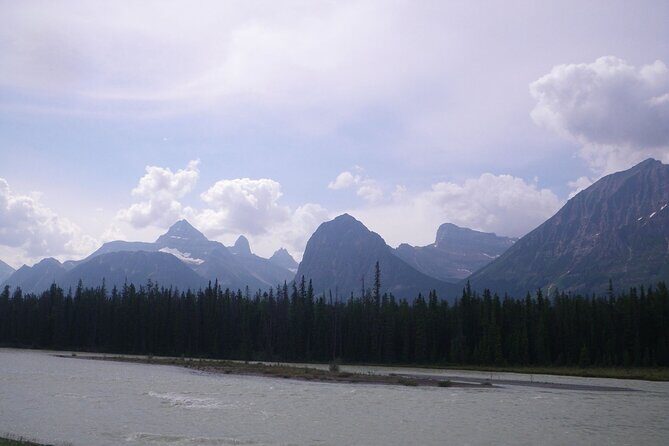
Day 2 is the “big science and big color” day: icefields, river crossings, and several iconic lakes.
Stutfield Glacier Viewpoint and Tangle Creek Falls
You start with Stutfield Glacier Viewpoint (10 minutes), then Tangle Creek Falls (about 5 minutes). These are short by design, and that’s okay—the goal is to stack memorable moments before you hit the longer stops.
With quick waterfall timing, you also get more flexibility if weather shifts. The Rockies can change fast, and your schedule needs that buffer.
Athabasca Glacier and Columbia Icefields: the main event feel
Next is Athabasca Glacier and the Columbia Icefields area (about 30 minutes). This is where the trip shifts from “pretty” to “how is this real?” because you’re looking at massive glacial terrain.
You’ll have enough time to take in the views and grab photos without feeling like you only blinked and moved on.
Saskatchewan River Crossing: another quick viewpoint
You also stop at Saskatchewan River Crossing (around 15 minutes). Think of this as your reset button between glacier and lakes. You’ll get another viewpoint moment, and those short pauses keep the day from feeling like one long drive.
Peyto Lake: the color stop you’ll remember
Then it’s Peyto Lake (about 45 minutes). This is one of the highest-impact stops on the whole weekend because you get time to absorb the glacial color and changing shoreline details.
If you care about photos, build in a little patience here. Light can shift, and the viewpoint changes your angle a lot even within a short stay.
Bow Lake and Bow Falls near Banff: calm water, then thunder
After Peyto Lake comes Bow Lake (about 30 minutes), where you can walk the edge of the lake and see glaciers in the surrounding mountains. It’s a calmer contrast to Peyto’s intense color, and it’s a nice place to breathe for a bit.
Then you head to Bow Falls (about 30 minutes), near the Banff Springs Hotel. This is another “worth it even if you don’t hike” stop because you can get viewpoints without needing a big commitment.
Banff town time: 3 hours to eat and wander
You’ll get Banff time (about 3 hours). That’s a good chunk for dinner plans and casual exploration, plus a chance to stretch your legs away from viewpoint lines.
This is also where you can pick up essentials you might have missed on the bus—snacks, a warmer layer, or a small gift.
Day 3 through Yoho and Glacier to Lake Louise and Emerald Lake
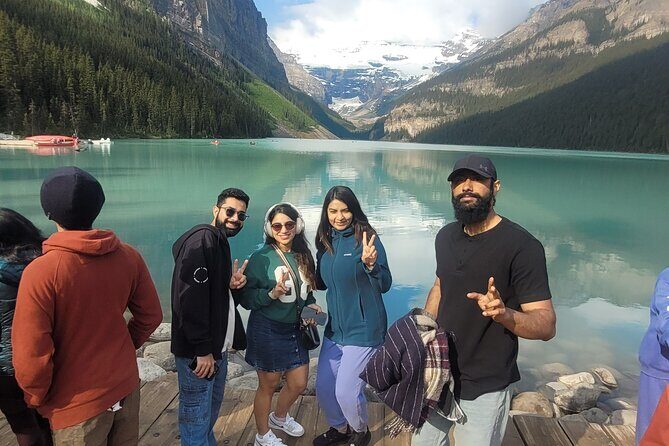
Day 3 is a classic finale: Lake Louise and Emerald Lake first, then a couple of driving stops that keep the scenery flowing.
Lake Louise: the iconic lake with time to enjoy it
You’ll visit Lake Louise for about an hour. It’s the most photographed lake in the world for a reason, but what matters here is that you don’t get rushed through.
Use your time for two things: a slow look from the main viewpoint area, then a quieter moment if you can find a spot away from the busiest angles.
Natural Bridge: a short stop with character
Next is Natural Bridge on the Kicking Horse River (about 20 minutes). This is compact, but it’s a different type of scenery—rock, water, and a natural feature rather than open lake views.
If you’re the kind of traveler who likes variety between major icons, this is a smart pause.
Emerald Lake: color that holds your attention
Then you’ll head to Emerald Lake (about 1 hour). The big thing here is the emerald color, which can look almost unreal when you’re standing near the shore.
Use the hour to slow down. It’s not just a photo stop; it’s one of those places where you’ll want to sit, look, and let the color settle in.
Rogers Pass: epic mountain terrain in Glacier National Park
You’ll stop at Rogers Pass (about 20 minutes). This is all about terrain—big mountain shapes and the feeling of being in a major corridor of the Rockies.
Even with limited time, it helps connect the dots between the lakes and the glacier areas you saw earlier.
Revelstoke: a quick look at the Columbia River’s start
Finally, you’ll visit Revelstoke (about 20 minutes) to see the Columbia River that originates in the Rocky Mountains and flows into the Pacific Ocean between Washington and Oregon.
It’s a short capstone stop, but it gives the route a bigger story. After seeing all that water come from ice and mountains, it’s satisfying to end with where it goes next.
Hostel reality check: Beauty Creek vs Lake Louise shared dorms
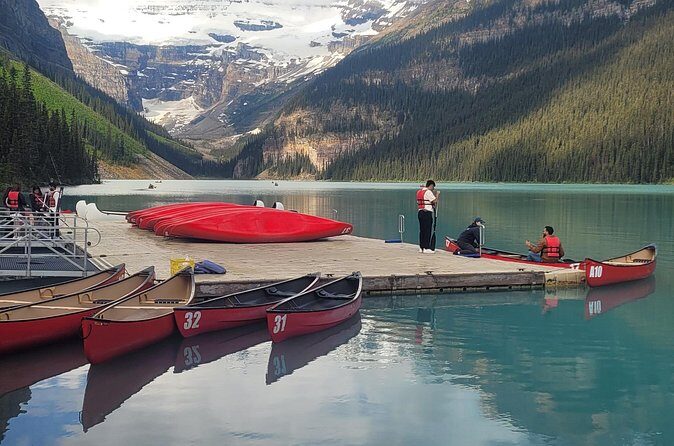
Your sleep setup is part of the experience, for better or worse depending on your style.
At Beauty Creek Wilderness Hostel, it’s truly rustic: shared dorms in cabins with bunk beds, no running water, no showers, and pit toilets. You’ll want to plan for simple hygiene and quick nighttime comfort.
Then you stay at Lake Louise Hostel in shared dorms. The tour details don’t specify the exact bathroom setup here, so I’d treat it as shared basics and come prepared with a “hostel mindset” rather than assuming hotel comforts.
One practical takeaway: bring earplugs and a sleep mask if you’re sensitive to light. Shared dorms can be noisy, and the next day’s glacier stops will come early.
How the pace works: short walks, lots of photo time, moderate fitness
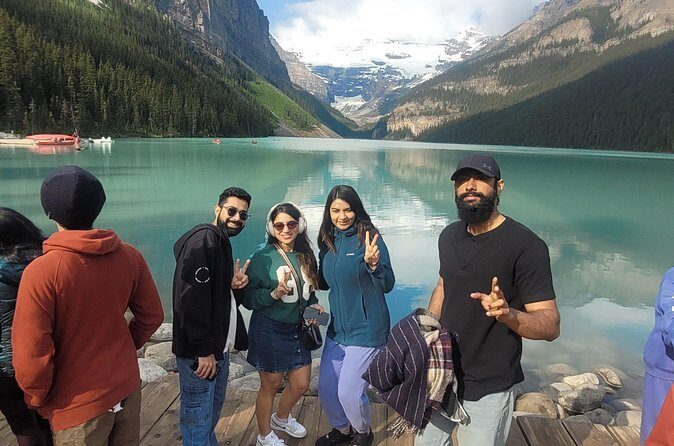
The physical demands are mostly manageable. You’re not doing a long hike, but you do have short walks and viewpoint time throughout the trip.
Stops like Rearguard Falls (walk right to the edge) and the lake edges at Bow Lake and Lake Louise mean you’ll be on your feet for stretches. The tour says moderate physical fitness is recommended, which usually fits travelers who can comfortably walk on uneven ground for short periods.
Because you’re on a tight scenic loop, shoes matter more than you think. Good grip helps if paths are wet or rocky, especially near falls.
What to pack (based on what you’ll actually face)
This trip is all about the outdoors, but with hostel constraints.
Bring:
- A warm layer (mountain weather can swing even on short stops)
- A rain shell or light waterproof jacket (falls mean mist)
- Good walking shoes with grip
- Wet wipes and hand sanitizer for hostel nights
- A small flashlight for Beauty Creek outhouse timing
- A refillable water bottle (even though the hostel has no running water, you can still keep water handy during the day)
If you rely on hair washing or daily showers, decide ahead of time how you’ll handle Beauty Creek’s no-shower setup. That choice affects how much you enjoy the rustic night.
Who should book Rocky Mountain Adventure
You’ll probably love this tour if you want:
- A short, well-paced Rockies hit without planning multiple rentals or park entries
- A mix of major icons (Lake Louise, Peyto Lake, glacier area stops) and smaller waterfall moments
- Social energy from a group that’s capped at 24 travelers
- Included lodging and park fees so you can travel with fewer logistics
You might reconsider if you need hotel-level comfort. The rustic Beauty Creek night is the biggest “nope” risk for comfort-first travelers.
Also think about your travel style. If you hate bus time, this may feel like too much vehicle and not enough roaming. If you’re okay with it, the frequent stops make the drive feel purposeful.
Should you book this tour?
I think this is a solid pick if you want the Canadian Rockies highlights in a tight window and you value included national park access. The route covers major parks and keeps stops varied: waterfalls, glaciers, and lake views without making you do long, hard hikes.
But be honest about the hostel reality. If the idea of no running water and no showers at Beauty Creek feels like a dealbreaker, choose a different option. If it sounds like part of the adventure, this one can turn into a memorable long-weekend story—glacier days, famous lakes, and a genuinely outdoorsy night under the stars.
FAQ
How long is the Rocky Mountain Adventure tour?
It runs for approximately 3 days.
What is included in the price?
The price includes dinner and breakfast, lodging at Beauty Creek Wilderness Hostel (shared dorms) and Lake Louise Hostel (shared dorms), air-conditioned transportation over 1300 km, national park admission fees for Jasper, Banff, Yoho, Glacier, and Mount Revelstoke, plus two lunches.
Is pickup offered?
Yes, pickup is offered.
What are the accommodations like?
You’ll stay in shared dorm rooms. At Beauty Creek Wilderness Hostel, there is no running water and no showers, and the restroom setup is outhouse pit toilets.
Is the tour physically demanding?
The tour is recommended for travelers with moderate physical fitness.
What is the cancellation policy for a full refund?
You can cancel up to 6 days in advance for a full refund. If you cancel between 2–6 days in advance, you receive a 50% refund, and if you cancel less than 2 days before, the amount you paid is not refunded.