REVIEW · BANFF
Smartphone Audio Driving Tour between Banff and Calgary
Book on Viator →Operated by Tripvia Tours · Bookable on Viator
The road gets a guide. This smartphone audio tour turns the Banff–Calgary drive into a self-paced set of stories, history, and place-name explanations you can play right when you need them. It also works offline, so you’re not stuck hunting signal while you’re trying to enjoy the view.
I especially like two things about it. First, you get offline playback after the initial download, which makes long stretches far less stressful. Second, the audio doesn’t just name places; it explains how things got their names (Canmore, major peaks) and what to look for as you pass.
The main drawback to consider is that you’re relying on your own setup. If your phone audio doesn’t connect to your rental car (Bluetooth can be finicky), you may be listening through your phone instead, and the trivia can pull focus if you’re the one driving.
In This Review
- Key things to know before you try it
- Why This Smartphone Audio Tour Works So Well on the Banff–Calgary Route
- Price and Value: $8.22 per Group for a 2-Hour Rockies Lesson
- Setting Up Your Phone: Offline Audio, Mobile Tickets, and Start-Up Reality
- The Drive as a Story: How the Tour Hands You Control
- Banff National Park to Canmore: Hot Springs Lore and Town-Name Clues
- The Mountain Naming Stretch: Castle-Looking Peaks, Meaningful Villages, and the Three Sisters
- Lake Louise Time: Stop Ideas, Ski Resorts, and a Tunnel Story
- Where the Audio Repeats Itself: Rivers, Roadside Stops, and Real Flex Time
- Tips to Make It Fun (and Not Distracting) While You Drive
- Who This Tour Fits Best in Your Plans
- Should You Book This Banff–Calgary Smartphone Audio Tour?
- FAQ
- How much does the Banff to Calgary smartphone audio tour cost?
- How long is the tour?
- Can I use the audio app offline?
- Do I have to follow a strict schedule?
- Is the tour offered in English?
- Is transportation included?
- Is there free cancellation?
Key things to know before you try it
- 50+ points of interest along the Banff National Park–area drive, with audio triggered by where you are.
- Offline-capable app once you’ve downloaded it on Wi-Fi or good mobile service.
- Flexible timing: there are no hard time slots, and you can stop and wander as long as you want.
- Optional trivia challenge for a little extra engagement during the drive.
- Private group experience: only your vehicle/group uses the tour, up to 15 people.
- App-style guidance, not a bus: you use your own car and set the pace.
Why This Smartphone Audio Tour Works So Well on the Banff–Calgary Route

The Banff to Calgary drive is scenic, but it can also feel like you’re just moving from one photo stop to the next. This tour changes the rhythm. Instead of thinking, OK, what now, you get a steady stream of audio moments—hot springs origins, town-name stories, mountain facts—so the road feels like part of the attraction.
The GPS-triggered setup is the big advantage. You don’t have to keep guessing when the next section starts; the app is designed to play what’s relevant as you pass each point. It’s especially helpful if this is your first time doing this highway without a local guide sitting beside you.
A few more Banff tours and experiences worth a look

Price and Value: $8.22 per Group for a 2-Hour Rockies Lesson
At $8.22 per group (up to 15), this is budget-friendly in a way that fits a family carload or a couple of friends. You’re not paying per person for narration, and that matters when you’re traveling with more than one adult.
You’re also not buying timed access to attractions. The value here comes from getting context while you drive: why places are named what they are, what to notice, and which areas you might want to visit later. If you’re planning to do a classic Rockies route anyway, the audio layer turns your drive into something closer to a guided mini-lesson.
One more value point: it’s designed for flexibility. The experience is about giving you freedom, not forcing you into a schedule. That’s rare on road-trip add-ons, and it’s a big reason the price feels fair.
Setting Up Your Phone: Offline Audio, Mobile Tickets, and Start-Up Reality

This is a mobile ticket experience. Before you go, you need a decent connection for the initial download. After that, you can use the app offline, which is ideal on routes where service can fade.
I’d treat setup like part of the trip prep. Leave your phone charged, volume set, and the app ready to go at your starting point. Some users found that once the audio caught up with where they were, the information was worthwhile, but it can be confusing at the beginning if you’re not sure what you’re waiting for. So give yourself an extra five minutes before rolling out.
Also plan for the “rental car problem.” If your car’s Bluetooth audio doesn’t cooperate, you may still be able to hear everything from your phone. I’d rather test that before you get on the open road than troubleshoot while the drive is already happening.
The Drive as a Story: How the Tour Hands You Control
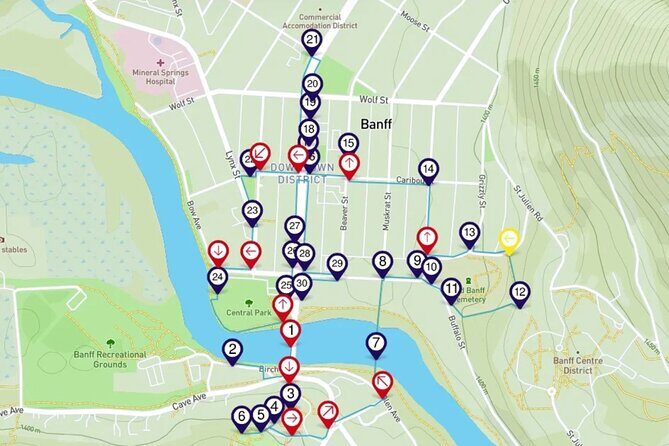
This tour is built for the kind of trip where you want to stop when something looks interesting. It explicitly supports no time constraints. If the audio points you to an attraction, you can pull over, walk around, and take as long as you like.
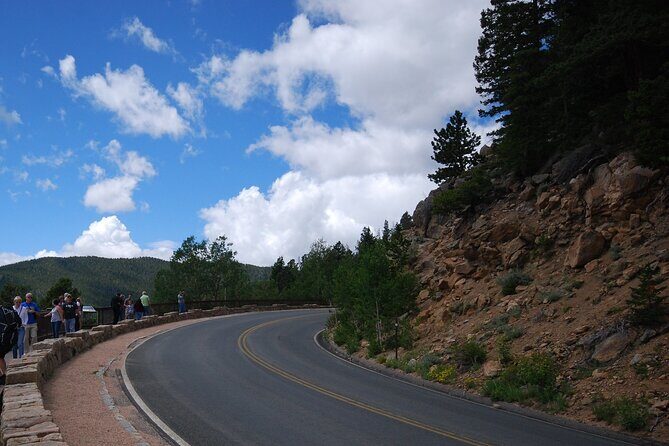
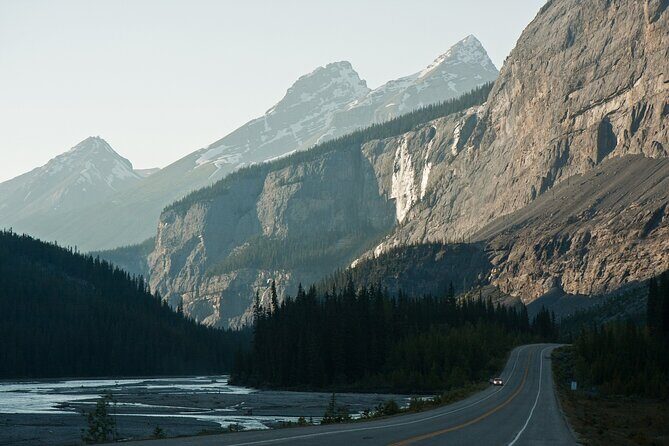
That matters because the Banff–Calgary corridor is packed with little moments: turnoffs, roadside viewpoints, and small communities that are easy to miss if you’re rushing. With this format, you don’t have to “fit” the scenery into someone else’s schedule. You can let the road decide your pace.
There’s also a practical safety angle. Trivia is optional, and you’ll likely want it when you’re not actively driving. If you have a passenger, this tour gets easier to enjoy because they can listen and react while you focus on the road.
Banff National Park to Canmore: Hot Springs Lore and Town-Name Clues

If you start from Banff toward Calgary, one of the first audio moments is about how the upper hot springs were discovered. The tour doesn’t just tell the story—it encourages you to stop and visit during your drive. That’s a great way to turn “passing by” into a real break without booking a separate tour.
As you continue, you’ll hear Stampede background explained in a lively, inventor-style way. Even if you don’t plan to attend the event itself, the audio helps you understand why it’s such an icon in the region.
Then the route moves into Kananaskis Country territory in the audio narration. Instead of feeling like you’re just leaving Banff, the app connects what you’re seeing with what the broader area is known for.
Once you get close to the Banff National Park entrance/exit zones, the tour points out a notable industrial building right before you enter the park (or after you leave). That kind of detail is surprisingly useful: it gives you a sense that this area wasn’t always just scenery and trailheads.
And then comes Canmore. You’ll learn how Canmore got its name, and later you’ll get a chance to hear about the Canmore Museum if you want to stop. If you like grounding your trip in local places (not just famous peaks), this is one of the most satisfying segments.
A few more Banff tours and experiences worth a look
The Mountain Naming Stretch: Castle-Looking Peaks, Meaningful Villages, and the Three Sisters

This tour keeps feeding you place-name stories, and that’s where it becomes more than background audio. You’ll be guided to iconic mountains and given context on how they got their names and who discovered them.
Expect multiple “look at that” moments. There’s an iconic mountain that looks like a castle, plus a small mountain village stop where the narration explains why the name fits. The tour also points out another mountain where the name seems to say it all, which is a fun theme for anyone who likes how language and geography mix in the Rockies.
Later on, the Three Sisters mountain gets its own audio moment, including the sisters’ names. This is the kind of detail you can’t really pick up from a roadside sign, and it turns a standard sightseeing stop into something you can remember and talk about afterward.
If you’re the type who likes to spot peaks while driving, you’ll probably enjoy this section the most. If you’re not into history or names, it’s still worth listening for the simple payoff of knowing what you’re looking at.
Lake Louise Time: Stop Ideas, Ski Resorts, and a Tunnel Story
The audio tour spends time around the Lake Louise area and the larger foothills feel. You’ll hear about a lake in the foothills of the Rocky Mountains and then get more commentary on that water and its appeal. If Lake Louise is on your mental must-do list, this is a nice way to build anticipation before you park.
There’s also mention of a campground you’ll pass by, plus a point where the narration is not a stop requirement but adds context in case you want to visit later. That pattern repeats throughout: you get stories and viewpoints now, plus ideas for future hikes and side trips.
Ski resorts show up multiple times too—one just outside of Banff and others further along. The audio doesn’t just say which resort is which; it explains what makes each one different. Even if you’re not skiing, it’s a good way to understand how these towns operate season-to-season.
One standout story is about the tunnel built through a mountain. You’ll hear why it was needed, when it happened, and what went wrong. That’s the kind of audio detail that turns an otherwise forgettable pass through a road cut into an actual story worth remembering.
Where the Audio Repeats Itself: Rivers, Roadside Stops, and Real Flex Time

A useful thing about this tour is that it doesn’t pretend you’re only seeing one “main sight.” You’ll drive alongside a famous mountain river multiple times, and the audio loops back with relevant commentary as you pass.
Then there’s the other kind of freedom: long stretches where the narration isn’t tied to a specific point of interest, but you can still stop anywhere and take as long as you want. Practically, this means you can use your time for:
- a quick photo pull-off
- a restroom break without losing the flow of the audio
- a short walk if a turnout looks safe and inviting
That flexibility is especially valuable on a road trip because weather and energy change minute to minute. If it’s cloudy, you might shorten stops. If it’s clear, you might linger and let the day stretch.
Tips to Make It Fun (and Not Distracting) While You Drive
This tour is best when someone else can handle audio control. Trivia can be fun, but it’s also easy for it to become background noise until you realize you missed a point. If you’re driving, make sure your passenger is the one listening.
Also keep in mind the audio trigger behavior. Some people experienced audio that stopped abruptly or that started in a way that took a minute to understand. If that happens, don’t panic. Let it play through and pay attention once it catches up to your location.
And on accents: narration style isn’t universal. If you don’t love certain accents or pronunciations, be ready for that possibility and treat it like part of the app experience—not a deal-breaker, just something to know in advance.
Finally, use the offline setup to your advantage. Once downloaded, you’re not scrambling for signal just to keep the narration going.
Who This Tour Fits Best in Your Plans
This is ideal if you want a low-cost way to make a Banff–Calgary road trip feel guided without paying for a bus. It’s also a strong match for people who:
- like audio that explains what they’re seeing (especially names and origins)
- want the freedom to stop whenever they want
- are traveling in a group where sharing one booking per vehicle is practical
It might be less ideal if you hate phone-based navigation or you strongly prefer a live guide who can adjust on the fly. The tour is designed around you driving your own route, so if you’re uncomfortable with that setup, choose a tour that includes transportation.
Should You Book This Banff–Calgary Smartphone Audio Tour?
I’d book it if your goal is to turn the drive into a story-driven route without adding extra ticket lines or hiring a formal guide. The combination of offline audio, GPS-triggered stops, and 50+ points of interest makes it feel like value, not just a novelty.
I’d think twice if you expect the car to play audio perfectly every time through Bluetooth or if you hate any chance of audio starting at the wrong moment. In that case, plan to listen through your phone and give yourself a little patience at the start.
Overall, this is a smart fit for anyone who wants to see the Rockies highlights and come away with more than just photos—facts, names, and context included.
FAQ
How much does the Banff to Calgary smartphone audio tour cost?
It costs $8.22 per group, up to 15 people.
How long is the tour?
The experience takes about 2 hours on average.
Can I use the audio app offline?
Yes. The tour notes that the app can be used offline, but you should make sure you have a good mobile or WiFi connection for the initial download.
Do I have to follow a strict schedule?
No. There are no time constraints, and you can take as long as you like to complete the tour.
Is the tour offered in English?
Yes, it’s offered in English.
Is transportation included?
No. You’ll use your own vehicle, and the tour is delivered via smartphone audio.
Is there free cancellation?
Yes. You can cancel for a full refund if you cancel at least 24 hours in advance.