REVIEW · TORONTO
Private 2-Hour Walking Crime Tour in Toronto
Book on Viator →Operated by Toronto Crime Tours · Bookable on Viator
Toronto has a darker side, and it’s walkable. This private 2-hour+ walking tour with a former detective uses real cases and social fallout to help you see familiar streets in a very different way. I especially like the way the stories connect street corners to legal decisions and public change, not just shock value.
Two things I truly like: the guide lineup (including retired police storytellers like Phil, Bob, and Dave) brings a serious point of view, and the route hits multiple eras so the city’s “crime patterns” make sense over time. The customizable private format also makes it easier to ask follow-up questions as you go, instead of feeling rushed.
One consideration: you’re on your feet for about 2 hours of walking, so you’ll want comfy shoes and a realistic plan for crowds, weather, and a brisk pace.
In This Review
- Key Highlights to Know Before You Go
- How This Private Toronto Crime Tour Feels in Real Life
- Starting at Eaton Centre: The Shoeshine Boy Murder and the Downtown Turn
- Down Yonge Street: Guns, Crossfire, and Riot Time Travel
- The Path Stop: Mental Illness and the Criminal Justice System
- Ambrose Small’s Disappearance: Toronto’s Biggest Unsolved Mystery
- Courthouse Square: Canada’s Last Public Gallows and the Absurd Laws Behind Them
- The 1915 Murder Trial of Bert Massey
- Boyd Gang: Bank Heists and a Prison Break Story That Won’t Sit Still
- St. Lawrence Market: The Jarvis Duel of 1817
- Dundas & Jarvis: Canada’s First Gangland Slaying and a Notorious Corner
- A Circus Clown Riot That Helped Reshape Toronto Policing
- The Village Serial Killer Story: When Police Said No Link, Then Found 8 Victims
- Topless Sunbathing: Illegal or Immoral?
- Distillery Historic District: Whiskey Making, Bootlegging, and a Ghosty Angle
- Price and Value: Why $28.21 Can Actually Feel Like a Bargain
- Walking Comfort, Pacing, and What to Bring
- Who This Tour Is Best For
- When This Tour Might Not Be for You
- Should You Book Toronto Crime Tours?
- FAQ
- Where does the tour start and end?
- What time does it begin?
- How long is the walk?
- Is this a private tour?
- How much does it cost?
- Do I need to buy a paper ticket?
- Do I need to bring water?
- Is it suitable if I can walk for only part of the time?
- What if the weather is bad?
- Can I get a refund if I cancel?
Key Highlights to Know Before You Go
- Private, customizable experience led by a former detective
- Real-case storytelling that links crime to how Toronto changed
- A tightly paced 2-hour+ route built for people who can walk steadily
- Multiple neighborhoods in one sweep, from Yonge Street to Old Town and the Distillery
- Macabre but social focus, including how the justice system treated mental illness
How This Private Toronto Crime Tour Feels in Real Life
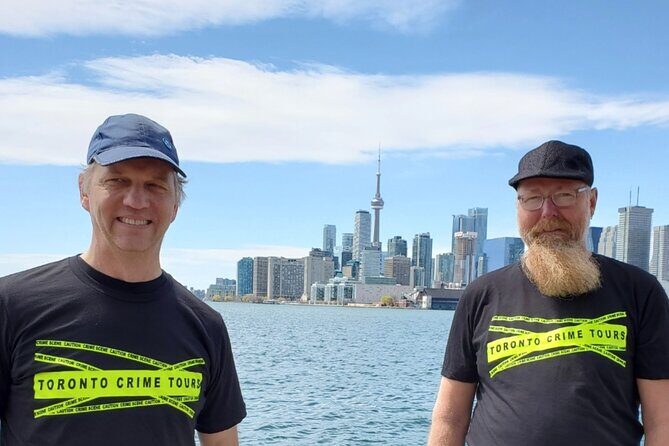
This tour is built for people who want more than a headline. You walk past big, recognizable Toronto landmarks, then you get the criminal side of what happened there—how it unfolded, what the public reaction was, and how the legal system shaped outcomes. It’s not just about villains; it’s also about the pressures of the time: gangs, riots, policing, mental health, public fear, and plain old human chaos.
Because it’s private, you aren’t stuck listening through a small tablet of facts. You can steer the conversation. If you care more about policing and procedure than murders, you’ll have room to ask. If you’re more curious about riots and public unrest, the guide can lean that way. That flexibility is the big practical win.
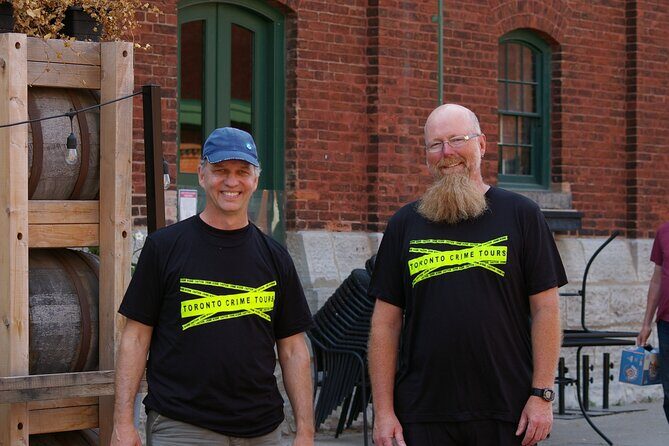
Also, the guide approach matters. This isn’t a dry lecture. Retired detective names like Phil, Bob, and Dave show up in guest feedback, and the common thread is that they speak like people who have spent years dealing with real cases—not just reading them.
You can also read our reviews of more walking tours in Toronto

Starting at Eaton Centre: The Shoeshine Boy Murder and the Downtown Turn
Your walk kicks off near CF Toronto Eaton Centre. One of the first stories is the shocking murder of a 12-year-old shoeshine boy in 1977. The point here isn’t just the crime itself. It’s how that kind of tragedy can jolt a city and trigger a cleanup effort in the downtown core.
This stop works well early in the tour because it sets the tone: Toronto’s streets aren’t just scenery. They’re stages where social conditions and policing decisions collide. Even if you know Toronto as a shopping-and-convenience hub, the tour reframes what “downtown” has meant at different points in time.
Practical note: this is a city-center area, so expect a busy environment before the stories slow you down.
Down Yonge Street: Guns, Crossfire, and Riot Time Travel
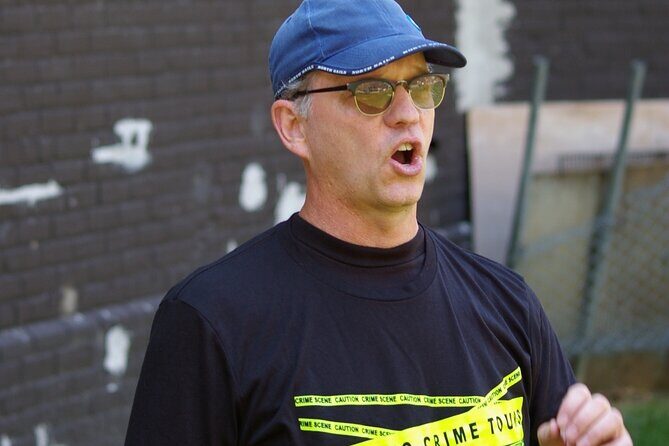
From there you move to Yonge Street, where the tour focuses on violence that spilled into public life.
You’ll hear about the 2005 Year of the Gun, and then a tragic Boxing Day incident involving the murder of a 15-year-old girl caught in the crossfire of a streetgang shootout. The way this is presented tends to highlight the ripple effect: how street-level conflict can reshape a whole neighborhood’s sense of safety.
Next comes a wider time span: riot stories that connect the Upper Canada Rebellion (1837) to the G20 riots of 2010. That range is useful. It shows you that public unrest isn’t a one-off event—it has a long local thread, tied to politics, identity, and how crowds meet authority.
If you like understanding context, Yonge Street is where you’ll feel the tour doing its real job: turning a straight line on a map into a timeline you can walk through.
The Path Stop: Mental Illness and the Criminal Justice System
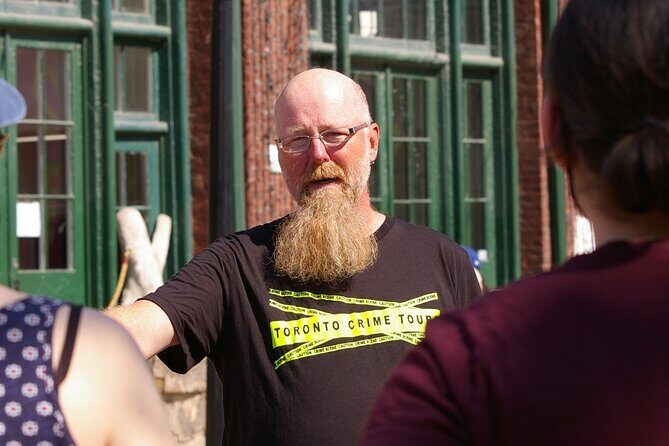
One of the most sobering parts of the walk is at The Path. Here the tour looks at how mentally ill people were treated within the criminal justice system.
This is the stop where the tour’s “crime” theme turns into “society” in a serious way. Instead of asking only who did what, it nudges you to ask how institutions responded—and what that response meant for people who were already vulnerable.
It’s also a reminder that justice systems don’t operate in a vacuum. Public fear and misunderstanding can shape outcomes as much as evidence does.
Ambrose Small’s Disappearance: Toronto’s Biggest Unsolved Mystery
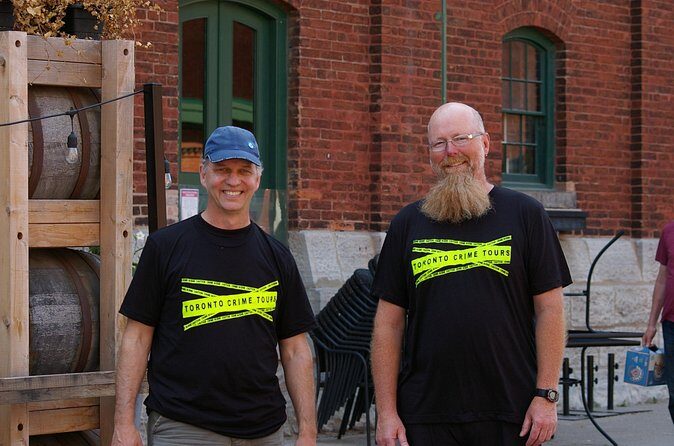
Next up is Downtown Toronto, where you hear about Ambrose Small, a wealthy theatre owner who disappeared in 1919. The tour frames this as Toronto’s greatest unsolved mystery.
Unsolved cases hit differently on a walking tour. There’s no neat ending to satisfy you, so your imagination fills the gaps. But the value is in how the story teaches you to think: who had motives, what the public believed at the time, and why mysteries like this remain sticky in the city’s memory.
If you prefer criminal history that’s less graphic and more mystery-driven, this is likely to be one of your favorite moments.
You can also read our reviews of more private tours in Toronto





Courthouse Square: Canada’s Last Public Gallows and the Absurd Laws Behind Them
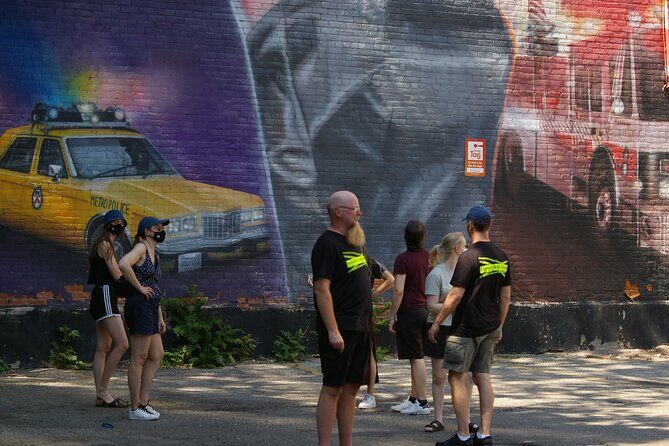
At Courthouse Square in Old Town, you’ll get a look at the last public gallows in Canada. It’s a stark setting, and the tour pairs it with a surprising detail: the list of crimes that could lead to capital punishment included things like stealing turnips and stealing cattle.
This stop is valuable because it shows a side of crime history most people don’t expect: laws and punishments were shaped by the values of the time. The result was a system that treated some everyday acts as matters serious enough for extreme punishment.
It’s also a great reminder to keep your historical lens on. Without that, it’s easy to judge the past using only modern definitions of justice.
The 1915 Murder Trial of Bert Massey

Still in Old Town, the tour covers the trial of the century in 1915, the murder of Bert Massey from the Massey Ferguson empire.
This is the angle you want if you’re curious about how wealth intersects with crime coverage, investigations, and courtroom drama. High-profile cases often change public attention—and attention changes politics and enforcement.
Even if you don’t know the name going in, the tour does a good job of making the stakes clear: this wasn’t just one crime; it was a spectacle that made its way into the city’s identity.
Boyd Gang: Bank Heists and a Prison Break Story That Won’t Sit Still

Then the tour moves into the Boyd Gang story: bank heists and their escape—highlighting an escape-twice!- from The Don Jail.
This kind of stop can be pure narrative energy. You can almost picture the era as you walk. But it’s also useful as social history. Stories about gang success and public fascination tell you what people wanted to believe—whether it was defiance, fear, or the belief that authority couldn’t really control everything.
It’s the kind of segment where your guide’s detective perspective matters. You’ll hear what made the gang effective, not just that they were criminals.
St. Lawrence Market: The Jarvis Duel of 1817
At St. Lawrence Market, the tour covers the Jarvis Duel (1817), described as the last such duel once common in Toronto.
This stop is a nice shift in tone. It’s still violence, still criminal, but it’s not the modern “investigation-and-weapon” style. It’s more about conflict resolution in a world where formal systems weren’t always trusted or available in the way we expect today.
If you want a break from murders and gangs, this is a smart mid-tour pacing shift.
Dundas & Jarvis: Canada’s First Gangland Slaying and a Notorious Corner
In Old Town you’ll also hear about Canada’s first gangland slaying in 1939, tied to the Dundas & Jarvis area, often described as The Corner.
The value here is how “place” becomes part of the story. When a neighborhood gets a reputation, it shapes everything: policing patterns, public reporting, and even how people talk about risk.
This stop also helps you understand why some crime maps stick for decades. They’re not only crime locations; they become shorthand for fear and rumor.
A Circus Clown Riot That Helped Reshape Toronto Policing
Another memorable Old Town stop is the account of a riot between circus clowns and the Hook & Ladder fire company in 1855, which the tour connects to revamping the structure of the Toronto Police that has lasting influence.
This is one of those surprising facts that makes you stop and look around. You’re standing in a real civic area while learning that policing systems can be reorganized by chaotic public incidents—not only by major crime waves.
If you like seeing how institutions evolve, this stop is a standout.
The Village Serial Killer Story: When Police Said No Link, Then Found 8 Victims
The walk turns dark again with a story about a serial killer targeting gay men in The Village. The tour notes that police said there was no proof or links among victims until they found 8 victims buried in a ravine.
This part is heavy. It’s also exactly the kind of “why society matters” framing that makes this tour different from a simple crime-spotting walk. It puts policing decisions and evidence gaps in the spotlight, and it shows how harm can continue when connections aren’t recognized.
Bring a sensitive mindset. This isn’t shock for shock’s sake.
Topless Sunbathing: Illegal or Immoral?
Still in Old Town, you’ll hear about topless sunbathing in a park, and the tour frames the question as Illegal? Immoral?
This stop is quick but thought-provoking. It nudges you to think about how society labels behavior, and how rules and values shift. Crime tours often focus on severe violence; this reminder says: not all conflict comes with a weapon. Sometimes it comes from what people decide is acceptable.
If you like social history, this is a fun brain twist.
Distillery Historic District: Whiskey Making, Bootlegging, and a Ghosty Angle
The walk ends in the Distillery Historic District, where the tour pairs business history with wrongdoing.
You’ll hear about Gooderham & Worts and the rapid growth of whiskey making starting in 1832, plus a question about whether Wort’s ghost still lingers. Then you move into part two of the complex’s story: bootlegging in 1922, tied to the rougher side of the distillery era.
This final stretch is great because it gives you contrast. You go from murders and courts to alcohol production and illegal distribution—still crime-adjacent, but closer to “how everyday industry and law collided.”
It’s also a strong finish because the Distillery area gives you an easy place to keep the evening going after the walk.
Price and Value: Why $28.21 Can Actually Feel Like a Bargain
At $28.21 per person for a private walking tour lasting about 2 hours 15 minutes, this can be a strong value—especially when the guide brings years of police work into the storytelling.
The key value isn’t only the price. It’s that you’re paying for:
- a former detective perspective
- a private format that supports questions
- a route that spreads across major Toronto areas instead of repeating one neighborhood loop
Also, you get a mobile ticket and all fees included. What you don’t get is bottled water, so you’ll want to bring your own, especially in warm weather.
Walking Comfort, Pacing, and What to Bring
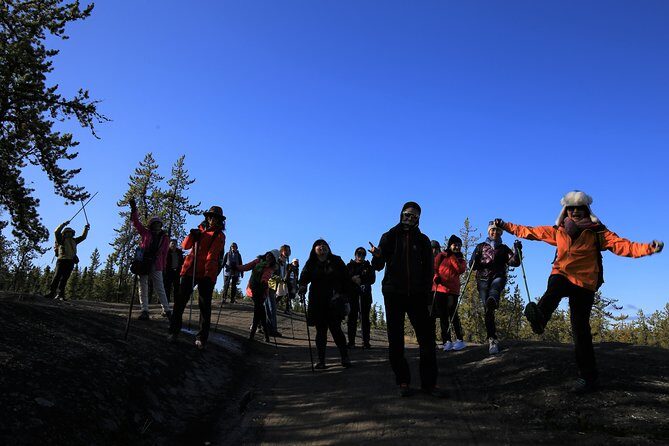
This is a walking tour that requires you to be able to walk for about 2 hours. The pace is described as brisk but workable, and one group measured around 6,500 steps. That’s a helpful real-world benchmark: you won’t be wandering casually, but it’s not a “sport event” either.
Bring:
- comfy shoes
- your own water
- a weather-ready layer (since the tour needs good weather)
Because it’s near public transportation and starts in a central spot, you’ll likely be able to manage logistics without stress.
Who This Tour Is Best For
This is a great match if you:
- like crime stories with context (how society and institutions responded)
- want to learn Toronto through specific cases instead of general sightseeing
- enjoy history that includes riots, policing, courts, and the uncomfortable parts of city life
- want a private experience with a guide who can answer follow-ups
It’s also a good option for locals who want a sharper look at how Toronto got shaped by moments people remember.
When This Tour Might Not Be for You
If graphic violence is not your thing, you might still find parts of the stories intense. This is also not ideal if you dislike walking or know you can’t maintain a steady pace for about two hours.
Lastly, if you’re looking only for light entertainment, this tour leans serious and often grim. It’s “fun” in the sense that you’ll be engaged the whole time, but it’s not a cozy ghost story.
Should You Book Toronto Crime Tours?
If you’re curious about Toronto beyond the obvious, I’d book it. The private detective-led format turns the city into a living timeline, and the stops cover a wide range—from famous mysteries like Ambrose Small to institutional change and social questions like mental illness and topless sunbathing.
The best part is that you don’t just learn names and dates. You learn how the city’s rules, fears, and enforcement played out in real spaces you can still see today.
FAQ
Where does the tour start and end?
The tour starts at 250 Yonge St, Toronto, ON M5B 2L7 and ends at 55 Mill St, Toronto, ON M5A 3C4 in the Distillery District.
What time does it begin?
The start time listed is 1:00 pm.
How long is the walk?
It runs for about 2 hours 15 minutes (approx.).
Is this a private tour?
Yes. It’s a private tour/activity, and only your group participates.
How much does it cost?
The price is $28.21 per person.
Do I need to buy a paper ticket?
No. You get a mobile ticket.
Do I need to bring water?
Bottled water is not included, so bring your own beverage, especially on warm days.
Is it suitable if I can walk for only part of the time?
The tour requires that you can walk for 2 hours.
What if the weather is bad?
This experience requires good weather. If it’s canceled due to poor weather, you’ll be offered a different date or a full refund.
Can I get a refund if I cancel?
Yes. You can cancel for a full refund up to 24 hours in advance of the start time.