REVIEW · OTTAWA
Ottawa City Highlights 3 Hour Walking Tour | Gratuity-Based
Book on Viator →Operated by Vancouver Toonie Tours Ltd. · Bookable on Viator
Ottawa has a way of teaching you Canada fast. This 3-hour, gratuity-based walking tour strings together the city’s key landmarks with story-driven stops along the river.
I love that the guides bring passion and specific local detail, not just general descriptions. I also like the practical pace: it’s an easy downtown route with short time slots at each sight, plus recommendations for food and nightlife to help you keep exploring after the walk.
One thing to consider: this is a winter-friendly city, but the experience still needs good weather, and it’s still a true walking tour. On very cold days, dress for wind and icy sidewalks so the highlights feel fun instead of painful.
In This Review
- Key highlights worth your time
- First impressions: what this 3-hour Ottawa walk feels like
- Meeting at the National War Memorial and finishing at ByWard Market
- Confederation Square: where the stories start
- Confederation Park: learning Canada without the museum fatigue
- Rideau Canal National Historic Site: the centerpiece river experience
- Centretown and the river trail vibe: everyday Ottawa meets national landmarks
- Centennial Flame: a small landmark with big timing
- Château Laurier and the CPR hotel story
- Major’s Hill Park: river views with a real park feel
- ByWard Market: where the tour naturally hands you dinner plans
- Price and value: how $5 plus tips can work (or confuse)
- Guides make or break it: lessons from Lee, Tro, Demeter, and Ibrahim
- Who this tour suits best (and who should choose something else)
- Should you book this Ottawa walking highlights tour?
- FAQ
- FAQ
- How long is the Ottawa City Highlights walking tour?
- What does the $5 price include?
- Is this tour only in English?
- Where does the tour start and end?
- Are there entrance fees for the stops?
- Is it really gratuity-based?
- What weather does the tour require?
- How many people are allowed on the tour?
- Can I cancel and get a refund?
- Is there help if a minimum number of travelers isn’t met?
Key highlights worth your time
- Gratuity-based philosophy with a low entry price that lets you spend more later on great meals
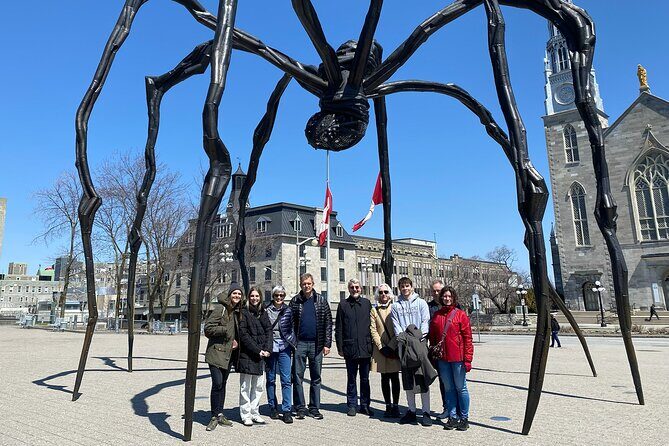
- Short, focused stops at major sites, so you get a lot of Ottawa in less than half a day
- Rideau Canal and river viewpoints that change the mood of the city with the seasons
- Real guide personalities showing up in the stories, including guides named Lee, Tro, Demeter, and Ibrahim
- End point at ByWard Market for a smooth transition into shopping and dinner
First impressions: what this 3-hour Ottawa walk feels like
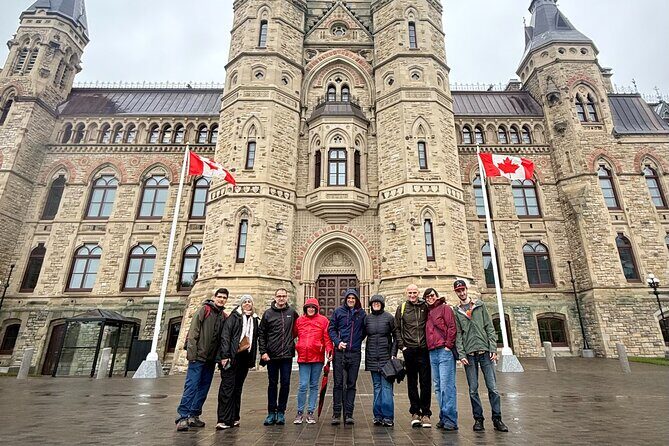
This tour is built for orientation. In about three hours, you go from the symbolic center of Canadian history to the practical, everyday beating heart of downtown: parks, river edges, and the market district.
The route is designed to be efficient. Stops are clustered in central Ottawa, so you spend your energy walking through neighborhoods instead of losing time to transit. With a maximum of 30 people, it’s usually small enough that you can ask questions without shouting over a crowd.
And because it’s offered as English (with guides who can also speak French or Spanish), you’re not stuck doing your best guess-language math while your brain is still catching up to the sights.
You can also read our reviews of more walking tours in Ottawa

Meeting at the National War Memorial and finishing at ByWard Market
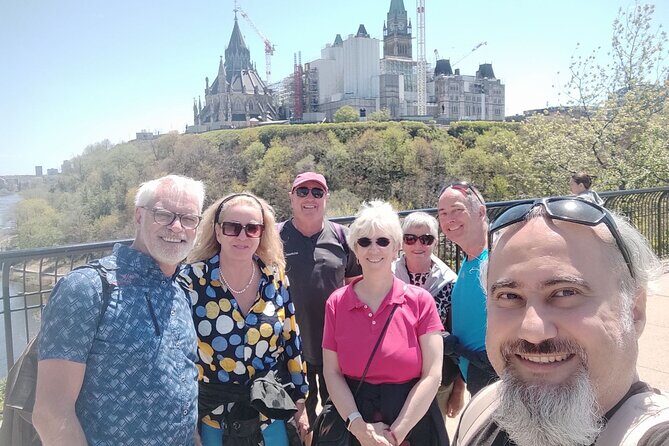
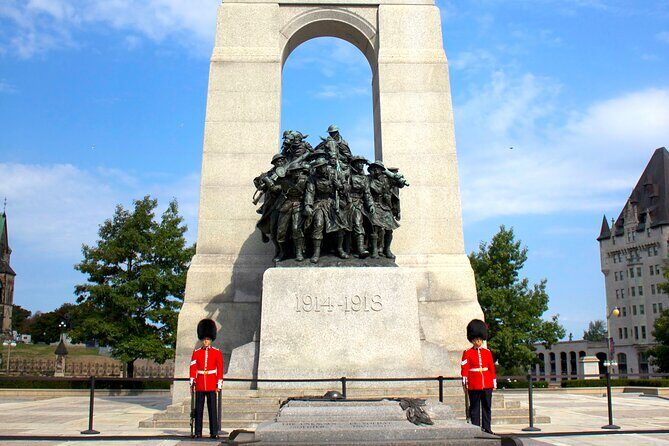
The walk starts at the National War Memorial on Wellington Street. That’s a solid starting point because you’ll be in the central core right away, not out in the suburbs where you need extra effort just to begin.
You end at the Ottawa city sign for a photo, and then you’re set up perfectly for the next step: shopping, eating, and exploring in ByWard Market. If you want your day to keep moving, this ending matters. You don’t have to “figure out what’s next” after you’ve already done the walking.
Practical tip: show up a little early. One guide-friendly suggestion from a recent solo traveler was to arrive early enough to catch the changing of the guard around 10 sharp. If that’s on your list, it’s easier to be early than to sprint.
Confederation Square: where the stories start
Confederation Square is where the tour sets its main theme: how Canada’s identity is shaped by the people and moments tied to Confederation. Even with only about 15 minutes here, you get a sense of why these sites are not just statues and stonework.
This is the stop that helps first-timers connect dates and names to places. If you’ve ever seen a monument and wondered what it’s actually referencing, this is the moment to start paying attention.
Drawback to keep in mind: because the time is short, you won’t leave with a full textbook history lesson. The value is the way the guide frames the context so you can notice details later on your own.
Confederation Park: learning Canada without the museum fatigue
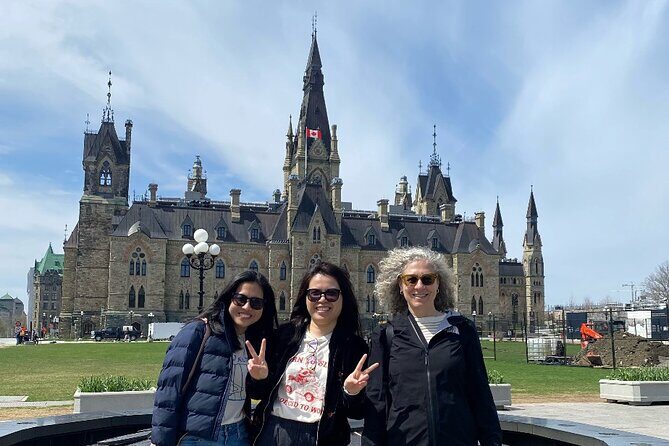
Next up is Confederation Park, also about 15 minutes. This is another key piece of the early-national story, but it’s a different style than Confederation Square. Expect a more relaxed, outdoor understanding of what Confederation means in physical space.
This part of the walk is good if you like history that stays tied to geography. You’re not stuck inside. You’re moving, looking around, and hearing the “why” behind what you’re seeing.
A note on pacing: short stops can feel perfect or slightly rushed depending on your style. If you love slow roaming, you might want to plan your own “return trip” later—especially once you’ve got your bearings.
Rideau Canal National Historic Site: the centerpiece river experience
Then you hit the Rideau Canal National Historic Site for about 30 minutes. This is one of Ottawa’s signature features for a reason. It’s described as the oldest continuously operated canal in North America and a major piece of infrastructure for Ottawa and Canada.
What I like about this stop is that it gives Ottawa its “sense of place.” You see how the city grew around this waterway, and you understand why this canal isn’t just scenic—it’s functional history.
Also, it’s a seasonal transformation machine. The canal trail becomes an ice-skating rink in winter, which means the same geography can feel totally different depending on when you visit. Even if your trip isn’t in peak winter skating season, you still get the visual clue that Ottawa’s river is central to daily life.
You can also read our reviews of more city tours in Ottawa




Centretown and the river trail vibe: everyday Ottawa meets national landmarks
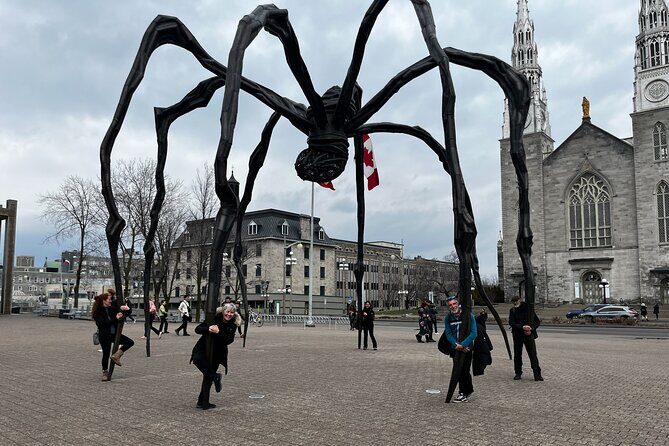
After the canal, you move into Centretown. The tour keeps this section to about 15 minutes, but the stop works because Centretown is the “in-between” zone: leafy residential character plus a busy commercial core.
You’ll get a snapshot of neighborhoods that make Ottawa feel lived-in. This is where people shop, eat brunch, and hit Irish pubs along Elgin and Bank streets. The parks dotted with monuments and public artwork also come into focus here, and you’ll hear how the river trail shapes daily stroll culture.
If you’re visiting for the first time, this stop helps you stop thinking of Ottawa as just buildings and monuments. It reminds you Ottawa is also neighborhoods with habits—where you can plan a return walk later.
Centennial Flame: a small landmark with big timing
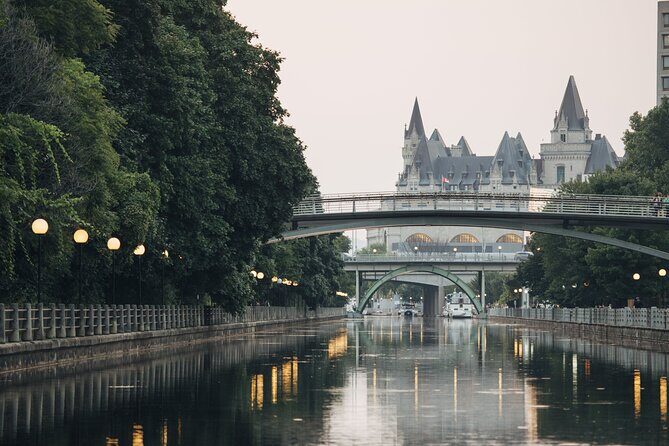
Next is the Centennial Flame, a fountain-and-flame landmark dedicated in 1967 to honor Canada’s 100th anniversary of Confederation.
This is one of those stops that could be easy to ignore if you were walking on your own. A guide’s job is partly to steer your attention to the details that explain time periods. Here, you learn how the city marks anniversaries and how national identity is celebrated in public space.
This one is quick (about 15 minutes), so it’s best as a palate cleanser before the more iconic hotel and major park scenery.
Château Laurier and the CPR hotel story
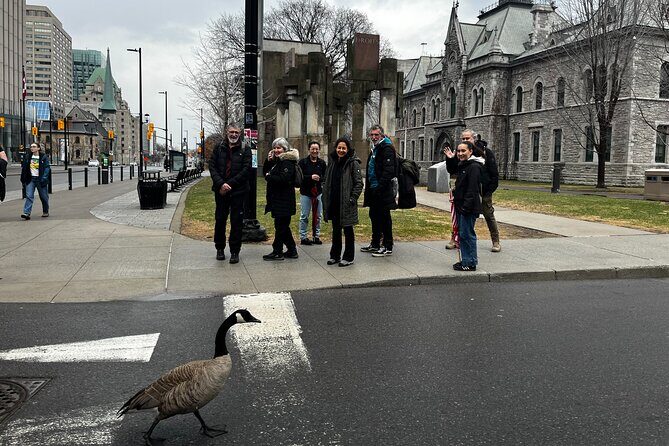
You’ll then reach Fairmont Château Laurier for another short stop of about 15 minutes. This is a famous CPR hotel found across Canada—so even if you don’t know much about railroad history, you’re looking at a symbol of how travel and major infrastructure shaped the country.
What makes this stop useful is the way it links an iconic building to a broader national story. Ottawa’s landmarks often feel like they belong to “the capital only,” but this is a reminder: the capital’s fame was built alongside major transportation networks.
One possible drawback: if you’re expecting interior access, this stop won’t satisfy that kind of wish list. It’s a walking highlight, so your time is about seeing and hearing, not wandering inside.
Major’s Hill Park: river views with a real park feel
Major’s Hill Park comes next for about 30 minutes. It’s described as a leafy city park with striking river views, walking paths, seasonal events, and gardens.
This is one of the best stops for resetting your brain. After monument-and-building storytelling, you get open air and viewpoint time. The river is right there, and you can see why locals and visitors both build routines around this water edge.
If you’re visiting in winter, this is the kind of place where the season becomes part of the narrative. If you’re visiting in summer, you’ll likely notice the park’s role as a calm break from downtown motion.
ByWard Market: where the tour naturally hands you dinner plans
The last big stop is ByWard Market for about 30 minutes. This area, established in 1826, is one of Canada’s oldest and most vibrant districts. You’ll see a year-round farmer’s market, boutique shops, and diverse dining options.
And yes, BeaverTails are part of the local “must try” conversation around here. This is also the place for nightlife energy, street performances, and cultural attractions—plus it’s near major landmarks like Parliament Hill and the Rideau Canal.
The tour ends here, and that’s smart. You’ll have just enough Ottawa context to make your shopping and food choices feel intentional. Instead of asking yourself what to do next, you’re already standing in the place where multiple good options are within walking distance.
Price and value: how $5 plus tips can work (or confuse)
The advertised price is $5.00 per person for approximately 3 hours. That’s low enough that you should think of it as a ticket toward a guided walking experience—while the true “payoff” is the guide’s work funded by gratuities.
Here’s the value logic that makes sense: you’re paying for time, organization, and interpretation. The tour includes a personable guide, passionately researched local history, and recommendations for food, entertainment, and nightlife. Those suggestions can save you hours of guesswork once you’re tired.
That said, there’s a caution flag based on one mixed review: some people expected a fully gratuity-only setup and felt surprised by what they paid at booking. If you want a clear mindset, treat the booking price as the platform fee and think of tipping as the guide’s earnings—because that’s how the tour is positioned.
Guides make or break it: lessons from Lee, Tro, Demeter, and Ibrahim
One of the most praised parts of this experience is the guide. The positive reviews consistently point to storytelling that feels personal, not robotic.
Specific guide names mentioned include Lee, Tro, Demeter, and Ibrahim (and one review used a similar name spelling). Across those experiences, the common strengths were:
- clear, useful history
- friendliness and a willingness to answer questions
- pointing out personal favorites like murals and sculptures
- getting the information amount right for a short walk
- small adjustments when someone needed a break
One solo traveler also shared that when the group was very small, they had more space to ask questions. That’s not guaranteed, but it’s a good reminder: the more intimate the group, the more you can turn the walk into a real conversation.
If you’re the type who wants “high signal” commentary, this tour tends to deliver—especially when you engage. Ask questions when your curiosity spikes. It’s a walking format, so your best information won’t come later in a brochure.
Who this tour suits best (and who should choose something else)
This walk is ideal if you’re:
- visiting Ottawa for the first time and want quick orientation
- short on time but still want meaningful context for major sights
- the kind of person who enjoys hearing stories tied to what you’re actually looking at
- planning to end in a food area and keep exploring right away
It might not be your best match if you:
- want lots of museum time or interior visits
- dislike walking in winter conditions
- prefer a self-guided format with zero group interaction
Also, since the tour needs good weather, plan your expectations around that. In Ottawa, “a little cold” is manageable; “icy chaos” is where you’ll feel it more.
Should you book this Ottawa walking highlights tour?
If you’re trying to make your limited Ottawa time count, I’d say yes—especially for the river-and-monument mix. You get Confederation-era context, a strong Rideau Canal focus, and then a natural landing into ByWard Market for real food options.
Book it early in your trip if you like the idea of using the guide as a shortcut to what’s worth your time afterward. And pack for the season. A good historical story won’t help if you’re stuck battling cold feet.
If you’re sensitive about clarity on payment expectations, go in knowing it’s a guided experience with gratuities expected and a low booking price. Arrive at the start point with a bit of buffer so you don’t lose precious weekend hours.
FAQ
FAQ
How long is the Ottawa City Highlights walking tour?
It runs for about 3 hours.
What does the $5 price include?
The tour price is $5.00 per person, and the tour includes a guide with local history plus recommendations and discounts on must-do experiences. Gratuities are not included.
Is this tour only in English?
The tour is offered in English, and guides can also speak French or Spanish.
Where does the tour start and end?
It starts at the National War Memorial on Wellington St, Ottawa, and ends at the Ottawa city sign in the ByWard Market area.
Are there entrance fees for the stops?
The stops listed are marked as free admission. The tour data you provided shows free admission ticket status for each named stop.
Is it really gratuity-based?
Yes. The tour notes that gratuities are not included, and it states that guides work for gratuities.
What weather does the tour require?
The tour requires good weather. If it’s canceled due to poor weather, you’re offered a different date or a full refund.
How many people are allowed on the tour?
The maximum group size is 30 travelers.
Can I cancel and get a refund?
Free cancellation is available up to 24 hours in advance for a full refund.
Is there help if a minimum number of travelers isn’t met?
If the minimum number isn’t met, the experience can be canceled and you’ll be offered a different date/experience or a full refund.