REVIEW · CALGARY
Explore Banff National Park & Lake Louise Day Trip
Book on GetYourGuide →Operated by Rocky Mountain Trips · Bookable on GetYourGuide
First crack in the ice, then big lake views. This day trip strings together Banff’s headline sights with smart timing, guided walks, and quick photo breaks, so you get value without the stress. I really like the certified local guide vibe, especially how guides name the best spots and keep the day moving. I also like that you’re usually not stuck waiting in long lines thanks to a separate-entrance approach. One thing to consider: it’s a full day in a vehicle (8–10 hours), and you’ll want good shoes and a realistic expectation that weather can change what you see.
What I love most is how the tour balances icons with breathing room. You get guided time at places like Johnston Canyon and the big glacier lakes, plus a full chunk of free time in Banff town to eat and wander on your own. The tour is also set up to make stops work in different seasons, with winter crampons and summer access planning for Moraine Lake.
The main drawback is simple: meals are not included. Bring snacks and plan where you’ll eat during Banff Avenue time, because the schedule doesn’t include a full sit-down lunch.
In This Review
- Key Points You’ll Care About
- Why This Banff Day Trip Feels Easier Than Doing It Alone
- Pickup, Ride Comfort, and How the Day Really Starts
- Johnston Canyon in Winter: Frozen Waterfalls and Crampons Included
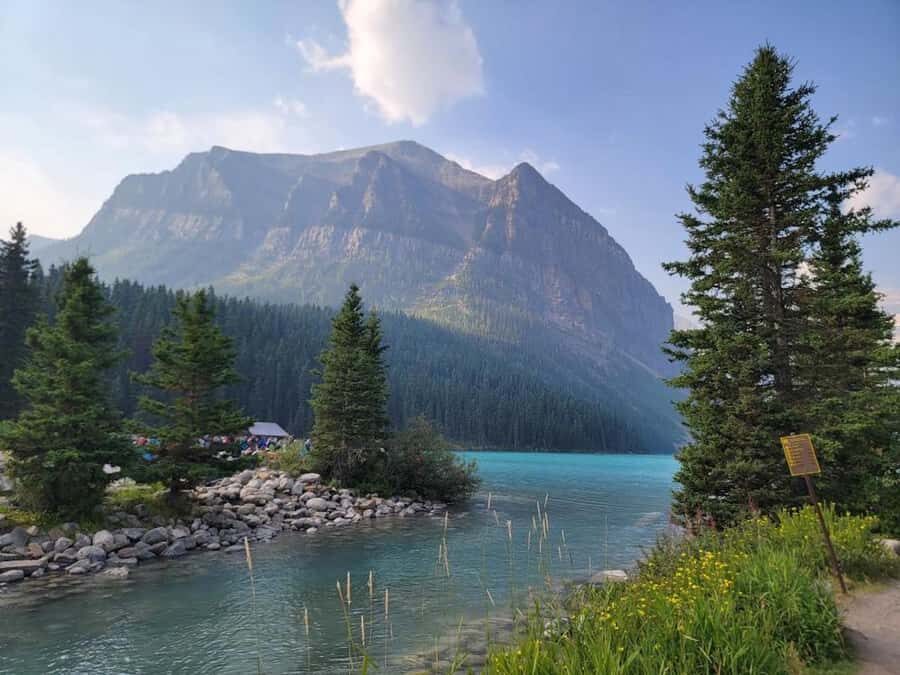
- Lake Louise Time: Where You’ll Actually See the Glacier Backdrop
- Moraine Lake in Summer: Access Planning and Guided Time
- Banff Avenue Free Time: Your Two-Hour Window to Eat, Shop, and Reset
- Bow Falls and the Surprise Corner View: Quick Stops That Pay Off
- Castle Mountain and Scenic Drives: The In-Between Moments You’ll Remember
- Lake Minnewanka: A Calm Finish (Especially in Summer)
- Wildlife Chances and How the Guide Changes Your Odds
- Price and Value: Is $87 Reasonable for a Full Day?
- What to Bring, What Not to Do, and the Small Rules That Matter
- Who This Banff Trip Is For (and Who Should Skip It)
- Should You Book This Day Trip?
Key Points You’ll Care About
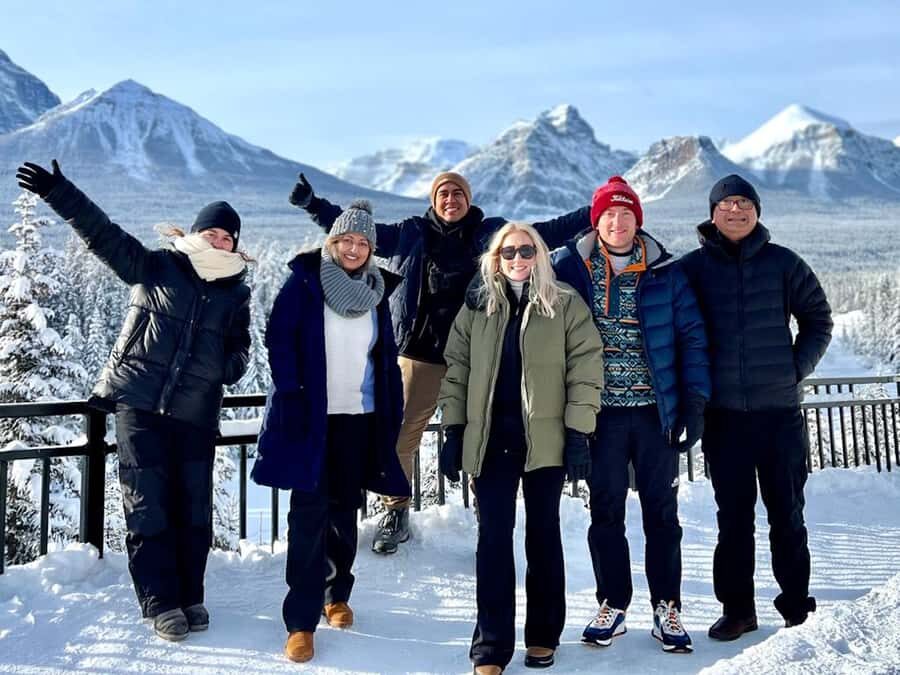
- Pickup options across Calgary, Banff, and Canmore so you don’t waste time getting to the van
- Skip-the-line access that helps you spend more time outside and less time stuck at gates
- Season-adjusted routing: Johnston Canyon walk in winter, Moraine Lake access in summer, and a swap to Minnewanka depending on the program
- Guide-led photo planning with frequent viewpoints and quick stops that pay off
- Comfort-focused transport with a high satisfaction score for the ride and vehicle setup
- Stops that stack fast (Lake Louise + Moraine + Banff + Bow Falls + viewpoints) within a single day
Why This Banff Day Trip Feels Easier Than Doing It Alone
Banff can be one of those places where you either plan carefully or you spend your day trapped in traffic, waiting for parking, and missing the best light. This tour avoids a lot of that friction by handling the driving and the stop rhythm for you. The result is a day that feels packed, but not chaotic.
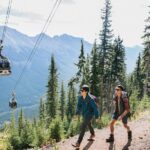
I also like that the tour is built around real viewing time, not just drive-bys. You get guided walks at Johnston Canyon, plus guided time at Moraine Lake, and then short, purposeful breaks at spots like Bow Falls and Surprise Corner (or Minnewanka in summer). If you’re short on days in the Rockies, that matters.
And yes, wildlife is part of the pitch. The day is designed for wildlife opportunities from the vehicle, and guides often share what to watch for while you’re traveling between stops.
A few more Calgary tours and experiences worth a look
Pickup, Ride Comfort, and How the Day Really Starts
You’ll have options for where you begin. The tour lists starting points around Calgary, plus Canmore, and Banff Town, with specific pickup locations tied to your booking. In practice, this helps you avoid the annoying problem of trying to coordinate a shuttle from one side of the city while your day is already slipping away.
Once you’re on board, the transport quality stands out in the feedback: people consistently mention a comfortable van ride and friendly, organized pacing. Several visitors also called out guides who helped with photos and made sure everyone could see the views without feeling rushed.
One more practical detail: the tour includes bottled water, so you’re not hunting for it at every stop. Still, pack snacks because meals and drinks are not included.
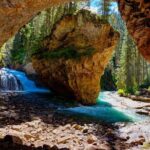
Johnston Canyon in Winter: Frozen Waterfalls and Crampons Included
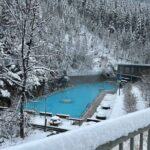
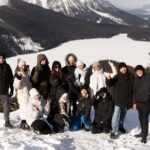
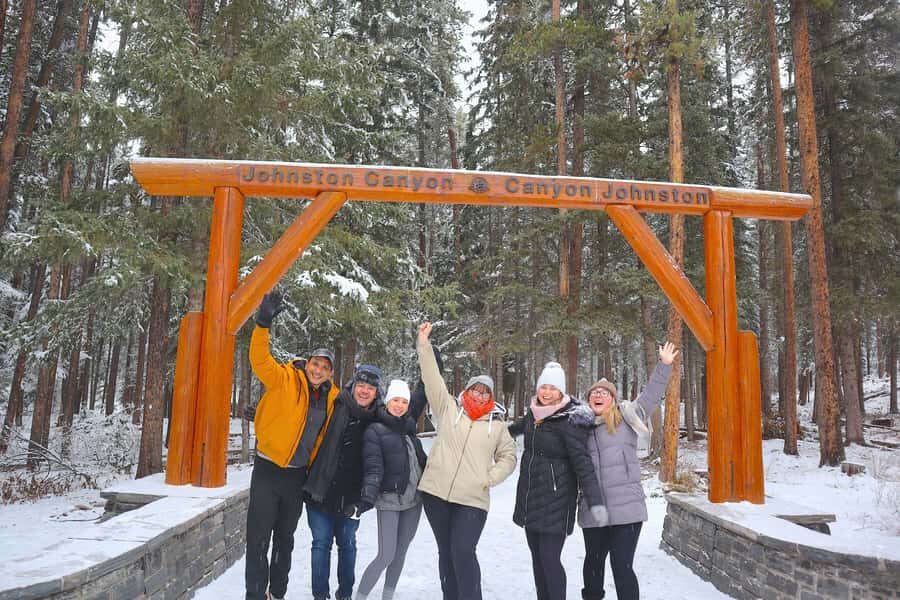
In winter months, the day kicks off with Johnston Canyon. Expect a true cold-weather walk where the canyon’s waterfalls freeze into icy formations. It’s the kind of stop that instantly explains why Banff looks different in January versus July.
This is also where the included gear matters. The tour provides crampons for winter conditions, which makes the walking portion more manageable on icy paths. If you’re used to plain hiking shoes, crampons can be the difference between comfortable exploration and a nervous shuffle.
How it feels on the ground: the canyon is rugged and dramatic, but the real value is the combination of guided context and time to look around. You’ll also get scenic driving time along the way, so the morning isn’t just transit.
What to watch for: winter weather changes footing fast. Wear warm layers, and bring comfortable shoes you trust. The tour takes place rain or snow or shine, with an alternate arrangement offered for severe weather.
Lake Louise Time: Where You’ll Actually See the Glacier Backdrop
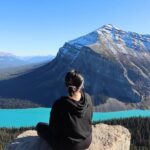
Lake Louise is next, and the schedule gives you time to experience it beyond a quick photo. You’ll have about an hour for sightseeing and free time here, plus scenery along the drive.
What makes Lake Louise work on a guided day is that you’re not guessing where to stand. The guide typically helps you find the best angles and timing for photos, and they also explain what you’re seeing in the background—especially the glacier setting that makes the lake famous.
A quick reality check: the lake can look totally different depending on cloud cover. Even when skies don’t cooperate, the turquoise-and-glacier vibe still reads as “wow.” And if the light is good, you’ll be glad you didn’t try to DIY your own parking plan.
If you want an easy win: bring a snack, grab photos early, then take a slow walk while your mind settles into the scale of the place.
Moraine Lake in Summer: Access Planning and Guided Time
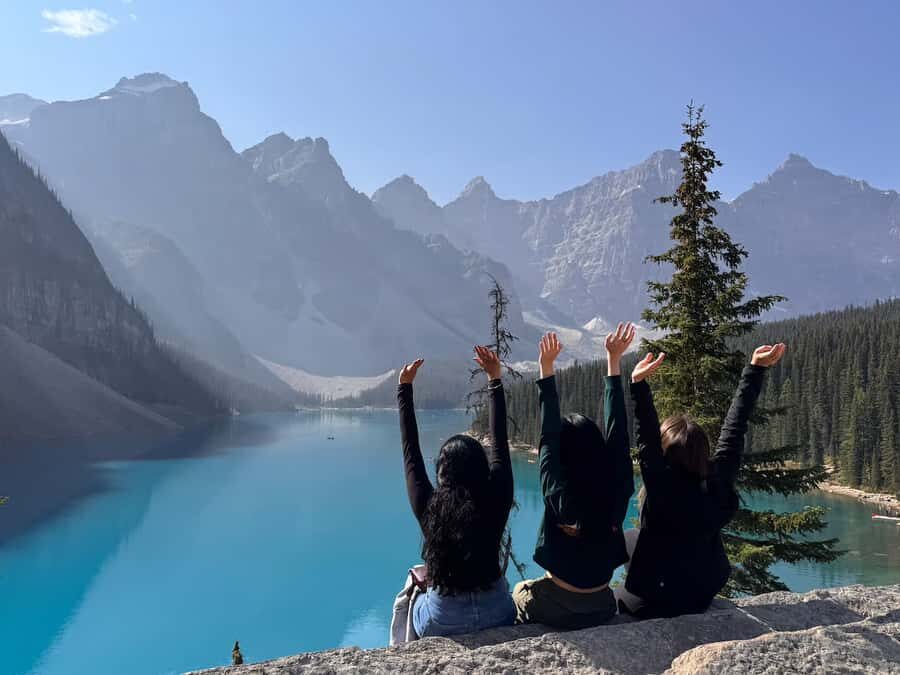
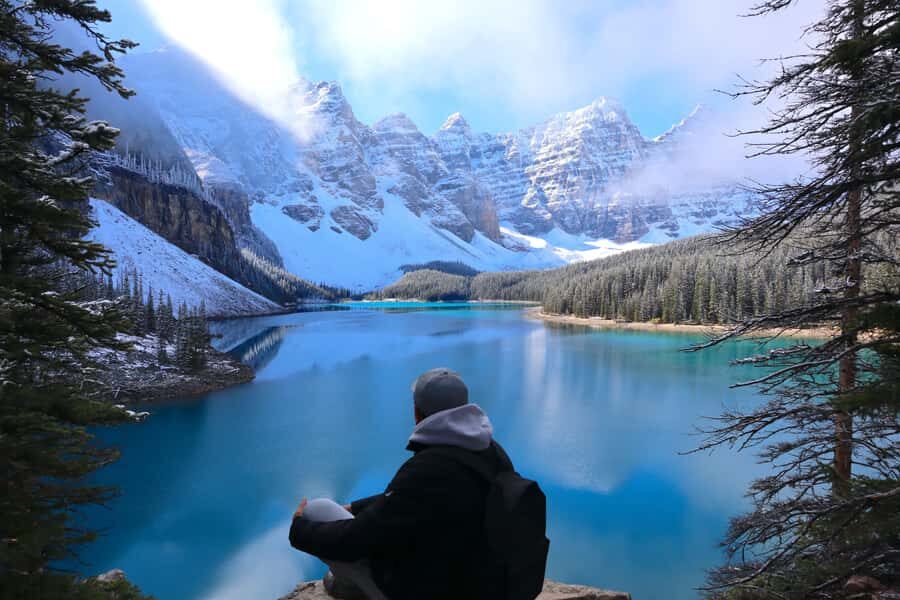
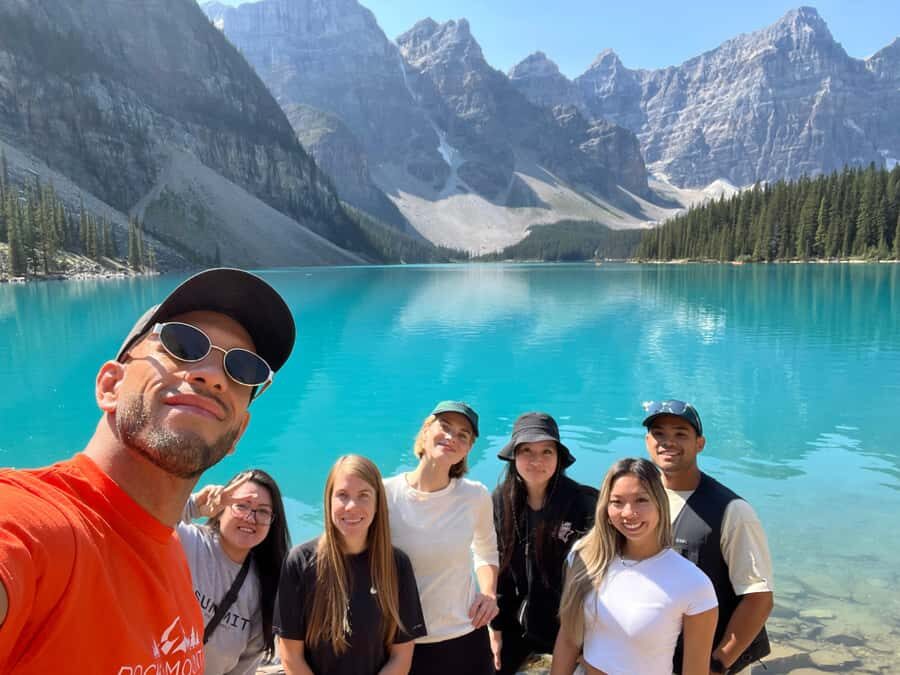
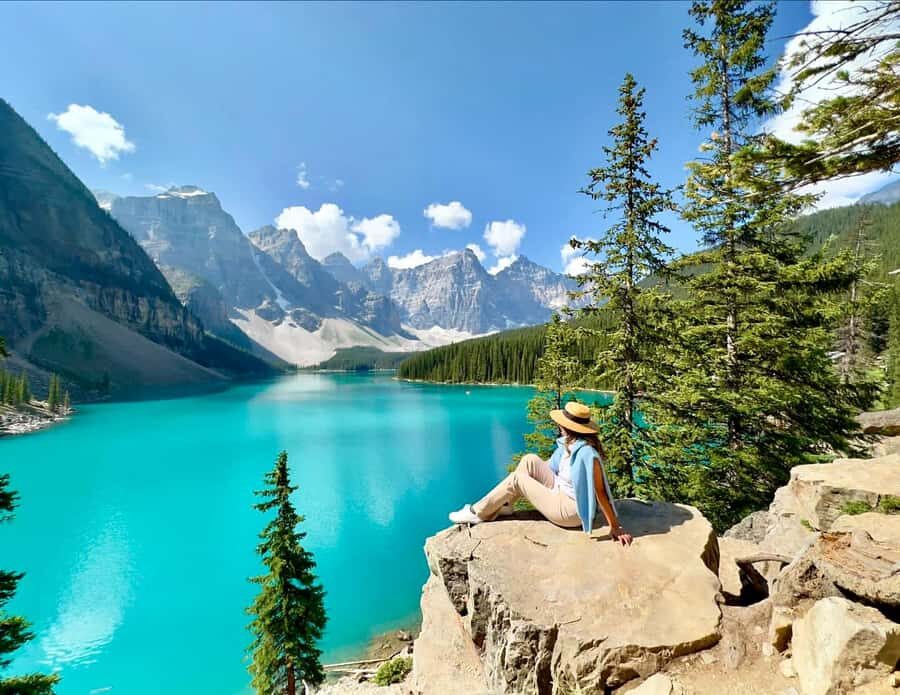
In warmer months, Moraine Lake becomes a highlight. This tour includes a Moraine Lake access pass for summer dates, which is key because access can be limited and timing matters.
You’ll also get guided time here, with about an hour that includes sightseeing and time to enjoy the views. Moraine is the kind of place where the best experience is standing still for a minute, not rushing to “check it off.”
What you gain from guided time: a guide helps you find viewpoints that work with crowd levels and lets you focus on composition, not logistics. Several visitors specifically praised guides for photo stops and for helping people get great pictures without everyone having to crowd the same spot.
One thing to consider: if it’s busy, the group rhythm is part of the day. That can feel great if you like structure, and less great if you want maximum freedom.
Banff Avenue Free Time: Your Two-Hour Window to Eat, Shop, and Reset
After the big lakes, the tour slows down in Banff town. You get around two hours of free time on Banff Avenue, which is the practical buffer you need. Here, you can shop for souvenirs, grab lunch, and just enjoy the town without the constant “watch the time” feeling.
The value is flexibility. You’re not locked into a specific restaurant. You can choose a quick bite if you’re hungry, or browse if you’re not. Some guides are known for giving solid food recommendations, which helps if you’ve never been to Banff before.
How to use the time well:
- Pick your lunch first, then shop
- Leave a little buffer so you can return to the pickup point calmly
- If the weather improves, use the leftover light for photos near the town area
Bow Falls and the Surprise Corner View: Quick Stops That Pay Off
Next you’ll hit a couple of shorter stops that are built for payoff.
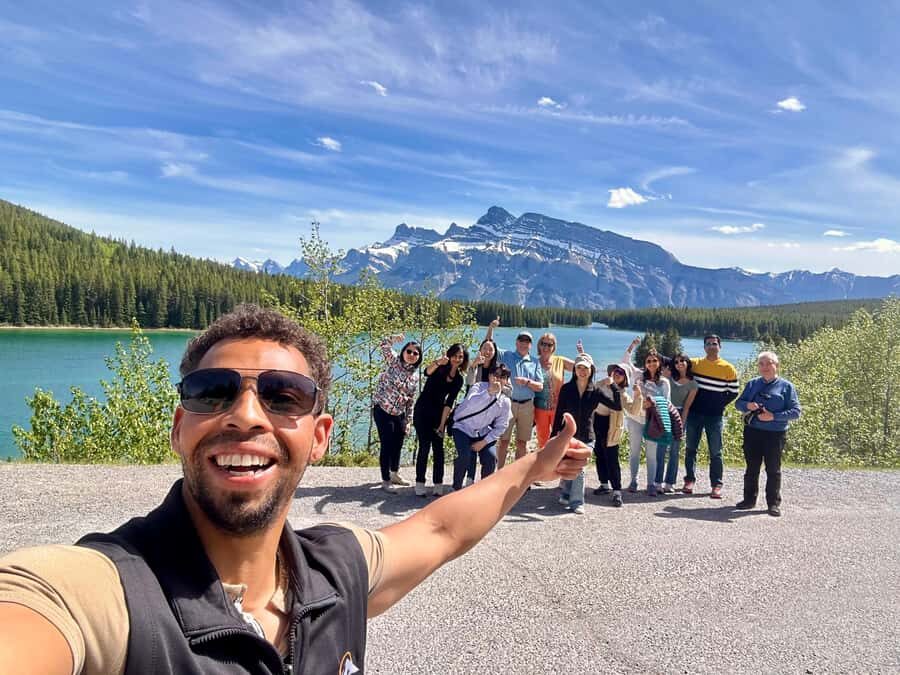
Bow Falls is a photo stop and quick visit. Expect about 15 minutes to take in the cascading water and frame it with the mountains. Even short stops work here because the view is naturally the star. You don’t need a long walk to feel the drama.
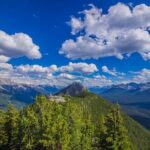
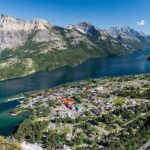
Then comes Surprise Corner on Sulphur Mountain, where the big moment is the panoramic view of the Fairmont Banff Springs Hotel area from a viewpoint. It’s a neat contrast to the lake views: instead of pure wilderness, you see how the town and resort sit inside the Rockies.
Important seasonal note: in the summer program, the itinerary can swap out Surprise Corner and replace it with Lake Minnewanka. So if you’re booking for late spring to fall, ask yourself what you care about more: the hotel panorama shot or a longer, quieter lake finish.
Castle Mountain and Scenic Drives: The In-Between Moments You’ll Remember
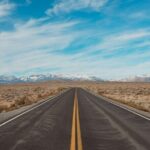
Between major stops, you’ll pass places like Castle Mountain and spend time enjoying the scenery from the vehicle. These are not just filler. In Banff, the driving routes often reveal the best mountain geometry as you crest and angle into the valleys.
This matters because a day trip isn’t only about where you stop. It’s about how the scenery hits you in motion, then again when you step out. The guides tend to keep the conversation interesting during transit, and multiple visitors mention good music on the ride, plus guide stories tied to what you’re seeing.
If you get carsick easily, this is where comfort matters. The transport is repeatedly praised as comfortable, but if you’re sensitive, bring motion-sickness solutions that work for you.
Lake Minnewanka: A Calm Finish (Especially in Summer)
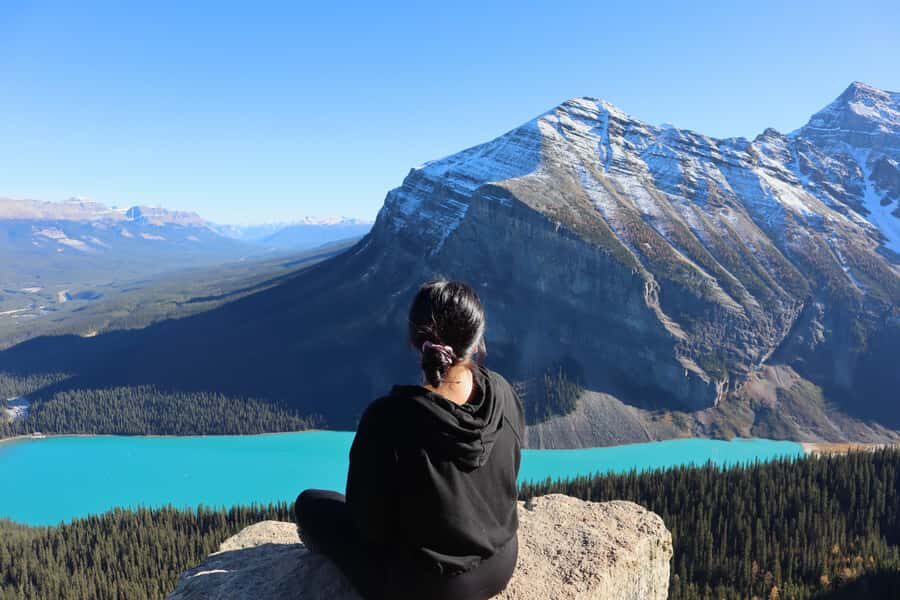
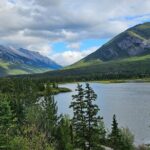
For summer dates, Lake Minnewanka is a key highlight on the later part of the day, replacing the Surprise Corner stop in that program. You’ll get about 30 minutes here for sightseeing and a scenic drive segment.
Why this matters: Minnewanka can feel more spacious and less “photo sprint” than the most famous lakes. It’s a way to end the day with a different tone—still stunning, but a little calmer.
The included structure means you can enjoy it without worrying about timing. You’ll arrive, look, take photos, and then you’re back on the road for the return. If you like the idea of finishing with something quieter, Minnewanka is a smart trade.
Wildlife Chances and How the Guide Changes Your Odds
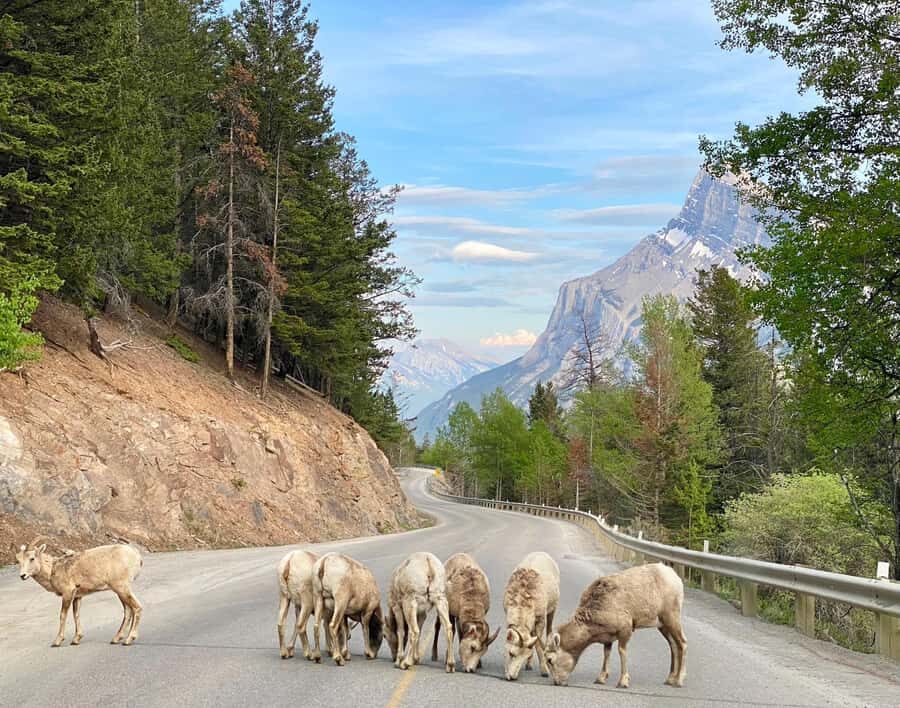
The big Banff question is always wildlife: will you see anything? No one can guarantee it, but the tour is designed to maximize opportunities. You travel between top areas where animals do show up, and your guide is there to share what to watch for.
What stands out from the experience pattern is guide behavior. People consistently describe guides who are attentive, helpful with group needs, and willing to stop or reposition for better views when it makes sense. There are also accounts of wildlife sightings like a black bear from the vehicle.
Also, I like that the day isn’t just “look, photo, move.” Guides typically add context so you understand what makes the place special. For example, names that show up in guide feedback include Teddy, Angel, Mario, Marco, and Luis—and visitors repeatedly mention their friendly approach and how they help people get great pictures.
Price and Value: Is $87 Reasonable for a Full Day?
At $87 per person, this is one of those deals that only makes sense if you compare it to the real costs of doing it yourself. In a self-drive scenario, you’re paying for gas, parking problems, and paying attention to timed access issues. Here, you’re also paying for round-trip travel, parks admissions, and a guide who handles stop flow.
And the value gets better if you’re going in a season where gear or access is part of the deal. Winter dates include crampons, and summer dates include Moraine Lake access planning with the access pass included. That’s not a small add-on.
Meals aren’t included, so plan around that. But if you do one planned meal in Banff during the free time, the overall day still feels like a cost-effective way to see a lot of Banff without drowning in logistics.
What to Bring, What Not to Do, and the Small Rules That Matter
This tour is active, even when you’re only walking short stretches. Bring:
- Comfortable shoes
- Snacks
- Weather-appropriate clothing
The tour runs in rain, snow, or shine. That means your clothing choice is not optional; it’s the difference between enjoying the stops and wanting to sprint back to the van.
Two simple “don’ts”:
- Don’t smoke in the vehicle
- Don’t feed animals
Also watch your pacing. Many stops are short by design, so if you show up prepared with layers and shoes that work, you’ll spend more time enjoying the views.
Who This Banff Trip Is For (and Who Should Skip It)
This day trip is a good match if you:
- Have limited time and want major highlights efficiently
- Like the idea of being shown photo stops rather than researching them all yourself
- Prefer a guided day with built-in rhythm over navigating parking and access
It may not be ideal if you:
- Want a fully independent schedule with zero structure
- Really hate long vehicle time (8–10 hours total)
Age notes are clear. It’s not suitable for children under 5, and it’s not for people over 95.
Should You Book This Day Trip?
If you want a Banff primer that hits the big icons (Johnston Canyon in winter or Moraine Lake in summer), plus a solid town break, this is an easy yes. The biggest reasons to book are the organization, the guide-first approach to photo and viewing spots, and the way the tour manages seasonal differences like crampons and Moraine Lake access.
I’d skip it only if you’re the type who needs long stays at a single location or you plan to build your day from scratch with no guided help. Otherwise, for a single-day hit of Banff’s best-known scenery, this tour is built to deliver.