REVIEW · OTTAWA
Ottawa: Canadian War Museum Admission
Book on GetYourGuide →Operated by Canadian Museum of History & War Museum · Bookable on GetYourGuide
This place makes history feel physical. The Canadian War Museum uses serious design choices and big, human stories to show what conflict costs and what recovery can look like, plus you get a powerful stop at Memorial Hall. One heads-up: it’s huge, and if you rush, you’ll miss a lot of the details that make it hit.
I love that the museum gives you options without getting messy: broad permanent galleries for Canada’s military story, plus special exhibits and hands-on elements to help different ages stay engaged. The likely drawback for some is tone: it doesn’t flinch from sacrifice, so it’s not a light-and-laugh afternoon.
In This Review
- Key Highlights You Should Aim For
- First Steps: 1 Vimy Place and the Museum’s Regeneration Design
- A Self-Paced Day Through Canadian Military History
- How to Move Efficiently
- LeBreton Gallery: Tanks, Artillery, and Military Vehicles
- Memorial Hall: The Unknown Soldier and the Cost of War
- Moriyama Regeneration Hall and the Royal Canadian Legion Hall of Honour
- Moriyama Regeneration Hall
- Royal Canadian Legion Hall of Honour
- Temporary Exhibitions and War Art That Can Change Your Perspective
- War Art: Beaverbrook Collection
- A note on special exhibits you might see
- Practical Timing: How to Plan a 1-Day Visit Without Missing the Best Bits
- Price and Value: Is $18 Worth It?
- Discounts and free admission you may qualify for
- What’s Included (and What You Need to Plan Around)
- Getting There From Downtown Ottawa
- Who Should Go (and Who Might Want a Shorter Plan)
- FAQ
- Where is the Canadian War Museum located?
- How much is admission?
- How long can I visit?
- Do I need to go to the Museum Box Office first?
- Is the museum wheelchair accessible?
- What should I bring?
- Are food and drinks allowed inside?
- Are pets allowed?
- Should You Book the Canadian War Museum Admission?
Key Highlights You Should Aim For
- Moriyama’s regeneration concept: the building and grounds are part of the message, not just a backdrop
- Canada’s “Lest We Forget / N’oublions jamais” Morse-code windows: a striking way to start thinking about remembrance
- Memorial Hall and the Unknown Soldier headstone: quiet, moving, and easy to revisit for a second moment
- LeBreton Gallery artillery and military vehicles: the scale is what you notice first
- Beaverbrook Collection of War Art: a different angle on war, told through artists
- Quiet-reflection spaces: built in so you can slow down when you need to
First Steps: 1 Vimy Place and the Museum’s Regeneration Design
Plan to start at 1 Vimy Place and go straight to the exhibition access point inside the museum rather than stopping at the Museum Box Office. Once you’re in, don’t sprint. The museum asks you to pay attention early, because the architecture is telling you something before you even hit the galleries.
Designed by Japanese–Canadian architect Raymond Moriyama, the building is tied to an idea of regeneration. That shows up in small-but-noticeable ways: windows spelling out Lest We Forget / N’oublions jamais in Morse code, plus uneven floors and rough concrete walls that hint at the broken, uneven reality of conflict. It’s not “pretty war museum” design. It’s more like the building is reminding you that peace is something you rebuild, not something you simply have.
If you like museums that respect your pace, you’ll appreciate the flow. There are permanent galleries, special exhibitions, and areas that encourage quiet reflection. If you’re traveling with kids, it’s also easier than you might expect to keep everyone moving because the displays include objects, photos, interactive presentations, and immersive environments—not only long text panels.
You can also read our reviews of more museum experiences in Ottawa



A Self-Paced Day Through Canadian Military History
You’re not locked into a guided itinerary. That’s a plus here. The museum is built for wandering, but I still suggest you give your day a rough structure so you don’t end up staring at the first tank for two hours (unless that’s your plan—no judgment).
The core permanent galleries follow Canadian military history from early wars in Canada through contemporary conflicts. The museum doesn’t try to overwhelm you with dates alone. It leans heavily on thousands of personal stories, objects, works of art, and photographs, which is what makes the timeline stick. You start to see war as lived experience—families, soldiers, aftermath, and long shadows.
How to Move Efficiently
Here’s a practical approach that works well in a place this big:
- Spend your first hour getting oriented and picking one “anchor” section you want to read closely.
- When you find an area that’s emotionally heavy, give yourself permission to pause in nearby reflection spaces rather than forcing through.
- If you spot temporary exhibition signage you care about, don’t leave it for later without checking the gallery hours you’re planning to be there.
The museum’s layout encourages this. You’ll also find staff support available, which can help if you’re trying to choose an efficient route.
LeBreton Gallery: Tanks, Artillery, and Military Vehicles

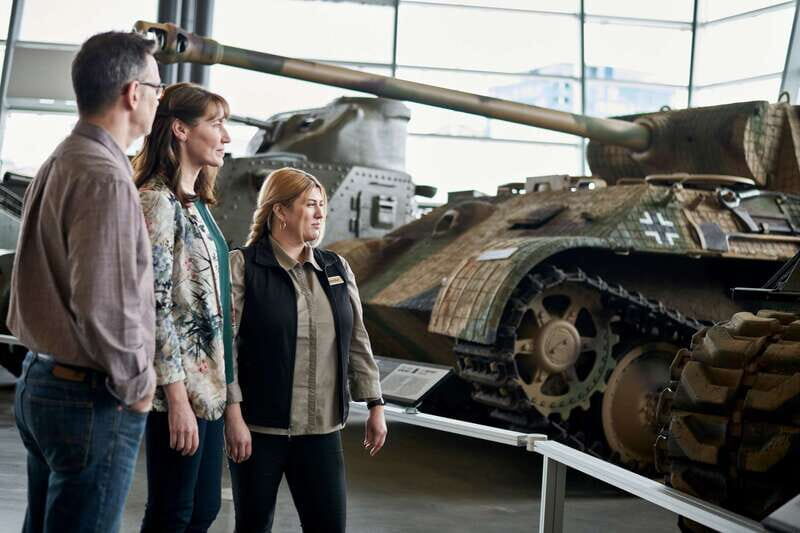
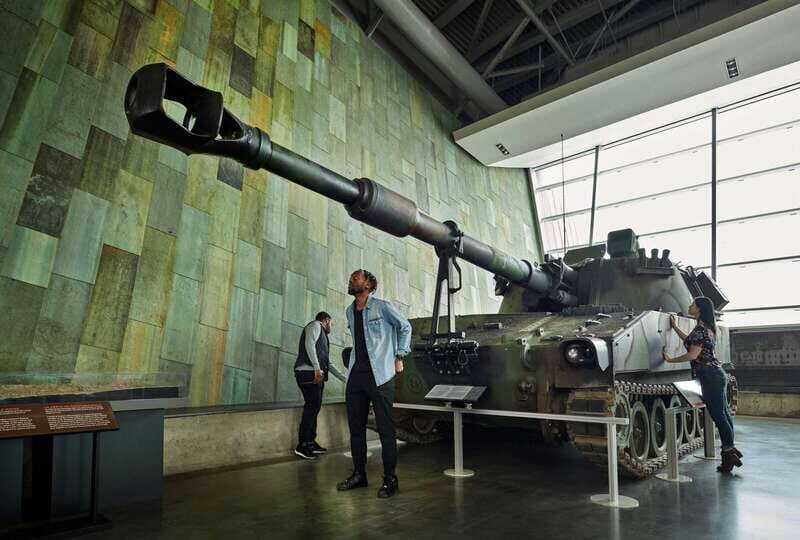
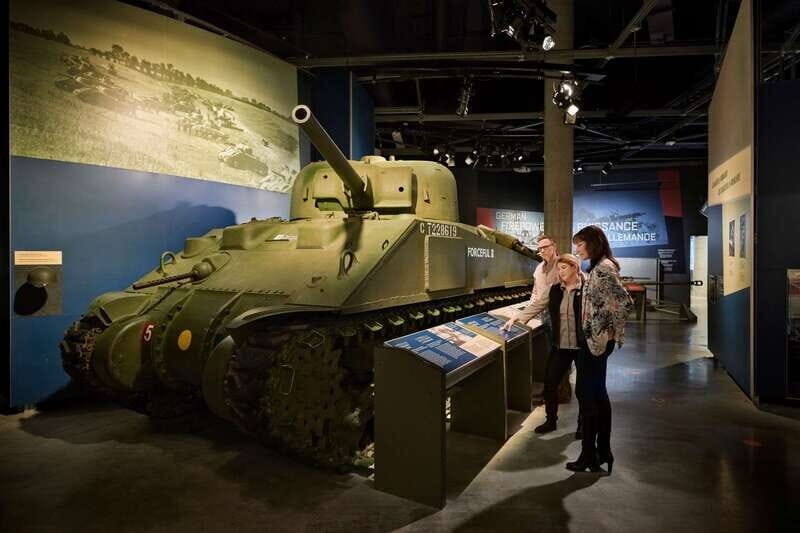
One of the museum’s big wow factors is the LeBreton Gallery, where you’ll see large artillery and military vehicles. This is the section where scale hits you before context does. If you like to understand how technology shaped tactics, you’ll probably find yourself reading labels longer than you expected.
It’s not just about seeing armor and weaponry. Seeing it in a dedicated space, with thoughtful interpretation, helps you connect the physical objects to the human stories you’ll encounter in the galleries. Many people come for the vehicles, but I’d treat them like a stepping-stone to the deeper sections rather than the end of the experience.
If you’re short on time, I’d still make it a priority. It’s one of the easiest ways to get a sense of the museum’s collection quality quickly.
Memorial Hall: The Unknown Soldier and the Cost of War
This is the part of the museum that slows you down on purpose.
Memorial Hall is built around quiet reflection. The highlight is standing in the presence of the headstone of Canada’s Unknown Soldier. That moment is powerful because it’s direct and simple. You don’t need a lot of prior knowledge to feel the weight of remembrance here.
On top of that, the museum includes several additional spaces designed for reflection, which makes a difference. In many museums, quiet areas are rare and feel like an afterthought. Here, the tone is intentional. If you’ve been reading intensively in the galleries, Memorial Hall gives your mind a place to reset—then you can choose what you want to take in next.
I also like how the museum pairs “memory” with “structure.” It’s not only about honoring people who served; it’s about acknowledging the price of conflict and, at the same time, keeping the door open toward hope.






Moriyama Regeneration Hall and the Royal Canadian Legion Hall of Honour
Two spaces reinforce the museum’s broader message in different ways.
Moriyama Regeneration Hall
This is tied to the regeneration theme built into the museum’s design concept. Expect an environment that keeps your attention on rebuilding and future peace, not only the mechanics of war. Even if you’re not the type to care about architecture, you’ll probably notice that the space feels different from the gallery floors that come before it.
Royal Canadian Legion Hall of Honour
Then there’s the Royal Canadian Legion Hall of Honour, another area that supports remembrance and respectful reflection. If you tend to process emotions best in a dedicated space, these halls help.
Together, these areas make the museum feel like more than a collection. It feels like a conversation between history and the present.
Temporary Exhibitions and War Art That Can Change Your Perspective
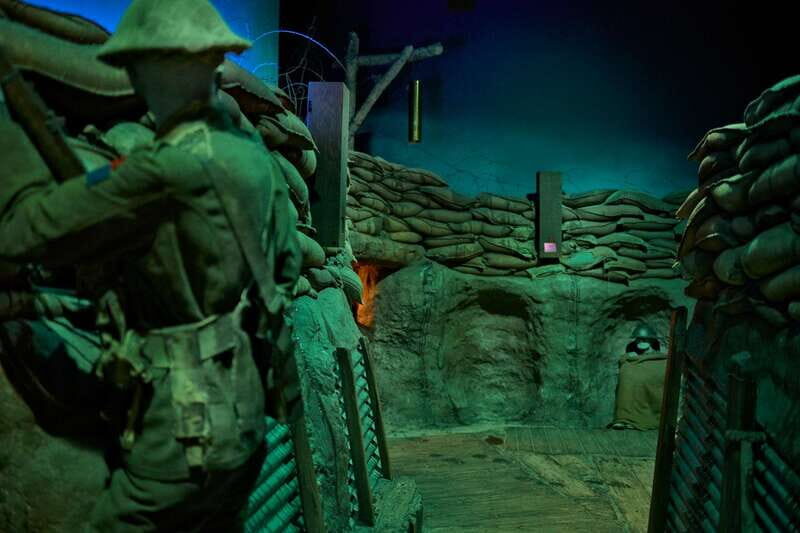
Permanent galleries are only part of the story. The museum also has thought-provoking temporary exhibitions that can range from the First and Second World Wars to art created by women in conflict zones. That breadth matters because it shows how war affects people differently across time and roles.
You’ll also encounter immersive environments, interactive presentations, and engaging family programming (so yes, it’s serious, but it’s not stuck in one mode). If you enjoy museum experiences that mix objects with storytelling, this is a good place to let the museum guide your attention.
War Art: Beaverbrook Collection
One standout collection is the museum’s Beaverbrook Collection of War Art. Art is often the missing link in military history. It captures what photos and artifacts can’t fully explain—how people viewed events, how they tried to make sense of them, and what emotions they carried.
This is also where you may find yourself slowing down. You’ll likely get more out of the art by giving yourself time to stand and read, not only glance.
A note on special exhibits you might see
Depending on your dates, you may encounter special exhibits such as In Their Own Voices, which focuses on struggles faced after service and after the war—an exhibit that can be emotionally intense.
Practical Timing: How to Plan a 1-Day Visit Without Missing the Best Bits
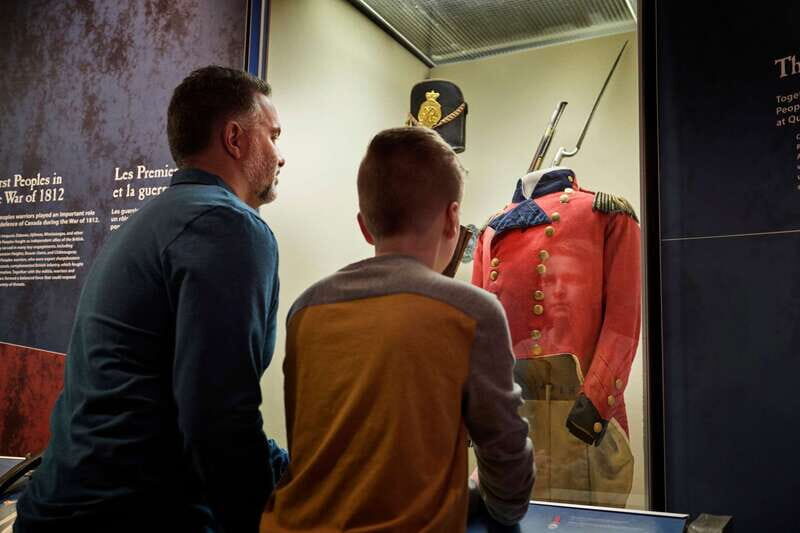
The museum is big enough that you should plan for a longer visit than you think.
Some people say you can get a meaningful visit in with a couple of hours, but if you want to actually read and look carefully, plan more time. A good target for a first visit is 4 to 6 hours, and for a slower, more detail-focused day, 6 to 8 hours. If you’re traveling with kids, you may end up splitting reading time across shorter bursts and then using interactive areas to keep attention.
Here’s a simple day flow that works:
- Start with orientation and architecture (45–60 minutes)
Take in the Morse-code windows and regeneration design details, then decide where you’ll spend your deeper reading time.
- Work through the main Canadian military history galleries (1.5–2.5 hours)
Pick up context early so later exhibits make more sense.
- Go to LeBreton Gallery for vehicles and artillery (45–90 minutes)
Treat this like a visual anchor. It’s a great “reset” section after dense reading.
- Reserve Memorial Hall for your emotional centerpiece (30–60 minutes)
Don’t schedule it too early. You’ll get more out of it if you’ve already felt the museum’s weight through the galleries.
- Finish with a mix of temporary exhibits and war art (1–2 hours)
War art and special shows often reward a slower second pass.
Wear comfortable shoes. Seriously. You’ll be walking and standing a lot.
Price and Value: Is $18 Worth It?
At $18 per person, this admission price feels fair for what you get—especially in a national-level museum that covers a broad timeline, offers permanent galleries plus temporary exhibitions, and includes major collections like war art and large vehicles.
Here’s why the value works:
- You’re not paying for one exhibit. You’re paying for a full day of content across multiple themes.
- The museum includes objects, photographs, interactive presentations, and immersive spaces, which means you’re not stuck with only reading-heavy panels.
- It’s built for different paces, so you can choose how deeply you want to engage.
If you’re doing a tight Ottawa schedule and only have one day, prioritize what you care about most. Don’t try to do everything in full detail unless you’ve budgeted the time. But even a focused visit can still feel worth the price because the museum’s interpretation is strong.
Discounts and free admission you may qualify for
If you’re visiting in the holiday window December 12, 2025 to January 15, 2026, the Canada Strong Pass program may offer discounted general admission for young people. Also:
- Children and youth 17 and under get free general admission.
- Young adults 18 to 24 get 50% off general admission (proof of age may be required).
If any of that applies to your group, it can significantly improve the value.
What’s Included (and What You Need to Plan Around)
This admission includes access to the permanent galleries and special exhibitions, plus a multilingual museum guide. It also includes a self-serve coat check, which is handy in Ottawa’s weather.
What’s not included is food and drinks. So bring a plan for meals before or after your museum time. Also note that parking is not included.
In the “rules of the space” category, the museum does not allow smoking and does not allow food and drinks inside. Pets are not allowed, but assistance dogs are allowed.
That matters for comfort: you’ll want to treat the museum like a dedicated block where you focus on history, not snacking between exhibits.
Getting There From Downtown Ottawa
You can reach the museum from downtown Ottawa by foot, bicycle, public transit, or car. That makes it easy to slot into a day with other Ottawa stops without needing a special tour setup.
Since it’s self-paced and you’re going to spend hours there, I’d base your arrival plan on how you like to move:
- If you enjoy walking, arrive with time to spare so you can settle in.
- If you use transit, plan a return time that doesn’t feel rushed.
- If you’re driving, leave buffer for parking logistics since parking isn’t included in your admission.
Who Should Go (and Who Might Want a Shorter Plan)
I think the Canadian War Museum works best for:
- Families who want a serious museum that still uses interactive elements and clear storytelling
- People who like military history but also want context and human stories
- Anyone who appreciates architecture and design that matches the theme
- Visitors who want a remembrance-focused stop that isn’t performative
You might want to adjust your expectations if you prefer museums that are mostly light, casual, and fast. This one is reflective. If you know you’re sensitive to heavy topics, plan breaks in the reflection spaces and build in time to move at your pace.
FAQ
Where is the Canadian War Museum located?
It’s at 1 Vimy Place, Ottawa, Ontario, Canada.
How much is admission?
The price listed is $18 per person.
How long can I visit?
This experience is valid for 1 day.
Do I need to go to the Museum Box Office first?
No. Once you’re at the museum, go directly to the exhibition access point.
Is the museum wheelchair accessible?
Yes, the museum is wheelchair accessible.
What should I bring?
You should bring comfortable shoes.
Are food and drinks allowed inside?
No. Food and drinks are not allowed.
Are pets allowed?
Pets are not allowed (assistance dogs are allowed).
Should You Book the Canadian War Museum Admission?
If you want a full, high-quality national museum experience in Ottawa for a fair price, I’d book it. The museum’s architecture, the Memorial Hall experience, and the mix of vehicles, personal stories, and war art give you multiple entry points into the subject. You can make it as simple or as detailed as you want.
Just be realistic about time. Set aside enough hours to read and look, not just pass through. And if you’re traveling with family, this is one of those rare museums where you can keep everyone engaged without flattening the subject.