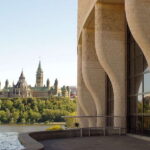
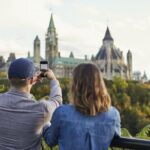
Ottawa has a rowdier past than you expect. This 90-minute walking tour connects frontier chaos to why Ottawa became Canada’s capital, with stops built around the city’s big names and small surprises. You’ll start near the National Arts Centre and the National War Memorial and end at Major’s Hill Park, while your guide points out history that’s easy to miss when you’re just sightseeing.
I especially like the way this tour turns “famous Ottawa” into specific stories. One highlight for me is the guided walk’s focus on how the city went from an untamed frontier town to the seat of power, including tales about dangerous days and mischievous mayors. I also like that you get photo-friendly views of historic buildings and world-class museums along the route, so the time feels both informative and practical.
One consideration: it’s a rain-or-shine 90 minutes, so wear real walking shoes and plan for damp weather if you’re going in shoulder season. If you prefer long, sit-down museum time, this won’t replace that.
In This Review
- Key points you’ll care about
- Where the tour begins (and why this matters)
- The 90-minute structure: a fast, guided “Ottawa in context”
- The big theme: from rough frontier to capital city
- “Secrets hiding in plain sight” (and what to do with them)
- Stops you’ll recognize: arts, war, and museum-worthy architecture
- The quirky stories: mayors, furry fighters, and costly conundrums
- How much you’ll get out of it (value for your time)
- The route end: why Major’s Hill Park is the right finish
- What I’d wear and bring for this walk
- Who this walking tour suits best
- Booking tips that make the day smoother
- Should you book this Ottawa walking tour?
- FAQ
- Where is the meeting point?
- How do I recognize the guide?
- How long is the Ottawa walking tour?
- What does the tour cost?
- Is the tour indoors or outdoors?
- What language is the tour in?
- Is there a live guide?
- Is the tour wheelchair accessible?
- Where does the tour end?
- Can I reserve and pay later?
- Can I get a refund if my plans change?
Key points you’ll care about
- Frontier-to-capital storytelling: hear how the city’s reputation flipped from dangerous outpost to national center.
- “Hiding in plain sight” details: your guide points out surprises you can spot on your own afterward.
- Mayors, mischief, and costly mistakes: the tour leans into quirky local politics and expensive conundrums.
- Photo stops on historic façades and major institutions: you get visual anchors for what you’re learning.
- A clear route start and finish: begin at 46 1/2 Sparks Street near Sparks and Elgin and finish at Major’s Hill Park entrance.
- Engaging guide energy is part of the package: past guides like Zak and Cody have been praised for being animated, funny, and genuinely invested.
Where the tour begins (and why this matters)

This walk is built for people who want orientation without wasting time. You meet at 46 1/2 Sparks Street, near the intersection of Sparks and Elgin, just a short distance from the National Arts Centre and the National War Memorial. That location is smart because it puts you in a central, easy-to-navigate zone right away. In plain terms: you’re not commuting across town before the stories start.
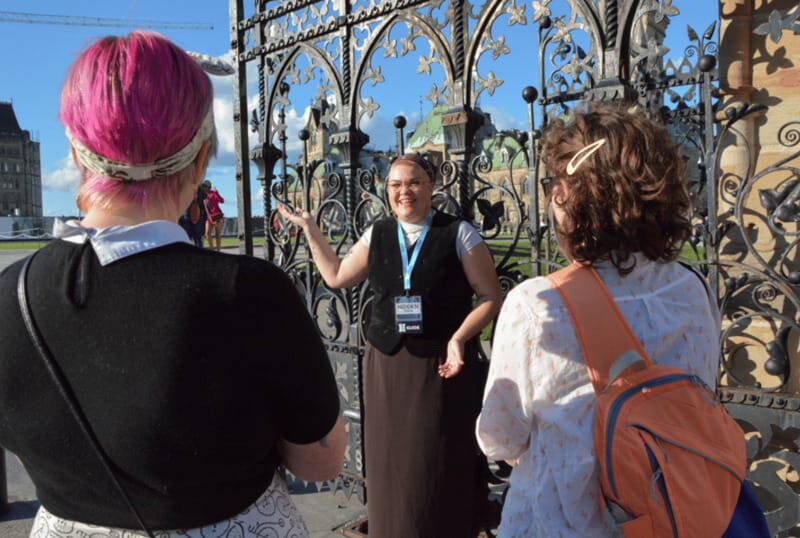
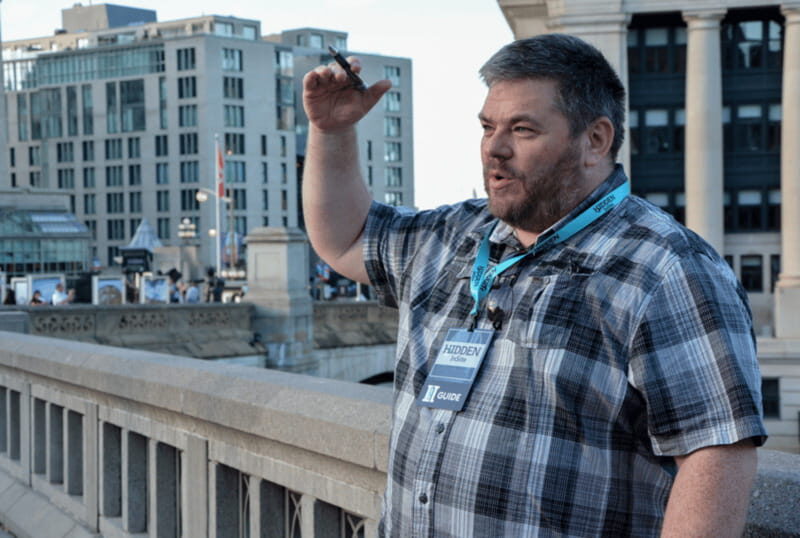
Also, the meeting point is easy to use on the ground. Look for a guide wearing a blue nametag lanyard. Arrive a few minutes early, especially if you’re coming by transit or walking from a nearby hotel. When you can’t find your guide quickly, a “quick start” tour turns into a stressful wait.
You can also read our reviews of more walking tours in Ottawa

The 90-minute structure: a fast, guided “Ottawa in context”
The tour runs for 90 minutes, which is long enough to tell a real story arc and short enough to fit into a busy day. You’re not just collecting facts. You’re walking a line through Ottawa’s past and watching the city’s identity change over time.
The pacing matters. A compact walking tour like this works best when you treat it like an introductory course. You’ll pick up names, themes, and little oddities that help the rest of your trip make more sense. Later, when you wander past the same buildings on your own, you’ll have mental hooks for what you’re seeing.
And because the tour is rain or shine, you should mentally budget for weather. Ottawa can be changeable, and this tour doesn’t pause for clouds. Bring a small umbrella or rain layer and plan for damp pavement.
The big theme: from rough frontier to capital city
The heart of the experience is the transformation. Your guide explains how Ottawa grew from an untamed frontier town into Canada’s capital, including how the settlement became notorious for being among the most dangerous towns in North America. That’s not a dry “then this happened” history lesson. It’s the kind of narrative that makes you look at streets and buildings with new eyes.
You’ll also hear about how local power shifted through time. The tour includes stories about mischievous mayors, and that adds human scale to the political history. Instead of imagining leaders as distant figures, you’ll hear them portrayed with personality, quirks, and questionable judgment.
The result is useful for you, not just entertaining. When you understand why a city chooses certain symbols, institutions, and layouts, the place stops feeling like a postcard. Ottawa starts to feel like a plan that got built through arguments, mistakes, and ambition.
“Secrets hiding in plain sight” (and what to do with them)
A big promise here is that you’ll uncover lesser-known details that are right in front of you. That’s a great approach for Ottawa, because the city can feel “official” from a distance. If you only skim the obvious landmarks, it’s easy to miss the humor and grit in the background.
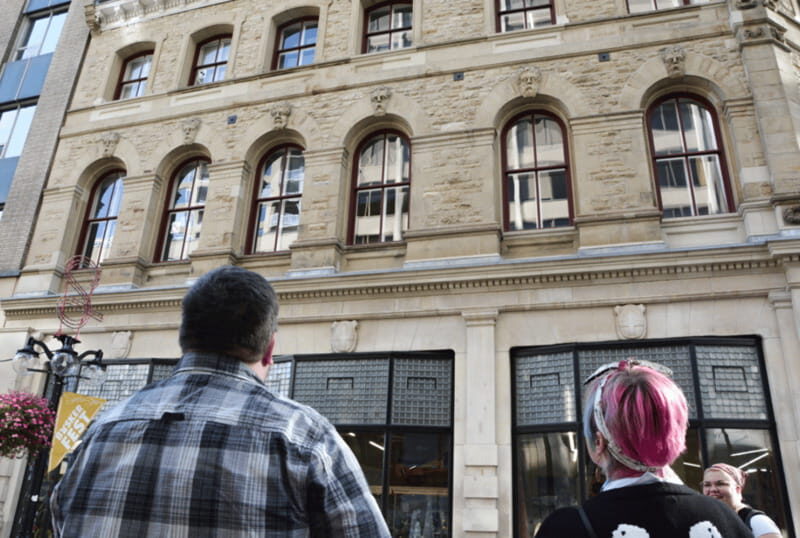
As you walk, your guide highlights history in everyday sightlines: historic building exteriors, cultural institutions, and the kind of street-level context you don’t get from a museum placard. The tone is also designed to keep you switched on. Expect anecdotes that move quickly and land a punchline before you’re tempted to drift.
Here’s what you should do during the tour to get more value. Don’t just take photos. Pause for the guide’s story first, then take the picture right after. You’ll capture the same building twice—once in your memory and once on your camera—with the story attached.
Stops you’ll recognize: arts, war, and museum-worthy architecture
Your tour starts near major anchors: the National Arts Centre and the National War Memorial. Even if you don’t go inside those buildings, their presence sets the tone immediately. Ottawa isn’t just administrative. It’s also cultural and commemorative, and the tour uses that contrast to frame the city’s change over time.
As you continue, you’ll pass by or get pointed at historic buildings and world-class museums. The key is how the guide ties them back to the main narrative—Ottawa’s growth, its decisions (and misfires), and the personalities that shaped the place. If you’re someone who likes architecture and public spaces, you’ll likely find these moments some of the most satisfying.
One plus: the tour builds in picture opportunities. You’re not wandering without reason. You’ll snap along the way, and the photos become a quick visual checklist for what you learned.
You can also read our reviews of more guided tours in Ottawa

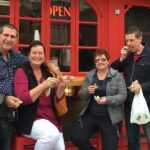
The quirky stories: mayors, furry fighters, and costly conundrums
Not all history is stern. This tour intentionally adds weird, funny elements, and that’s a big part of its appeal. You’ll hear tales of mischievous mayors—the kind of municipal storytelling that makes politics feel oddly close to real life. You’ll also hear about expensive mistakes and costly conundrums, which adds a layer of “how did they mess that up” humor.
There’s even mention of furry fighters—a detail that signals the tour isn’t afraid of oddball anecdotes. It’s the kind of story element that keeps the walking tour from becoming repetitive. It also helps the factual parts stick, because your brain remembers scenes, not just dates.
For you as a visitor, this matters because Ottawa can feel serious. Humor is a bridge. It helps you stay engaged long enough to absorb the context.
How much you’ll get out of it (value for your time)
At $23 per person for a 90-minute guided walk, the price sits in the “quick add-on” range. The value comes from two things you can’t replicate as easily on your own.
First, you get an organized story arc. Instead of chasing facts across guidebooks, your guide threads the city’s past into a walkable route that ends at Major’s Hill Park.
Second, you get direction. “Hidden in plain sight” details only work if someone tells you what to notice. A local guide gives you that filter, and that can make the rest of your day more rewarding.
Is it worth it? If you want one compact dose of Ottawa that mixes history with street-level observation, yes. If you already know Ottawa’s core timeline and you’re planning to spend hours in museums, you might find the walking portion only partially satisfying.
The route end: why Major’s Hill Park is the right finish
The tour ends at the entrance to Major’s Hill Park. That’s a practical ending point for two reasons.
It’s a natural “reset” for your senses. After 90 minutes of stories and historic context, a park finish helps you shift gears from information to atmosphere. You can decompress before dinner or before you continue exploring on your own.
It also gives you an easy place to pivot. Once you finish, you’re still in an area that supports wandering, snacks, and a bit of sightseeing without needing a long transfer.
What I’d wear and bring for this walk
This is basic, but it’s worth saying plainly. You’ll be on your feet for 90 minutes, rain or shine. I’d plan around that:
- Comfortable walking shoes with decent grip.
- A light rain jacket or umbrella if the weather looks unstable.
- A camera or phone with enough space for quick façade shots.
- A small layer you can add/remove, since Ottawa weather can swing.
If you’re the type who likes to ask questions, bring a couple ready. A good guide will usually have time for one or two follow-ups, especially when they can tie back to the story you just heard.
Who this walking tour suits best
This tour is a strong fit for:
- First-time Ottawa visitors who want context fast.
- People who like history but don’t want to sit through slides for hours.
- Travelers who enjoy lively guides and quick humor.
- Canadians too. Even locals can pick up new angles when the city is explained with a focused theme.
It’s less ideal for:
- People who want a detailed museum-focused day.
- Anyone who struggles with short, ongoing rain-walk conditions.
Booking tips that make the day smoother
- Give yourself extra minutes before the start so you’re not trying to find the correct corner while everyone is already moving.
- Take a moment at the meeting point to identify the blue nametag lanyard guide.
- If you’re choosing a day, aim for one where you can stay flexible afterward. The park finish makes it easy to keep exploring, but you’ll enjoy it more if you’re not rushing to a strict schedule.
Should you book this Ottawa walking tour?
I’d book it if you want a guided, story-led way to understand Ottawa in 90 minutes—especially if you like quirky politics, surprising anecdotes, and photo-friendly stops near the city’s major landmarks. The price is modest for the amount of direction and narrative you get, and the tour’s central start and clean finish make it easy to build into a day.
Skip it if your main goal is deep museum time or if you dislike outdoor walking in damp weather. Otherwise, this is a smart way to get your bearings and leave with a city you can actually interpret while you wander.
FAQ
Where is the meeting point?
Meet the guide in front of the tour supplier’s office at 46 1/2 Sparks Street, near the intersection of Sparks and Elgin Street.
How do I recognize the guide?
Look for a guide wearing a blue nametag lanyard.
How long is the Ottawa walking tour?
The duration is 90 minutes.
What does the tour cost?
It costs $23 per person.
Is the tour indoors or outdoors?
This is a walking tour, and it takes place rain or shine.
What language is the tour in?
The live tour guide offers the tour in English.
Is there a live guide?
Yes, you’ll have a live tour guide.
Is the tour wheelchair accessible?
Yes, the tour is wheelchair accessible.
Where does the tour end?
The tour ends at the entrance to Major’s Hill Park.
Can I reserve and pay later?
Yes. You can reserve now and pay later.
Can I get a refund if my plans change?
Yes. There is free cancellation up to 24 hours in advance for a full refund.