REVIEW · OTTAWA
Ottawa: Canadian Museum of Nature Admission
Book on GetYourGuide →Operated by Canadian Museum of Nature · Bookable on GetYourGuide
A walk into Canada’s natural world starts with one big skeleton. The Canadian Museum of Nature is in a striking historic building, and it pulls you through hands-on galleries where I love seeing the complete blue whale skeleton and the interactive Canada Goose Arctic Gallery. It’s a strong pick for families and adults because you’re not stuck staring at one case after another.
One thing to plan around: special exhibits have limited tickets. Butterflies in Flight can sell out, and that gallery is warm and humid, so you’ll want to dress smart and expect a short wait if you arrive at a busy time.
In This Review
- Key highlights worth your time
- Value and location: why this $19 ticket makes sense
- Getting there from Parliament Hill (and parking without stress)
- Inside the historic Parliament building: how the museum is set up
- Don’t miss the big-ticket wildlife moments: whales, dinosaurs, and Canadian mammals
- Live exhibits that actually move the day along
- The Canada Goose Arctic Gallery: hands-on learning with real-ice impact
- Butterflies in Flight: how to plan for the timed ticket and warm humid room
- A smart 1-day game plan (so you don’t rush the best stuff)
- Museum experience details that matter: kids, reading, and mobility
- Tickets, food, and the small practical stuff
- Should you book the Canadian Museum of Nature admission?
- FAQ
- What’s included with the Canadian Museum of Nature admission price?
- How much does admission cost?
- Do I need a separate ticket for special exhibits like Butterflies in Flight?
- How long should I plan to spend at the museum?
- Are children allowed without an adult?
- What’s special about visiting on Thursdays?
Key highlights worth your time

- Blue whale skeleton: one of the museum’s wow moments for first-time visitors
- Canada Goose Arctic Gallery: hands-on Arctic learning with practical, memorable stops
- Live exhibits: Pacific tide pool creatures and bug-style experiences keep things moving
- Four floors of natural history: geology, ecology, paleontology, and more under one roof
- Butterflies in Flight special exhibit: a timed, limited-capacity ticket that’s easy to miss if you don’t plan
- Good museum flow: galleries are organized so you don’t lose kids (or your place)
Value and location: why this $19 ticket makes sense
For $19 per person, the Canadian Museum of Nature is a high-value day in Ottawa. Your admission gets you into the permanent galleries plus access to special exhibits, with the key catch that you may need to ask for timed tickets on arrival for anything limited-capacity.
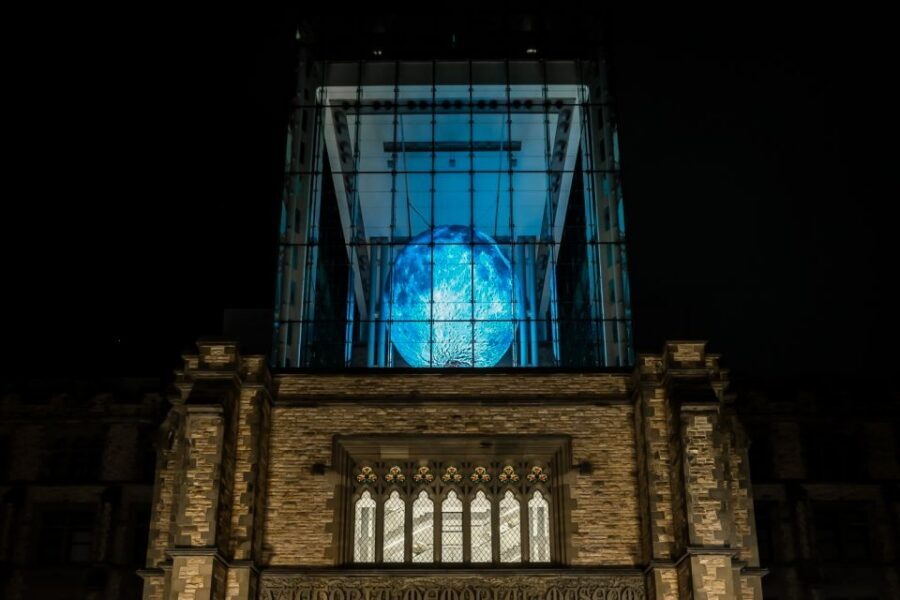
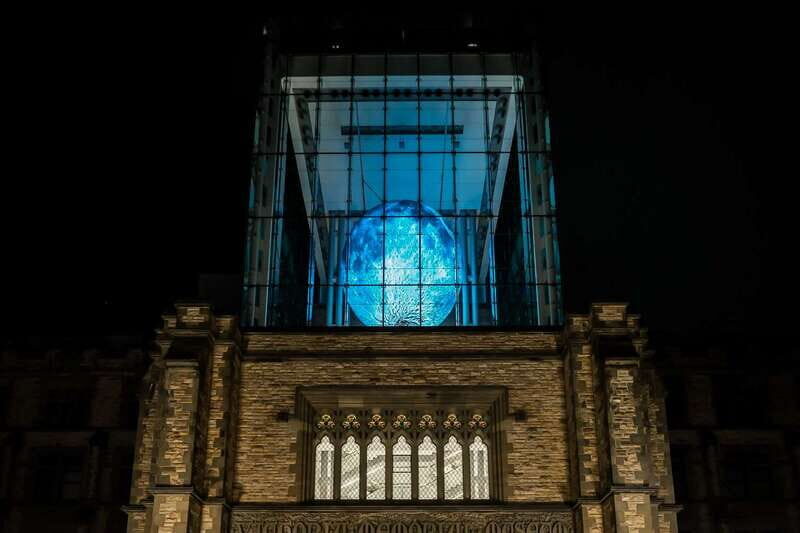
What makes this feel like more than a basic ticket is the building itself and the way the museum is organized. The galleries are housed in a historic “castle” that previously served as Canada’s Parliament, so you get real architectural drama before you even reach the exhibits. And since it’s about a 20-minute walk from Parliament Hill, it works well as either a morning add-on or a rainy-day anchor.
If you hate the idea of paying extra after you arrive, you should know the system is mixed: permanent galleries are included, but special exhibits like Butterflies in Flight can require a separate timed ticket. Think of it as pay once for the core museum, then choose your extra moments based on availability.
You can also read our reviews of more museum experiences in Ottawa



Getting there from Parliament Hill (and parking without stress)
This museum is easy to reach on foot or by public transportation. If you’re doing the classic Parliament Hill loop, count about a 20-minute walk—comfortable enough for most people, but you might want to start earlier if you’re traveling with kids or planning to hop between indoor stops.
If you drive, there’s paid parking on site. That’s helpful in Ottawa when weather gets moody and you don’t want to hunt for street spots.
For mobility needs, wheelchair access is available via the main entrance. The museum also uses capacity counters at the entrance to each gallery to help with planning and physical distancing, so expect that some rooms may control entry when busy.
Inside the historic Parliament building: how the museum is set up
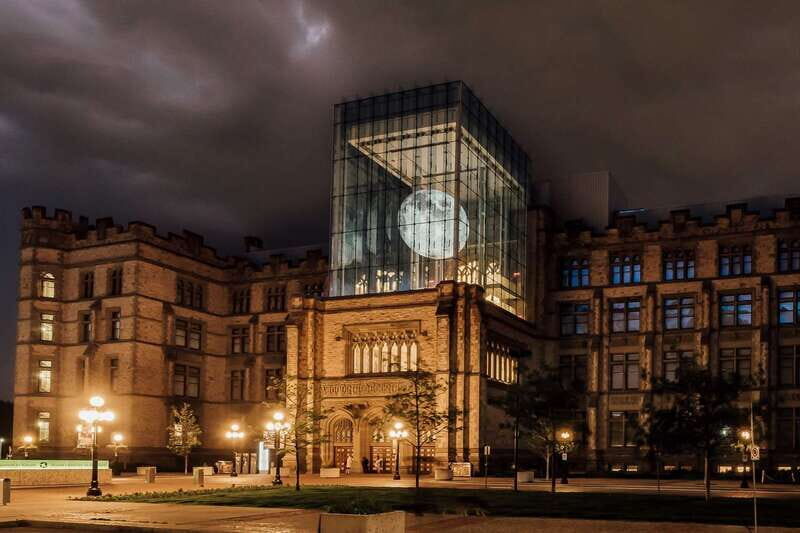
The museum spreads over four floors with galleries covering geology, ecology, and paleontology. Instead of feeling like one giant maze, the flow is designed to help you keep moving from section to section. That matters a lot if you’re traveling with children who need short hops between “look now” and “move on.”
I like that the museum leans into multiple ways to learn. Many exhibits use large, readable signage, plus interactive elements and talking-style features for people who don’t want to read everything. One of the smartest practical choices here is how the exhibits are laid out along a roughly guided path—so you’re less likely to accidentally sprint in the wrong direction and spend your time backtracking.
You’ll also see a mix of fossils, live animals/creatures in exhibit form, and interactive science-style displays. That variety keeps the day from turning into Exhibit Shuffle 101.
Don’t miss the big-ticket wildlife moments: whales, dinosaurs, and Canadian mammals
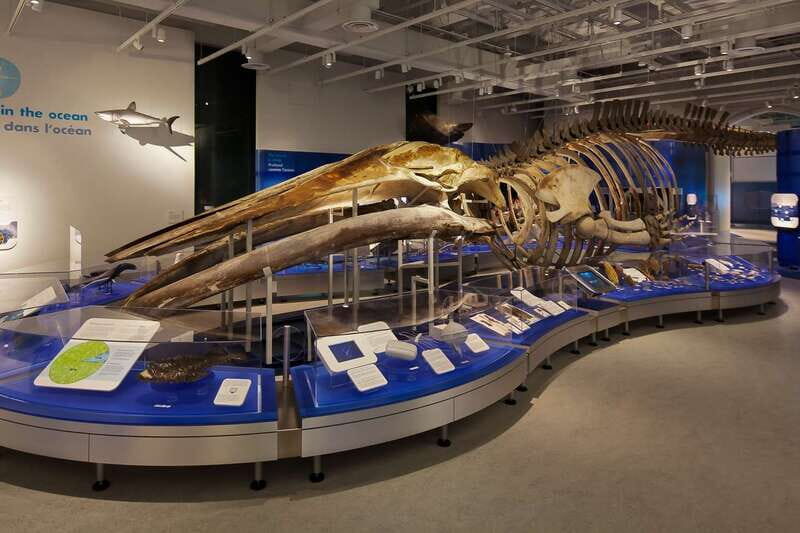
If you like your nature facts on a large scale, start with the museum’s headline creatures. One of the most talked-about stops is the complete blue whale skeleton, which quickly turns the museum into a place you remember even if you only spend a few hours inside.
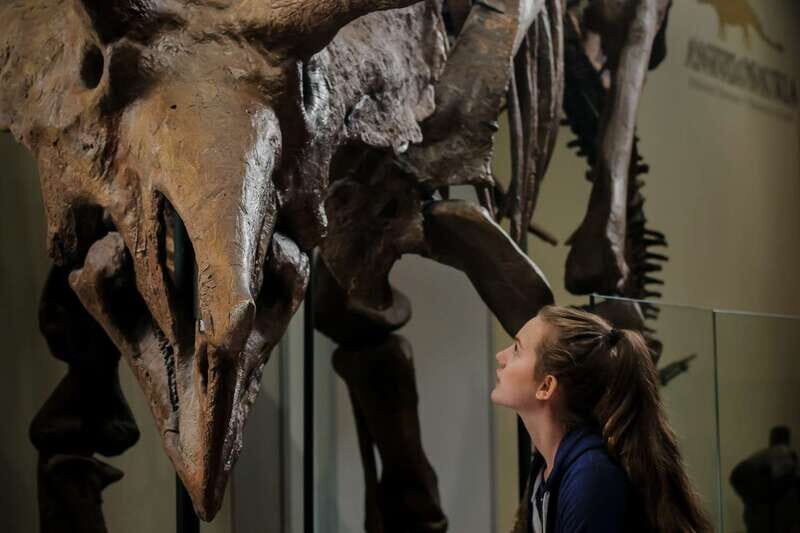
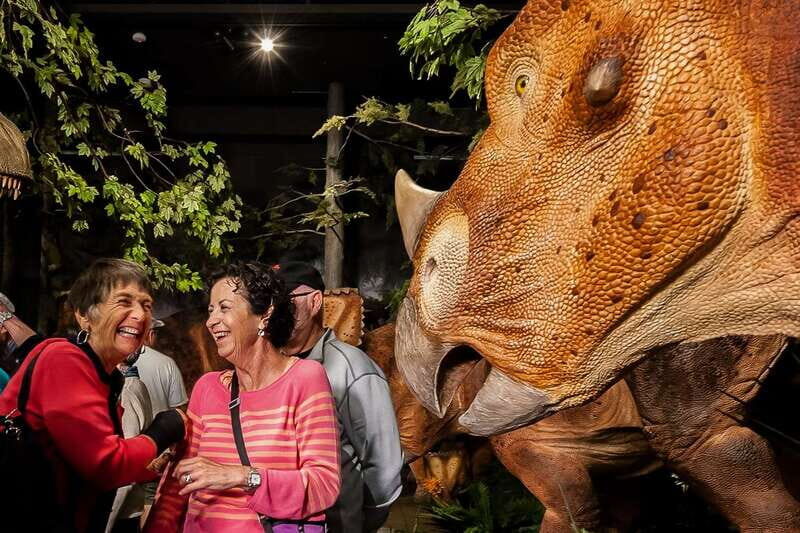
From there, expect classic natural history favorites that feel very Canada-specific: Canadian birds, iconic Canadian mammals, and fossils that include giant dinosaurs and whale fossils. There are also gems and minerals displays, which are a nice shift if you want something that feels like science plus art.
This is also the kind of museum day where you can pick your intensity level. If you’re traveling with kids, you can focus on the big visuals and the live displays. If you’re traveling as an adult, you can slow down in the paleontology and Earth-focused sections where the exhibits explain how the past connects to what we see now.
Live exhibits that actually move the day along
Not all natural history museums feel lively. This one does, thanks to live or creature-based exhibits and the way they’re staged. Two standouts are Pacific tide pool creatures and live insect experiences (including Bugs Alive-style programming).
These displays are worth prioritizing because they change the rhythm of a visit. Instead of spending your whole time reading signs, you get moments where you can watch movement, compare forms, and react in real time. It also makes the museum easier to manage for mixed groups—kids can stay interested while adults still get real learning content.
One practical note: live exhibits can be a magnet for crowds. If you want the best chance of a calmer viewing experience, you’ll enjoy arriving with a plan for where you want to be at peak times. Even a simple strategy like doing the live sections earlier can pay off.
And yes, there’s a range in how people value paid special exhibits. The live insect moment is a big hit for many visitors, but if insects aren’t your thing, you might not feel the same urgency about a paid special ticket. In other words: treat special exhibits as optional upgrades, not required ones.






The Canada Goose Arctic Gallery: hands-on learning with real-ice impact
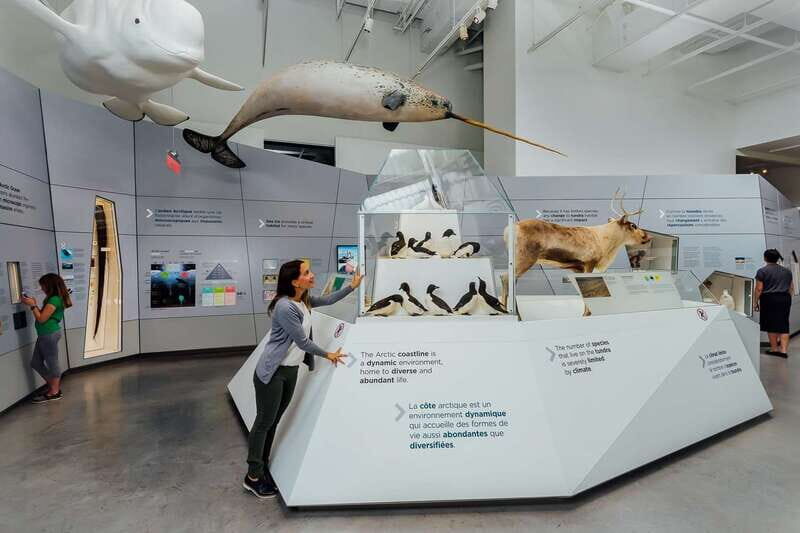
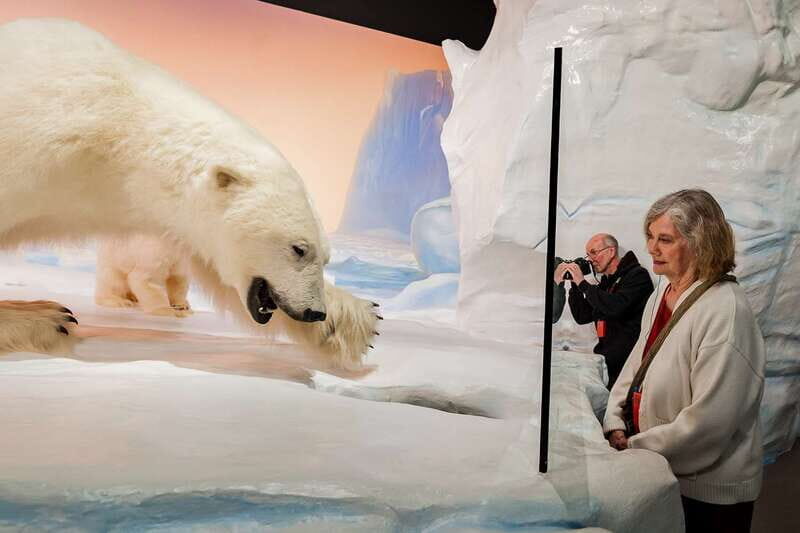
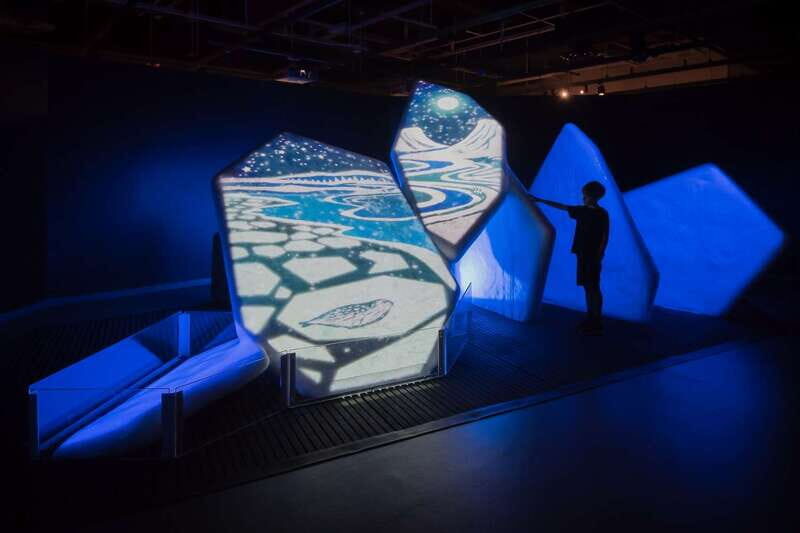
The Canada Goose Arctic Gallery is one of the museum’s most memorable experiences because it doesn’t just show the Arctic. It invites you to interact with it through immersive, hands-on and interactive displays designed around the Arctic’s mysteries and challenges.
A rare-feeling highlight is that you can touch real ice. It’s the kind of moment that sticks, especially for kids who think museums are only for looking. Even if you’re an adult, it gives your brain a physical anchor—cold object, Arctic context, and then you move on with a better mental picture.
This section also helps you connect vulnerability and uniqueness to what you’re seeing. The Arctic isn’t presented as a theme park. It’s framed as a place worth understanding.
Butterflies in Flight: how to plan for the timed ticket and warm humid room
Butterflies in Flight is the museum’s special exhibit that many people build their day around. It’s designed as a solarium space where live butterflies soar freely, and the museum gets new pupae from Costa Rica and the Philippines on a weekly schedule.
Here’s what you need to know before you get there:
- Tickets are limited and this exhibition may sell out
- You should inquire upon arrival for special exhibit tickets
- Expect a warm and humid indoor environment
- There’s a coat check, which is helpful if you want to avoid hauling extra layers into a humid space
This is one of those exhibits where timing matters. If it’s your priority, don’t treat it like a last-minute bonus. Build your day around the possibility that you might need to wait in line before entering.
Also, use the temperature to your advantage. Dress for comfort in a muggy room, not for Ottawa weather outside.
A smart 1-day game plan (so you don’t rush the best stuff)
The museum is big enough that you’ll feel rushed if you try to do everything in one short loop. Many visitors spend about 3 to 4 hours for a satisfying visit, so I suggest you plan on that range and keep your expectations realistic.
Here’s a practical flow that works well:
- Start with the headline areas: whales, major fossil displays, and quick wins for first impressions
- Move into geology/paleontology sections where you can slow down without feeling lost
- Lunch break or cafe stop if you need energy before the live exhibits
- Hit live creature exhibits next: Pacific tide pool creatures and the live insect experiences
- Save the Arctic Gallery for later when you’re ready for hands-on learning
- If you get Butterflies in Flight tickets, slot that in when you’re inside and ready for humid indoor time
One extra exhibit you may want to look for is a story-based presentation called The Man Who Planted Trees: An Immersive Tale, inspired by Jean Giono. It’s a good palate cleanser between animal-focused exhibits and the more science-heavy sections.
Museum experience details that matter: kids, reading, and mobility
This is one of those places where the design helps you spend less time negotiating your group. Signs are large and placed where they make sense, so you’re not constantly tilting your head or hunting for tiny text. There are also activities and games, plus exhibits that include talking components if you don’t want to read every label.
If you’re traveling with someone who uses mobility supports, you’ll appreciate that staff assistance has a reputation for being friendly and helpful. And because the museum uses a structured path through galleries, it’s usually easier to keep track of where everyone is headed.
For families, the museum can be especially good when kids are in different interest modes. Some floors are more visual and animal-focused. Others are more science and touch-based. You can pivot without starting over.
If your group includes a lot of energy, keep your expectations realistic. One downside to know: on busy days, you may run into uncontrolled kid movement in some areas. It’s not a reason to skip the visit. Just keep an eye out and give yourself a little extra margin when crowds peak.
Tickets, food, and the small practical stuff
You’re not paying for guided tours here. The admission is built for self-guided exploring, which is great because it lets you move at your own pace and focus on what grabs you.
There is Wi-Fi available, which helps if you’re coordinating a plan with family or just taking a break from screens and want to look up details in real time.
The museum also has a cafe, and it’s a convenient option if you don’t want to leave mid-visit. A short meal pause can save your energy for the live exhibits, especially if you’re planning to see Butterflies in Flight later.
Should you book the Canadian Museum of Nature admission?
Book it if you want a one-day Ottawa plan that works for ages and interests, with real interaction instead of only glass-case viewing. The value is strong: for $19 you get the permanent galleries, major wildlife displays like the blue whale skeleton, and access to the Arctic-focused interactive experience.
Skip or adjust your expectations if you’re only interested in one niche topic and don’t want to deal with limited-capacity special exhibits. Butterflies in Flight can sell out, so if you’d be disappointed, treat it as a bonus, not a guarantee.
If you’re going, I’d prioritize the core permanent galleries first, then check special exhibit ticket availability on arrival. That strategy keeps your day flexible and lets you spend time where the museum feels most alive.
FAQ
What’s included with the Canadian Museum of Nature admission price?
Your admission includes access to all permanent galleries. It also provides access to special exhibits, but you may need to inquire upon arrival for tickets for special exhibits because capacity is limited. Wi-Fi and a coat check are included.
How much does admission cost?
Admission is priced at $19 per person for this 1-day experience.
Do I need a separate ticket for special exhibits like Butterflies in Flight?
You should plan on needing a timed ticket for special exhibits. Capacity is limited, and you may have to inquire upon arrival. Butterflies in Flight may sell out, and you may need to wait in line.
How long should I plan to spend at the museum?
Plan on about 3 to 4 hours for a visit that lets you see the major highlights comfortably.
Are children allowed without an adult?
Children must be accompanied by an adult, and unaccompanied minors are not allowed.
What’s special about visiting on Thursdays?
On Thursdays, the museum stays open until 8:00 PM. Entry after 5:00 PM is complimentary, but special exhibits have an additional cost after 5:00 PM.