REVIEW · OTTAWA
Ottawa 200th Anniversary Guided Bike Tour
Book on GetYourGuide →Operated by RentABike · Bookable on GetYourGuide
200 years can roll by fast. This 2-hour Ottawa bike tour keeps you on car-free pathways and pairs easy pedaling with Senior Guide Robert’s funny, passionate storytelling about how the city grew. You get a guided route that connects big sights without the usual scramble.
I really like the small, human guide touch here—Robert brings history, culture, and even a little family gossip into the ride. I also love that it’s built for more than just fast cyclists, with a pace that works for different abilities and the option to use electric assist if you need it.
The main thing to consider: the route can shift due to flooding, construction, community events, or Capital events, and the tour won’t run if weather conditions are considered dangerous. So if your schedule is tight, build in a little flexibility.
In This Review
- Key things I’d clock before you go
- Where You Start: Senate Steps to Canal-Level Riding
- Senior Guide Robert and That 200-Year Storytelling Style
- Rideau Canal: The Best Part Is the Car-Free Pace
- Dow’s Lake Photo Stop: Quick, Scenic, and Worth the Brake
- Dominion Arboretum Sightseeing: Gentle Time for Details
- Ottawa River Photo Stop: Big Views With Minimal Fuss
- Chaudière Falls Sightseeing: The City Sounds Different Here
- Kìwekì Point: A Clean Photo Finish Back Toward Downtown
- Bikes, E-Assist, and Tandems: What You Should Know
- Price and Value: Why $50 Often Feels Like a Bargain
- Who This Tour Suits Best (and Who Might Want a Different Plan)
- Should You Book This Ottawa 200th Anniversary Bike Tour?
- FAQ
- How long is the Ottawa 200th Anniversary guided bike tour?
- Where do I meet for the tour?
- Is the route flat and difficult?
- Are e-bikes available, and what do they cost?
- What is included in the price?
- What happens if weather or local conditions are bad?
- Can I cancel for a refund?
Key things I’d clock before you go
- Senior Guide Robert’s narration adds personality to every stop, not just facts.
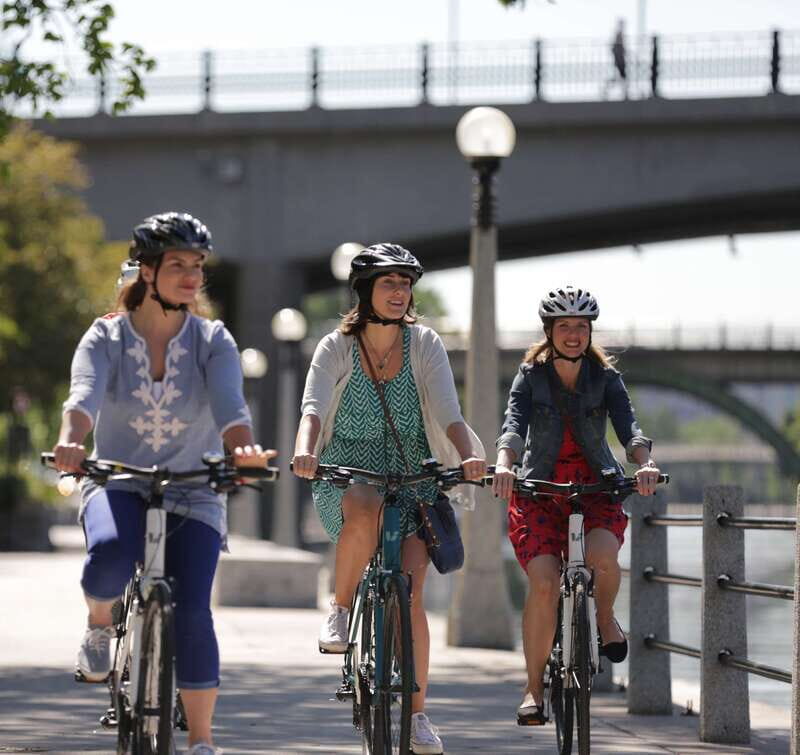
- Car-free Rideau Canal access means calmer sightseeing and safer-feeling riding.
- Flat, easy pace makes it realistic for people with basic bike skills.
- Photo-stop rhythm keeps the ride moving while still giving you time to look.
- Optional e-bike assist for $20 helps slower riders keep up comfortably.
- Baggage storage + water take care of the small annoyances.
Where You Start: Senate Steps to Canal-Level Riding
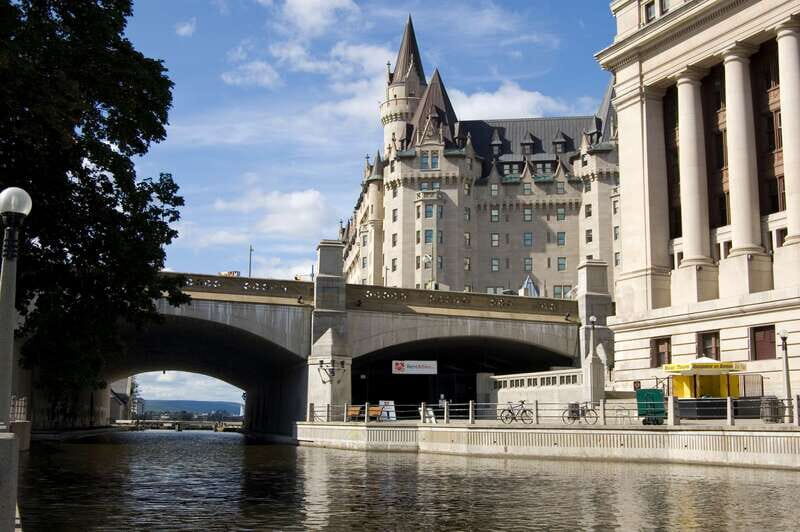
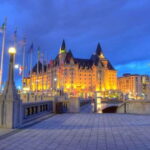
You’ll meet right by the Senate of Canada, on the steps opposite the Château Laurier. From there, you head down to the Rideau Canal area, and you’ll be at water level near the East Arch Plaza Bridge. It’s a good setup because you’re not hunting for a shop on side streets—you’re starting where the canal and downtown Ottawa already make sense.
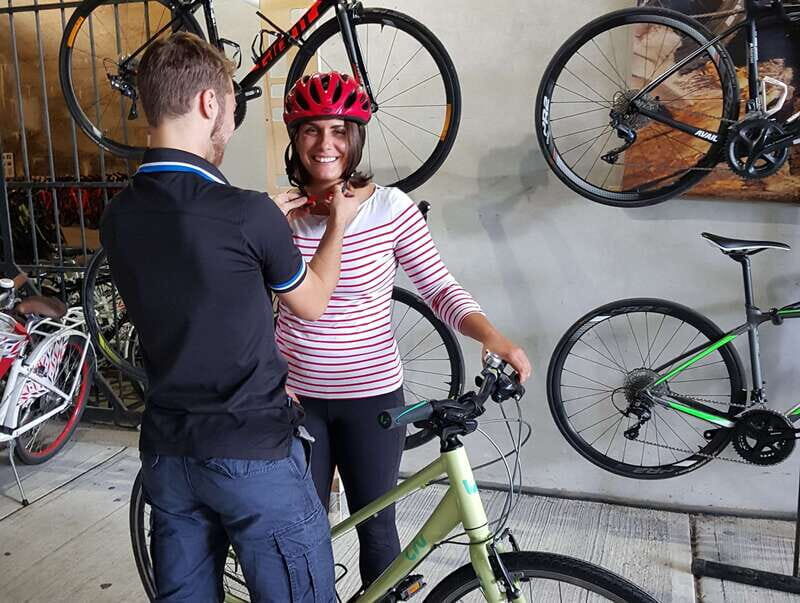
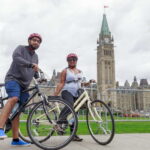
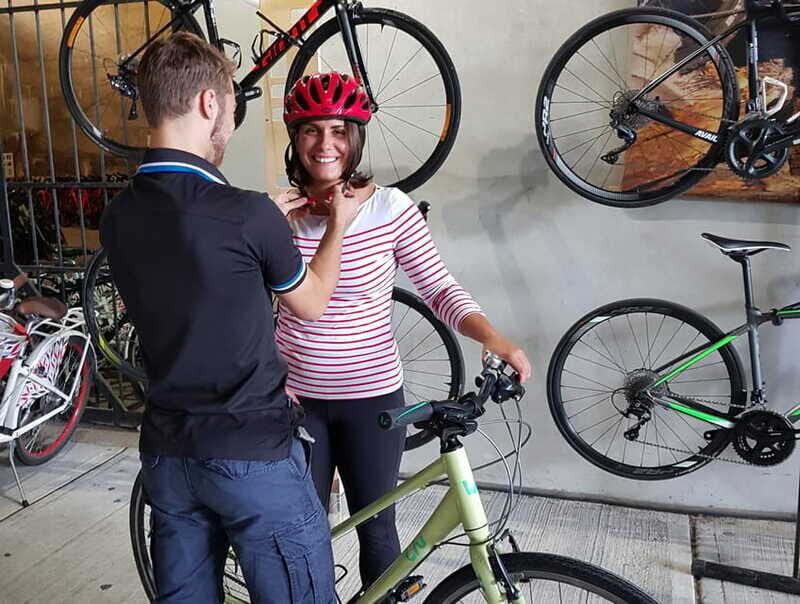
Once you arrive, bikes and helmets are handled for you. The tour includes fitting and adjustment, which matters more than people think. A correctly set handlebar and saddle can be the difference between an easy, comfortable hour and a sore back by stop two.
One practical note: since the route is partly along public pathways and may adjust for events or construction, it’s smart to show up a few minutes early so you’re not rushing while the group is getting ready.
You can also read our reviews of more cycling tours in Ottawa

Senior Guide Robert and That 200-Year Storytelling Style
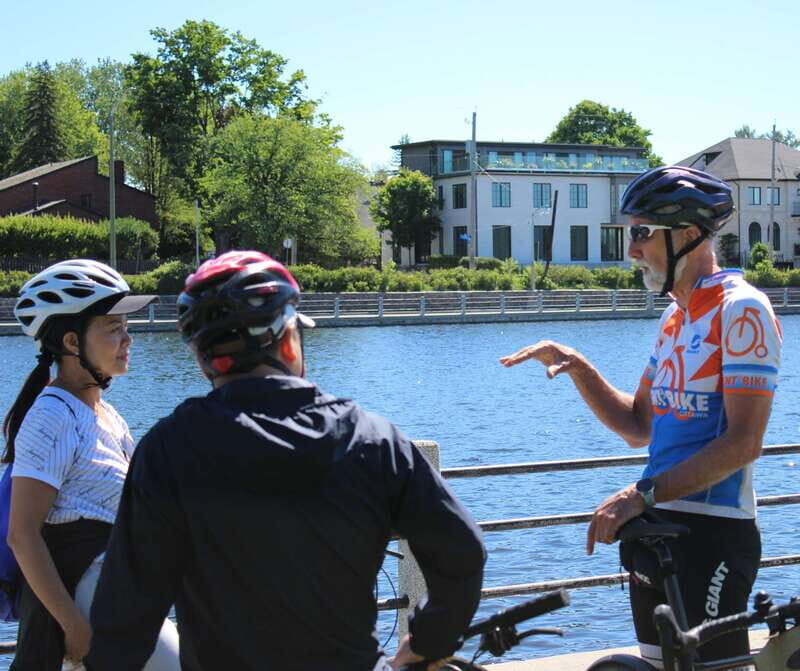
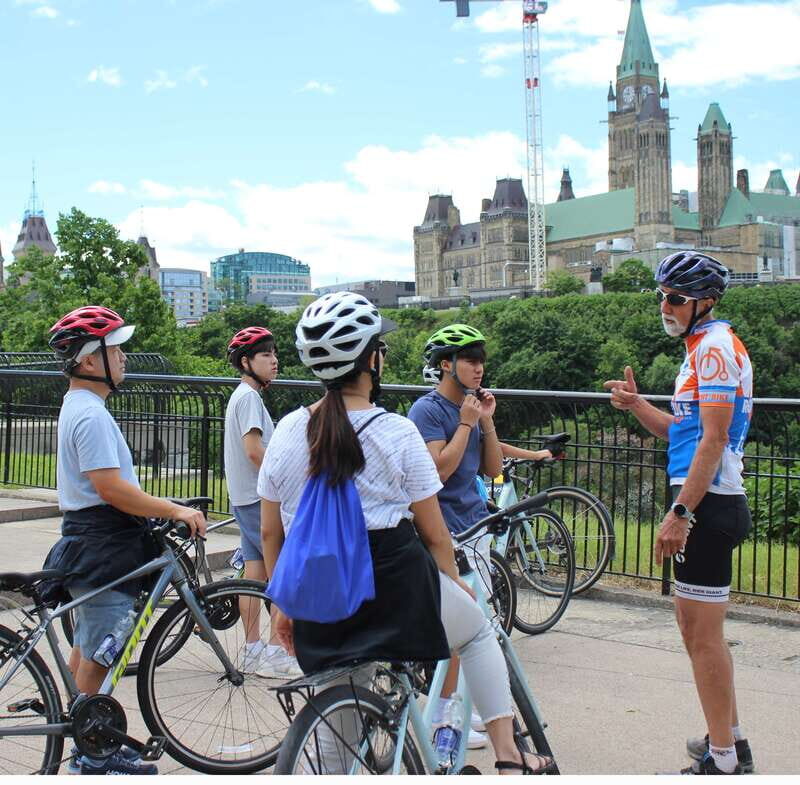
This tour’s biggest advantage is the guide. Robert is the Senior Guide for the Ottawa run, and his roots reach back to the 1830s—so his narration doesn’t feel like a script read off a phone. It’s the kind of guiding that keeps you listening even when you’re just rolling along at an easy pace.
Robert also narrates with passion and humour, and he works in not-too-heavy context: what life looked like, how people organized daily culture, and how society changed as the capital evolved. The stories aim to land for all ages and abilities, so you’re not stuck in “lecture mode,” even if you’re there for the historic landmarks.
If you speak French (or you want to feel comfortable practicing), the tour is offered in English and French, and the guide’s tone is described as engaging rather than stiff. That bilingual format is a real advantage in Ottawa, where you’ll hear both languages everywhere.
Rideau Canal: The Best Part Is the Car-Free Pace
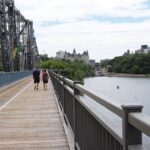
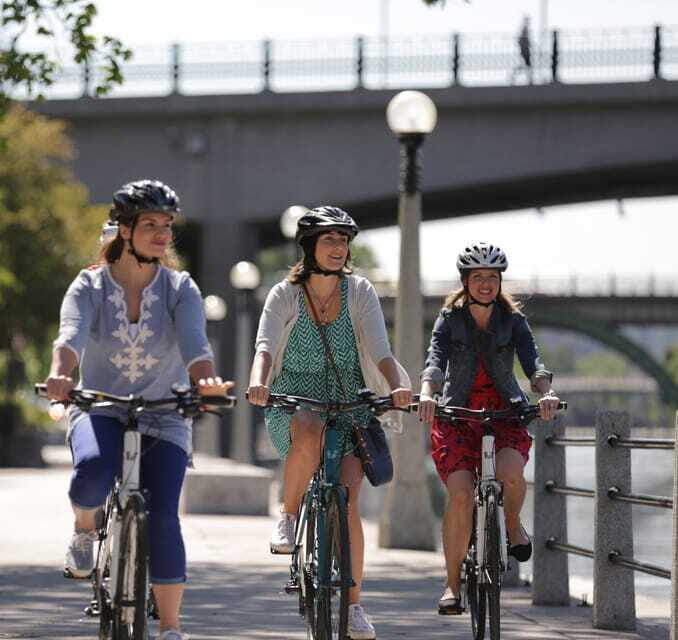
Your first big stretch is the Rideau Canal segment, about 45 minutes. This is where the tour clicks. You get that feeling of sliding through the city on a smooth ribbon of pathways—less traffic noise, fewer abrupt crossings, and a calmer vibe for photos.
The Rideau Canal is also a natural anchor for a 200th-anniversary theme. You’re not just riding past random stops; you’re moving through a place that has long mattered to how Ottawa functions and how it’s seen.
Why this matters for you: if you’ve only got a day (or two) in Ottawa, the canal area is one of the fastest ways to build your bearings. After this stretch, the rest of the route stops feel connected instead of scattered.
A small drawback: since this section is longer, if you’re the type who wants constant “stop and stare” time, you’ll have to settle for rolling viewpoints and narration as your main focus for a while. The payoff is that the energy stays steady and you won’t feel like you’re constantly dismounting.
Dow’s Lake Photo Stop: Quick, Scenic, and Worth the Brake
Next comes a short break at Dow’s Lake for a photo stop (about 5 minutes). It’s brief, but that’s exactly why it works on a guided bike tour. You get a chance to capture the scene and then get back on the bike without losing the momentum of the ride.
Dow’s Lake adds variety to the canal-heavy first stretch. It changes the visual mood and gives you a quick reset—especially helpful if you’re riding with kids or anyone who needs frequent “pause” moments.
If you’re traveling with family or mixed abilities, these short photo stops are practical: they let everyone refocus without turning the tour into a slow walk through every viewpoint.
Dominion Arboretum Sightseeing: Gentle Time for Details
Then you move to the Dominion Arboretum for about 15 minutes of sightseeing. This is one of your longer pauses on the route, and it’s where the tour widens from major landmark views into a more grounded, park-and-nature feel.
What you’ll enjoy here is the slower “look around” pace. On a bike tour, it’s easy to overdo it—too much motion and not enough time to take in what you’re actually seeing. This stop gives your eyes a chance to reset, and it also gives you time to listen to Robert’s storytelling while you’re not pedaling.
A consideration: since this is a sightseeing stop rather than an extended exploration, you won’t be doing a full museum-style visit. If you want deeper time inside major institutions, you’ll still want to plan separate visits. The tour is designed to orient you and connect the dots.
You can also read our reviews of more guided tours in Ottawa

Ottawa River Photo Stop: Big Views With Minimal Fuss
After the arboretum, there’s a 10-minute photo stop at the Ottawa River. This is a good moment to step out of the “trail-only” rhythm and aim your camera across open water.
Why it’s valuable: Ottawa’s identity isn’t just buildings; it’s also water and the way the city sits alongside it. This quick river viewpoint supports that bigger picture, especially if this is your first time in town.
If you’re sensitive to tight timing, don’t worry—this stop is short on purpose. You’ll get your chance for photos without losing the flow of the tour.
Chaudière Falls Sightseeing: The City Sounds Different Here
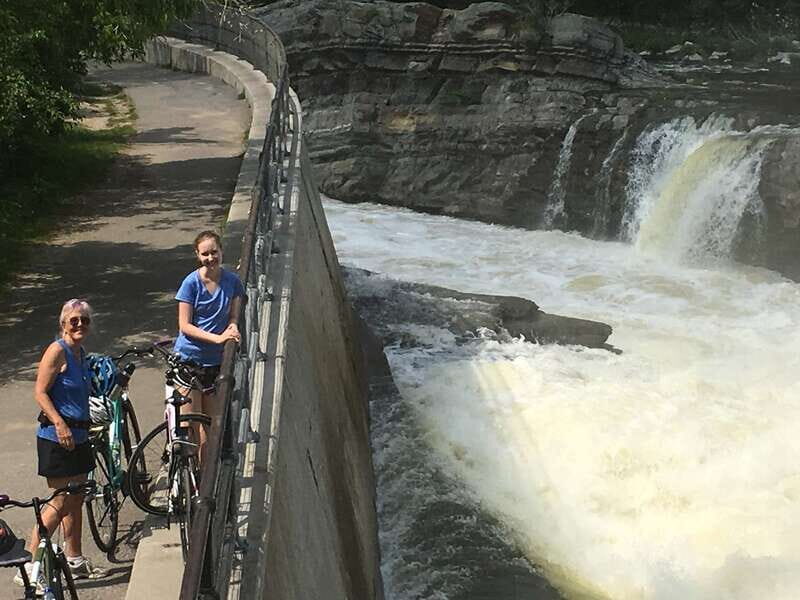
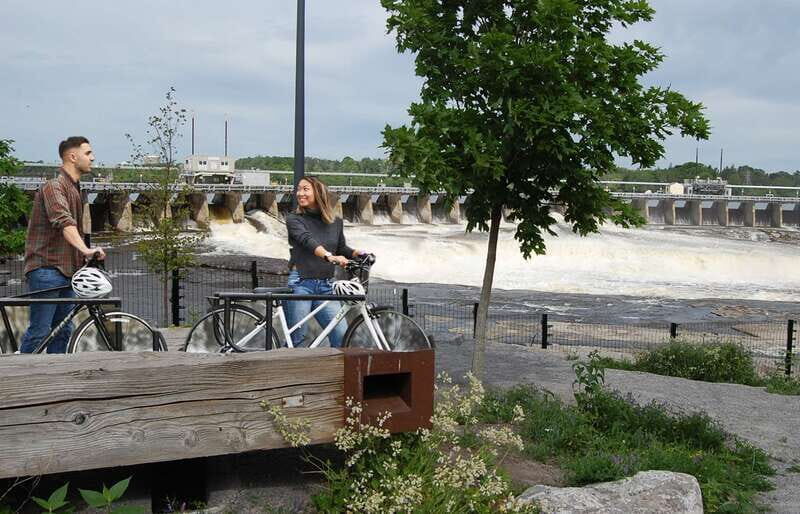
One of the most memorable segments is Chaudière Falls, with about 10 minutes of sightseeing. Even in a short window, waterfalls change the atmosphere. You’re near the energy of the water, and that makes the surrounding area feel less like just another urban overlook.
This is also the kind of stop where Robert’s storytelling helps you connect the visual to the human story—how the capital’s growth ties to the natural features around it.
One drawback to be aware of: waterfalls can attract wind and mist depending on conditions. If it’s cool or breezy, plan for a light layer, especially for the minutes you’re standing still rather than riding.
Kìwekì Point: A Clean Photo Finish Back Toward Downtown
Next is Kìwekì Point for a 10-minute photo stop. It’s a strong closing moment because it gives you a final viewpoint and helps the whole route feel like a loop rather than a series of unrelated clips.
Photo stops here are designed to be practical. You’re not hunting for extra walking paths; the goal is to get you a good look, grab the image, and keep the tour rhythm so everyone gets back comfortably.
The tour ends back on the Rideau Canal downtown, which feels fitting. You started near the canal and you roll back into it after you’ve seen the wider sights linked by pathways—exactly the kind of “get the story in one go” structure that works well in a limited time window.
Bikes, E-Assist, and Tandems: What You Should Know
The bikes are described as new Giant models, comfort-focused and lightweight, designed to be efficient. Helmets are included, and the team helps with fitting and adjustment so the bike feels right from the start.
If you’d rather not fight effort, e-bikes are available upon request. The electric assist option is $20 additional fee. The tour includes electric assist models as a slower-participant option, and if e-bikes are required you should inform the team in advance.
Bikes aren’t the only comfort detail. Water is included, and there’s safe baggage storage. That’s one less thing you’ll need to carry while you ride, especially if you’re combining this bike tour with other downtown activities.
Tandems are also available (two-seat setups). That can be a great option if you’re traveling with someone who wants to be part of the experience but can’t manage a standard bike solo.
Price and Value: Why $50 Often Feels Like a Bargain
At $50 per person for 2 hours, you’re paying for more than just a bike. You’re getting a dedicated senior guide, bike and helmet with fitting, water, and secure baggage storage.
For many people, the real value is time. Renting a bike on your own means you’re still left figuring out where to go and who to listen to. Here, the route is already planned and the narration keeps you oriented. You also get car-free riding where you can concentrate on the sights instead of navigating.
This tour is also good value because it’s flexible in the sense that slower riders have an e-bike option. Paying the extra $20 (if you need it) can turn a “hope I can keep up” situation into a comfortable ride.
Who This Tour Suits Best (and Who Might Want a Different Plan)
This tour is aimed at people with basic bike skills. If you can ride steadily on bike paths and you’re comfortable with an easy pace, you should be in the sweet spot. It’s also described as suitable for all ages and abilities, which is often code for: you’ll be given a realistic pace and there’s support if you need extra help via electric assist.
It’s especially strong if:
- You want to see major Ottawa landmarks in one guided loop.
- You like your history told in an active, story-driven way.
- You prefer car-free paths over dealing with downtown traffic.
It may not be the best match if:
- You’re expecting a long, deep exploration at each site. Several stops are brief photo or sightseeing breaks.
- You need lots of flexibility for a last-minute change due to personal illness or schedule surprises. Weather and event changes can affect the run, and you’ll want to rely on the standard options rather than assuming an easy swap.
Should You Book This Ottawa 200th Anniversary Bike Tour?
If you want a practical Ottawa highlight day, this is a strong pick. The combination of car-free pathways, easy riding, and Robert’s 200th-anniversary style storytelling is exactly what makes a bike tour worth doing instead of just reading about Ottawa later.
Book it if you want:
- Guided orientation of downtown and the Rideau Canal area
- A smooth, easy pace for mixed abilities
- Optional e-assist so nobody has to struggle
Skip it (or plan differently) if you’re hoping for a museum-level deep dive at multiple stops, or if your schedule doesn’t tolerate weather or route adjustments.
FAQ
How long is the Ottawa 200th Anniversary guided bike tour?
The tour lasts about 2 hours.
Where do I meet for the tour?
Meet from the front door of the Senate of Canada, opposite the Château Laurier. Take the steps to your right down to the Canal, and look for the East Arch Plaza Bridge at water level.
Is the route flat and difficult?
The route is primarily flat, and the pace is described as easy.
Are e-bikes available, and what do they cost?
E-bikes are available upon request. Slower participants can use electric assist models with an additional $20 fee, and if e-bikes are required you should tell the team in advance.
What is included in the price?
You get the senior guide, a new comfort model bicycle and helmet with fitting and adjustment, e-bikes and two-seat tandems when available, water, and safe baggage storage.
What happens if weather or local conditions are bad?
The tour will not proceed if weather is considered dangerous with advisory warnings, and the route may change due to flooding, construction, community events, or Capital events.
Can I cancel for a refund?
Yes. There is free cancellation up to 24 hours in advance for a full refund.