REVIEW · CANMORE
Night Adventure with possible stargazing and Aurora chasing
Book on Viator →Operated by Canmore Travel-Moraine Lake and Lake Louise shuttle/bus · Bookable on Viator
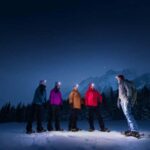
One clear night in the Rockies changes your whole mood. This Banff stargazing adventure takes you away from city glow, sets you up with comfort gear, and pairs night-sky viewing with warm drinks and telescope time. The goal is simple: help you enjoy the dark sky without feeling nervous about going out alone.
I especially like the built-in comfort. You get blankets, inflatable loungers, chairs, headlamps, and even cleats if conditions call for it. I also like the practical guiding approach—dark-sky spots, telescope access, and explanations that help you make sense of what you’re seeing, like planets and constellations. The only real drawback is the big one: stars and Aurora Borealis are not guaranteed, so you’re booking for the experience and the odds, not a promise.
In This Review
- Key Highlights Worth Marking on Your Calendar
- A Mountain Night You Can Do Without Driving
- Price That Buys Dark Skies, Not Just a Ride
- Pickup Timing From Banff and Canmore (and How Not to Miss It)
- The Dark-Sky Circuit in Banff National Park: What Actually Happens
- Possible drawback at this stop
- Loungers, Blankets, Hot Cocoa, and the Comfort That Changes Everything
- Telescope Time: What You’ll See When the Sky Cooperates
- A realistic note
- Aurora Borealis: How to Chase It Without Getting Disappointed
- Group Size and Guide Energy: Why This Feels Easier at Night
- Who This Tour Is Best For (and Who Should Skip It)
- Tips to Get the Most Out of Your 2-to-4 Hour Night
- Should You Book This Night Adventure?
- FAQ
- What time does the Night Adventure start?
- Where are the pickup times from Canmore and Banff?
- How long is the tour?
- What’s included in the price?
- Do I need a Banff National Park pass?
- Is Aurora Borealis guaranteed?
- What should I wear for this tour?
- Are children allowed?
- What happens if the weather is bad?
- How many people are in the group?
Key Highlights Worth Marking on Your Calendar
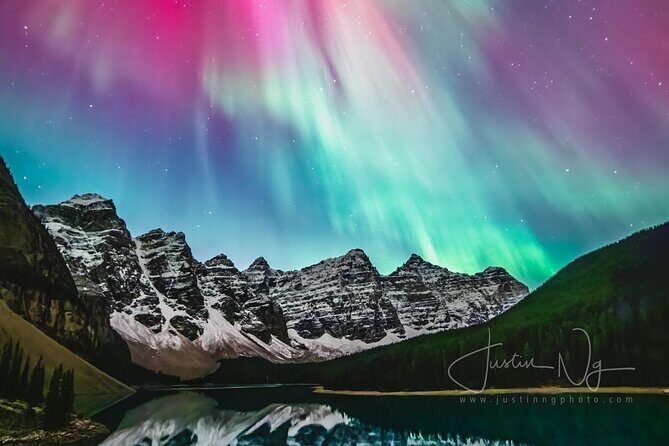
- Multiple dark-sky locations in Banff National Park to improve your chances when one spot isn’t perfect
- Inflatable loungers + blankets so you’re warm and relaxed instead of crouching in the cold
- Hot tea and hot chocolate to keep your hands and spirits working through the wait
- Telescope use for close-up views of brighter targets when skies cooperate
- Small group size (max 13) for a calmer, easier night
- Aurora chasing with realistic expectations—possible, not guaranteed
A Mountain Night You Can Do Without Driving
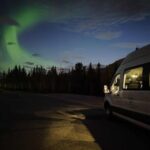
The biggest win here is how little you have to think about after you get picked up. At 7:15 pm, you’re not trying to time traffic, find a parking spot, and then guess which pull-off gives the best sky. You ride out with the group in a passenger van or SUV and let the guides handle the route between several viewing areas.
That matters because mountain nights come with two pressures: darkness and cold. Even if you’re an experienced traveler, it’s easier to enjoy stargazing when someone’s already thinking about safe access, where people can stand and sit, and how to keep everyone moving at the right pace.
You’ll also feel the planning in the details. Headlamps are part of the package, and the tour also includes cleats if they’re needed. It’s a small thing, but it can be the difference between careful and confident.
You can also read our reviews of more evening experiences in Canmore
Price That Buys Dark Skies, Not Just a Ride
At about $111.84 per person for roughly 2 to 4 hours, you’re paying for three things at once: transportation, comfort gear, and equipment access. If you tried to replicate this on your own, you’d still spend money on gas or a guide, plus you’d need to bring the warm sitting setup and figure out telescope access.
This isn’t a cheap add-on for a quick photo stop. The experience is built around time. You’re guided to several spots, then set up with a comfortable observation base where you can actually wait for the sky to settle. That waiting is important—clouds can drift, and it’s common for clear windows to happen after you think conditions are done.
Also note what’s not included: there’s no food, and you’ll need your own Banff National Park pass. So I’d plan to eat beforehand and treat this as a night-focused outing rather than a dinner plan.
Pickup Timing From Banff and Canmore (and How Not to Miss It)
This tour starts at 7:15 pm, and pickup timing is specific. If you’re in Canmore, pickup is typically around 7:15 pm (with a 15-minute window). If you’re in Banff, pickup is about 7:45 pm (again, with a 15-minute window), and you’re asked to be ready 10 minutes before the window begins.
Why you should care: stargazing doesn’t work when you’re stressed. The guide can’t pause for late arrivals, and the early part of the night is often when you’re trying to reach the best dark-sky locations.
If you’re planning from outside Banff/Canmore areas, you’ll want to confirm where you’re being picked up at booking. The tour runs with a small cap (max 13 travelers), so the schedule is tight.
The Dark-Sky Circuit in Banff National Park: What Actually Happens
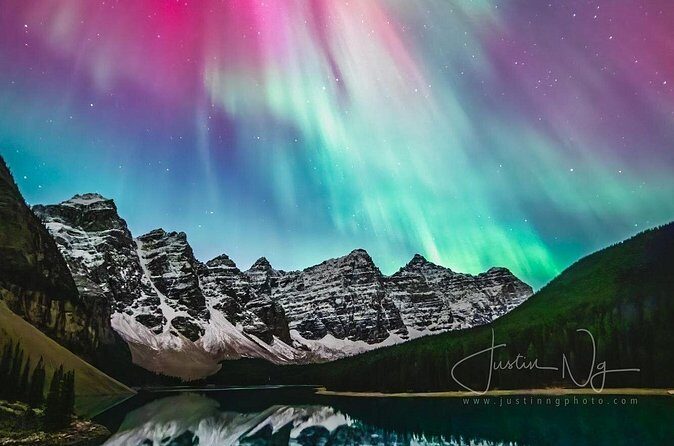
The heart of the night is a visit to Banff National Park for a dark-sky viewing circuit. The tour doesn’t rely on just one location. Instead, you travel to several hidden or lower-distraction spots in the mountains, far from the strongest light pollution.
Here’s the practical flow you should expect:
- You’re picked up and driven out to the region.
- You move between viewing areas as conditions suggest.
- Once you reach a good spot, the team sets up a comfortable base so you can stay put for a while.
- Drinks and telescope time happen during the session, so you’re not bouncing around while your hands go numb.
The main “special” part is that you aren’t standing around wondering what to do next. You’ll have chairs and inflatable loungers, plus headlamps for walking and repositioning without flashlight chaos. Blankets are part of the setup, which helps you focus on the sky instead of managing discomfort.
One more thing: there can be a wildlife component. Some nights include sightings like foxes, and you may get safety reminders (including animal precautions). It’s not about rushing for photos—think calm observation and safe behavior.
Possible drawback at this stop
Because this is weather-dependent and includes travel between spots, you might spend time waiting. If skies are heavy cloud or very foggy, the night can feel less “wow” than you hoped—though guides do a lot to keep the time enjoyable, educational, and comfortable.
Loungers, Blankets, Hot Cocoa, and the Comfort That Changes Everything
If you only do one thing to prep for this tour, make it this: dress like you’re staying outside for hours. The colder your body stays, the shorter your attention span for stars.
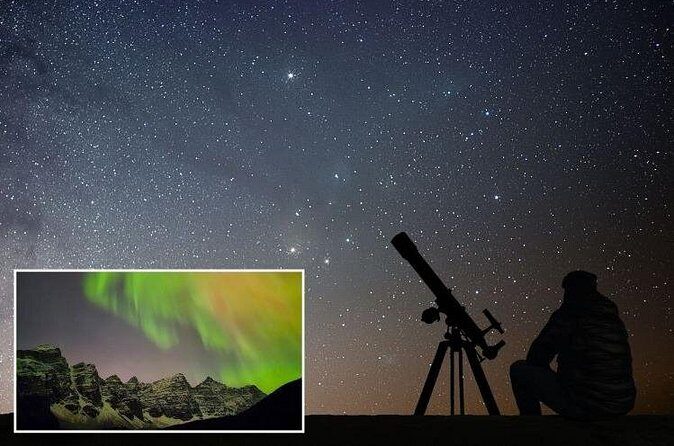
The tour provides a lot of help, but the basics still matter. You’re given blankets and warm drinks—hot chocolate and tea—plus comfortable seating options with chairs and inflatable loungers. Headlamps help you move safely at night, and cleats are included if the ground needs traction.
From the experience side, that comfort setup pays off because stargazing is slow. You wait. You look. You adjust your gaze. You talk. Warm hands and a relaxed body make that routine enjoyable rather than miserable.
I’d also suggest coming with your own heat strategy: warm hats, mitts or gloves, neck warmers, winter jackets, snow pants, thermal/base layers, warm socks, and boots. Heat packs like hand and foot warmers are strongly recommended and easy to find in Banff and Canmore.
Telescope Time: What You’ll See When the Sky Cooperates
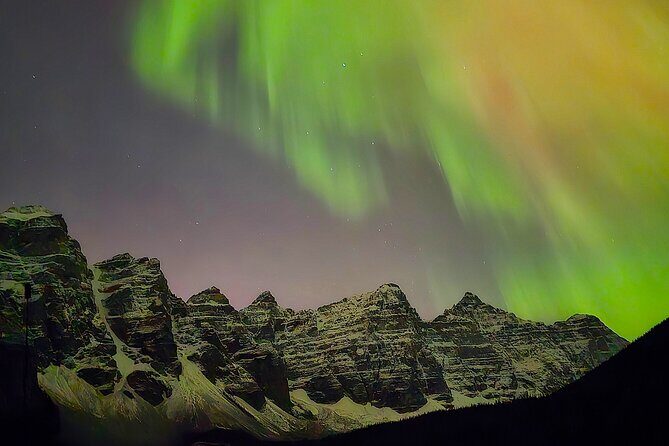
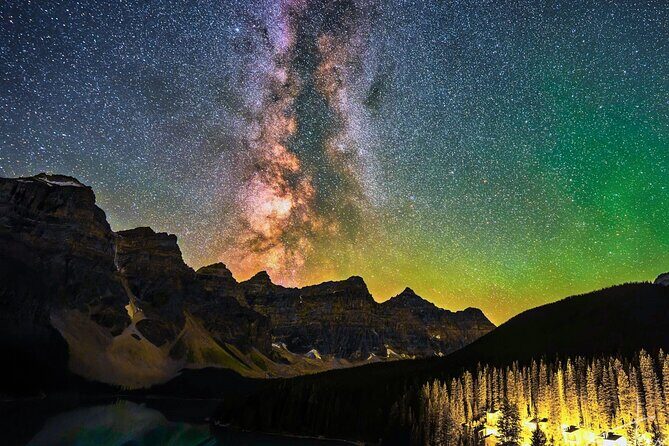
You get use of a telescope, which is one of the most tangible value items on the list. Naked-eye stargazing is great, but a telescope helps you move from “pretty” to “oh wow, that’s real detail.”
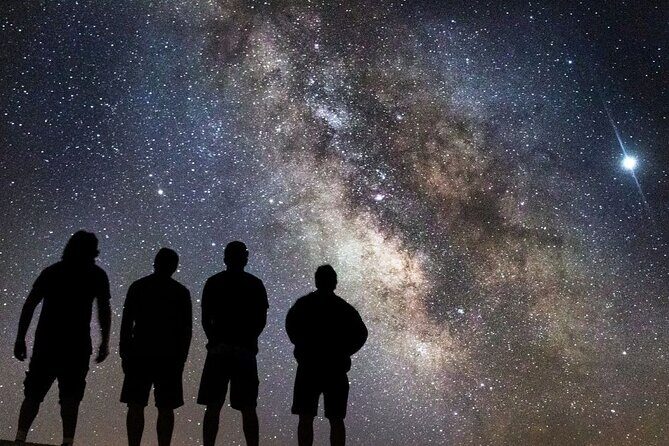
When conditions are clear, you might catch bright targets like planets. There are also nights where Jupiter and its moons are visible through the scope, and guests often report the Milky Way appearing with naked-eye clarity when skies line up.
Guides also help you connect what you’re seeing to something you can recognize—constellations, sky patterns, and planet sightings. Even if you’re not a science person, it helps to have a guide pointing and explaining in plain language.
There can also be a fun photo-related activity using your phone—think creative light effects that you can capture right where you’re sitting. It’s the kind of add-on that makes the night feel more than just waiting quietly.
A realistic note
The tour covers a range of sky conditions: clear, partly cloudy, cloudy, mainly cloudy, and even light snow. Telescope performance depends on clarity and steadiness of the view. If clouds roll in, you’ll still get warm drinks, guided explanations, and a comfortable base—but the “sharp view” moments may be fewer.
Aurora Borealis: How to Chase It Without Getting Disappointed
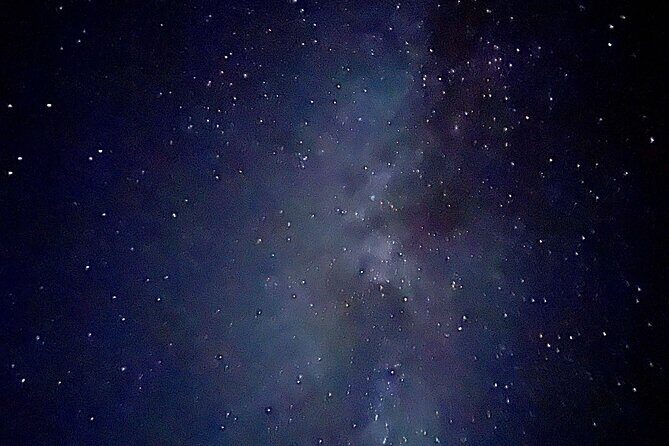
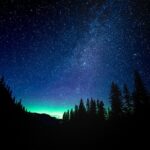
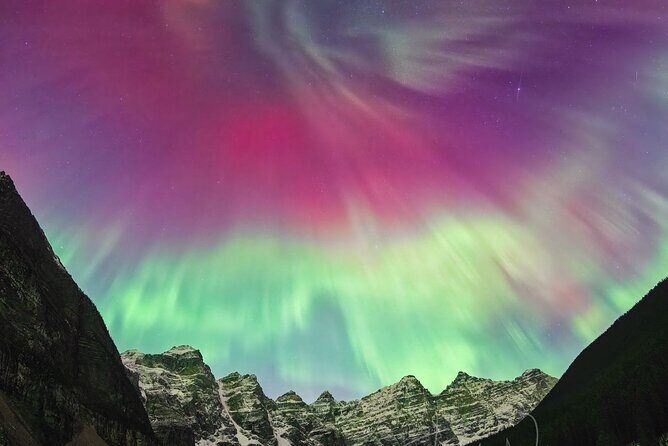
Aurora Borealis is a major reason people book this style of outing. But the tour is clear about the trade-off: Aurora and stars are not guaranteed.
So how do you get the most from the aurora possibility?
- Treat the night-sky viewing as the main event.
- Expect the aurora to be an extra if it happens.
- Keep your clothing warm and your patience longer than you think you need.
When the sky does cooperate, the night can feel electric. When it doesn’t, your best experience still comes from learning the sky, noticing stars you didn’t expect to see, and enjoying the comfort setup so you don’t rush out early.
In practical terms, the guides will take you to darker areas and adjust with the conditions. You’re not sitting in one bright spot hoping the aurora appears. You’re in motion with a plan.
Group Size and Guide Energy: Why This Feels Easier at Night
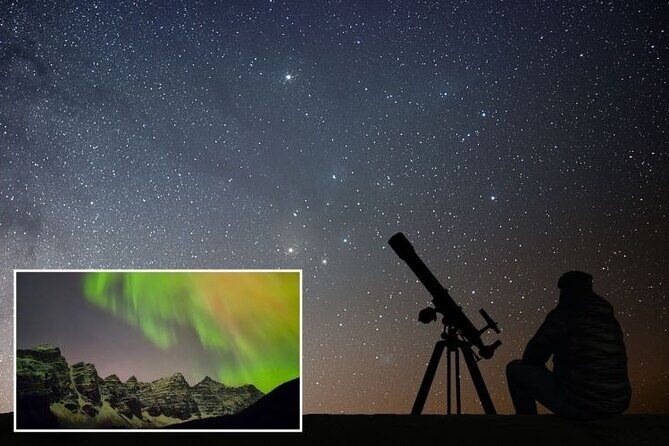
This tour caps at 13 travelers, which makes it feel more manageable than big bus-style “line up and go” outings. Small group size often means you’re not battling for position, and it’s easier for the guide to keep track of everyone’s comfort and ability level.
The guiding also gets real praise in how they keep people engaged while you wait out the cold. You’ll hear interesting local stories and sky explanations that help pass the time. In some reviews, guides like Pam and Denisse are singled out for their knowledge and friendly way of teaching, which is exactly what you want on a winter night when you’re mostly staring upward.
Who This Tour Is Best For (and Who Should Skip It)
This experience is described as suitable for most travelers, but there are clear limits.
It’s not recommended for children under 8. If you’re bringing kids, note that any child under 6 must ride in a proper child safety seat (not a booster), and you have to bring your own. If you don’t, boarding can be denied with no refund.
If you like being outside at night and you’re okay with weather swings, this is a strong match. If you hate waiting in the cold, this tour might frustrate you—even with blankets and warm drinks, you’ll still be outside during viewing windows.
Also, if you’re traveling with a service animal, the tour allows service animals.
Tips to Get the Most Out of Your 2-to-4 Hour Night
This tour runs on a tight nighttime rhythm, so your prep matters.
- Eat ahead. Food isn’t included.
- Wear real winter gear. Don’t underdress because it’s only “a couple hours.” Your body will disagree.
- Bring your warmers. Hand and foot warmers are strongly recommended.
- Use the headlamp the right way. Keep it low when you’re sitting so it doesn’t spoil night vision for you or others.
- Keep your expectations flexible. You’re chasing dark skies with aurora as a bonus, not a sure thing.
One more practical tip: take a moment to slow down and let your eyes adjust. Stargazing isn’t just about brightness—it’s about adapting to darkness. With the comfort setup, you can afford that adjustment time.
Should You Book This Night Adventure?
If your main goal is to experience the Canadian Rockies at night without the stress of driving, navigating, and figuring out where to wait, I think this is a solid booking. The price makes more sense when you total up what you’d otherwise need: warm seating setup, telescope access, and transportation to dark-sky spots. Plus, the small group size and provided gear make it feel designed for comfort, not survival.
You should probably pass if:
- you’re looking for guaranteed Aurora Borealis,
- you don’t want to dress for cold weather,
- or you’re bringing young kids who don’t meet the age guidance and safety-seat rules.
But if you can handle a “sky roulette” night and you want a guided, comfortable way to enjoy dark skies, this is exactly the kind of outing that turns a regular evening into a memory.
FAQ
What time does the Night Adventure start?
The tour starts at 7:15 pm.
Where are the pickup times from Canmore and Banff?
From December 1st to March 7th, pickup is about 7:15 pm from Canmore and 7:45 pm from Banff, each with a 15-minute window. Please be ready 10 minutes before your pickup window begins.
How long is the tour?
It runs for about 2 to 4 hours.
What’s included in the price?
You get hot chocolate and tea, telescope use, headlamps and cleats (if needed), blankets, inflatable loungers, chairs, and transportation in a passenger van or SUV.
Do I need a Banff National Park pass?
Yes. A Banff National Park Pass is not included.
Is Aurora Borealis guaranteed?
No. Stars and Aurora Borealis sightings are not guaranteed.
What should I wear for this tour?
Wear warm hats, mitts/gloves, neck warmers, winter jackets, snow pants, thermal/base layers, warm socks, and boots. Hothands hand and foot warmers are strongly recommended.
Are children allowed?
It’s not recommended for children under 8. If a child is under 6, they must sit in a proper child safety seat (not a booster), and you must provide it.
What happens if the weather is bad?
The tour runs in many conditions, including light snow. If there’s rain or heavy snow, you’ll be offered the option to reschedule or get a full refund. In cases where Canmore Travel cancels due to weather forecast factors, you’ll be notified the day of the tour.
How many people are in the group?
The tour has a maximum group size of 13 travelers.