REVIEW · CANMORE
Canmore: Stargazing and Night Adventure
Book on GetYourGuide →Operated by Banff & Canmore Tours · Bookable on GetYourGuide
Canmore gets quiet after sunset, and that’s when this tour gets interesting. You’ll join a certified backcountry guide for a short night walk around Canmore, Alberta, using the right gear for dark conditions. The payoff is stargazing, remote viewpoints for night photography, and the real possibility of aurora activity.
Two things I really like about this experience: the guide-led safety focus and the deliberate plan to get you away from city lights. One practical consideration: it’s not a casual stroll, and it may not suit everyone (there are clear limits around age, medical conditions, pregnancy, and mobility).
In This Review
- What Makes This Night Adventure Worth Your Time
- Your 2-Hour Plan Around Canmore Recreation Centre
- Gear-Up Moment: Headlamps and Winter Ice Cleats
- How the Route Gets You Away From the Lights
- What Stargazing Feels Like on a Guided Night Hike
- Safety That Makes the Night Adventure Feel Relaxed
- Northern Lights: Realistic Chances, Not Guarantees
- Walking at Night: What 3.5 Miles Means for Your Body
- Price and Value: $62 for a Guided Night Setup
- Who This Tour Suits Best (And Who Should Skip It)
- Practical Tips Before You Go
- Should You Book Canmore Stargazing and Night Adventure?
- FAQ
- How long is the Canmore stargazing and night adventure tour?
- What does the tour cost?
- Where do I meet the guide?
- What’s included in the tour?
- Is stargazing included?
- What should I expect to walk?
- Are Northern Lights possible?
- What happens if the forecast shows heavy cloud cover?
- Are pets and alcohol allowed?
What Makes This Night Adventure Worth Your Time
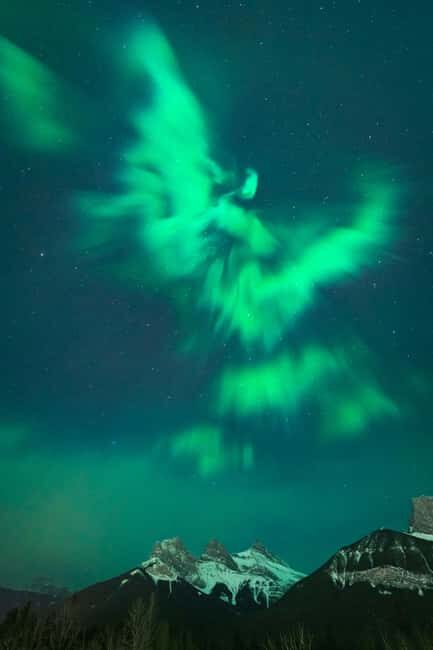
- Remote dark-sky style viewing: You’ll be guided to locally known spots with fewer lights, so the sky looks better than you’ll get near town.
- Stargazing included, not tacked on: The tour is built around night photography and sky viewing, with walking that’s meant to bring you to good angles.
- Gear that fits the season: You get headlamps and seasonal equipment—like ice cleats in winter—so you’re not improvising in the dark.
- A professional, safety-first guide: Guides are backcountry certified and carry safety gear like bear spray and first aid.
- Weather-aware planning: If heavy cloud cover is forecasted (over 50%), the operator offers to refund or postpone before you go.
Your 2-Hour Plan Around Canmore Recreation Centre
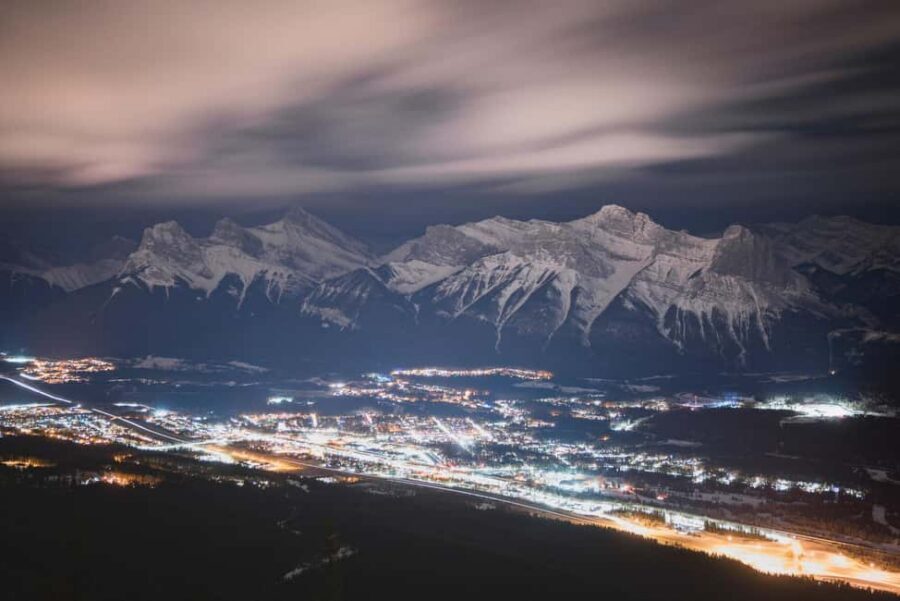
This tour starts right in Canmore at the Canmore Recreation Centre. It’s an easy place to find, and there’s free parking, plus quick access from public transit (about a 2-minute walk). That matters because night activities are already a little stressful. You want the meeting point to be straightforward so you can focus on the sky once you’re outside.
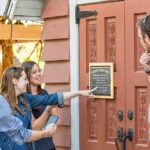
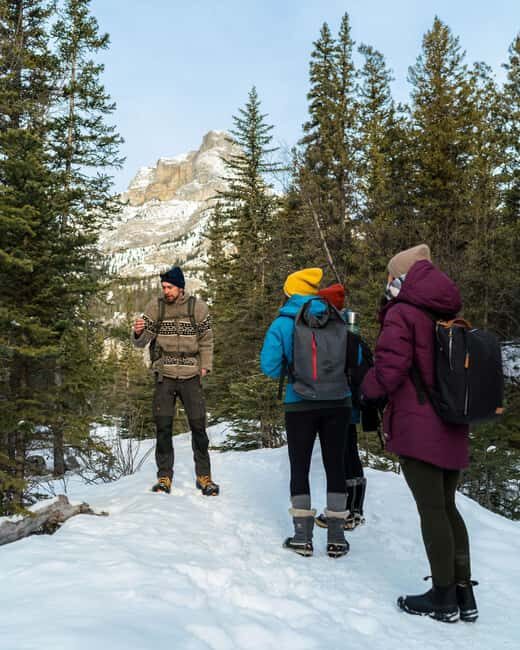
Once you meet your guide outside the main doors, you’ll get a quick setup check—headlamp time, gear check, and seasonal equipment as needed. Then you head out into the wilderness area near Canmore for an evening walk designed for stargazing. Expect the overall experience to feel like an outdoor night adventure with structure, not a freeform wander.
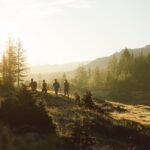
You’ll be walking a total of 3.5 miles in nature to reach remote viewpoints for stargazing and night photography. In other words: you’re going for a view, but you’re also doing it on foot, at night, with temperature and darkness doing their part.
You can also read our reviews of more evening experiences in Canmore
Gear-Up Moment: Headlamps and Winter Ice Cleats
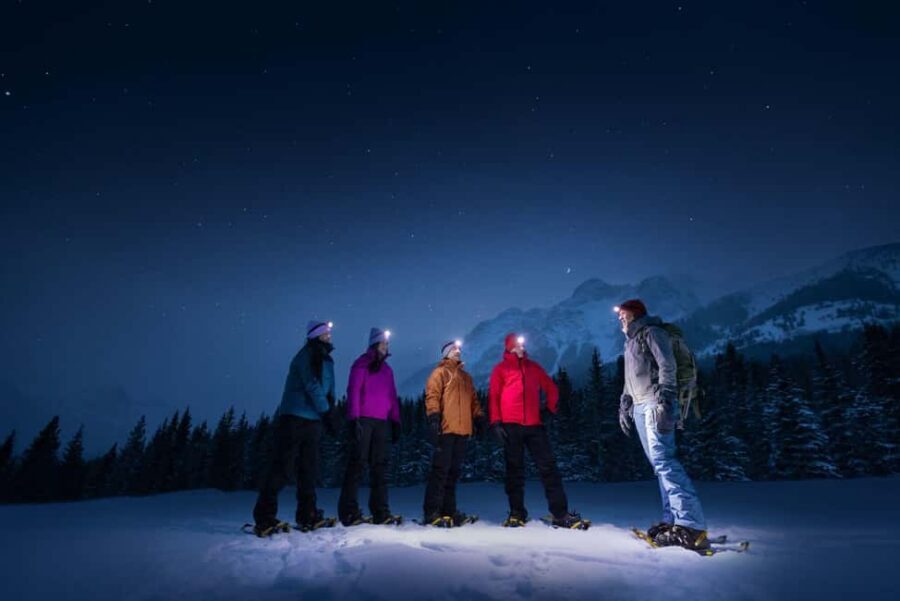
The smartest part of this experience is the “don’t guess in the dark” approach to equipment. Every tour includes headlamps and seasonal gear. That’s not just convenience—it’s confidence. When you’re moving on uneven terrain at night, being able to see your steps clearly is what keeps the walk smooth.
In winter, you may also get ice cleats. That detail can make or break winter hiking. Without traction gear, slick surfaces can turn a short walk into something unpleasant fast. With the correct equipment provided, you’re set up to stay mobile and steady.
You should dress for cold and wind. The tour focuses on the night sky, but it still depends on physical comfort while you’re outside. Wear layers you can move in, and bring gloves you can actually tolerate under a headlamp.
How the Route Gets You Away From the Lights
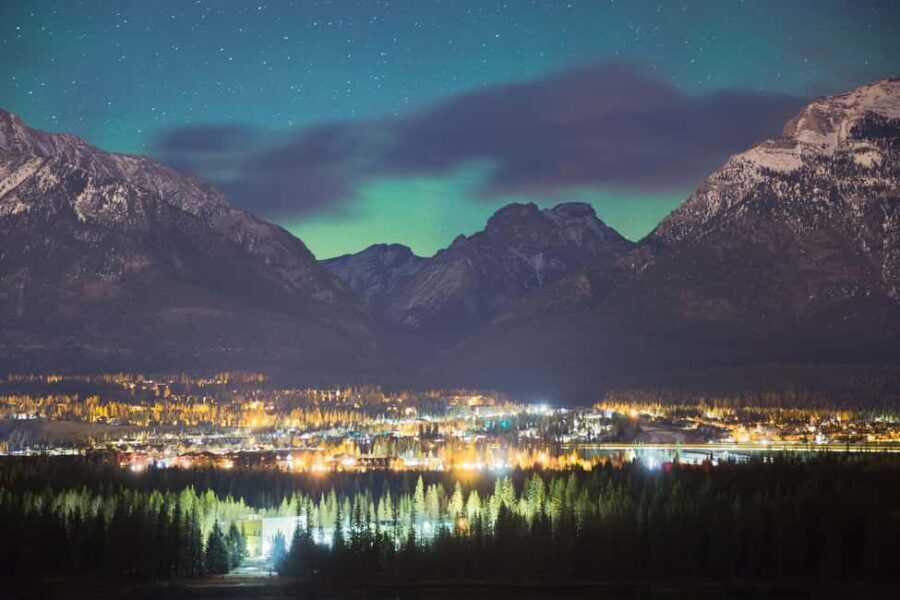
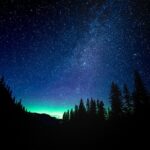
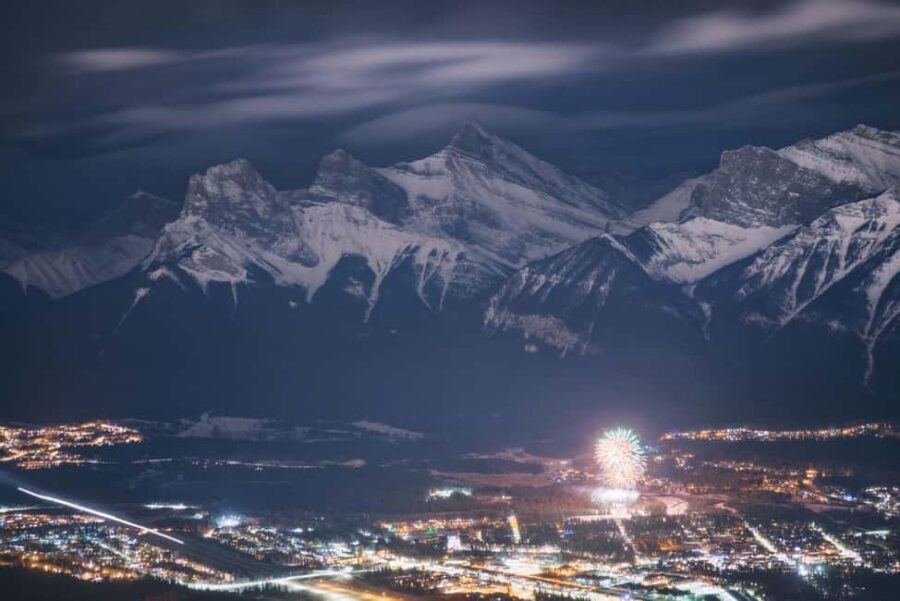
A big reason night skies look better away from cities is simple: light pollution. This tour leans hard into that. The plan is to take you to locally known viewpoints that other tours may not use, specifically so you can see more of the sky and take better photos.
You’re not just walking into darkness—you’re walking to a purpose. The viewpoints are set up for night photography and stargazing, which means your guide is thinking about angles, safety, and staying in the right spot long enough for your eyes (and camera, if you bring one) to adjust.
You’ll likely spend time at these remote viewing points, not rushing past them. For stargazing, “lingering” is the trick. Your eyes need a few minutes to adapt, and cloud cover can shift. A guide-led stop gives you time to actually benefit from the effort.
What Stargazing Feels Like on a Guided Night Hike
Stargazing is usually one of two things: magical, or frustrating. The frustration comes from two common issues—people don’t know where to look, or they can’t see enough stars because of lights and weather.
Here, the tour is built around the sky. Stargazing is included, and the route is shaped around getting you to darker spots. You’re also moving with a guide who’s used to operating at night, so you’re not left figuring out timing and safety on your own.
One practical tip you can take from this style of tour: start with your eyes, not your phone. If you’re using a camera, headlamp discipline matters too—light makes it harder to see stars. The headlamps are there for walking safely, but you’ll still want to minimize brightness during sky viewing.
Also, night photography is part of the experience. Even if you don’t bring gear, you’ll understand why the guide choices matter. A stable viewpoint with clear skies and low light interference gives you better results.
Safety That Makes the Night Adventure Feel Relaxed
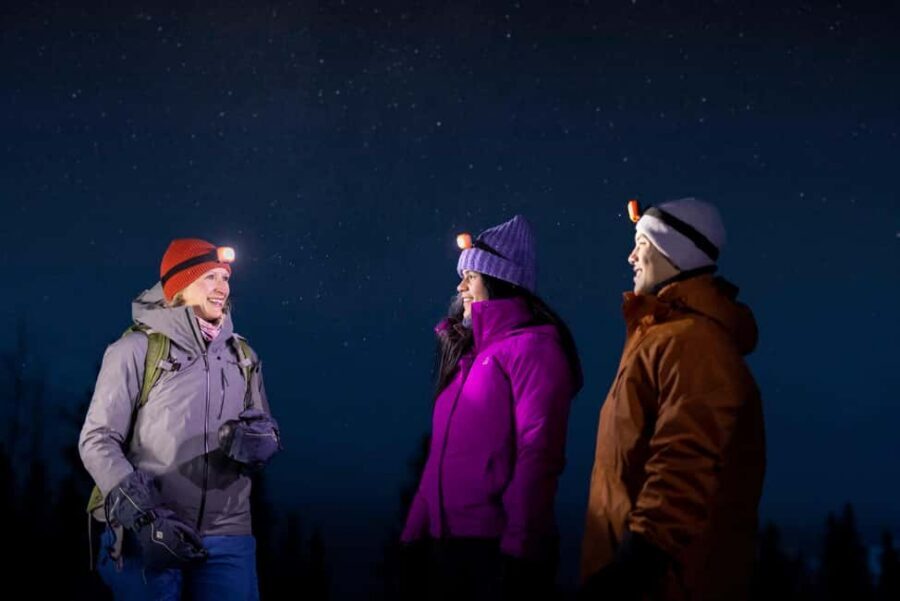
Night hikes are fun, but they’re not the same as daytime trails. This experience is run with a professional safety mindset. Guides are professionally certified backcountry guides, and they carry professional safety equipment, including bear spray and first aid kits.
That safety kit detail isn’t there to scare you. It’s there so the tour can stay calm and controlled in the real world—dark, cold, and sometimes slippery conditions. And it’s why the experience can work as an adventure without turning into a stressful scramble.
In one example from a recent booking, a guide named Jacob helped a guest feel safe throughout the walk. That lines up with the broader safety-first setup: when the leader is trained for backcountry conditions, you feel the difference in how the group moves.
You should still do your part. Follow the guide’s instructions, keep your pace, and don’t wander off for a better photo spot. The best stargazing is the kind you can enjoy without worrying about where everyone else is.
Northern Lights: Realistic Chances, Not Guarantees
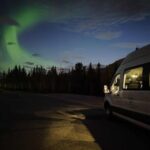
This tour mentions the potential for a mountain-area experience with opportunities for the Northern Lights. That’s the dream scenario.
But auroras depend on conditions you can’t control: cloud cover, darkness, and atmospheric activity. The operator addresses that reality with a clear weather safeguard. They offer to refund or postpone prior to departure if heavy cloud cover is forecasted—over 50%.
So you should think of aurora viewing here as a bonus that can happen when conditions line up, not a promise. The core experience stays worthwhile even without aurora. Why? Because you’re still getting to darker viewpoints and doing a structured stargazing session.
Walking at Night: What 3.5 Miles Means for Your Body
This is where you should be honest with yourself. The tour includes 3.5 miles of walking in nature, with a total duration of about 2 hours. That pace suggests a steady walk with some stops for viewpoints, but you still should be comfortable moving after dark.
The group experience works best if you’re okay with:
- walking on natural ground at night
- wearing traction gear in winter conditions (if provided)
- staying out in colder temperatures for a short stretch
If you don’t handle uneven terrain well, or if you’d rather sit still than walk, this might feel like more effort than you expected. Since the tour is also not suitable for people with mobility impairments, it’s smart to choose it only if you can comfortably handle the walking portion.
Price and Value: $62 for a Guided Night Setup
At $62 per person for a roughly 2-hour guided outing, the value comes from what’s included. You’re not paying for a generic walking tour and hoping stargazing happens. The price covers:
- headlamps and seasonal gear (like ice cleats in winter)
- professional backcountry guides with safety equipment (bear spray and first aid)
- guided remote viewpoints meant for night photography and stargazing
- a weather check that can trigger refund or postponement if cloud cover is heavy
Could you stargaze on your own somewhere near Canmore? Sure, but “somewhere” often means light pollution, uneven footing, and no safety net. This tour pays for the logistics you don’t want to manage at night: gear, route choices, and trained leadership.
If you want the sky experience with less uncertainty, the structure here is what you’re buying.
Who This Tour Suits Best (And Who Should Skip It)
This tour has clear limits, and that’s a good sign. It means the operator isn’t trying to stretch a night backcountry experience into something it can’t safely be.
It is not suitable for:
- children under 8 years
- babies under 1 year
- people over 70 years
- pregnant women
- people with mobility impairments
- people with pre-existing medical conditions
And it also doesn’t allow pets, alcohol, or drugs. Night hikes require focus and safe movement, and those rules keep the group controlled.
If you’re a healthy adult who wants a safe, guided way to see the stars in the Canadian Rockies, this tour fits well. It’s also a solid pick if you’re traveling solo or with friends and want a shared night experience without planning the logistics yourself.
Practical Tips Before You Go
Here are the small things that help you get the most from a night stargazing walk:
- Dress in layers so you can manage cold while standing still for sky viewing.
- Wear footwear suitable for natural terrain, especially if winter conditions apply.
- If you’re bringing a camera, plan to follow the guide’s timing and spot choices rather than rushing to your own viewpoint.
- Keep headlamp use reasonable during stargazing time so your eyes adapt.
And remember: this is a night activity. Even if you’re an experienced hiker, darkness changes everything. The tour’s value is that it accounts for that change for you.
Should You Book Canmore Stargazing and Night Adventure?
I’d book this if you want a guided night experience in the Rockies that’s built around stargazing, not just “being outside at night.” The combination of remote viewpoints, provided headlamps and seasonal equipment, and trained backcountry guides with safety gear makes it a smart way to handle darkness with confidence.
Skip it if you fall into the listed unsuitability categories, or if walking 3.5 miles at night feels like too much. Also treat Northern Lights as a possible bonus, not a guaranteed outcome—weather matters, and the tour’s cloud-cover plan reflects that.
If your goal is to trade crowds and city lights for a safer, structured dark-sky night, this one is worth your time.
FAQ
How long is the Canmore stargazing and night adventure tour?
The tour duration is 2 hours.
What does the tour cost?
The price is $62 per person.
Where do I meet the guide?
Meet your guide outside the main doors at the Canmore Recreation Centre.
What’s included in the tour?
You get headlamps and seasonal equipment as needed, plus guidance from professionally certified backcountry guides who carry bear spray and first aid kits.
Is stargazing included?
Yes. Stargazing is included, with remote viewpoints for night photography and stargazing.
What should I expect to walk?
The tour includes 3.5 miles of walking in nature to remote local view points.
Are Northern Lights possible?
The experience notes opportunities for Northern Lights, depending on conditions.
What happens if the forecast shows heavy cloud cover?
If heavy cloud cover is forecasted (over 50%), the operator offers to refund or postpone prior to departure.
Are pets and alcohol allowed?
Pets are not allowed, and alcohol and drugs are not allowed.