REVIEW · MONTREAL
Montreal Old Montreal Walking Tour With A Guide
Book on Viator →Operated by Guydeez · Bookable on Viator
Old Montreal makes sense on foot. This guided walk strings together the places you’ll keep seeing later, from Place d’Armes to the Old Port, with a relaxed pace and real local context. You’re not just looking at buildings—you’re learning how this corner of Montreal grew into what it is today on a 2-hour route.
I especially like the “start here” usefulness: you hit major squares and lanes right away, so you can navigate the rest of Old Montreal with confidence. I also like that you’ll have an in-person guide in English (with Spanish and French speaking options too), plus the option to get help planning ticketed museum or monument stops afterward.
One thing to think about: this is a city walk, not a tour inside monuments and museums, so if you want indoor ticketed time, you’ll need to add that separately.
In This Review
- Key highlights you’ll feel on the walk
- Old Montreal on Foot: Getting Oriented Fast
- Place d’Armes: A Central Square Full of Landmark Gravity
- Place Jacques-Cartier: Street Energy and People-Watching Time
- Les Cours Mont-Royal: The Narrow Lane That Changes the Tempo
- Vieux-Montreal: Cobblestones, Narrow Lanes, and the Port-Era Context
- Old Port Waterfront: River Views and the Clock Tower Moment
- What $25.95 Buys You in a 2-Hour Orientation Walk
- The Guide Factor: Ben, Amro, and What a Relaxed Pace Really Means
- Practical Tips That Make the Walk Easier (and More Fun)
- Who This Walk Fits Best (and Who Might Want Something Else)
- Should You Book This Old Montreal Walking Tour?
- FAQ
- How long is the Montreal Old Montreal walking tour?
- Where does the tour start?
- Does the tour end back at the meeting point?
- What languages are the guides available in?
- Is the tour inside monuments and museums?
- Are food or drinks included?
- Are tips included?
- Is public transportation included?
- Can I customize the tour?
- Is there free cancellation?
Key highlights you’ll feel on the walk

- Five focused stops that cover squares, side streets, and the waterfront without dragging
- English, Spanish, or French-speaking guide for a clearer, smoother visit
- Private or small-group options with customization available for your interests
- Free-to-walk public areas with practical context so the streets make sense
- Help booking tickets for any museums/monuments you want to visit on your own later
Old Montreal on Foot: Getting Oriented Fast
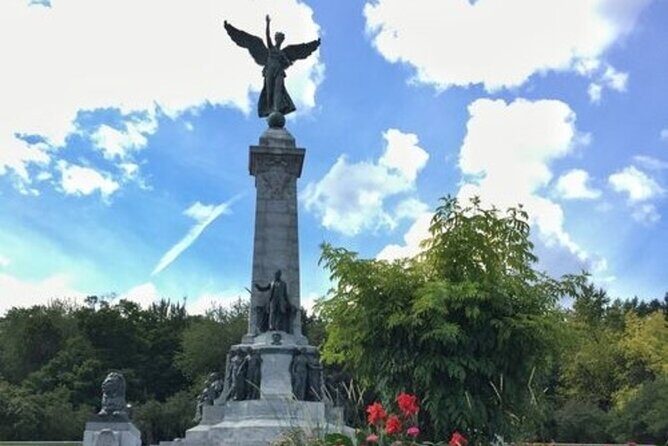
If you arrive in Montreal and feel like Old Montreal is a maze, this kind of walk is the quickest cure. In about two hours, you get the shape of the neighborhood in your head: where the big landmarks are, where people actually hang out, and where the city shifts from squares to tight lanes to river views.
What I like about this setup is its efficiency. Instead of bouncing randomly, the route moves in a sensible line—so each stop helps you understand the next one. That matters because Old Montreal rewards pattern-spotting: once you’ve learned the geography, you’ll start noticing details on your own later.
The pace also tends to be forgiving. Even in winter, guides have been described as leisurely and engaging, so you can keep warm, ask questions, and still enjoy the walk instead of feeling rushed.
You can also read our reviews of more walking tours in Montreal



Place d’Armes: A Central Square Full of Landmark Gravity
Your first stop is Place d’Armes, a key square in the heart of Old Montreal. This is the kind of place that acts like a reference point. Look around and you’ll see why: the area is surrounded by major landmarks, including Notre-Dame Basilica and the Aldred Building.
What you’ll get out of this first stop is orientation plus atmosphere. Squares like this are where history and everyday life overlap. You can stand, regroup, and then move on knowing which direction the “big stuff” sits in.
One practical note: because it’s a central square, it’s also one of the easier places to spot if your timing is off. If you’re joining the walk during peak seasons, you can use the square as a mental anchor while you wait for the group to gather.
Place Jacques-Cartier: Street Energy and People-Watching Time
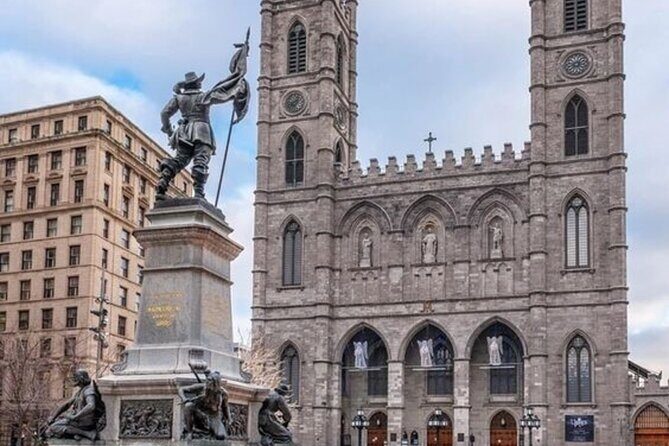
Next up is Place Jacques-Cartier, a pedestrian square that tends to feel alive. You’ll notice the street performers, artists, and outdoor cafés. This isn’t the quiet, postcard corner of Old Montreal. It’s the social zone.
I like this stop because it helps you read the neighborhood in a modern way. You’re learning Old Montreal’s “working today” side, not just its old façade. And since you’re walking right after, you’ll be in the right mood to explore the side streets with less pressure.
If you’re someone who likes photography, this is a good place to pause and scan for shots—doorways, angles, and the way people flow through the space. Just remember: it’s also a shared public area, so stay flexible if performers or crowds change your line of sight.
Les Cours Mont-Royal: The Narrow Lane That Changes the Tempo
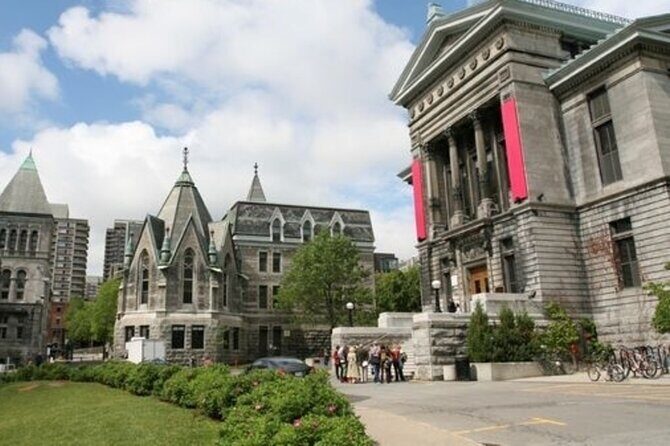
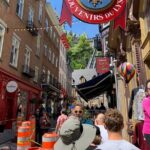
Then the walk turns into a more intimate kind of sightseeing at Les Cours Mont-Royal. This is the cobblestone-alley experience: tight, textured, and visually dense. Boutique shops, art galleries, and cafés appear along the passageways, so the street feels like it’s meant for wandering slowly.
This stop is valuable because it teaches you the “texture” of Old Montreal. Squares are easy to understand. Lanes take a bit more decoding. Once you’ve walked one or two, you start recognizing how Old Montreal is designed for strolling—small turns, changing sightlines, and that slightly unexpected feeling as you step from one scene into another.
If you’re shopping or just browsing, this is where you’ll probably find the most to look at. If you’re not into shopping, you’ll still enjoy the pace shift. It’s a different kind of Montreal feeling than the main squares.
Vieux-Montreal: Cobblestones, Narrow Lanes, and the Port-Era Context

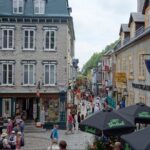
After that, you head deeper into Vieux-Montreal, the area known for its near-400-year story. This is where the walk stops being just scenic and starts being interpretive. You’ll explore cobblestone streets and narrow alleyways while learning how the buildings you see relate to the area’s role connected to the Port of Montreal.
That port context is a big deal. Without it, Old Montreal can feel like a set of pretty streets. With it, the neighborhood becomes understandable: which places mattered, why streets are shaped the way they are, and why certain buildings and structures end up where they do.
You’ll also notice how the area’s architecture works. Tall structures cast shadows onto tighter streets, and the alleys feel more enclosed than you expect. It’s exactly the kind of environment where a guide’s explanations turn random sights into a coherent story.
A practical drawback here is also simple: the narrower lanes mean the walk is less “fast.” If you’re trying to maximize other plans the same day, schedule this earlier rather than late, when your energy is lower.
You can also read our reviews of more guided tours in Montreal






Old Port Waterfront: River Views and the Clock Tower Moment
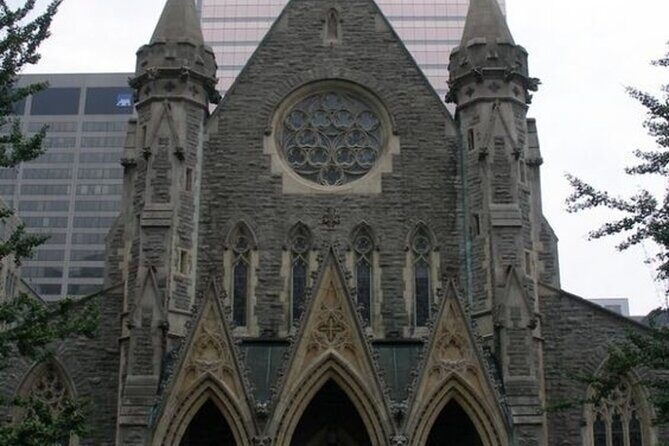
Finally, you reach Old Port of Montreal, a waterfront zone along the St. Lawrence River. This part of the walk is your payoff: a riverfront promenade, historic sights like the Clock Tower, and plenty of attractions that broaden what “Old Montreal” means beyond the historic core.
Waterfront areas change the mood. Your eyes get a break from walls and alleys and start measuring distance again. It’s a good place to ask questions too, because you can think while you walk and you’ll notice how the city turns outward toward the river.
If you like practical souvenirs (like where to go next), the Old Port area is also a strong finish point. After the tour, you’ll usually know the direction to keep exploring and which areas you can revisit later for longer.
What $25.95 Buys You in a 2-Hour Orientation Walk

At $25.95 per person, you’re paying for a timed, guided orientation that helps you make sense of a compact area quickly. Two hours sounds short, but in Old Montreal, short is good. You’ll get the “map in your head” effect without spending the entire day just finding your way.
This tour also offers value through flexibility. It’s a walking tour with in-person guidance, and there’s a mention of customization, meaning you can tailor what you focus on. In practical terms, that can turn the tour from a generic script into something closer to your interests—architecture, street life, or the port-era stories that connect the sights.
Another value lever is the guide help for ticketed stops. Even though the tour itself is not inside museums or monuments, the included support helps you plan those next steps instead of guessing what’s worth paying for.
One more small-but-important detail: you get a mobile ticket. That saves time compared with paper-only check-ins, especially when you’re also juggling daylight, weather, and the natural chaos that can happen around popular squares.
The Guide Factor: Ben, Amro, and What a Relaxed Pace Really Means
In a walking tour, the guide can make or break your experience. Based on how guides have been described by name—like Ben and Amro—I’m drawn to the pattern: these tours do better when the guide keeps things leisurely, engaging, and friendly rather than marching you through a checklist.
That’s exactly what you want here. Old Montreal isn’t a place where speed sightseeing feels rewarding. The best experience is when you’re free to pause, ask a question, and notice the details that make streets feel lived-in.
One guide detail worth noting: someone described as flexible and personable, even offering suggestions for what to do next day. That’s a small thing, but it’s practical. A great guide turns the tour into a springboard, not a dead-end.
Still, I’ll add a reality check. One past experience included a situation where the guide couldn’t make the tour last minute, causing a long wait. That’s not something you can control, but it’s a good reminder to build in some buffer time and have a Plan B nearby—Old Montreal works even when you explore on your own for a bit.
Practical Tips That Make the Walk Easier (and More Fun)
This tour is “city tour” style, meaning you should plan to spend your energy on walking and street-level viewing, not on long interior stops. Since entry to monuments and museums isn’t included, you’ll likely want to save indoor time for another outing or add it after you know what you’re most curious about.
Here’s how I’d prep:
- Wear shoes you’re happy to walk in for two hours, since the route includes cobblestone streets and narrow lanes.
- Bring a layer. Even when the route is short, Montreal weather can change fast.
- If you’re thinking about a museum or monument later, use the included help to book tickets for the visits you care about most.
Food and drink aren’t included either, so plan a snack stop before or after. Old Montreal cafés are part of the atmosphere, but you don’t want your schedule squeezed by hunger while you’re learning the neighborhood.
And if you’re using public transportation, factor that into your day. Transport during the tour is on your own dime, so it’s smart to know where you’ll start and how you’ll get back.
Who This Walk Fits Best (and Who Might Want Something Else)
This is a strong choice for first-timers who want structure. If you’re the kind of traveler who likes to see major highlights without getting stuck in “where do we go next” mode, this will likely feel like a clean foundation.
It’s also a good match for people who enjoy a guide-led explanation but aren’t trying to cram in museum ticket lines during the same block of time. Since you’re not going inside monuments and museums, you get fresh air and street-level context instead of a schedule of timed entrances.
If you’re coming with a very narrow focus—like only museums, only architecture interiors, or only photo-stops for a specific building—you might find the walking-only format a bit limiting. In that case, I’d pair this with one or two ticketed stops you choose after the tour.
The tour is described as recommended for everyone and generally doable for most travelers, and it’s near public transportation, which helps if you’re combining it with other plans.
Should You Book This Old Montreal Walking Tour?
I’d book it if you want an easy way to get bearings fast and understand what you’re looking at as you walk. The route covers exactly the kinds of places that make Old Montreal click—central squares, an arts-and-shops lane, the narrow Vieux-Montreal streets with port-era context, and the Old Port waterfront finish.
I wouldn’t book it alone as your whole Old Montreal plan. Since you’re not going inside monuments and museums, you’ll still want to add some paid sights (or at least a longer self-guided wander) afterward. Also, because a guide situation can occasionally go sideways, keep a bit of slack in your schedule if this is your only major booking that day.
If you’re trying to pick one “starter” activity in Montreal, this is the kind of tour that makes everything else easier afterward—especially when you’re walking the streets anyway.
FAQ
How long is the Montreal Old Montreal walking tour?
It lasts about 2 hours.
Where does the tour start?
The meeting point is 270 Rue Saint-Antoine O, Montréal, QC H2Y 0A3, Canada.
Does the tour end back at the meeting point?
Yes, it ends back at the meeting point.
What languages are the guides available in?
The tour offers an in-person guide in English, Spanish, and French.
Is the tour inside monuments and museums?
No. It’s a city walking tour and not a tour inside monuments or museums.
Are food or drinks included?
No, drink or food is not included.
Are tips included?
Tips are optional and not included.
Is public transportation included?
No. Any transport costs during the tour are at your own expense.
Can I customize the tour?
Yes, customization is available.
Is there free cancellation?
Yes. You can cancel for a full refund up to 24 hours in advance.