REVIEW · MONTREAL
Montreal: Ecomuseum Zoo Entry Ticket
Book on GetYourGuide →Operated by Zoo Ecomuseum · Bookable on GetYourGuide
Montreal’s wildlife fix is closer than you think. The Ecomuseum Zoo is about a 30-minute hop from downtown, and it’s built around one simple idea: see Quebec animals in settings meant to feel like home.
What I like most is that you’re not just ticking off species. You’re getting a Québec-only collection, and each animal’s story is part of the experience.
I also love the way the zoo focuses on animal well-being rather than spectacle. The habitats are described as faithful replicas of natural environments, and the organization’s mission centers on environmental education, wildlife conservation, and keeping animals comfortable. It’s accredited by CAZA-AZAC, which is a good sign when you’re paying attention to care standards.
One thing to consider: animal visibility can depend on season and conditions. In winter-like weather (think ice), some animals may be less active, and you might not see as much movement as you hoped. Also, a few comments mention some habitats appearing empty at times, so the experience can be more about patient watching than constant action.
In This Review
- Key highlights you shouldn’t miss
- Ecomuseum Zoo: a quick nature reset near Montreal
- What makes the animal collection Quebec-only
- Your visit flow: timing, walking, and how to see more
- Mammals you can look for: bears, wolves, foxes, and eagles
- Birds, reptiles, amphibians, and fish: what to watch and what to consider
- The care standard behind the scenes (and why it matters)
- Price and value: is $16 a fair deal?
- Practical tips for a smooth Quebec wildlife day
- Should you book the Montreal Ecomuseum Zoo ticket?
- FAQ
- How long does the Ecomuseum Zoo visit take?
- What animals will I see at the Ecomuseum Zoo?
- Are the animals from Quebec only?
- How much is the entry ticket?
- Are game or educational presentations included?
- Is there free parking?
- Can I arrive at any time and stay longer?
- Is the zoo wheelchair accessible?
- What should I bring for the visit?
- What is the cancellation policy?
Key highlights you shouldn’t miss

- Québec-only species across mammals, birds, reptiles, amphibians, and fish
- Habitat-style enclosures meant to match local natural conditions
- Animal stories: orphans, rehabilitated animals, and animals born under professional care
- Accredited animal care through CAZA-AZAC and a non-profit mission
- Flexible timing: arrive anytime, stay as long as you want
- Family-friendly escape with free parking and an easy day plan
Ecomuseum Zoo: a quick nature reset near Montreal
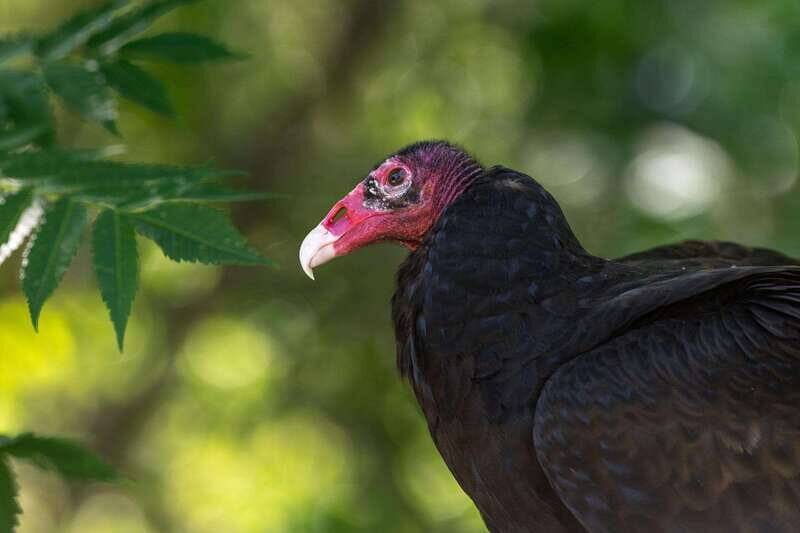
If you want a low-stress outdoor break that still feels meaningful, this is a strong pick. The Ecomuseum Zoo sits in Quebec and is only about 30 minutes from downtown Montreal, so you don’t need a big logistics project to get out of the city. You can do it as a casual morning plan or turn it into an easy half-day outing that stretches into a full one.
What makes it especially appealing is the focus. This isn’t a generic zoo with a mixed globe-trotting collection. The whole place is organized around local wildlife, and that creates a clearer kind of connection. You’ll spend your time looking at animals that belong to the same climate and ecosystem as the one you’re standing in.
The visit is designed to be flexible. You can arrive at any time and stay as long as you want, which matters because animal behavior doesn’t read your calendar. Some days you’ll catch more activity; other days you’ll see calmer routines that are still fascinating.
A few more Montreal tours and experiences worth a look



What makes the animal collection Quebec-only
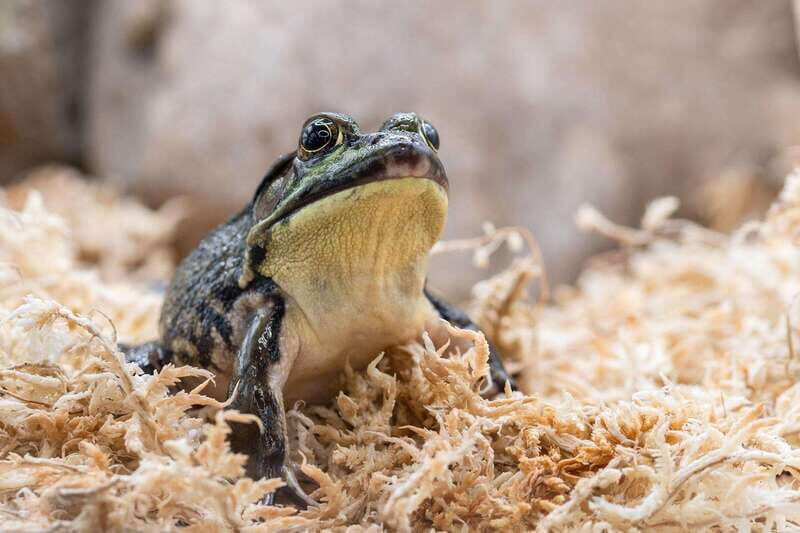
Here’s the core reason I think the Ecomuseum Zoo is worth your attention: it’s about Québec species exclusively. You’ll find mammals, birds, reptiles, amphibians, and fish that come from the region and live within their natural climate. That theme makes the walk feel purposeful instead of random.
The zoo also ties the animals to human effort in a respectful way. Many residents have a backstory involving rescue or care: you’ll meet animals that were orphaned, rehabilitated, or born under professional human care. That matters because it turns the visit from only observation into understanding. You’re not just saying, I saw a wolf. You’re learning why a wolf-like presence exists in a wildlife-focused facility.
Another detail that supports that learning vibe: the zoo describes each living space as a faithful replication of natural environments. In plain terms, it means you’ll be looking for behaviors you’d expect in nature, not only animals pacing for attention.
That focus also shows up in the way the zoo frames its mission. It operates as a non-profit with pillars that prioritize education, conservation, and animal well-being—so your ticket supports more than daily upkeep.
Your visit flow: timing, walking, and how to see more

The typical visit takes about 1.5 hours if you want to see all the animals and have time to watch. You can absolutely go longer—some people move faster, others slow down once they find a habitat that feels active.
I recommend a simple strategy: start with the habitats that are most likely to be visually engaging in your season, then let the slower spots fill in. If you’re there in colder months, expect less movement from animals that prefer conserving energy. One comment I saw complained that icy conditions reduced visibility and some animals seemed to be in hibernation mode, which led to fewer sightings.
Comfort matters too. Bring comfortable shoes. You’re walking outdoors, and conditions can change quickly. If there’s ice or snow, take it seriously. The zoo isn’t asking you to “power through” a tricky surface—just wear grippy footwear and plan for slower steps.
Also, don’t rush the quiet spaces. The zoo’s style rewards patience. You might see a bird settle into a routine, a mammal move calmly at the edge of a habitat, or a quieter species that only becomes interesting once you stop scanning and start watching.
Mammals you can look for: bears, wolves, foxes, and eagles
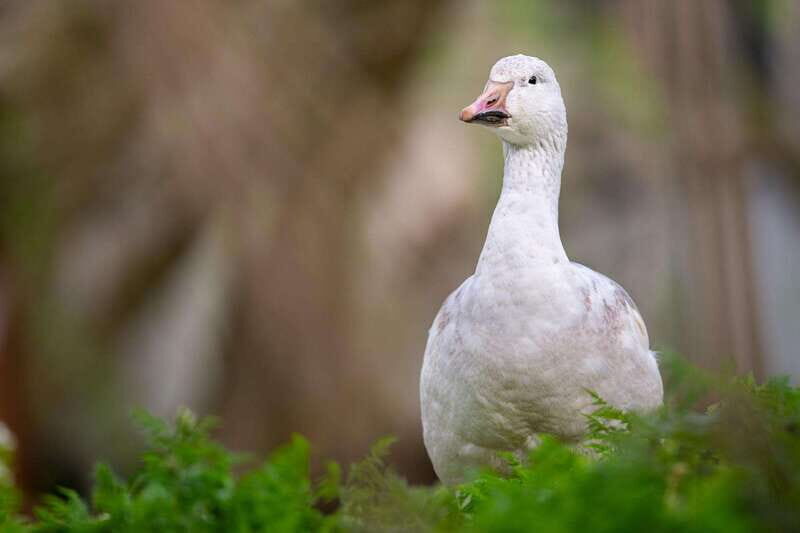
This zoo gets your attention quickly with mammals and predators-in-context. Highlights include Black Bear, Wolves, Foxes, and Eagles, plus more local wildlife beyond that starter list. The point isn’t just variety. It’s that these animals are shown with the expectation that they’re living according to the rhythm of their environment.
If you’re watching for movement, timing and weather play a role. In milder conditions, you may see more active behavior. In harsh cold or icy weather, you might notice more rest behavior. That can be disappointing if you came hoping for constant action, but it can also be a more honest snapshot of how wildlife actually behaves outside summer viewing hours.
One more thing: don’t judge the experience too fast based on a single habitat moment. Some enclosures may look empty briefly, or animals may be resting out of sight. A few comments mentioned habitats looking vacant at times, and that’s a real possibility with animals following their own schedules. If you give each area a few minutes before moving on, you’ll likely get a fairer picture.
Birds, reptiles, amphibians, and fish: what to watch and what to consider
This is a zoo with variety in animal types, which makes the walk interesting even for people who get bored fast. You’ll also be able to focus on birds, reptiles, amphibians, and fish from the region. The mix keeps it from becoming a one-track experience.
Birds can be a highlight, but expectations should be realistic. One comment noted that some birds looked alone or in pairs, and that’s something you might observe. Another comment raised a concern about bird enclosure height and whether the space felt tall enough for flight. The takeaway for you isn’t a dramatic verdict—it’s a heads-up to look closely at how the habitat is arranged and to decide if it matches your own comfort level with animal viewing.
Reptiles and amphibians tend to reward careful observation. Even when they’re not moving constantly, you can often tell what’s happening by posture, positioning, and the way they respond to light and temperature. Fish can also be a quiet win if you slow down and watch the water behavior instead of only scanning for motion.
If you come during colder months, expect reduced activity across many species. That doesn’t mean the animals are less cared for; it means their behavior changes. Still, it’s smart to know this beforehand so you don’t walk in only expecting action shots.
A few more Montreal tours and experiences worth a look

The care standard behind the scenes (and why it matters)
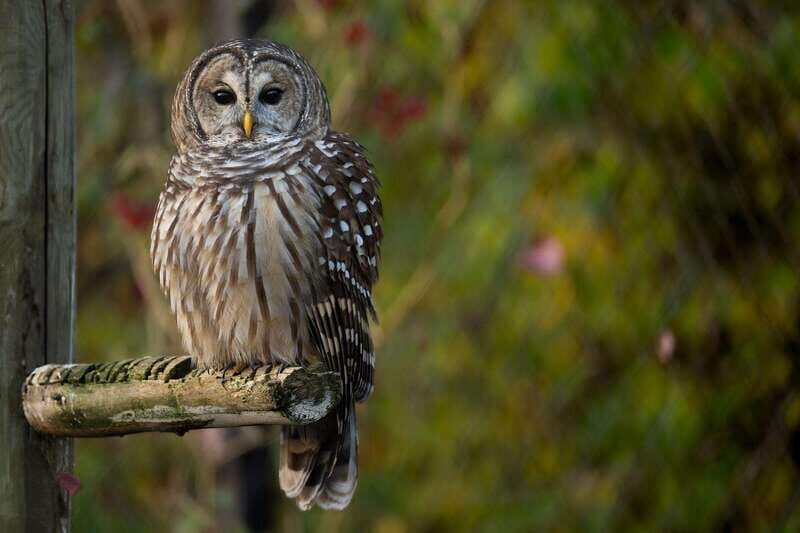
This is where the Ecomuseum Zoo separates itself from the purely entertainment-focused model. The facility is described as a non-profit built around three pillars: environmental education, wildlife conservation, and animal well-being. Those words matter because they usually translate into how much staff time goes into routine care and into interpreting wildlife responsibly.
On top of that, the zoo is accredited by CAZA-AZAC, which sets standards for excellence in animal care, management, education, research, and conservation within Canada’s accredited zoos and aquariums. Accreditation doesn’t guarantee every single enclosure will match every person’s personal opinion, but it is a strong signal that the facility follows established care and management expectations.
You’ll also benefit from the animal stories. When you learn that an animal arrived orphaned or was rehabilitated, you naturally look a little differently. Instead of treating the place like a show, you understand it as a welfare-focused environment for local wildlife.
Some days you may also catch game and educational presentations, which can add structure to your visit if you like hearing explanations rather than only reading signs. Even without presentations, the zoo is designed so you can “hunt” for behaviors and learn through observation.
Price and value: is $16 a fair deal?

At about $16 per person for entry, this falls into the “worth it if it fits your day” category. Here’s how I think about value for this kind of experience.
The good value ingredients:
- You’re paying for a Québec-only animal collection rather than a mixed travel-themed exhibit.
- The zoo emphasizes animal well-being, and you’re also supporting a non-profit mission.
- Free parking reduces the hidden costs that can make short outings feel expensive.
- The visit is flexible, with enough time built in to see everything at a calm pace.
The value risk:
- If weather makes animals less active, you might not get the level of sightings you hoped for. One comment described a lot of ice and animals in winter routines, leading to fewer views.
- A couple comments also questioned cost-to-benefit, which usually means expectations didn’t match the reality of what’s visible in that moment.
My advice: treat this as a nature-focused observation experience, not an animal parade. If you like wildlife watching and you’re okay with quiet behavior, the price can make sense quickly. If you’re coming specifically to guarantee lots of visible action, you may want to time it for milder conditions.
Practical tips for a smooth Quebec wildlife day

Here’s how to set yourself up for a calmer visit.
- Wear comfortable shoes. Outdoors walking + possible cold or slippery conditions means you’ll appreciate traction and support.
- You can arrive any time, so don’t feel forced to sprint through the park the second you get in.
- Expect an average of about 1.5 hours to see all animals if you’re taking your time to watch.
Rules to keep in mind:
- No pets.
- No touching animals.
- No smoking, and no alcohol or drugs.
- Keep it safe: no explosive substances either.
If you’re going with kids, plan for breaks. Wildlife observation is easier when people can pause, rest, and then return to watching with fresh patience.
And if you’re looking for wheelchair access, this site is described as wheelchair accessible, which is a big plus for family planning and mixed-ability groups.
Should you book the Montreal Ecomuseum Zoo ticket?

Yes, you should book if you want a short, close-to-town escape that’s built around local wildlife and a real focus on animal welfare. It’s also a good fit if you like education through observation and you’re not expecting a constant stream of high-energy animal moments.
I’d think twice if you’re visiting in conditions that can seriously affect movement and footing, like icy weather, or if you strongly need lots of visible activity to feel satisfied. In those cases, you might still enjoy the animals and their stories, but your experience could lean more toward quiet watching than frequent sightings.
If you match your expectations to what the zoo is designed to do—respectful, local, wildlife-centered observation—this is a solid way to spend a day near Montreal for the price of a typical mid-range attraction ticket.
FAQ
How long does the Ecomuseum Zoo visit take?
On average, you should plan about 1.5 hours to see all the animals and have time to observe them.
What animals will I see at the Ecomuseum Zoo?
You can see a variety of wildlife from Quebec, including mammals, birds, reptiles, amphibians, and fish. The highlights listed include Black Bear, Wolves, Foxes, and Eagles.
Are the animals from Quebec only?
Yes. The animals at the Ecomuseum Zoo are exclusively from Quebec and are described as living within their natural climate.
How much is the entry ticket?
The price is listed as $16 per person.
Are game or educational presentations included?
Some days include game and educative presentations, and they’re included with entry when available.
Is there free parking?
Yes. Free parking is included for all visitors.
Can I arrive at any time and stay longer?
You can arrive at any time, and you can stay as long as needed. The ticket is valid for 1 day.
Is the zoo wheelchair accessible?
Yes, it is wheelchair accessible.
What should I bring for the visit?
Wear comfortable shoes for walking around the exhibits.
What is the cancellation policy?
You can cancel up to 24 hours in advance for a full refund. The experience also offers a reserve now, pay later option.