REVIEW · MONT TREMBLANT QUEBEC
Mont-Tremblant: Self guided kayak/paddleboard on Rouge River
Book on GetYourGuide →Operated by The Tremblant Activity Centre · Bookable on GetYourGuide
A sandy river to paddle your worries away. On the Rouge River near Mont-Tremblant, you get an easy self-guided 12km ride with calm, shallow water and lots of chances to swim at public beaches. One catch: the first part of the route runs near the highway, so you trade total silence for convenience.
What I like most is how the trip feels simple and self-paced. You launch with help from the staff, then you’re free to cruise, take breaks, and even bring lunch for a riverside picnic.
And yes, it’s set up for beginners. Most sections are shallow and the whole outing is built around a relaxed half-day on the water—about 4 hours from start to back-at-your-car.
In This Review
- Key Highlights You’ll Actually Use
- Why This Rouge River Paddle Feels So Beginner-Friendly
- The 12km Route: What Self-Guided Really Means (and how to plan for it)
- Starting the Day: Registration, Shuttle, and Getting Launched
- Choosing Your Boat: Canoe vs Kayak vs Paddleboard
- Canoes: great for bonding, with real seating limits
- Kayaks: easier for families and kids
- Paddleboards: calm-water fun if you’re stable
- Beaches and Swimming Spots: Where the Trip Becomes a Real Break
- What You’ll See on the River: Countryside Views Without the Hassle
- Paddling for Beginners: Simple Tips That Make a Difference
- Timing and “How Long Does It Take?” in the Real World
- Weather: Rain or Shine, Keep It Simple
- Safety and Weight Rules You Should Know Before You Go
- Price and Value: Is $51 Worth It for a 12km Paddle?
- Who Should Book This Paddle Trip (and who might skip it)
- Should You Book the Mont-Tremblant Rouge River Kayak or Canoe Trip?
- FAQ
- How long is the Rouge River canoe/kayak trip?
- How far do you paddle on this self-guided trip?
- Is the trip really self-guided?
- What’s included with the rental?
- Do you need to bring food and drinks?
- Where do you start?
- Does it run in bad weather?
- Are there age and weight limits?
Key Highlights You’ll Actually Use
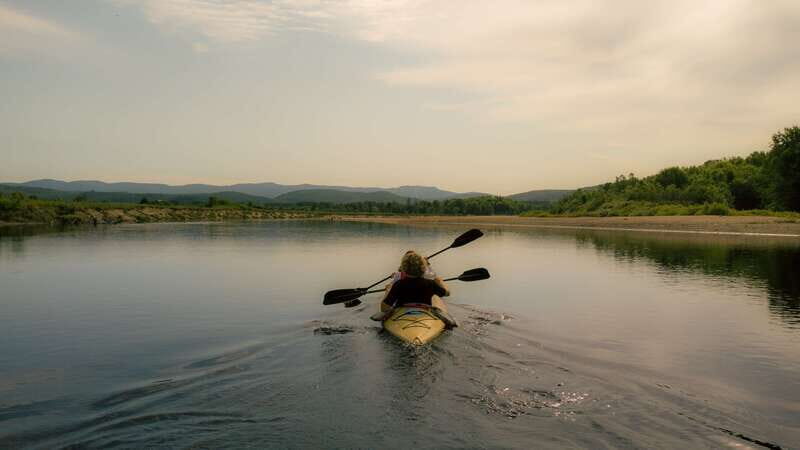
- 12km on calm, shallow water makes this a good first paddle trip
- Public swimming beaches along the river give you natural stopping points
- Staff-assisted launch plus shuttle up-river means less stress and less logistics
- Bring-your-own lunch works well since you can stop and picnic by the shore
- Flexible boat choice: canoe, kayak, or paddleboard depending on your crew
Why This Rouge River Paddle Feels So Beginner-Friendly
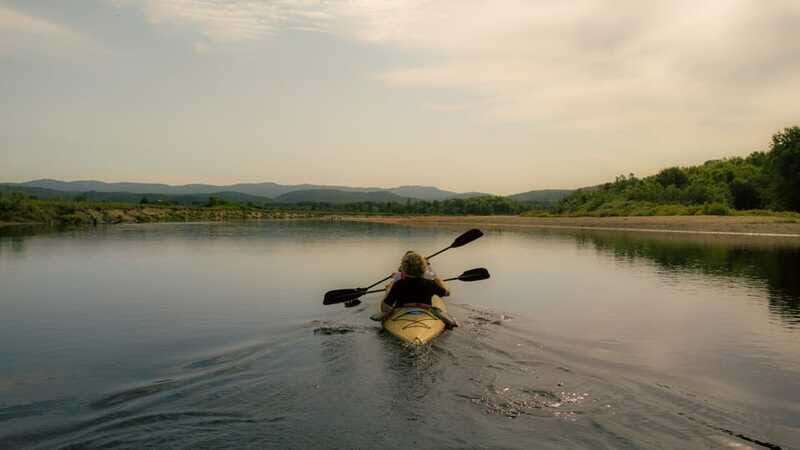
This is the kind of Mont-Tremblant outdoor day that doesn’t require a gear upgrade or a crash course in paddling. The Rouge River is described as calm, with many shallow sections, which is exactly what you want when you’re figuring out your rhythm.
I like that the trip is built around time on the water, not “tour theater.” You’re not being herded from stop to stop. You’re just going downstream and using the river’s natural pace.
And because it’s self-guided, you control how much effort you put in. Want a slow float and lots of breaks? You can do that. Want to paddle more steadily and cover the distance without lingering? Also doable.
You can also read our reviews of more guided tours in Mont Tremblant Quebec

The 12km Route: What Self-Guided Really Means (and how to plan for it)
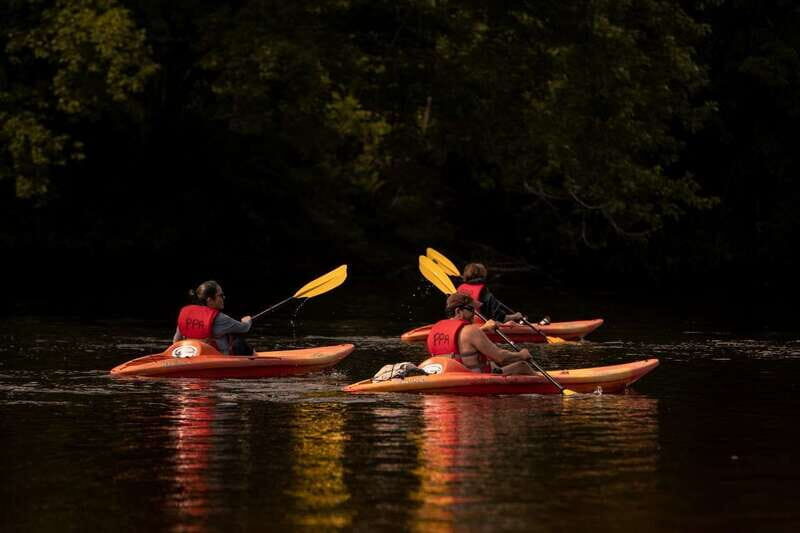
You’re doing a 12km trip on the Rouge River as a self-guided experience. The practical result is simple: staff get you set up, you’re transported up-river, and then you descend back to your car.
That “descend back” detail matters. It means you’re not paddling into current for the whole outing. You’re focused on steering, balance, and staying comfortable—especially helpful if you’ve never kayaked or canoed before.
Here’s how you can plan your energy. If you go out expecting the first 20 to 40 minutes to be your learning phase, you’ll feel great for the rest of the route. You’ll get your strokes sorted, your boat feels stable, and soon enough you’re just enjoying the scenery and beaches.
Also, build in real stop time. The river has swimming spots and beaches, and this is the fun part—so don’t treat them like bonus extras.
Starting the Day: Registration, Shuttle, and Getting Launched
The day starts at the rental center. When you arrive, you need to register at the desk. Then staff handle the basics: equipment, life vests, and guidance so you can get on the water safely and confidently.
One of the best value points here is that you don’t have to figure out launching by yourself. Staff help you launch and give basic instructions. That’s a big deal if your first time on a paddlecraft involves questions like Where do I stand? How do I keep my kayak straight? How do I not flip?
After that, you’ll leave your car at the starting point of the rental center. A shuttle takes you up to the water, and you’ll paddle back downstream to where your car is.
For me, that structure is what makes it feel like a “day out” instead of a mini expedition. You’re spending your mental energy on paddling and enjoying the river, not on transportation puzzles.
Choosing Your Boat: Canoe vs Kayak vs Paddleboard
You can do this trip in a canoe, kayak, or paddleboard. Picking the right one changes the whole vibe of the day—especially for families.
Canoes: great for bonding, with real seating limits
Canoes are designed for 2 people and have only 2 seats. You can put a third person in a canoe if that third is a child sitting on the floor, but it’s not the best setup and they don’t recommend putting four in one canoe.
So if you’re traveling as a family, think in terms of who can actually paddle and who’s just along for the ride. Children under 10 probably won’t want to paddle the whole time, which means you’ll get the smoothest experience with one adult per canoe and a realistic plan for where the kids sit.



Kayaks: easier for families and kids
Kayaks are often the more straightforward option for mixed ages because more participants can spread out. If you have extra people, you can take another kayak instead of forcing everyone into a canoe configuration that’s awkward.
Paddleboards: calm-water fun if you’re stable
Paddleboards are also available. They can be a fun way to feel closer to the water, but they’re most comfortable if you already feel steady on your feet and you’re prepared for a little learning curve.
Bottom line: choose based on comfort and the number of paddlers, not just what looks fun in a photo.
Beaches and Swimming Spots: Where the Trip Becomes a Real Break
The biggest reason this works so well as a half-day is the river’s stopping options. There are several swimming spots, and many beaches are on public land, so you’re not just floating past scenery—you can actually use it.
This is also where you’ll enjoy the Mont-Tremblant summer mood: cool water for a break, sandy shore for relaxing, and enough time to turn your lunch into a picnic instead of a rushed sandwich.
In practical terms, don’t plan to eat while moving. Plan to eat after a swim break or a calm stretch where you can pull in comfortably and set up.
And since the river is calm and often shallow, landing for quick pauses tends to feel manageable. You’re not dealing with dramatic currents that force you into constant motion.
What You’ll See on the River: Countryside Views Without the Hassle
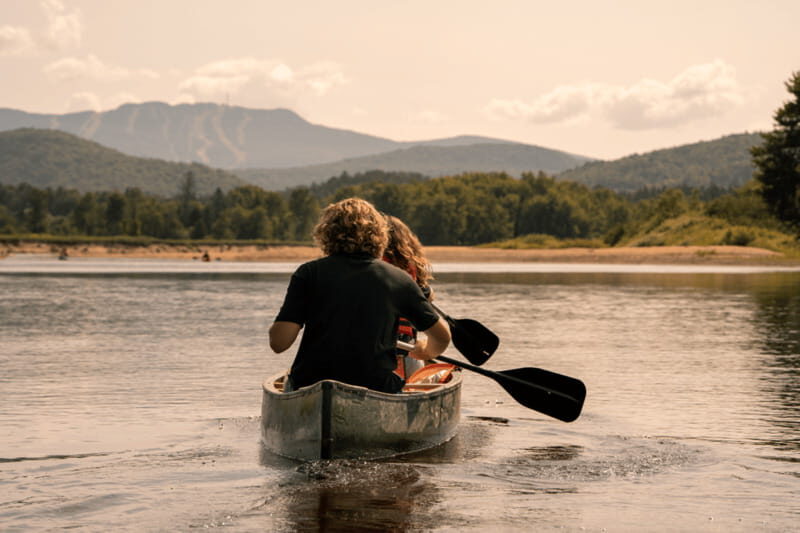
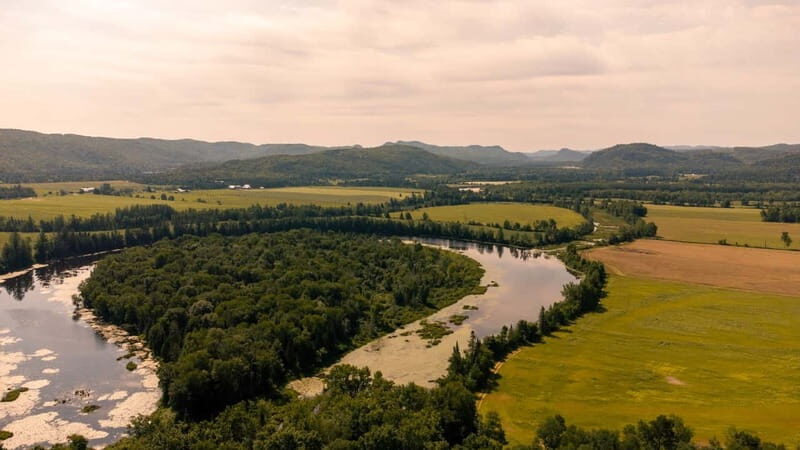
Even though this is a self-guided paddle, you’re still getting the good part: you’ll admire the countryside while you canoe or kayak across calm water.
This trip isn’t about landmark hunting. It’s about slow travel. You’ll pass through a natural river corridor that feels removed from daily life, then pop back into civilization only when you reach your car again.
One thing to prepare for: that first stretch near the highway. If you’re hoping for total silence for the whole trip, adjust your expectations. The good news is that the experience improves after that initial segment, and you’ll still get plenty of quiet time to reset.
If you can, time your outing so you can enjoy late-morning or afternoon light. It makes the sandy shore moments more satisfying and helps with that “stay a while” feeling.
Paddling for Beginners: Simple Tips That Make a Difference
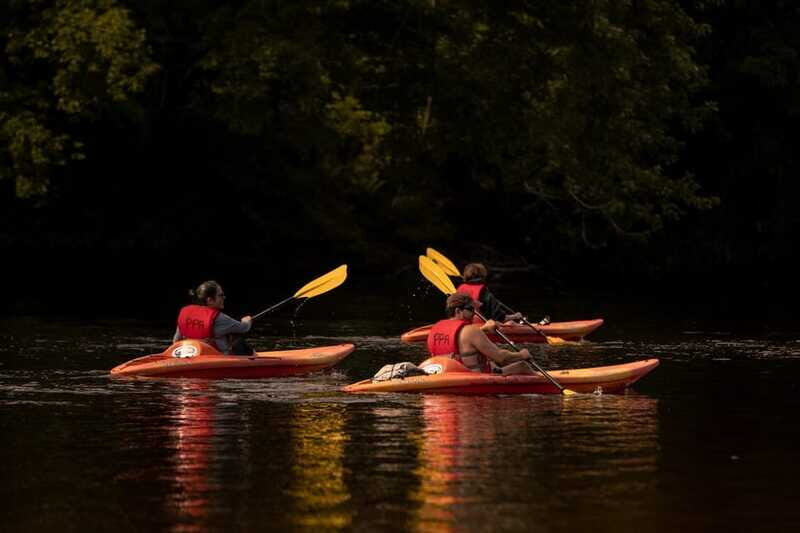
You don’t need to be an athlete for this outing. The river is calm, and staff provide basic instructions, which is exactly the right start point.
Here are the beginner-friendly things to focus on:
- Start with smooth strokes instead of power. Consistency beats bursts.
- Keep your boat pointed where you want to go early. Small corrections are easier than big ones later.
- Take your time learning balance before you commit to long stretches without stopping.
If you choose a canoe, remember that seating affects stability. Canoes have limited seating, so follow the practical guidance on configurations. For kayaks and paddleboards, your challenge is usually balance and keeping your direction steady, not speed.
Also, don’t ignore your life vest fit. You’ll be more comfortable, and you’ll paddle with more confidence.
Timing and “How Long Does It Take?” in the Real World
The official duration is 4 hours. That includes the core experience, and in practice you should think of it as a half-day that’s long enough to feel like an adventure and short enough that you’ll still have energy afterward.
If you plan to swim a lot and have a picnic, you’ll enjoy the full value of the route. If you just want to get out, paddle steadily, and do minimal breaks, you’ll still have time to enjoy the beaches without turning it into a long day.
It’s also worth considering crowds. Some days feel like you have the river more to yourself, and other days are calmer than you’d expect. When it’s quieter, the river feels almost like your private escape.
Either way, go with a flexible mindset. Your best moments usually come from the time you choose to stop, not from a strict schedule.
Weather: Rain or Shine, Keep It Simple
This activity runs rain or shine. That’s good news if you hate the stress of weather apps and last-minute plan changes.
What it means for your comfort is simple: bring swim-ready layers you don’t mind getting damp. If it rains lightly, you’ll just be paddling in a different kind of atmosphere—often cool, fresh, and honestly kind of nice.
The calm water stays calm enough that you’re not suddenly dealing with rough conditions. Still, pack sensible expectations: wet hands mean slippery grip, and wind can change how easy it is to hold direction.
So treat weather as “bring the right clothes,” not “cancel the mood.”
Safety and Weight Rules You Should Know Before You Go
Life jackets are provided, and there are clear weight limits for each person: minimum 10kg and maximum 113kg per person. People over 250 lbs (113 kg) aren’t suitable.
That’s not just paperwork—it impacts how comfortable and safe the gear will feel on the water. If you’re close to the limit, consider how buoyancy and fit matter for your paddle comfort.
There’s also a rule for kids: 12 years and under must be accompanied by a 16 years old or more. For families, this means you’ll want to plan your boat and seating early so everyone meets the supervision requirements and has a realistic way to enjoy the day.
Price and Value: Is $51 Worth It for a 12km Paddle?
At $51 per person for about four hours, this is priced like a solid, practical outdoor experience—especially because the essentials are included. You get a canoe or kayak (or paddleboard depending on what you choose), plus paddles, life vests, and up-river transport.
What you’re really paying for is convenience: equipment + shuttle + a simple route on calm water. That combination makes it easier to have a successful first-time paddle without investing in gear or figuring out logistics.
Food and drinks aren’t included, so you should plan to bring your own lunch. The good part is that the river gives you spots to stop for real breaks, so your picnic doesn’t feel like an afterthought.
When I compare the value, this stands out because it’s not just “rent a boat and good luck.” You get staff help with launching and basic instructions, which can make or break the experience.
Who Should Book This Paddle Trip (and who might skip it)
You’ll love this Mont-Tremblant paddle if:
- You want an easy beginner-friendly day on calm water
- You like swimming and want a trip that includes natural break points
- You’re traveling as a couple, small group, or family and want a low-pressure activity
- You’re okay with a self-guided format where you set your own pace
You might think twice if:
- You’re extremely sensitive to noise during outdoor time (the first part runs near the highway)
- You’re expecting a fully guided storytelling tour rather than river time
- Your group’s ages and paddling abilities make canoe seating awkward
For most people, the structure hits the sweet spot: relaxed, useful instruction, and real nature time.
Should You Book the Mont-Tremblant Rouge River Kayak or Canoe Trip?
Yes, if you want a straightforward half-day that feels genuinely outdoors without being complicated. This is a good choice for first-timers because the water is calm, the route is manageable, and staff help you get launched.
Book it especially if you’re the type who likes to stop for swims, stretch your legs on sandy shore, and eat lunch at water level. The ability to bring a picnic makes it feel like more than a rental—it becomes a full little outing.
And if you’re worried about crowds or the highway noise, keep your expectations realistic: plan for a short noisy start, then aim to enjoy the calmer stretches afterward. That mindset will make the day feel balanced instead of disappointing.
FAQ
How long is the Rouge River canoe/kayak trip?
The duration is about 4 hours.
How far do you paddle on this self-guided trip?
It’s a 12km trip.
Is the trip really self-guided?
Yes. You paddle the route on your own after the staff provide equipment, launch help, and basic instructions.
What’s included with the rental?
Your rental includes a canoe or kayak (or paddleboard depending on what you choose), paddles, life vests, and up-river transport.
Do you need to bring food and drinks?
Food and drinks are not included, so you’ll want to bring your own lunch or snacks.
Where do you start?
You start at the starting point of the rental center. You must register at the desk upon arrival, then a shuttle takes you to the water.
Does it run in bad weather?
Yes, it takes place rain or shine.
Are there age and weight limits?
Yes. Life jacket rules include a minimum weight of 10kg and a maximum weight of 113kg per person. Also, 12 years and under must be accompanied by someone 16 years old or more.