REVIEW · MONT TREMBLANT QUEBEC
Mont-Tremblant: Ice Climbing Initiation
Book on GetYourGuide →Operated by The Tremblant Activity Centre · Bookable on GetYourGuide
Frozen waterfalls feel surprisingly doable here. You get hands-on practice on frozen waterfalls at the Tremblant Activity Centre, right on the Mont-Tremblant resort. What I like most is the high-quality equipment plus the way the guide support keeps things at a beginner-friendly challenge level (in one review, Ollie stayed on top of fixing lines and supporting every climb even in extreme cold). The main consideration: you must bring your own alpine ski boots, and you need to be ready for real winter weather.
This is a tight 3-hour session in a small group (max 9), with an instructor who teaches the safety protocol, belay techniques, and basic ice climbing moves. It’s offered in English and French, and the overall value comes from learning the skills, not just taking photos near the ice.
In This Review
- Key Points at a Glance
- Why Ice Climbing at Tremblant Feels Different Than a Generic Adventure
- What the 3-Hour Program Covers: Safety, Belay, and Your First Climb
- Equipment and the One Thing You Must Bring: Alpine Ski Boots
- Meeting the Activity Centre at Tremblant’s Base (and Finding It Without Stress)
- Cold Weather Reality Check: Dress Smart and Respect the Limits
- Guide Support in Subzero Conditions: What Ollie’s Support Tells You
- The Real Value of Learning Belay and Safety Protocol
- Who This Is Perfect For (and Who Should Skip It)
- Price and Value: Is $84 for 3 Hours Reasonable?
- Beyond the Climb: What You’ll Remember After the Cold Wears Off
- Should You Book This Mont-Tremblant Ice Climbing Initiation?
- FAQ
- How long is the Mont-Tremblant Ice Climbing Initiation?
- Where do I meet for the activity?
- What is included in the price?
- Do I need to bring anything?
- Do I need any prior ice climbing experience?
- What languages are available with the guide?
- Is this suitable for children?
- Are there weight or pregnancy restrictions?
- Is there a cancellation option?
Key Points at a Glance
- On-resort convenience: the Activity Centre sits at the base of the ski hill, so you’re not wasting time transferring around town
- Beginner-proof format: no prior ice climbing experience needed, with safety taught from the start
- Guides handle the details: you’ll get instruction in safety protocol and belay techniques, not just gear and hope
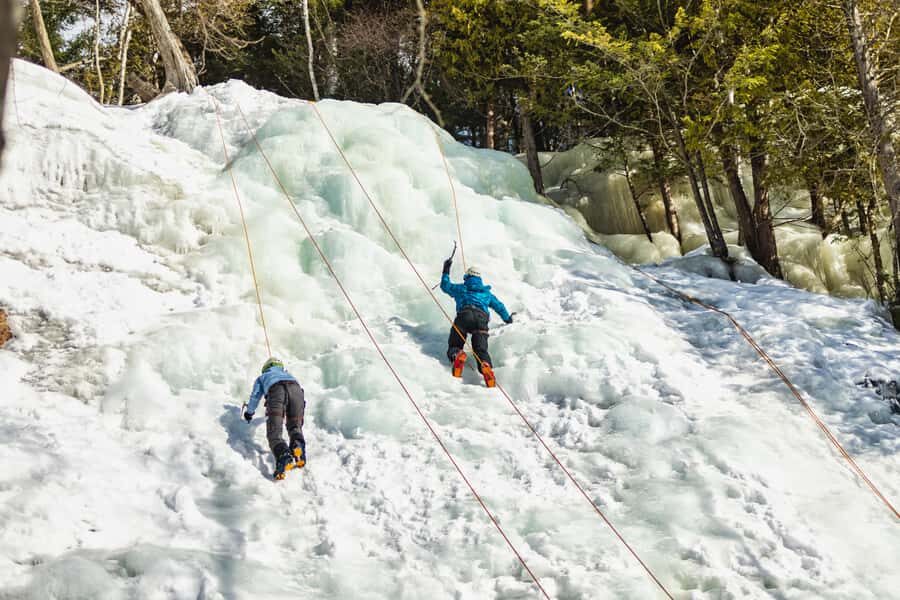
- Top gear provided: helmet, crampons, and ice axes are included for the climb
- You bring alpine ski boots: the one item that’s not optional
- Small group energy: limited to 9 participants, so you get real attention
Why Ice Climbing at Tremblant Feels Different Than a Generic Adventure
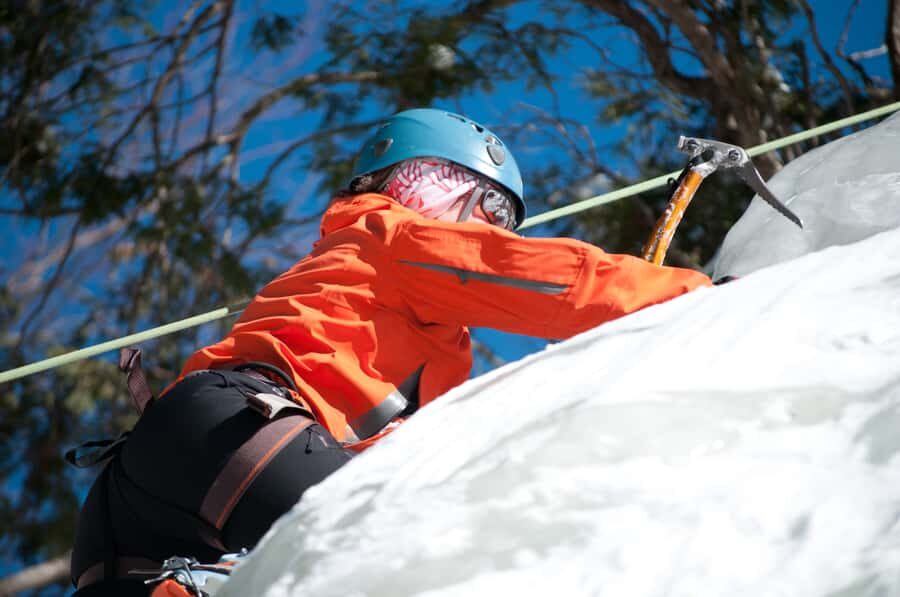
Ice climbing can sound intimidating. But doing it at Mont-Tremblant changes the vibe in a good way. You’re not heading deep into the backcountry for your first try. Instead, you start right at the resort base area, where everything is set up for structured learning.
Another big win is the scenery. Even when the cold is sharp, the setting around the Tremblant mountain range gives you that “Canada in winter” feeling. It’s the kind of activity that makes you notice small things: how the ice looks in different light, how your breathing changes, and how quickly you forget the clock once you’re actually on the wall.
And since it’s a small group, the day doesn’t feel like a conveyor belt. You’ll get coached as you go—especially important when you’re learning belay basics and how to move safely on ice.
You can also read our reviews of more tours and experiences in Mont Tremblant Quebec.
What the 3-Hour Program Covers: Safety, Belay, and Your First Climb
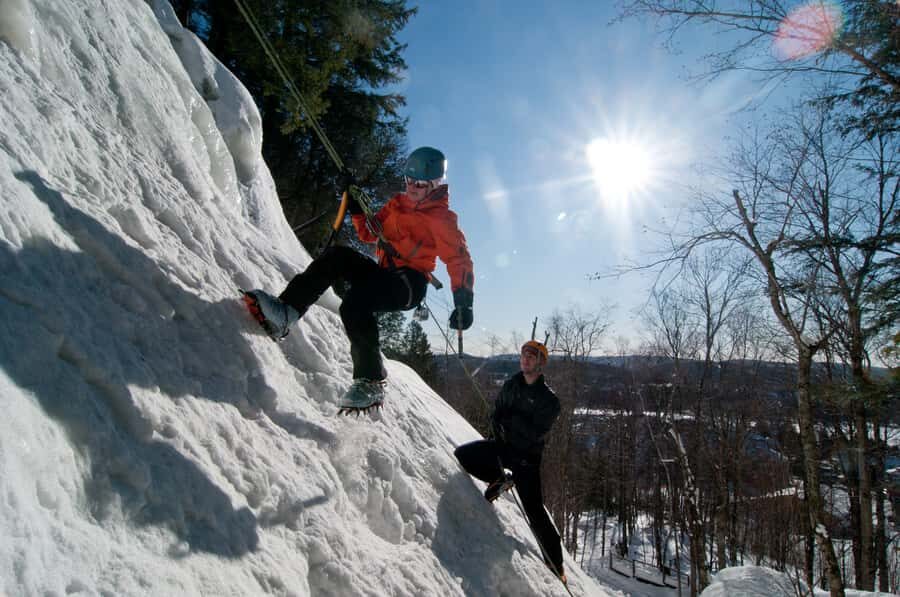
The whole experience runs about 3 hours, usually in the morning or afternoon. That time is used well for a first-timer activity, because you’re not just dropped at the ice and told to figure it out.
Here’s the typical flow of what you should expect:
First comes the basics. Your bilingual guide covers the safety protocol and the core climbing setup you’ll use during the session. This is where the day becomes less scary. When you understand what’s happening—how things are secured, what your role is during the climb, and how belaying works—you stop treating the activity like a leap of faith.
Next is belay techniques and basic ice climbing instruction. You’ll learn the movement fundamentals that help you climb more confidently. That matters because ice climbing isn’t just about strength. It’s about balance, placement, and doing the right thing at the right moment.
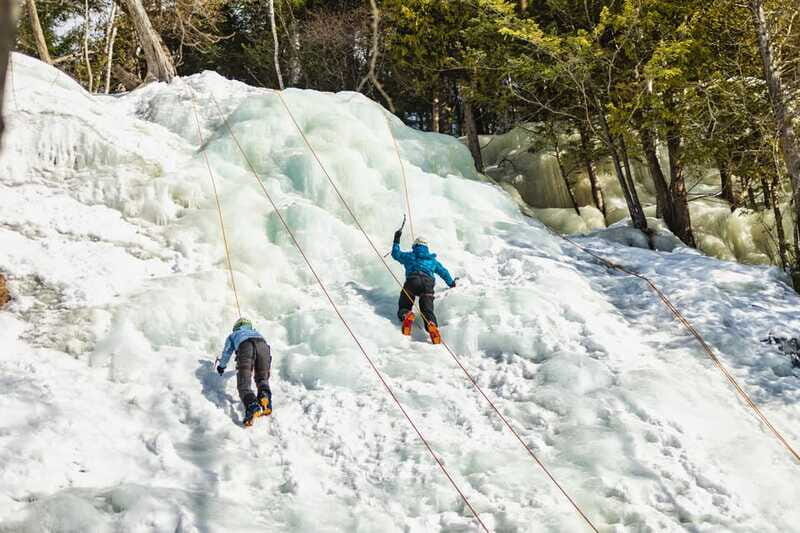
Then you put it together. The main event is confronting frozen waterfalls—the ice features that make this experience so memorable. Even if you’re a total beginner, the structure and guide support are built to help you attempt the climb at a realistic level. In one review, Ollie kept line support tight and stayed responsive even with extreme cold, which is exactly what you want from a guide when your hands are working hard.
Finally, you’re done before you’re exhausted. This isn’t a full-day expedition. It’s a focused intro that aims to leave you with confidence and a clear sense of what you just learned.
Equipment and the One Thing You Must Bring: Alpine Ski Boots
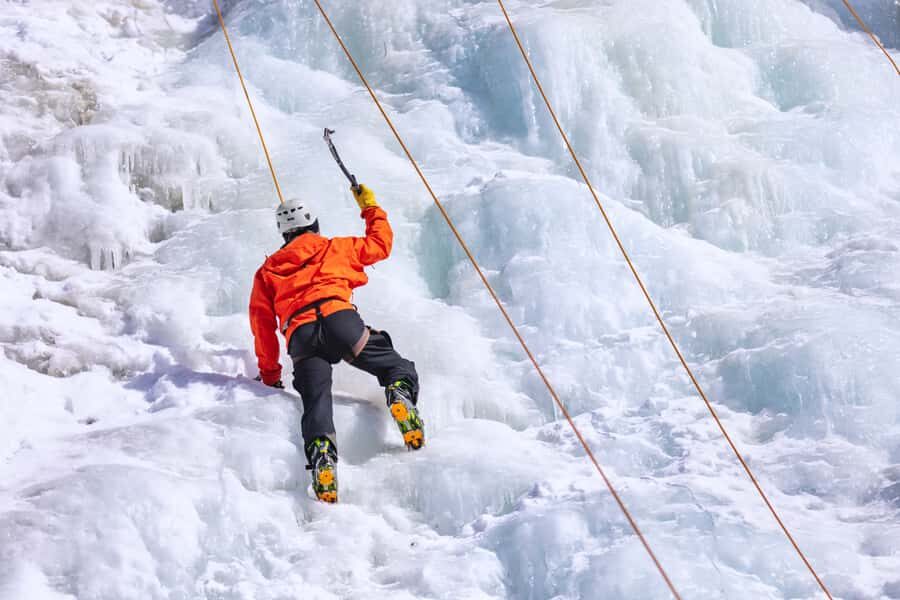
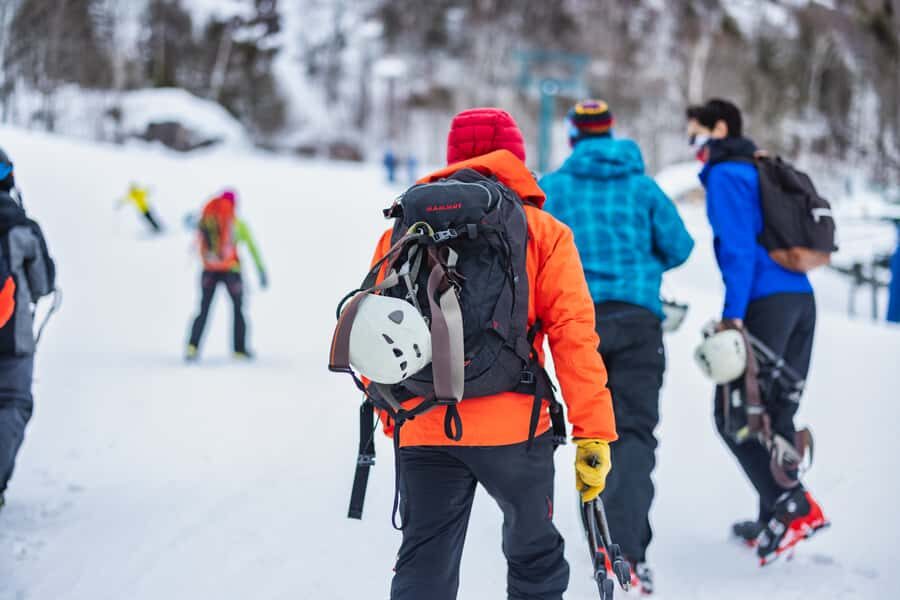
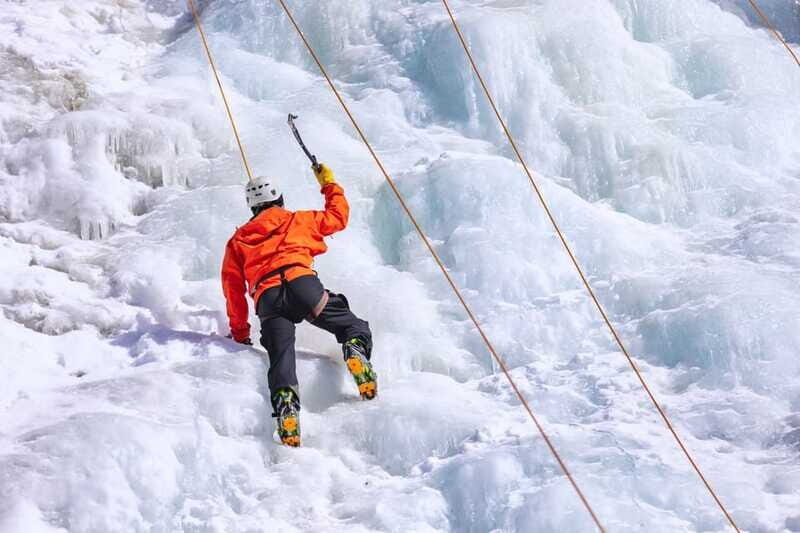
The experience includes key climbing gear: helmet, crampons, and ice axes. That’s a big value point. Buying or renting that kind of gear separately can quickly eat up your budget, and you usually want an instructor’s recommendations anyway.
The one required item you bring is your own alpine ski boots. That detail affects everything about comfort and control. If your boots don’t fit well or feel awkward in crampons, you’ll feel it fast—especially on cold days.
Practical tip: if you’re bringing ski boots that you already know are comfortable on your feet, you’ll start the session calmer. Cold weather punishes poor footwear. Go with the boots that you can wear for hours without dealing with hotspots.
Also note the fit requirements listed for this activity: you need to match the waist and thigh measurement ranges. Those aren’t just formalities. They relate to how gear fits and how safely you can participate.
Meeting the Activity Centre at Tremblant’s Base (and Finding It Without Stress)
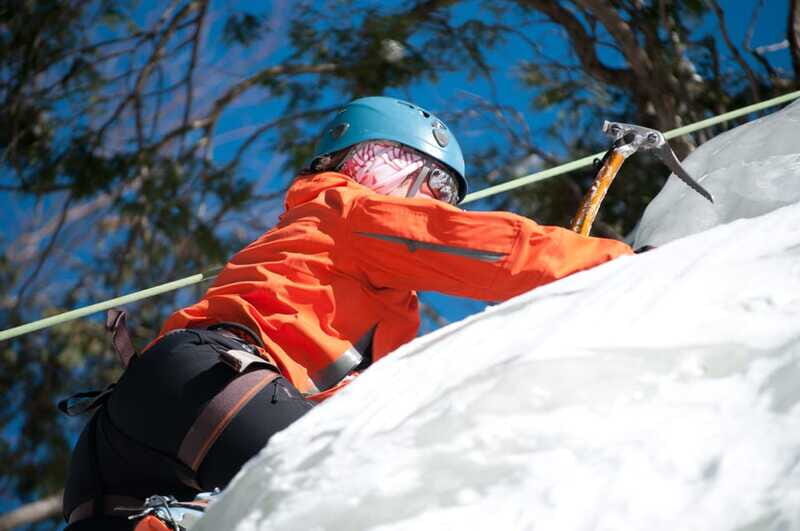
Logistics can make or break a winter outing, and this one has a simple rule: you can’t drive directly to the Activity Centre. It’s on Tremblant Resort, so you park first, then head there on foot.
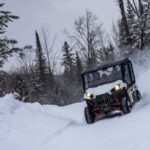
The meeting location is at the base of the ski hill, and there’s a dune buggy outside. That’s actually helpful. In winter, landmarks matter more than GPS. If you get there a bit early, you’ll have time to walk in, get oriented, and not rush while you’re cold and bundled.
Because the group is small and timed (usually morning or afternoon), showing up on time matters. Dress for the weather while you wait, too—ice climbing sessions start with preparation, and you’ll feel better if you’re already comfortable.
Cold Weather Reality Check: Dress Smart and Respect the Limits
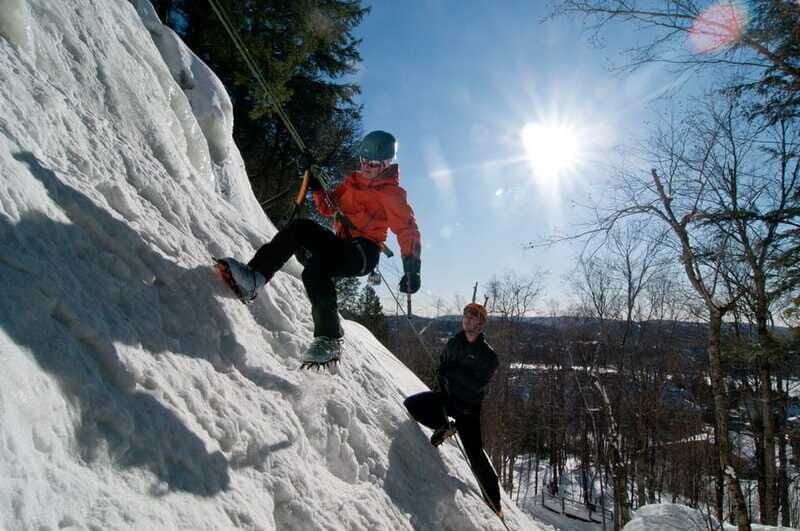
Ice climbing is fun, but it’s still cold exposure plus physical effort. The activity expects you to dress appropriately, and you’ll feel why once you’re managing your gear and trying to focus on technique.
The activity also has clear limits. It isn’t suitable for:
- children under 8
- pregnant women
- people over 250 lbs (113 kg)
There are also body measurement ranges for waist and thigh circumference. For you, that means the day is more than just effort—it’s fit. If you’re near the edge of the size requirements, check that you’re within the listed ranges before you book.
Kids rules are straightforward: children aged 8–12 must be accompanied by an adult (participating or not). So if you’re planning a family trip, think of it as an activity where adults either join in or stay close by to support the younger climber.
Bottom line: treat this as a winter sport. If you’re prepared for the cold and you meet the limits, you’ll have a far better time.

Guide Support in Subzero Conditions: What Ollie’s Support Tells You
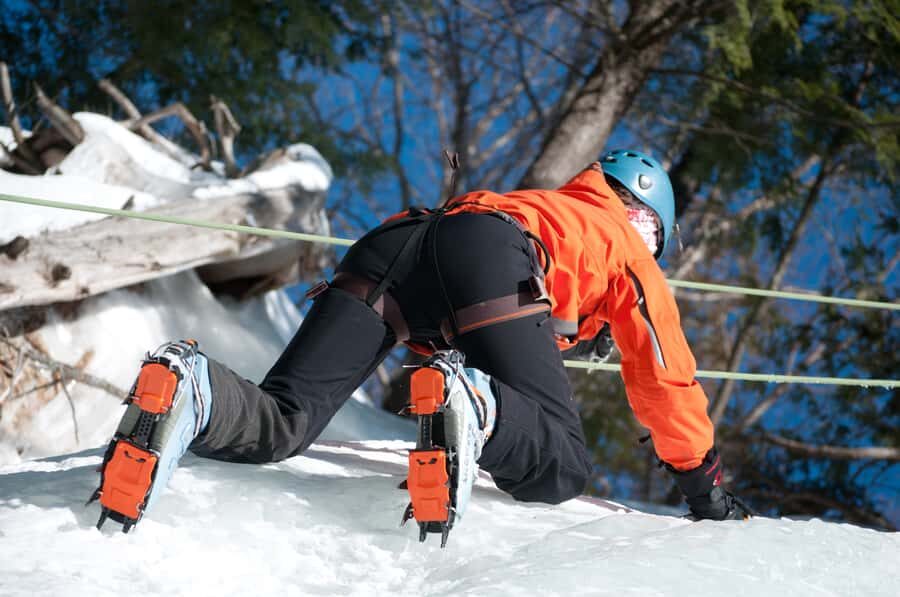
One review stands out for the level of hands-on help. Ollie, the guide mentioned in the feedback, was up for fixing lines and supporting the climb even with extreme cold. That’s not a small detail. Line management and support are part of what makes ice climbing safe and doable for beginners.
What this tells you as a participant is simple: you’re not learning from slides or demos. You’re learning from someone who actively monitors the setup and helps you execute.
The guide is also bilingual (English and French). If your group includes mixed language comfort, this is an easy way to avoid the awkward “half understand, half guess” problem. You’ll get coached in your language, and you’ll be able to ask questions without barriers.
The Real Value of Learning Belay and Safety Protocol
It’s tempting to think the highlight is only the climb. But the actual value is the instruction that makes the climb possible in the first place.
When you learn safety protocol and belay techniques, you’re gaining a skill set you can carry forward. Even if you never climb again, you’ll leave with a better understanding of how climbing systems work and why certain steps matter.
That’s a different kind of souvenir than a photo. It also changes the way you experience the frozen waterfall moment. Instead of feeling like you’re guessing, you’ll feel like you’re participating with purpose.
This is also one reason I think the “no experience needed” message is credible here. The activity is structured for learning, and the included gear supports that.
Who This Is Perfect For (and Who Should Skip It)
You’ll probably love this if you:
- want a beginner-friendly way to try ice climbing
- enjoy guided outdoor activities with real technique instruction
- are traveling to Mont-Tremblant and want something more memorable than another resort activity
- want a family experience with a real “we did something” payoff
It’s also a good match if you’re the kind of person who likes having a plan. The session is paced for learning, and the small group size helps you feel less lost.
Skip it if any of the listed unsuitability factors apply—especially if you’re pregnant, under 8, or over 250 lbs. And if your alpine ski boots are uncomfortable or you don’t have any, consider that a dealbreaker before you book. This activity is ready for beginners, but it isn’t set up to adapt to poor footwear.
Price and Value: Is $84 for 3 Hours Reasonable?
At $84 per person for about 3 hours, the price is easier to judge when you look at what’s included: a certified guide plus helmet, crampons, and ice axes.
If you’ve ever priced winter sport gear or paid for guided instruction, you know that the biggest costs are usually expertise and equipment. Here, both are wrapped into one booking. You don’t have to figure out where to rent the right gear or guess which pieces you need for ice conditions.
You do pay with one personal requirement: you must bring your alpine ski boots. But that’s a known factor, not an unexpected “surprise cost” at check-in.
And there’s a hidden value too: small group size (limited to 9). When you’re learning a technical sport, more attention from the guide matters. You’re paying for coaching time, not just access to an icy wall.
If you like structured adventure with safety instruction and included gear, this pricing feels fair.
Beyond the Climb: What You’ll Remember After the Cold Wears Off
Ice climbing is one of those activities that changes your sense of capability fast. In a few hours, you go from watching frozen waterfalls to knowing how ice axes and crampons help you move.
You’ll likely remember specific moments: the first time you trust your placement, the sensation of getting your balance right, or how quickly the guide’s cueing clicks. In the feedback, the support tone stood out—Ollie wasn’t just telling people what to do. He was supporting lines and keeping everyone climbing.
Also, this is a strong “bonding” option. The shared focus, the teamwork vibe of belay and safety, and the win of finishing a climb make it a natural family or friend activity. Even if one person is more cautious, the group setting keeps it constructive.
Should You Book This Mont-Tremblant Ice Climbing Initiation?
I’d book it if you want a first ice climbing experience with real instruction, included gear, and the convenience of doing it right at Tremblant’s resort base. The combination of small group size, safety teaching, and a guide who stays hands-on in cold conditions is exactly what makes beginners successful.
I would hesitate only if you’re not ready for winter temperatures, can’t meet the size/weight limits, or don’t have comfortable alpine ski boots. Also, if you’re considering it for kids, confirm age eligibility and the requirement for adult accompaniment for ages 8–12.
One last confidence boost: the experience offers free cancellation up to 24 hours in advance for a full refund, and there’s a reserve now and pay later option. If your schedule might shift during a trip, that flexibility helps.
If you’re traveling to Quebec and you want an activity that feels genuinely different from the usual resort routine, this is a strong choice.
FAQ
How long is the Mont-Tremblant Ice Climbing Initiation?
The experience runs for about 3 hours.
Where do I meet for the activity?
You meet at the base of the ski hill at the Tremblant Activity Centre. You can’t drive directly to the Activity Centre, so you park first and then walk. There is a dune buggy outside.
What is included in the price?
Your booking includes a certified guide, a helmet, crampons, and ice axes.
Do I need to bring anything?
Yes. You must bring your own alpine ski boots. Dress appropriately for cold weather.
Do I need any prior ice climbing experience?
No experience is needed. Your guide will teach safety protocol, belay techniques, and basic ice climbing techniques.
What languages are available with the guide?
The instructor is available in English and French.
Is this suitable for children?
Children under 8 are not suitable. Children between 8 and 12 must be accompanied by an adult (participating or not).
Are there weight or pregnancy restrictions?
It is not suitable for pregnant women. People over 250 lbs (113 kg) are not suitable.
Is there a cancellation option?
Yes. You can cancel up to 24 hours in advance for a full refund. There’s also a reserve now and pay later option.