REVIEW · CANMORE
Legacy Trail Food Bike Tour
Book on Viator →Operated by Food Bike Tour · Bookable on Viator
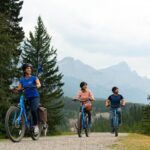
Pedaling Canmore to Banff feels like a gift for your legs. This food bike tour pairs cycling on scenic paths with landmark stops and a satisfying break along the route, all in Alberta. You’ll spend most of your day near the Bow River, with photo moments that make the miles feel worthwhile.
I love how the ride leans into real movement, not just a short loop with a couple of stops. The Legacy Trail stretch follows an old rail-corridor vibe, and the early scenery is described as the most scenic and diverse part of the day. I also loved riding with guide Olivia, who kept the stops easy to follow and made the picture breaks feel purposeful, including Bow Falls.
One consideration: this isn’t a casual stroll. You should have strong physical fitness, and expect about 6 hours outdoors, with the tour operating only in good weather.
In This Review
- Key things you’ll actually notice on this tour
- Canmore to Banff by bike: why this day feels different
- Starting point at Sports Garage 1 and the 9:00 am rhythm
- Following the Legacy Trail: the ride that sets the tone
- Mount Rundle and Engine Bridge: the photo moments that feel earned
- Policeman’s Creek wetland ecosystem: when the ride slows down
- Bow River cycling and the spring creek connection
- Riding past Banff to Bow Falls: your big payoff stop
- Food stop at spring creek: value beyond the meal
- How hard is it, really? Fit level and pacing for a 6-hour ride
- Price and what you’re buying for $178.54
- Weather rules: planning your Banff-area day
- Who this tour is best for
- Should you book the Legacy Trail Food Bike Tour?
- FAQ
- Where does the Legacy Trail Food Bike Tour start?
- How long is the tour?
- What time does the tour begin?
- How much does it cost?
- What fitness level do I need?
- What’s the group size and language?
Key things you’ll actually notice on this tour
- Small group (max 10): easier pacing and more attention at photo stops.
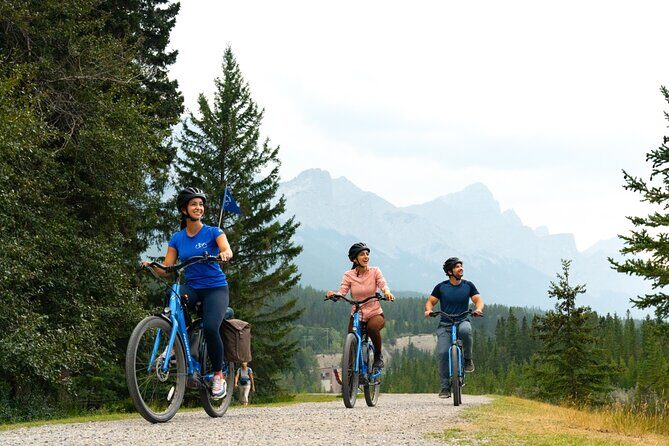
- Rails-to-trails style riding: the route includes a former corridor feel, which tends to make for steady cycling.
- Bow Falls photo stop near Banff Springs: quick access to a major waterfall area.
- Policeman’s Creek wetland pass: a calmer stretch with great “look around” viewpoints.
- Spring creek into downtown Canmore: water-side pathways that lead you right toward food and shops.
Canmore to Banff by bike: why this day feels different
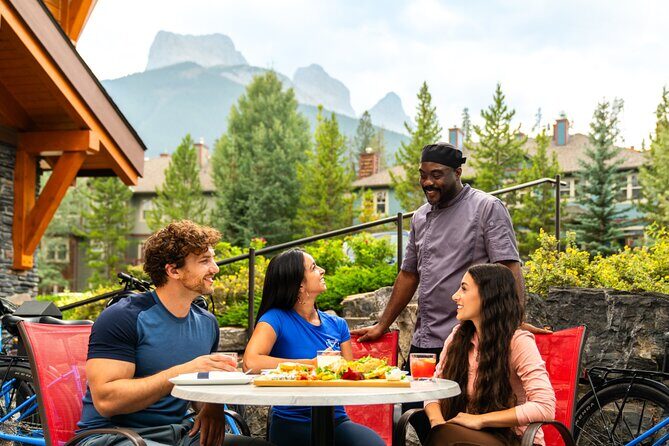
This tour works because it’s built around a simple idea: see Banff’s big scenery on a bike, then slow down for food and atmosphere in Canmore. Instead of turning the day into a checklist of viewpoints, you’re moving most of the time—then stopping where it matters.
What makes it especially appealing is the balance between effort and payoff. You cycle along well-loved natural corridors like the Bow River area, then you get “pause points” for pictures—Bow Falls, Mount Rundle views, and Bridge moments. The food stop near spring creek also changes the rhythm, so the day doesn’t feel like nonstop scenery swallowing you whole.
The group size is capped at 10, which usually means you’re not lost in a herd. You’ll spend more of the ride paying attention, and less time wondering what comes next.
You can also read our reviews of more food & drink experiences in Canmore

Starting point at Sports Garage 1 and the 9:00 am rhythm
You meet at Sports Garage 1 Industrial Pl #125B in Canmore, with the tour starting at 9:00 am and ending back at the same meeting point. That “loop back to base” structure is practical: you’re not hunting for transportation at the end of a long ride.
A late-morning start would be easier for people who like to sleep in, but 9:00 am has its perks. In a place like this, the early hours often make it easier to stay comfortable as the day warms up. It also helps you finish within that roughly 6-hour window without feeling rushed.
You also get a mobile ticket, and the tour is offered in English. If you prefer straightforward logistics and clear communication, that matters. You’ll be ready to go without extra hassle once you’re at the start.
Following the Legacy Trail: the ride that sets the tone
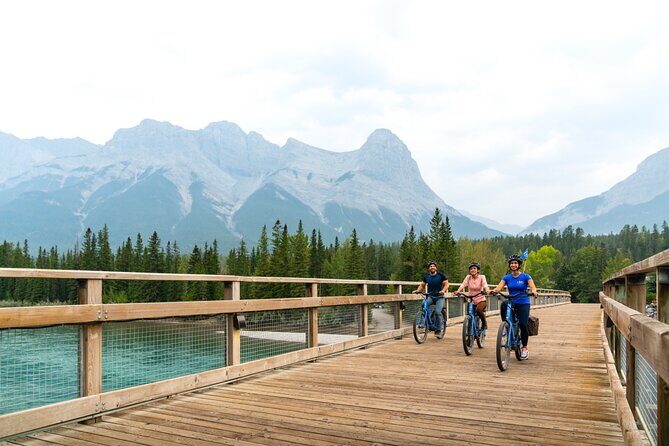
A big part of why this tour feels good is that it begins with cycling along the Legacy Trail—an old rail-corridor style route. Even when you’re not thinking about “infrastructure,” a rail-trail geometry tends to mean steady progress: fewer abrupt changes, a smoother flow, and a sense of continuity that makes the miles go by faster.
The most scenic and diverse part is described as the first third of the way to Oscar Scherer State Park, but the key takeaway for you is the pattern: early in the ride you get the richest variety. That’s when your eyes are freshest, and when you’re still building momentum after starting out in Canmore.
What I like about starting with this kind of stretch: it’s a mental warm-up. You settle into the day, see lots of visual variety early, and then you’re better prepared for the more scenic “wow” areas later.
What to watch for: because you’re cycling for about six hours overall, treat the early part as the time to find a rhythm you can maintain. Don’t go out sprinting just because the trail feels good.
Mount Rundle and Engine Bridge: the photo moments that feel earned
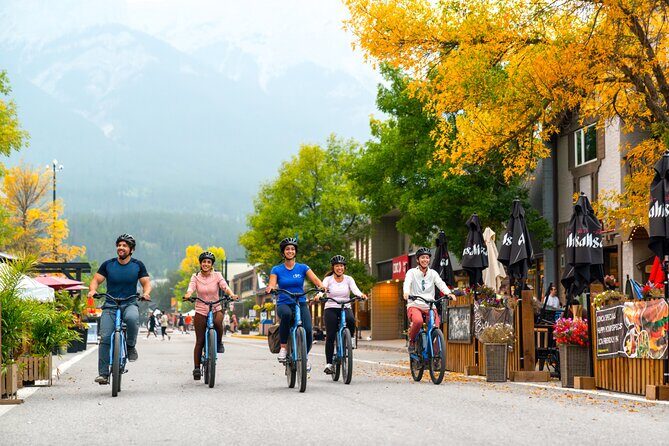
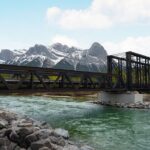
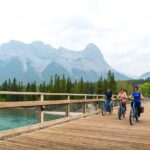
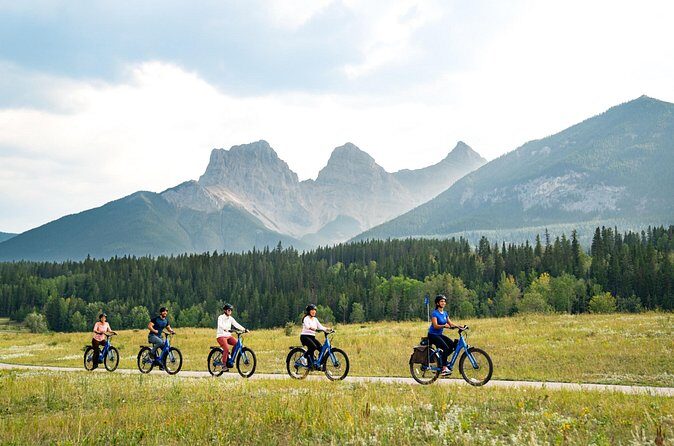
As you head through the Canmore-to-Banff arc, you pass by viewpoints connected to Mt. Rundle and the Engine Bridge area. These are the kinds of stops where the landscape is doing half the work. You don’t have to strain to find your best angle because the route is already threading you past the good vantage points.
Mount Rundle overlooks the towns of Banff and Canmore, so the view isn’t one-note. You get the feel of the valley and how the towns relate to the Rocky Mountain ridgelines. It’s the kind of scene that looks great from a photo, but also works just standing and scanning for a minute.
Then there’s the Engine Bridge segment, which acts like a reset. You bike, you arrive, you stop. It breaks up the day so you don’t just repeat “up, down, pedal” forever.
Small practical tip: if you care about getting good photos, plan to spend 2–3 minutes longer at the stops than you think you need. That’s usually the difference between a quick snapshot and a photo you actually want to keep.
Policeman’s Creek wetland ecosystem: when the ride slows down
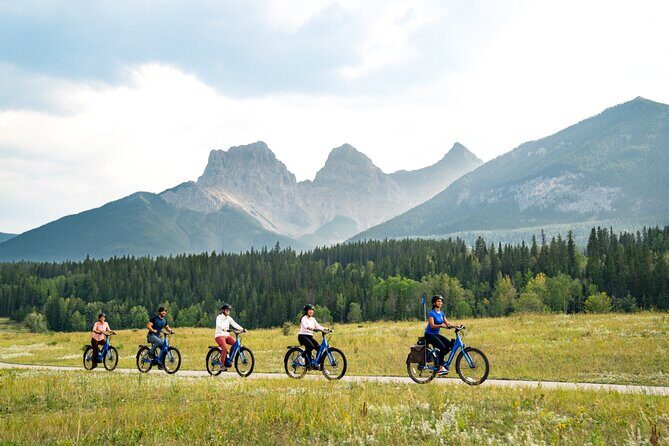
One of the more interesting sections is when you pass Policeman’s Creek wetland ecosystem. This part is specifically highlighted as offering spectacular photo opportunities in all directions. That phrase matters—wetlands often give you a “360-degree” feel, with sightlines that aren’t just straight down the trail.
You also get an idyllic creek-side picnic site described as part of this area. Even without details on what you’ll eat here, the setting alone changes the vibe from mountain-viewy to nature-and-water.
Why this stop is valuable: it gives your brain a different kind of scenery. After a day of mountain peaks and town views, a wetland pause feels fresh. It also helps you refuel before the later stretch toward Banff’s main icons.

Bow River cycling and the spring creek connection
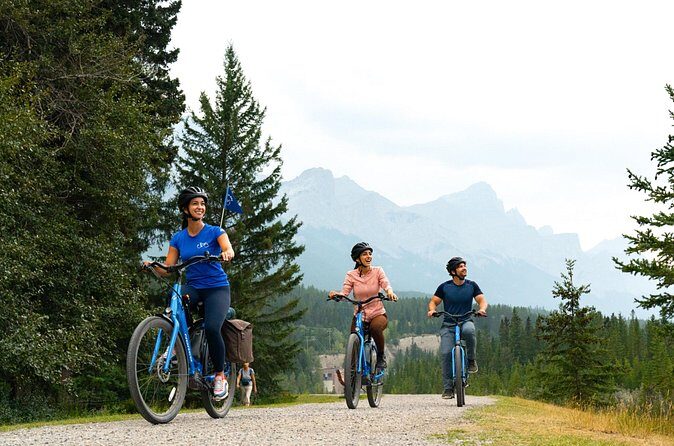
The day ties together around water. You cycle along the beautiful Bow River, and you also spend time in spring creek in downtown Canmore.
Spring creek is described as being in the heart of downtown Canmore, surrounded by two mountain streams. You get tranquil stream-side pathways that lead into the downtown core, where there’s an array of mountain cuisine and eclectic shopping. That blend is the whole point of a food bike tour: movement by day, local flavor right after.
This is where the tour stops being just “pretty scenery” and becomes “a real experience.” Instead of eating in the abstract, you’re eating where the town actually hangs out—close to small storefronts and the kinds of dining options that make you want to look around after your meal.
A practical reality check: because spring creek is downtown-ish, it can feel different than the quieter trail sections. If you prefer silence, bring your “outside voice” down and focus on the water path. If you like people-watching, this is your moment.
Riding past Banff to Bow Falls: your big payoff stop
As you cycle into Banff, you’ll do a stop for pictures at Bow Falls. Bow Falls are a major waterfall on the Bow River, just before the Bow River meets the Spray River. The tour also places this near the Banff Springs Hotel and its golf course area.
You’ll want to pay attention to the direction given: Bow Falls are described as being near Banff Springs, on the left-hand side of River Road. That kind of detail helps when you’re trying to orient yourself quickly, especially if you’re taking photos and your brain is trying to place everything at once.
Why Bow Falls is a smart stop: it’s a “high recognition” moment. Even if you’re not a waterfall person, Bow Falls is the kind of scene that makes you understand why people build vacations around the area.
What to consider: waterfall stops can attract crowds at peak times. The tour format helps because you’re arriving as part of a group and then moving on, rather than spending the whole day stuck in one spot.
Food stop at spring creek: value beyond the meal
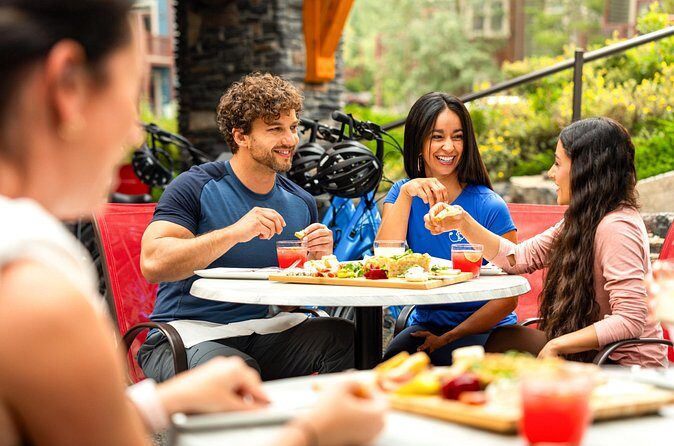
The tour includes a food stop, and the location is tied to the spring creek area in downtown Canmore. That’s a good design choice because it keeps you close to actual dining and a bit of local browsing afterward.
At $178.54 per person for a tour around 6 hours, the “value” isn’t only the food itself. It’s the combination of:
- guided biking across key sections of the area
- scheduled landmark stops (including Bow Falls and other named viewpoints)
- time carved out for eating where the town vibe actually shows up
A solo trip could cost less on paper—if you bike independently and pick your own meal—but you’d lose the structure. Here, the day’s pacing is built to prevent awkward timing (the classic I-thought-I-could-fit-everything-in moments).
One more angle: since the tour is capped at 10 travelers, your food stop likely feels less rushed than a big group experience. That’s the kind of small difference that matters when you’re on a bicycle for most of the day.
How hard is it, really? Fit level and pacing for a 6-hour ride
You’ll want a strong physical fitness level. The tour explicitly notes that requirement, and a recent experience summed it up like this: it’s definitely a workout, including for people in their mid to late 60s who still loved the ride and the trail quality.
So here’s the practical way to judge it before you book: if you can handle a full morning of active cycling and you’re comfortable maintaining effort outdoors, you’re likely in the right zone. If cycling is your hobby only on weekends, start with careful expectations.
The benefit is that you’re not doing this alone. A guide keeps the route clear, and the small group helps avoid the situation where you’re constantly waiting for someone.
My honest takeaway for you: treat it like a structured fitness outing with serious scenery rewards, not like a gentle sightseeing cruise.
Price and what you’re buying for $178.54
At $178.54 per person, this sits in the “worth it if it saves you time and effort” category.
You’re paying for:
- a guided experience in English
- a small group format (max 10)
- several named stops tied to real landmarks and photo moments
- a food stop as part of the day’s flow
If you were to recreate this on your own, you’d have to plan the route, find parking or transport, decide where to eat, and time your stops. The tour does that planning for you, and you spend your energy on cycling and enjoying the stops instead of logistics.
Also, it’s priced as a half-day-ish tour (about 6 hours). That’s important: a shorter format means you’re more likely to fit it into an actual vacation schedule without feeling like you lose the entire day.
Weather rules: planning your Banff-area day
This tour requires good weather. That’s not a “maybe” detail—it’s built into the operating conditions. If weather is poor, you’ll be offered a different date or a full refund.
For you, this means you should keep your schedule flexible on the day you choose. If you’re traveling with fixed plans every afternoon, pick a buffer day. Mountain weather can shift fast, and the ability to pivot makes the experience smoother.
Who this tour is best for
This is a great fit if you:
- like cycling and want a guided route with breaks
- want a food stop tied to a real local setting in Canmore
- care about photo-worthy stops like Bow Falls and Mt. Rundle areas
- prefer small groups and clear guidance
It’s less ideal if you:
- want a purely relaxed “easy ride” day
- hate committing to outdoor conditions
- don’t feel confident with a strong-fitness expectation for about six hours
Should you book the Legacy Trail Food Bike Tour?
Book it if you want a day that mixes real cycling effort with high-value stops: Bow Falls, Mount Rundle viewpoints, creek-and-wetland scenery, and a food stop that lands you in downtown Canmore near spring creek paths.
Skip it if you’re looking for a slow, sit-down sightseeing day, or if you can’t handle outdoor cycling for roughly 6 hours. Also, choose your day carefully—good weather matters here.
If your ideal vacation includes earning your photos on the bike and then rewarding yourself with local food and a little browsing, this one makes sense.
FAQ
Where does the Legacy Trail Food Bike Tour start?
It starts at Sports Garage 1 Industrial Pl #125B, Canmore, AB T1W 1Y1, Canada, and ends back at the same meeting point.
How long is the tour?
The tour lasts about 6 hours (approx.).
What time does the tour begin?
The start time is 9:00 am.
How much does it cost?
The price is $178.54 per person.
What fitness level do I need?
You should have a strong physical fitness level.
What’s the group size and language?
The tour has a maximum of 10 travelers and is offered in English. The experience requires good weather, and if it’s canceled due to poor weather, you’ll be offered a different date or a full refund.